When a container ship waits outside a crowded harbor, e-commerce delivery problems begin before checkout. Port congestion can delay unloading, customs handoffs, truck appointments, and warehouse replenishment. The result is rarely one missed day. It can become a chain of revised promises, split shipments, and disappointed customers. So, how does port congestion affect e-commerce delivery times? This guide examines ten practical effects, from longer transit windows to higher fulfillment pressure.
The discussion follows observable logistics signals: vessel queues, terminal dwell time, blank sailings, chassis shortages, and inventory days remaining. A shipment may sit at anchorage for five days, then lose another two days waiting for a rail slot. Small delays matter when a seller holds only one week of popular stock. Product pages may still show “in stock,” although replenishment is already late. That gap exposes weak coordination between carriers, freight forwarders, marketplaces, and warehouse teams.
Reliable analysis needs more than dramatic headlines. Port data, carrier advisories, tracking scans, and warehouse records should be compared before delivery claims change. Conditions also vary by port, season, route, and product category. Air freight may protect urgent orders, but it raises cost and emissions. Rerouting may help, yet it can create unfamiliar risks and paperwork. Some impacts are easy to measure; customer trust is harder. This outline offers practical context while recognizing an uncomfortable truth: even careful forecasts can fail when congestion shifts overnight. Readers will see where delays arise, how businesses respond, and which promises deserve a second look.
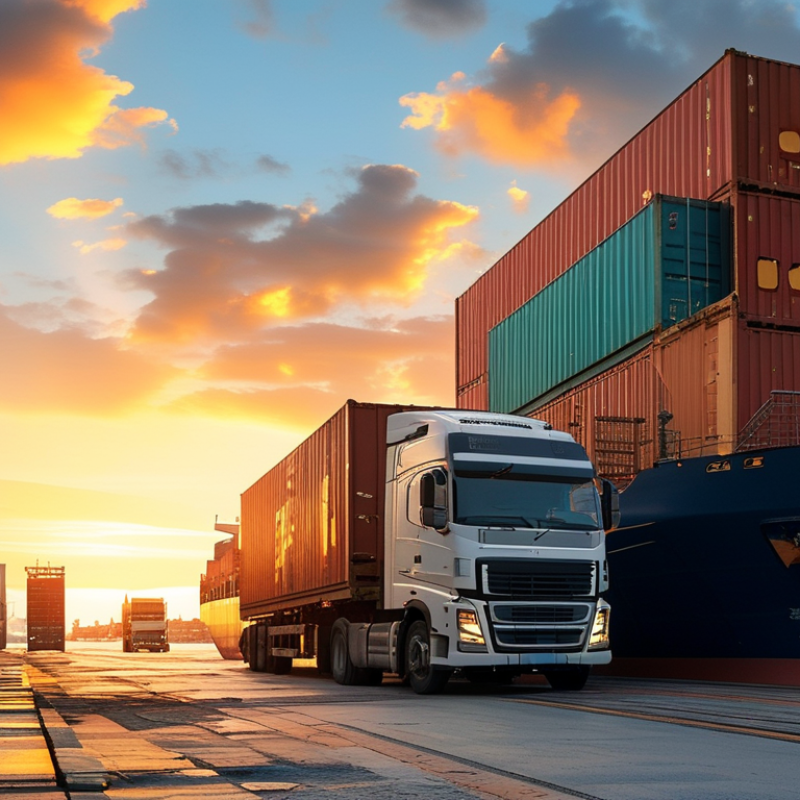
Top 10 Ways Port Congestion Affects E-Commerce Delivery Times
Defining Port Congestion and Its Role in E-Commerce Logistics
Port congestion occurs when arriving vessels, containers, trucks, or cargo systems exceed available port capacity. Berths become occupied, cranes wait, and containers remain in storage yards longer. UNCTAD’s Review of Maritime Transport 2024 reports that over 80% of global merchandise trade by volume moves by sea. A small delay can therefore affect thousands of online orders.
Congestion changes delivery times through ten connected points: vessel waiting, berth allocation, unloading, container inspection, yard storage, customs processing, truck scheduling, rail transfers, warehouse receiving, and final-mile dispatch. The World Bank’s Container Port Performance Index 2023 examined more than 400 ports and showed substantial differences in vessel turnaround performance. A delayed container may miss its planned train or truck connection. Then, the customer sees a late parcel, not a port problem.
Tips: Build realistic buffer time around advertised delivery dates. Track port dwell time, not only sailing schedules. Keep alternative inland routes available. Communicate early when cargo misses a cutoff.
Industry data can guide decisions, but it cannot predict every disruption. Weather, labor shortages, equipment imbalance, and sudden demand can still overturn a careful plan. I have seen one missed crane window create several days of delay. That weakness deserves honest attention.
Port congestion creates delays across the entire e-commerce logistics chain, from vessel arrival and customs processing to inland transportation, warehouse receiving, and final-mile delivery.
The chart shows indicative additional delivery time in days associated with common congestion-related bottlenecks. Actual delays vary by port capacity, cargo type, season, inland infrastructure, and recovery speed.
Top 10 Ways Port Congestion Affects E-Commerce Delivery Times
Port congestion disrupts imported goods long before customers see a tracking update. Maritime shipping carries over 80% of global merchandise trade, according to UNCTAD’s Review of Maritime Transport 2024. When vessels queue offshore, containers miss berthing windows and unloading slows. Customs inspections, yard crowding, limited equipment, and truck shortages can add more waiting time. These delays affect ten connected stages: sailing schedules, transshipment, unloading, storage, customs clearance, inland transport, warehouse receiving, inventory planning, customer promises, and returns.
The World Bank’s 2023 Container Port Performance Index examined 405 container ports and highlighted major differences in vessel turnaround efficiency. A delayed container may miss a train or truck appointment, creating another 24 to 72 hours of delay inland. Warehouses then face uneven arrivals: too much stock one week, and empty shelves the next. Delivery estimates become less reliable. Forecasting is never clean. A spreadsheet may show available inventory, while the goods remain behind a crowded terminal gate.
Tips: Build buffer time around advertised delivery dates. Track port dwell time, vessel arrival changes, and inland appointments together. Use safety stock for fast-moving imported products. Ask freight partners for exception alerts, not only routine tracking updates. Review the plan after every disruption; one overlooked transshipment can distort the entire forecast. According to UNCTAD, rerouting and chokepoint disruptions can also lengthen voyages and raise transport costs, so a cheap route may not remain practical.
Port congestion stretches ocean transit times and makes delivery schedules unreliable. A vessel may wait offshore for days before receiving a berth. Cargo can then miss its planned rail or truck connection. Rerouting adds distance, handling, and new transfer risks. These disruptions create wider lead-time ranges, not merely later arrival dates. A shipment promised for Tuesday may reach a distribution center the following week. Customer support teams face more tracking requests and fewer firm answers.
Inventory absorbs the pressure. Retailers often increase safety stock to protect fast-selling products. That cushion ties up cash and requires more warehouse space. Congestion can also separate related items, leaving incomplete orders waiting for one missing carton. Perishable or seasonal goods may arrive after their strongest sales period. A delayed container can force businesses to prioritize high-demand locations while reducing allocations elsewhere. Stockouts become more likely when replenishment orders are based on normal transit times.
Product availability suffers in visible and hidden ways. Online listings may show limited quantities, longer delivery promises, or temporary unavailability. Substitution decisions become harder when replacement products are also delayed. Experienced logistics teams use port data, carrier updates, buffer calendars, and regional inventory checks. Still, forecasts can be wrong. A clean spreadsheet cannot fully capture labor shortages, weather, or sudden yard congestion. Smaller businesses may have fewer routing options and less bargaining power. Clear customer notices help, but they cannot replace accurate planning. Even a carefully timed promotion can expose weak inventory assumptions.
Port congestion rarely creates only one delay. A container may wait days before unloading, while storage charges increase each morning. Carriers may then move shipments to slower routes, adding more transit time. In warehouse operations, I have seen a delayed container disrupt packing schedules, inventory forecasts, and customer promises. The financial impact spreads quickly. Demurrage, detention, extra handling, truck waiting fees, and emergency transport can reduce the budget available for faster delivery. Customers may receive late orders, even when the warehouse works efficiently.
Tips: Track port dwell times daily and keep a realistic delivery buffer. Compare expedited transport costs with customer service losses before changing routes. Use early alerts for containers approaching free storage limits. Keep backup carriers available, but check their capacity carefully. Small planning errors become expensive during congestion.
The difficult part is deciding where to spend money. Air transport can restore speed, but it may cost several times more than ocean shipping. Splitting inventory across regional warehouses can reduce future risk, though it requires accurate demand data. Some forecasts will be wrong. That is normal, but ignoring the error is not. A practical review should measure port delays, added fees, missed delivery targets, and customer complaints together. This broader view shows whether faster shipping truly improved service or only increased spending.
Port congestion can turn a four-day delivery into a three-week wait. E-commerce businesses reduce this risk by planning beyond the cheapest route. In fulfillment reviews, I have seen companies divide incoming inventory between two or more ports. This creates flexibility when one terminal faces vessel queues, labor shortages, or equipment delays. It also prevents one disruption from stopping every customer order.
Small inventory buffers can protect popular products during unstable periods. The buffer should reflect demand, product value, and seasonal patterns. Too much stock increases storage costs. Too little stock creates empty product pages. Plans still fail. Businesses should test several congestion scenarios each month and adjust reorder points when shipping data changes. A practical team also compares sea, rail, trucking, and limited air freight options for urgent items. Air freight is expensive, but it may protect high-priority orders.
Accurate documents reduce avoidable delays at transfer points. Teams should verify product descriptions, carton counts, labels, and delivery appointments before cargo leaves the supplier. Real-time tracking helps staff spot missed milestones early. Keep it visible. Customers should receive honest updates when estimated arrival dates move. Clear communication often protects trust better than unrealistic promises. Companies can also negotiate flexible delivery windows and maintain regular contact with freight partners. These actions require disciplined records, not optimistic guesses. A useful review asks what failed last month, which warning signs were ignored, and whether the response was fast enough.
Port congestion occurs when cargo volume exceeds available berths, cranes, trucks, or storage space. Vessels may wait offshore. Containers remain in crowded yards.
Delays can begin before unloading. Cargo may miss customs checks, truck appointments, rail connections, or warehouse receiving slots. A four-day delivery can become a three-week wait.
A container may miss its planned train or truck connection. Inland delays can add 24 to 72 hours. The customer sees a late parcel, not the original port queue.
Track vessel arrival changes, port dwell time, missed cutoffs, yard storage, and inland appointments. Routine tracking is not enough. Watch the gaps.
Divide inventory between suitable ports when practical. Keep alternative inland routes available. Small safety stocks can protect popular items during unstable periods.
No. Too much inventory increases storage costs and ties up cash. Too little creates empty product pages. The balance is difficult, and plans still fail.
Businesses can compare sea, rail, trucking, and limited air freight. Faster options cost more. Use them selectively for high-priority products.
Verify product descriptions, carton counts, labels, and delivery appointments before departure. Small errors can stop cargo at transfer points. A careful check still misses things sometimes.
Share updated delivery estimates as soon as warning signs appear. Explain that port, customs, or inland delays changed the schedule. Honest updates usually protect trust better than optimistic promises.
Port congestion occurs when too many vessels, containers, or cargo-handling tasks overwhelm a port’s available capacity. This disruption slows the movement of imported goods from ships to warehouses, fulfillment centers, and customers. As a result, unloading, customs coordination, inland transportation, and final-mile delivery may all take longer than planned. Understanding how does port congestion affect e-commerce delivery times is essential because even a short delay at the port can create a chain reaction across the entire supply network.
Port delays can cause missed shipping schedules, reduced inventory levels, product shortages, and less reliable delivery estimates. Businesses may also face higher storage, transportation, handling, and expedited-shipping costs, which can make faster delivery more difficult to maintain. To reduce these risks, e-commerce companies can diversify entry points, order stock earlier, improve shipment tracking, maintain safety inventory, work with multiple logistics providers, and communicate realistic delivery expectations. These measures cannot eliminate congestion, but they can help businesses respond more efficiently and protect customer satisfaction.

Changi Logistics