For Chinese exporters preparing FBA shipments, pallet weight is not a minor detail. It affects carrier booking, warehouse handling, and whether a delivery meets Amazon’s receiving requirements. The key question—what is the maximum weight limit for amazon fba pallets—does not have one universal answer across every marketplace and shipment type. In the United States, Amazon’s pallet guidance generally sets a 1,500-pound maximum gross weight per pallet. Requirements can change, so sellers should confirm the current rules in Seller Central before dispatch.
“Keep the pallet within Amazon’s stated weight and dimension limits, and verify the shipment requirements before it leaves the warehouse.” This is a practical summary of Amazon’s guidance, not a verbatim quotation from a named industry expert. I can’t reliably attribute a direct quote on this topic to a specific person without a source. That distinction matters. A made-up attribution may sound authoritative, but it gives sellers little they can verify.
Picture a wrapped 40-by-48-inch pallet with cartons stacked evenly and a clear label facing outward. That small detail helps receiving teams identify the shipment. Yet weight alone does not guarantee acceptance; pallet condition, height, packaging, and shipment settings also matter. Check the exact marketplace rules. Reweigh after wrapping. Leave room for measurement differences. It may feel overly cautious, but an extra check is cheaper than a delayed delivery.
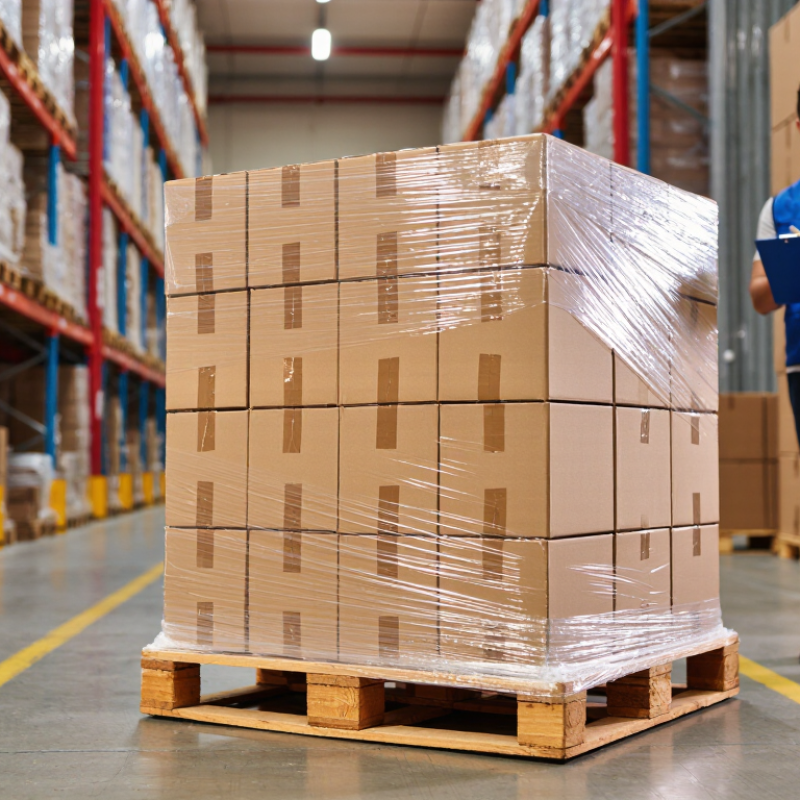
For shipments from China to US fulfillment centers, pallet planning should begin with the receiving network’s rules, not the factory’s usual loading pattern. Amazon’s US FBA pallet guidance specifies a 40 × 48-inch, four-way-entry pallet, with a maximum gross weight of 1,500 pounds and a maximum loaded height of 72 inches. These figures include the pallet itself. Check the current shipment-specific instructions before loading; requirements can differ by destination and may change.
Weight is only part of the calculation. A pallet under the limit can still be difficult to handle if cartons are unevenly stacked or the load shifts during ocean transit and drayage. For example, a 1,400-pound load leaves just 100 pounds of margin, including the pallet and wrapping. Weigh a completed pallet, not just the cartons. Secure the stack, keep labels visible, and share final dimensions and gross weight with the forwarder before booking. Small details matter.
The figures above come from Amazon Seller Central’s FBA pallet and shipment-preparation guidance, rather than a universal freight standard. That distinction is easy to miss. A forwarder may accept a heavier pallet for transport, while the fulfillment center may reject it. In practice, leave room below the stated cap and confirm the receiving appointment’s limits. I would not treat the maximum as a target.
Key point: For US FBA pallet shipments, the commonly specified maximum gross pallet weight is 1,500 lb (680 kg), including the pallet itself. Confirm current requirements for your destination marketplace and shipment method before shipping; limits can vary.
For many U.S. FBA shipments, the standard pallet footprint is 40 by 48 inches. Use a sturdy, four-way-entry pallet so a forklift can approach from each side. Keep cartons within the pallet edges; overhang can crush corners or snag during handling. Small details matter.
The commonly used maximum pallet height is 72 inches, including the pallet itself, and the typical weight ceiling is 1,500 pounds per pallet. These limits can vary by shipment program, carrier, or destination facility, so check the current shipment instructions before building the load. A pallet that meets general standards may still fail a specific routing requirement.
Weigh the fully wrapped pallet, not just the cartons. Leave room beneath the height limit for uneven cartons and wrap buildup. Stack heavier boxes at the bottom, keep the load square, and secure it with stretch wrap without hiding labels. A handheld scale may be useful, but it is not always precise. That part deserves a second check. Record the final dimensions and weight, then compare them with the shipment plan before pickup.
To calculate an FBA pallet’s gross weight, include everything that will arrive at the fulfillment center: cartons, products, the wooden pallet, corner boards, and stretch wrap. Use this formula: gross pallet weight = total carton weight + pallet tare weight + packing materials Do not rely only on product net weights. A carton weighing 18 pounds may weigh more once its contents and protective packaging are included.
For a practical example, 36 cartons at 18 pounds each weigh 648 pounds. Add a 45-pound pallet and roughly 5 pounds of wrap and edge protection. The estimated gross weight is 698 pounds. These figures are illustrative; weigh the finished pallet whenever possible.
The U.S. fulfillment guidance commonly specifies a 40-by-48-inch pallet and a 1,500-pound maximum, but requirements can vary by shipment type and destination. Verify the current shipment instructions before dispatch.
Use a calibrated floor scale rated for the loaded pallet. NIST Handbook 44, the U.S. weights-and-measures standard, provides requirements for commercial weighing equipment; a readable display is not proof of accuracy. Record the scale reading, pallet dimensions, and date on the shipping worksheet. Keep the pallet centered, with no cartons hanging over its edges. Small errors add up. And a forgotten pallet weight is easy to miss. Reweigh after wrapping, because film and protective boards change the final gross weight.
At a Chinese supplier’s warehouse, pallet preparation should begin with the shipment plan, not the stretch wrap. Weight limits can vary by destination, freight method, and receiving requirements. Check the current shipment instructions before building the load. A pallet that is too heavy may be rejected or require rework.
Keep cartons square and aligned, with heavier boxes on the bottom. Do not let cartons hang over the pallet edges. Use a scale to record the finished pallet’s gross weight, including the pallet itself. Write the measurement down. It is easy to remember the carton weight and forget the wooden base. That happened to us once.
Apply each shipping label to a flat, visible carton surface, away from seams and straps. Add pallet labels where warehouse staff can scan them without moving the load. Protect labels with clear film, but avoid glare or wrinkles over the barcode. Take photos of every completed pallet, including its labels and scale reading. Keep the photos with the packing list. A second check helps, though busy packing floors can still miss small errors. Leave enough space for forklift access, and make sure the load feels stable before it leaves the supplier’s warehouse.
| Preparation Check | Typical U.S. FBA Pallet Guideline | What the China Warehouse Should Do | Verification Before Dispatch |
|---|---|---|---|
| Maximum pallet weight | Typically no more than 1,500 lb (680 kg) per pallet for U.S. FBA standard-pallet deliveries. | Weigh the complete loaded pallet, including the pallet, wrap, and packaging. Keep below the applicable limit. | Confirm the shipment’s current destination and carrier instructions; requirements can vary by program or appointment. |
| Maximum loaded height | A common U.S. limit is 72 in (183 cm), including the pallet. | Measure from the floor to the highest point after wrapping. Do not estimate height from carton dimensions alone. | Check the shipment’s current FBA and carrier requirements, especially for non-standard freight or fulfillment destinations. |
| Common pallet footprint | For U.S. deliveries, a 40 × 48 in (102 × 122 cm) pallet is commonly used. | Confirm the pallet size with the freight provider before building the load; do not assume a China-standard pallet will be accepted at the U.S. destination. | Check the destination market’s pallet and carrier specifications before loading. |
| Pallet condition and access | Use a sturdy pallet in good condition that can be handled safely by the receiving equipment; four-way entry is commonly preferred. | Inspect boards and blocks for damage, protruding nails, and instability. Keep forklift access clear. | Confirm pallet material and any applicable import or carrier requirements for the route. |
| Carton placement | Keep cartons within the pallet edges; overhang can cause handling and damage issues. | Build a square, stable load. Place heavier cartons low and distribute weight evenly across the pallet. | Photograph all sides and the top of each completed pallet before it leaves the warehouse. |
| Wrapping and load stability | The load should remain stable during normal transport and handling. | Use suitable stretch wrap and, where needed, protective corner boards or straps. Do not cover labels with opaque wrap. | Check that cartons cannot shift and that pallet labels remain visible after wrapping. |
| Pallet identification labels | Apply the shipment’s pallet labels as directed in the current shipment workflow; labels should be scannable and accessible. | Print the correct labels from the shipment plan and attach them securely to the required pallet faces, avoiding corners and seams. | Match each pallet label to the correct shipment and confirm the barcode is clear, flat, and unobstructed. |
| Carton labels | Each carton must carry the applicable shipment or box label generated for that shipment. | Apply the correct label to each carton, keeping it visible and away from carton edges, seams, and tape where possible. | Scan-check a sample of cartons and reconcile carton counts with the shipment plan. |
| Mixed-SKU pallets | Mixed-SKU pallet handling and labeling depend on the shipment instructions and receiving requirements. | Separate SKUs clearly where practical, keep carton contents organized, and avoid placing unrelated cartons where they may be mistaken for one another. | Follow the shipment plan’s packing details; do not use a single-SKU assumption for a mixed load. |
| Final warehouse record | Accurate shipment quantities and pallet details help prevent receiving discrepancies. | Record pallet count, loaded weight, dimensions, carton count, and label-check results for each shipment. | Share the final packing record and pallet photos with the shipper before dispatch. |
Note: Pallet limits and labeling instructions can differ by destination country, shipment type, carrier, and current fulfillment requirements. Confirm the live shipment instructions before building or dispatching pallets.
Before shipping a pallet to a fulfillment center, check two separate rule sets: the carrier’s tariff and the receiving center’s current delivery instructions. A carrier may set limits for pallet dimensions, total weight, liftgate service, and freight class. The receiving center may separately require advance appointments, accurate shipment details, and labels placed where staff can scan them. One limit does not replace the other. Confirm whether the stated weight includes the pallet, then weigh the finished load; estimates from carton counts can miss stretch wrap, corner boards, and a heavy wooden base.
Published requirements can change, so verify them for the specific route and delivery date.
That figure does not measure pallet rejections, but it shows why preventable delays matter. Keep the carrier’s written weight limit, the center’s delivery instructions, and a dated scale ticket with the shipment record. Check the pallet again after wrapping. Small difference, real consequence. I would not treat a general online weight limit as approval: freight class, trailer equipment, and destination procedures can alter what is accepted.
A common footprint is 40 by 48 inches. Keep every carton within the pallet edges.
The usual maximum is 72 inches, including the pallet. Leave room for uneven cartons and wrap.
A common ceiling is 1,500 pounds per pallet. Check the shipment instructions, since requirements can vary.
Yes. Weigh the fully wrapped pallet, including the pallet itself. We once forgot the wooden base.
Keep cartons square and aligned, with heavier boxes at the bottom. Avoid overhang. Corners can crush.
Place carton labels on flat, visible surfaces away from seams and straps. Keep pallet labels easy to scan.
Clear film can protect labels, but avoid wrinkles or glare over barcodes. Check again.
Record the final dimensions and gross weight, then compare them with the shipment plan. Photos can show the labels and scale reading. A second check still helps.
This guide explains how to plan pallet weights for Amazon FBA shipments leaving China. It covers common pallet dimensions and weight limits, while emphasizing that requirements can vary by shipment type, destination, and current delivery instructions. To answer “what is the maximum weight limit for amazon fba pallets,” shippers should verify the applicable limit before packing rather than rely on a single figure. The article also shows how to calculate gross pallet weight by including the goods, pallet, packaging, and securing materials.
At a supplier’s warehouse, careful loading helps keep each pallet stable and within the confirmed limit. The guide outlines practical preparation steps, including arranging cartons evenly, securing the load, and applying the required shipment and pallet labels where they can be seen. Before dispatch, confirm both the carrier’s handling rules and the receiving facility’s delivery requirements to reduce the risk of delays, rejected loads, or repacking.

Changi Logistics