Best China Shipping Routes How to Cut Supply Chain Costs?

Time:2026-10-02 Author:Ethan
0%

China remains a critical manufacturing base, but low factory prices no longer guarantee low delivered costs. Ocean freight, port handling, inland trucking, fuel, inventory, and delay risks can quickly reshape the final bill. UNCTAD’s Review of Maritime Transport 2024 confirms that maritime shipping carries over 80% of global merchandise trade by volume, making route decisions highly consequential. The World Bank’s Logistics Performance Index 2023 also shows that customs efficiency, infrastructure, tracking, and delivery timeliness strongly influence logistics performance.

This guide examines how to optimize supply chain routes to save shipping costs without sacrificing reliability. It compares major China gateways, including Shenzhen, Ningbo-Zhoushan, Shanghai, Qingdao, and Xiamen. A shipment from Dongguan to Los Angeles may favor Yantian, while cargo from inland Anhui could justify rail access through Shanghai. Small geographic details matter. So do container availability and transshipment exposure.

MIT supply-chain expert Yossi Sheffi has stated, “Resilience is the ability to recover from an event that has disrupted the supply chain.” That principle belongs beside every freight-rate comparison. The cheapest route may become expensive after one missed sailing or a three-day port delay. Freightos’ Baltic Index and Drewry’s World Container Index offer useful market signals, but neither replaces shipment-specific analysis. Our first route model may still overlook seasonal congestion, chassis shortages, or inconsistent supplier pickup times. That is an uncomfortable limitation. Therefore, the strongest strategy combines verified data, carrier schedules, landed-cost calculations, and practical experience from actual shipments. Lower cost matters. Predictable delivery matters more.
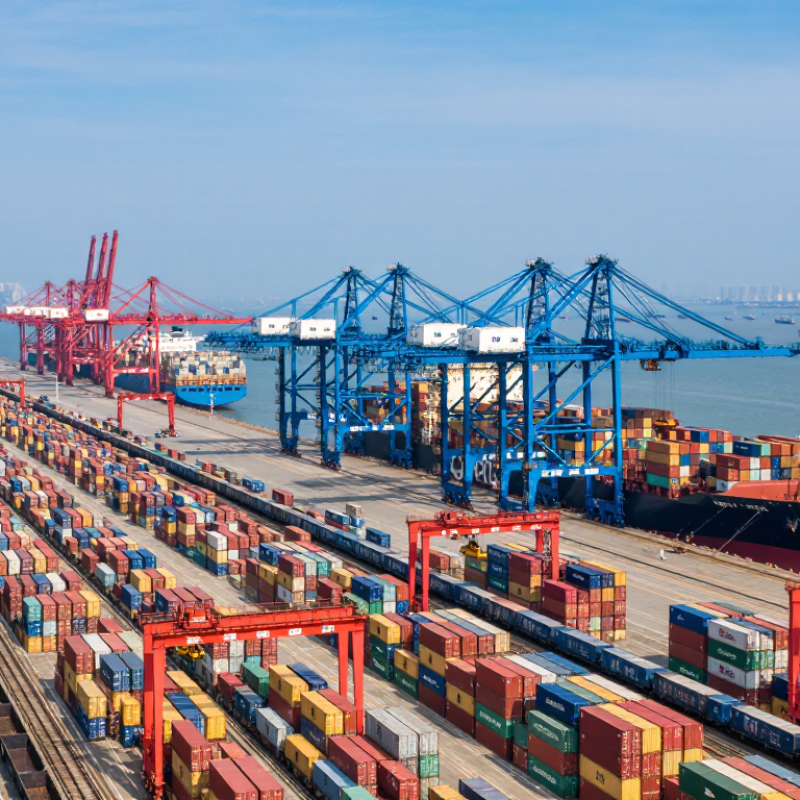
Best China Shipping Routes How to Cut Supply Chain Costs?

Key Factors in Choosing the Best China Shipping Route

Choosing the best China shipping route starts with the cargo, not the lowest freight quote. Product value, volume, urgency, and delivery location shape the decision. A coastal supplier may favor direct ocean freight, while inland production can justify rail or a combined road-sea route. Small shipments may need consolidation, although handling transfers can increase damage risks.

Transit time is only one part of route performance. Compare ocean freight, rail, air, and multimodal options using total landed cost. Include inland trucking, terminal charges, customs processing, insurance, storage, and possible demurrage. UNCTAD’s Review of Maritime Transport 2024 reported global maritime trade growth of 2.4% in 2023. It also warned that disruptions can extend voyages and raise fuel costs. Reliability matters when inventory buffers are limited.

Check port congestion, sailing frequency, seasonal capacity, and destination infrastructure before committing. The World Bank’s Logistics Performance Index 2023 gave China an overall score of 3.7 out of 5, with infrastructure scoring 4.0. Strong infrastructure does not remove every local bottleneck. A route can perform well nationally but fail at one crowded terminal or remote delivery point. Test two or three route scenarios with recent shipment data. Revisit the choice quarterly. A cheaper route may look efficient on paper, yet one missed connection can erase its savings.

Best China Shipping Routes: How to Cut Supply Chain Costs

Typical door-to-port or port-to-port transit-time benchmarks by transport route. Shorter transit can reduce inventory carrying costs, while ocean freight generally offers the lowest transportation cost for large shipments.

Benchmarks represent commonly reported industry ranges: ocean freight is typically 25–45 days, rail freight 15–25 days, air freight 3–7 days, and express air 3–5 days. Actual performance varies by origin, destination, customs clearance, season, and service level.

How to Compare Sea, Air, Rail, and Multimodal Transport

Choosing the best China shipping route starts with cargo priorities, not distance alone. Sea freight remains the cost leader for stable, high-volume shipments. UNCTAD’s Review of Maritime Transport 2024 states that over 80% of global merchandise trade moves by sea. A forty-foot container suits furniture, machinery, and replenishment stock. Transit may take several weeks. Plan for it.

Air freight serves urgent, compact, and high-value goods. The International Air Transport Association reports that air cargo carries less than 1% of global trade volume, but about 35% of its value. This gap explains the premium. A delayed launch may justify air transport, but routine inventory usually cannot. Weight, dimensional weight, fuel charges, and airport handling can quickly change the calculation.

Rail offers a middle path between speed and cost on selected China–Europe corridors. The World Bank’s Logistics Performance Index 2023 highlights the importance of reliable transit, customs, and tracking, not price alone. Multimodal transport can combine sea, rail, truck, and air for better balance. For example, rail may cover the long inland section, while trucks handle final delivery. Be careful with transfer points. Every handoff adds risk. My practical mistake was comparing only freight rates, then discovering storage and customs delays erased the saving. Use total landed cost, carbon impact, delivery reliability, and buffer stock in the same spreadsheet. Route decisions need revision. Always.

Ways to Reduce Freight, Customs, and Handling Costs

Choosing a China shipping route is a cost decision, not merely a port decision.

For ocean freight, compare total landed cost from factory gate to warehouse. A southern port may shorten inland trucking, while a northern port may offer better sailing frequency. UNCTAD’s Review of Maritime Transport 2023 reported that seaborne trade grew 2.4% in 2023, but capacity changes can quickly reshape rates.

Rates move quickly. Request quotes for the same Incoterm, container size, sailing week, and destination charges.

Customs savings start before cargo leaves the factory.

Use a verified HS classification, commercial invoice, packing list, and consistent product description. One mismatch can trigger inspection, storage, or document correction fees. The World Bank Logistics Performance Index 2023 gave China a customs score of 3.3 out of 5, showing room for smoother processes.

Check origin rules and duty treatment with a licensed customs professional.

Do not chase a lower declared value. Keep records aligned.

Handling costs often hide in pallets, relabeling, storage, and failed delivery appointments.

Ask the consolidator for a written fee sheet, including free-time limits and destination handling. The World Bank’s Container Port Performance Index 2023 shows major differences in port efficiency, so transit time deserves a price.

Use carton dimensions that fit the container, but test stacking first.

Small leaks matter. A theoretical loading plan can fail on the warehouse floor.

I would pilot one route for four shipments, then compare freight, clearance, damage, and storage invoices.

How to Plan Routes by Product Type, Volume, and Delivery Time

Choosing China shipping routes starts with cargo behavior, not a popular port. Small, valuable electronics often need air freight or rail-air combinations. Their high value can justify faster handling. Heavy furniture usually suits ocean freight, where cost per cubic meter matters more than speed. Fragile goods need fewer transfers, even when the quoted rate looks higher. I have seen cheap routes become expensive after repacking, storage, and damage claims. Product details change the calculation.

Volume determines whether a full container or shared space is practical. A steady 40-foot container can reduce handling and simplify scheduling. Smaller shipments may use consolidated ocean cargo, but delays can occur at the warehouse. Measure cartons, pallets, and stackability before requesting prices. Do not rely only on gross weight. One oversized carton can waste valuable container space. Seasonal volume also matters. A route that works in March may fail before a holiday peak.

Delivery time should be written as a working window, not a hopeful promise. For urgent stock, compare transit time, customs clearance, and final-mile delivery together. A port-to-port quote may hide several inland days. Build buffer days for weather, inspections, and documentation errors. That buffer is not waste. It protects production. Still, review it after every shipment. My own planning has sometimes used too much safety time, tying up cash in early inventory. Track actual milestones, then adjust the route, service level, and order size.

Methods for Managing Risks and Improving Supply Chain Efficiency

Best China Shipping Routes How to Cut Supply Chain Costs?

Methods for Managing Risks and Improving Supply Chain Efficiency

Choosing the best China shipping route is not simply a freight-rate exercise. Teams should compare port congestion, inland distance, customs complexity, and delivery reliability. For stable cargo, sea freight often reduces costs, while rail or air may protect urgent production schedules. Test the numbers. Include handling fees, storage, insurance, duties, and the cost of late inventory.

Risk control begins before the container is sealed. Confirm product documents, carton marks, export records, and destination requirements with qualified logistics professionals. Use two approved routing options when possible. A three-day buffer can protect a factory from one missed connection. Track milestones weekly, not only after delays appear. For moisture-sensitive goods, inspect seals and place sensors inside the container. Small details matter.

Practical teams also audit suppliers and carriers through measurable records. Review damage rates, booking accuracy, transit variation, and response time each month. Our early route plan looked cheap but ignored inland congestion. That mistake taught us to measure total landed cost instead of headline rates. Forecasts remain imperfect. Keep a contingency budget, document every exception, and adjust routes when evidence changes. Rushed compliance creates expensive delays.

Best China Shipping Routes How to Cut Supply Chain Costs? - Methods for Managing Risks and Improving Supply Chain Efficiency
Shipping Route Main Cargo Flow Typical Transit Time Relative Cost Index Estimated CO₂ Profile Primary Risk Level Main Cost and Risk Drivers Recommended Efficiency Methods
China–Northern Europe via Suez Consumer goods, machinery, electronics, industrial components 30–45 days 100 Low to medium Medium Canal disruption, congestion, fuel surcharges, seasonal schedule changes and port delays. Use advance bookings, consolidate containers, maintain safety stock for critical items and compare direct services with transshipment options.
China–Mediterranean via Suez Retail products, automotive parts, appliances and project cargo 28–42 days 105–115 Low to medium Medium to high Long sailing distance, geopolitical exposure, transshipment dependency and variable port productivity. Use multiple gateway ports, pre-book equipment, select stable sailing schedules and prepare alternative discharge locations.
China–West Coast North America across the Pacific Fast-moving consumer goods, technology products and seasonal inventory 14–25 days 90–110 Low to medium Medium Peak-season demand, port congestion, labor disruptions, chassis shortages and inland rail or truck capacity. Reserve capacity before peak season, use port diversification, combine rail and truck options and improve demand forecasting.
China–East Coast North America via Panama Large-volume retail, furniture, machinery and durable goods 30–45 days 110–125 Medium High Longer sailing distance, canal capacity constraints, weather-related restrictions and inland distribution costs. Compare Panama, Suez and West Coast alternatives; reserve canal-sensitive capacity and position inventory closer to demand centers.
China–East Coast North America via Suez Industrial equipment, specialty products and cargo with flexible delivery windows 35–55 days 120–135 Medium to high High Extended transit time, additional fuel consumption, geopolitical risk and possible transshipment delays. Use only when total landed cost is favorable; increase forecast visibility and maintain a longer replenishment buffer.
China–Middle East via the Indian Ocean Construction materials, machinery, energy-related equipment and general merchandise 18–30 days 85–105 Low to medium Medium Regional security conditions, port congestion, customs variability and inland transport limitations. Use port-specific customs checklists, verify cargo documentation early and establish alternative regional gateways.
China–Southeast Asia regional shipping Components, textiles, electronics, chemicals and intermediate goods 3–12 days 55–80 Low Low to medium Short-haul schedule frequency, feeder-vessel dependency, border procedures and variable container availability. Use regional consolidation centers, standardize packaging, synchronize production schedules and negotiate volume-based contracts.
China–Central Asia by rail Time-sensitive machinery, automotive parts, electronics and high-value cargo 15–25 days 180–250 Medium Medium Higher unit cost than ocean freight, border gauge changes, terminal capacity and regulatory requirements. Use rail for high-value or time-sensitive goods, reserve capacity early and apply a sea–rail mix for balanced cost and speed.
China–Europe by rail High-value goods, spare parts, seasonal products and urgent replenishment 18–30 days 220–320 Medium Medium to high Border handovers, rail network capacity, customs inspections and route-specific geopolitical exposure. Reserve rail space for priority stock only, use dual-sourcing and keep ocean freight as the baseline option.
China–Global destinations by air freight Urgent parts, medical products, samples, high-value electronics and products with short life cycles 2–7 days 900–1,500 High Low transit risk High freight rates, limited aircraft capacity, fuel surcharges, dimensional-weight charges and airport handling costs. Restrict air freight to high-margin or urgent cargo, improve demand planning and use postponement to reduce emergency shipments.
Planning note: Transit times and relative cost indices are typical planning ranges rather than fixed quotations. Actual performance varies with season, cargo type, booking date, port conditions, canal availability, customs clearance and inland delivery distance. The cost index uses the China–Northern Europe ocean route as a reference value of 100; higher values indicate a higher expected transport cost per comparable shipment.

FAQS

How should I choose a China shipping route?

Start with cargo value, volume, urgency, and delivery location. Coastal suppliers may suit direct ocean freight. Inland factories may need rail, trucking, or combined routes. The cheapest quote is not always cheapest overall.

Which transport method suits small, valuable products?

Air freight or rail-air services can suit small, high-value electronics. Faster handling may justify higher transport costs. Include customs processing, insurance, and final delivery charges. Speed helps, but it can strain the budget.

What route works best for heavy furniture?

Ocean freight often suits heavy furniture. Cost per cubic meter matters more than speed. Measure cartons, pallets, and stackability carefully. One oversized carton can waste container space.

Should I use a full container or shared cargo?

A steady full container can reduce handling and scheduling problems. Smaller shipments may use shared ocean space. Warehouse consolidation can create delays and extra handling. Shared space is practical, but not always gentle.

How should delivery time be estimated?

Use a working delivery window, not a hopeful promise. Combine transit, customs clearance, and final-mile delivery times. Add buffer days for weather, inspections, and document errors. Three extra days can protect production.

What costs should a route comparison include?

Compare total landed cost, not only freight rates. Include trucking, terminal charges, customs processing, insurance, storage, and possible demurrage. Also estimate late inventory costs. A cheap route may become expensive quickly.

How can shipping risks be reduced?

Confirm product documents, carton marks, export records, and destination requirements. Inspect container seals and use moisture sensors when needed. Keep two approved routing options if possible. Track milestones weekly, not only after delays.

How often should shipping routes be reviewed?

Review route performance quarterly and after major disruptions. Compare damage rates, booking accuracy, transit variation, and response time. Use recent shipment data from two or three scenarios. Our early plan ignored inland congestion. That was a costly lesson.

Conclusion

Choosing the best China shipping route requires balancing cost, speed, reliability, cargo characteristics, and destination requirements. Sea freight is often suitable for large, non-urgent shipments, while air freight supports time-sensitive or high-value goods. Rail and multimodal transport can provide a practical middle option by combining competitive transit times with controlled costs. To determine how to optimize supply chain routes to save shipping costs, businesses should compare total expenses, including freight rates, customs duties, documentation, inland transportation, insurance, storage, and handling fees.

Route planning should reflect product type, shipment volume, delivery deadlines, and seasonal demand. Consolidating smaller shipments, selecting appropriate packaging, improving cargo utilization, and preparing accurate customs documents can reduce unnecessary charges and delays. Companies can also improve efficiency by using multiple transport options, monitoring route performance, building contingency plans, and maintaining clear communication with logistics partners. Regularly reviewing delivery data and adjusting routes according to market conditions helps control risks, improve predictability, and create a more flexible and cost-effective supply chain.

Ethan

Ethan

Ethan is a seasoned marketing professional with a deep expertise in our company's innovative product line. With a passion for sharing knowledge and insights, he takes the lead in regularly updating our corporate blog, where he explores industry trends, product features, and effective marketing......