Moving cargo from China by air to sea can reduce freight costs and emissions, but the change requires more than booking a container. Businesses must compare delivery promises, product value, inventory levels, and destination port capacity. The best answer depends on the shipment.
This guide explains how to switch from air freight to sea freight efficiently. It focuses on practical decisions, including cargo consolidation, sailing schedules, customs documents, packaging, insurance, and inland delivery. A shipment leaving Shenzhen may face different risks from one leaving Ningbo or Qingdao. Port congestion, blank sailings, weather, and container shortages can change the plan quickly.
Lars Jensen, a respected container-shipping analyst and founder of Vespucci Maritime, has stated, “The only certainty in container shipping is uncertainty.” That warning matters. Sea freight usually costs less, but it moves more slowly and needs stronger planning. A company selling seasonal goods may need safety stock before changing transport modes. Another business may switch only selected products, while urgent orders remain on air freight.
Small details matter. Confirm the correct port cut-off. Check carton strength and moisture protection. Review commercial invoices and packing lists carefully. Work with licensed logistics providers and follow all applicable customs and safety requirements. Do not ship restricted or undeclared goods.
The process is not perfect. Forecasts can be wrong. Transit times can slip. However, measured testing creates reliable evidence. Start with one trade lane, monitor landed cost and delivery performance, then improve the next shipment. That is a more dependable path than changing every order at once.
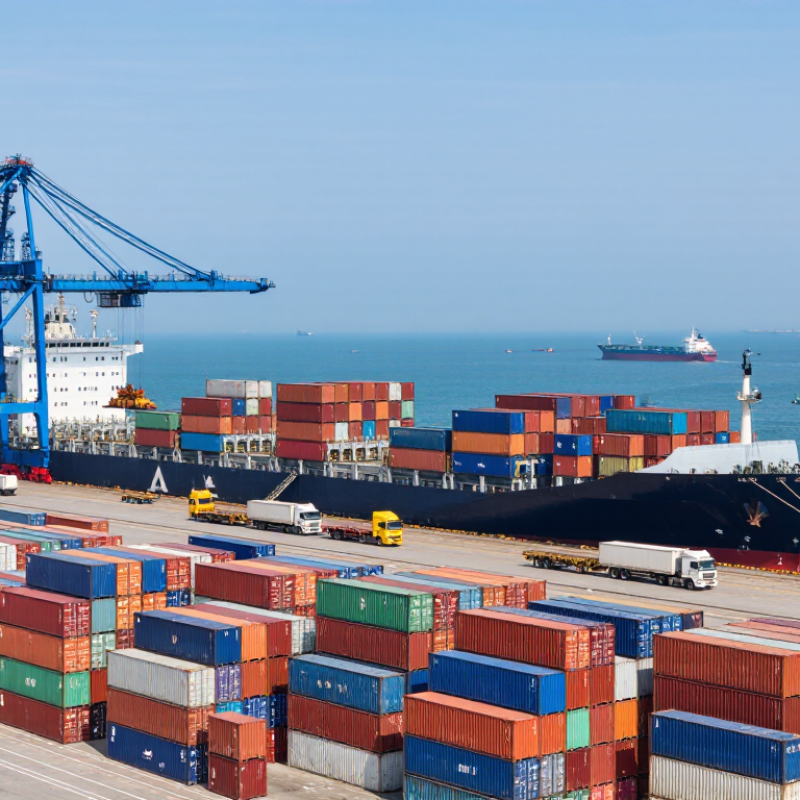
Sea freight can reduce transport costs for China-bound shipments, but lower rates do not guarantee better value. Check your cargo first. Fragile goods, seasonal products, and items with strict delivery dates may suffer from longer transit times. Measure the shipment’s volume, weight, packaging strength, and required arrival date. A small, urgent shipment may still suit air freight. A full pallet with flexible timing may fit ocean transport better. Port handling, inland trucking, storage, and insurance can change the final calculation.
Tips: Compare the complete landed cost, not only the freight quote. Request recent transit estimates for your route. Confirm port cut-off times and container availability. Leave buffer days for inspections, weather, and congestion. Ask your forwarder to explain every surcharge in writing.
Sea freight often works well when planning is stable. It becomes less attractive when stockouts could damage customer relationships. Temperature-sensitive or easily damaged goods require stricter packaging and handling checks. I have seen cost comparisons fail because they ignored warehouse labor and last-mile delays. That mistake is easy to repeat. Use shipment records, supplier production schedules, and realistic sales forecasts before changing modes. Review the decision shipment by shipment, because one route’s result may not fit another.
When moving cargo from China, sea freight usually cuts transport costs sharply. Air freight may cost several times more per kilogram, especially for heavy cartons. Sea rates depend on container space, port charges, documentation, and inland delivery. A small shipment may still favor air freight. A fuller container often makes sea freight more economical. Compare the complete door-to-door quote, not only the ocean rate.
Sea freight commonly takes 20 to 40 days between China and major overseas markets. Air freight may arrive within three to seven days, including handling. That gap affects inventory planning. Sea is slower. That matters. Order earlier and keep a modest safety stock. A simple air-versus-sea chart can mislead because port congestion, weather, customs checks, and missed vessel connections may extend delivery. Experienced forwarders check recent route performance before giving a schedule.
Risk also changes after the switch. Sea cargo faces longer exposure to moisture, rough handling, container movement, and temperature changes. Use suitable packaging, moisture protection, accurate weight data, and clear shipping instructions. Confirm compliant commercial documents before cargo handover. In practical shipment reviews, the cheapest option sometimes creates higher storage or stockout costs. I have also found that forecasts are rarely perfect. Test one sea shipment first, measure the real transit time, inspect the cargo on arrival, and adjust the next booking.
China Top 10: How to Switch from Air Freight to Sea Freight?
Switching from air to sea starts with the route, not the quotation. Compare origin factories, destination markets, transit time, and inland delivery distance. A lower ocean rate can disappear after trucking, port handling, storage, and customs fees. UNCTAD reports that ships carry over 80% of global merchandise trade by volume, but port performance varies widely. Choose a port with stable schedules and reliable inland connections.
Select carriers by sailing frequency, equipment availability, schedule reliability, and claims procedures. Ask for recent on-time performance data, not only promotional estimates. For urgent stock, use a faster service with fewer transshipments. For predictable cargo, a standard service may reduce cost. Full-container shipping suits regular volumes, while consolidation works better for smaller shipments. Confirm cut-off times, documentation rules, cargo insurance, and free storage periods before booking.
The World Bank’s 2023 Logistics Performance Index evaluates customs, infrastructure, shipment quality, and timeliness. These factors matter after the vessel departs. I have seen savings weaken when a shipment waited several days for inland equipment. That mistake was avoidable. Build a route comparison sheet with port pairs, total landed cost, estimated days, and disruption risks. Add a small buffer. Ocean schedules are not promises. Seasonal congestion, weather, and blank sailings can still disrupt careful plans.
A practical route-selection guide for shipments moving from China to major global markets
| Rank | Trade Lane | Recommended Chinese Port(s) | Typical Destination Port(s) | Approx. Ocean Transit Time | Best Sea-Freight Service | Recommended Shipment Size | Air-to-Sea Switching Trigger | Estimated Cost Position | Key Planning Considerations |
|---|---|---|---|---|---|---|---|---|---|
| 1 | China to the West Coast of the United States | Shanghai, Ningbo-Zhoushan, Yantian | Los Angeles, Long Beach, Oakland, Seattle-Tacoma | ประมาณ 14–25 days | FCLLCLDoor-to-door | At least 2–3 CBM for LCL; 20-foot or 40-foot container for regular volume | High priority when air cargo exceeds 300–500 kg and delivery allows two weeks or more | Low to medium | Allow additional time for transpacific schedule changes, terminal congestion, customs clearance, and inland delivery. |
| 2 | China to the East Coast of the United States | Shanghai, Ningbo-Zhoushan, Yantian, Xiamen | New York/New Jersey, Savannah, Norfolk, Charleston | Approximately 28–45 days | FCLLCLMultimodal | Best for 5 CBM or more, or stable full-container shipments | High priority for non-urgent cargo with predictable inventory planning | Medium | East Coast routing takes longer and may involve canal-related schedule variation; add inland rail or truck time after arrival. |
| 3 | China to Northern Europe | Shanghai, Ningbo-Zhoushan, Qingdao | Rotterdam, Hamburg, Bremerhaven, Antwerp-Bruges | Approximately 30–45 days | FCLLCLPort-to-door | Suitable for 3 CBM or more; FCL is usually more efficient above 15–18 CBM | High priority when air freight is being used for replenishment rather than urgent launch stock | Low to medium | Check emissions documentation, import VAT and duty requirements, product compliance, and final delivery capacity. |
| 4 | China to the Mediterranean | Shanghai, Ningbo-Zhoushan, Yantian, Qingdao | Barcelona, Valencia, Genoa, Piraeus, Istanbul | Approximately 25–40 days | FCLLCLSea-rail | Recommended for 3 CBM or more, especially recurring shipments | High priority when delivery planning can absorb longer sailing times | Low to medium | Port choice should match the final destination because inland transport can materially affect the total landed cost. |
| 5 | China to the United Kingdom | Shanghai, Ningbo-Zhoushan, Yantian | Felixstowe, Southampton, London Gateway | Approximately 32–48 days | FCLLCLDoor-to-door | Good fit for 2–3 CBM or more; FCL for regular high-volume shipments | High priority for planned inventory and e-commerce replenishment | Low to medium | Prepare importer information, commodity classification, customs documents, and post-arrival domestic delivery arrangements. |
| 6 | China to the Middle East | Yantian, Shanghai, Ningbo-Zhoushan | Jebel Ali, Abu Dhabi, Dammam, Hamad | Approximately 18–30 days | FCLLCLPort-to-door | Suitable for 2 CBM or more, with FCL preferred for dense cargo | High priority when air freight is used for bulky, non-perishable goods | Low | Confirm destination import permits, labeling rules, product standards, temperature exposure, and final-mile delivery access. |
| 7 | China to Southeast Asia | Shenzhen, Guangzhou, Xiamen, Shanghai | Singapore, Port Klang, Laem Chabang, Jakarta, Manila | Approximately 5–15 days | Short-seaLCLFCL | Effective from 1 CBM; suitable for frequent small replenishment orders | Medium priority because sea transit can be relatively short on regional routes | Very low | Compare direct sailing frequency, feeder connections, port handling charges, and local trucking before selecting the port pair. |
| 8 | China to Australia and New Zealand | Shanghai, Ningbo-Zhoushan, Yantian, Xiamen | Sydney, Melbourne, Brisbane, Auckland | Approximately 18–30 days | FCLLCLDoor-to-door | Best for 2 CBM or more; FCL for bulky or repeat shipments | High priority when cargo is non-urgent and air freight rates are disproportionately high | Low to medium | Allow time for biosecurity inspection, quarantine controls, accurate packing declarations, and destination delivery. |
| 9 | China to the West Coast of South America | Shanghai, Ningbo-Zhoushan, Yantian | Callao, San Antonio, Valparaíso | Approximately 30–45 days | FCLLCLPort-to-door | Recommended for 3 CBM or more; FCL is preferred for regular volume | High priority for durable products with long replenishment cycles | Medium | Verify destination customs procedures, inland transport availability, port storage costs, and local delivery lead time. |
| 10 | China to Africa | Yantian, Shanghai, Ningbo-Zhoushan, Qingdao | Durban, Cape Town, Mombasa, Dar es Salaam, Lagos | Approximately 25–50 days | FCLLCLProject cargo | Best for 5 CBM or more; FCL generally offers better control for large shipments | High priority for construction materials, machinery, furniture, and other heavy cargo | Low to medium | Plan for variable port productivity, customs requirements, inland infrastructure, documentation accuracy, and possible transshipment. |
Planning note: Transit times are typical port-to-port planning ranges and may vary according to sailing schedules, transshipment, weather, port congestion, customs clearance, cargo type, and inland delivery distance. Compare the complete landed cost rather than the ocean freight rate alone.
Switching from Air Freight to Sea Freight requires more than changing the booking method. Sea transport usually takes longer, so check cargo durability, inventory levels, and customer deadlines before confirming the shipment.
Prepare a commercial invoice, packing list, and accurate customs details. Confirm the HS code, cargo value, origin, carton count, and gross weight. The bill of lading must match these records. Small differences can cause delays. Do not guess classification details; verify them with a qualified customs professional. For fragile or moisture-sensitive goods, use strong cartons, reinforced pallets, inner protection, and moisture barriers. Add desiccants when suitable, but keep the cargo dry before closing the container.
Tips: Measure every carton again. Leave space for ventilation when necessary. Photograph pallet condition before loading. I once trusted an old packing list, and one carton count was wrong. The correction took longer than expected. That mistake showed me that experienced shippers still need a final document check. Sea freight rewards careful preparation, not rushed paperwork. Label each package clearly, secure loose parts, and record seal numbers. A short pre-shipment inspection can reveal weak corners, crushed cartons, or missing marks.
Typical door-to-door transit time comparison for international cargo. Sea freight usually requires longer planning for cargo preparation, documentation, customs clearance, and export packaging.
Benchmark ranges vary by origin, destination, port congestion, sailing schedule, customs procedures, and shipment type. Values shown are representative planning estimates in calendar days.
Switching from air freight to sea freight begins with a realistic delivery plan. Sea transport usually costs less, but it requires more time and coordination. UNCTAD reports that over 80% of international merchandise trade by volume moves by sea. Choose a port pair, container type, sailing schedule, and cargo-ready date. Check the booking cut-off carefully. Missing it can add several days. Prepare the commercial invoice, packing list, cargo dimensions, and verified gross mass before container loading.
Book the sea shipment with a carrier or qualified freight forwarder. Ask for the booking number, vessel name, estimated departure, estimated arrival, and transshipment details. Track each milestone, including empty-container release, terminal gate-in, loading, departure, arrival, customs release, and final delivery. The World Bank’s 2023 Logistics Performance Index identifies tracking and tracing as a core logistics capability. Use milestone updates, not only the final arrival notice. A port delay can change the delivery date quickly. The plan will not be perfect.
Tips: Keep a delivery buffer of five to seven days. Share the tracking reference with your warehouse team. Compare the promised transit time with recent sailing records. Photograph the sealed container and record its seal number. Review destination charges before booking. A cheaper ocean rate may create higher storage costs later. UNCTAD’s maritime transport reports also highlight schedule disruption and port congestion as continuing operational risks.
Sea freight often costs much less for heavy cartons or fuller containers. Compare the complete door-to-door quote. Include port fees, documents, inland delivery, and handling charges. A small shipment may still favor air freight.
Sea freight commonly takes 20 to 40 days between China and major overseas markets. Air freight may arrive within three to seven days. Sea is slower. Port congestion, weather, inspections, or missed connections may extend delivery.
Order earlier and keep a modest safety stock. Review customer deadlines before booking. A delayed container can create storage costs or stockouts. Forecasts are rarely perfect. Allow extra time.
Cargo faces longer exposure to moisture, rough handling, container movement, and temperature changes. Use moisture barriers and suitable inner protection. Keep goods dry before closing the container. Inspect the cargo after arrival.
Prepare the commercial invoice, packing list, and accurate customs details. Confirm the HS code, cargo value, origin, carton count, and gross weight. The bill of lading must match these records. Do not guess classification details.
Use strong cartons, reinforced pallets, and secure inner protection. Add desiccants when suitable. Label every package clearly. Secure loose parts and record seal numbers. Weak corners need attention.
Yes, a short pre-shipment inspection can reveal crushed cartons, missing marks, or loose packaging. Photograph pallet condition before loading. Measure every carton again. Small checks prevent larger delays.
Not always. Test one sea shipment first and measure the actual transit time. Inspect the cargo on arrival. Compare savings with delays, storage costs, and product damage. The cheapest option may not remain cheapest.
Switching from air freight to sea freight can significantly reduce transportation costs, but the decision should be based on your shipment’s urgency, size, value, destination, and risk tolerance. To understand how to switch from air freight to sea freight efficiently, compare total costs, transit times, cargo security, seasonal factors, and service reliability. Sea freight is often suitable for larger, non-urgent shipments, while time-sensitive or highly valuable goods may still require air transport.
A successful transition also depends on selecting practical routes, ports, carriers, and service types that match your delivery plan. Before booking, prepare accurate cargo information, commercial documents, customs details, and durable packaging for longer handling and transit periods. After confirming the booking, monitor shipping updates, review milestones, and communicate promptly with relevant logistics partners. Careful planning helps prevent delays, unexpected expenses, documentation errors, and damage while maintaining a balance between efficiency and cost control.

Changi Logistics