International sea freight is a complex process that involves various documents. These are essential to ensure smooth operations. Understanding what documents are required for international sea freight is crucial for shippers. Proper documentation can prevent delays and potential fines.
The main documents include a Bill of Lading, Commercial Invoice, and Packing List. Each serves a unique purpose in the shipping process. Some documents might seem straightforward but can lead to complications if overlooked. For instance, an inaccurate Commercial Invoice can result in customs issues.
Shippers should pay attention to details when preparing these documents. Ignoring them can lead to costly errors. It's important to stay informed about updates in shipping regulations. While having the right documents is vital, the process of obtaining them can be challenging. Mistakes can happen. Continuous learning is key to navigating international sea freight successfully.
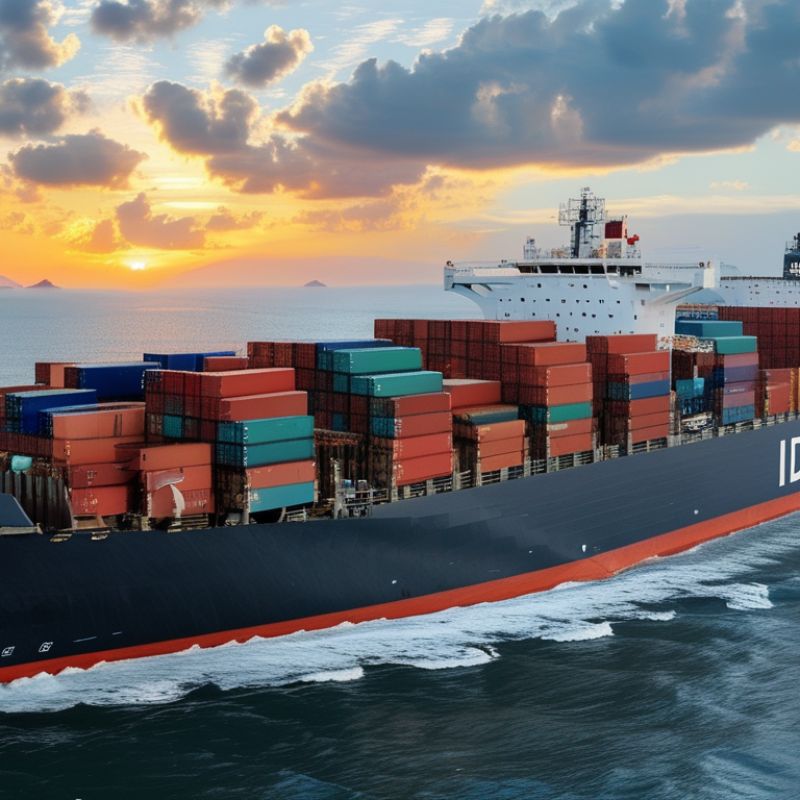
International sea freight plays a vital role in global trade. It enables businesses to transport goods across vast distances efficiently. Many industries rely on this mode of transport for its cost-effectiveness and reliability. Understanding the importance of proper documentation in this process is key to avoiding delays and fines.
Proper documentation is essential for smooth sea freight operations. These documents include the bill of lading, commercial invoice, and packing list, among others. Each serves a specific purpose and ensures that shipments are processed without issues at customs. Accuracy in these documents is critical. Errors can lead to significant delays or even legal troubles.
Tips: Always double-check your documents before submission. Consider using a checklist. This can help ensure all necessary paperwork is in order. Additionally, keep copies of all shipments. This protects you if disputes arise later on. Clear communication with your shipping partner is vital. Don't hesitate to ask questions if you're unsure about any requirements.
When shipping goods internationally, having the right documentation is crucial. Key documents ensure smooth transit and compliance with regulations. A Bill of Lading is essential. This document serves as a receipt and a transportation contract. It outlines the details of the shipment and acts as proof of ownership.
Customs declarations are another important requirement. They inform authorities about the contents of your shipment. Providing accurate information helps avoid delays. A Commercial Invoice is also necessary. It lists items, values, and terms of sale. This document facilitates customs clearance.
Packing lists might seem minor, yet they have significance. They detail the contents of each package, simplifying verification upon arrival. Insurance certificates protect against potential loss or damage. While these documents seem standard, missing one can complicate the shipping process. Attention to detail is crucial, as errors can lead to costly delays.
In the world of international sea freight, the Bill of Lading (BOL) stands as the core document. This legal document serves as proof of the contract between the shipper and the carrier. It includes vital details about the cargo, such as type, quantity, and destination. The BOL comes in various forms, including straight and bearer bills. Understanding these differences is crucial for smooth shipping operations.
A well-prepared BOL not only facilitates cargo movement but also protects the rights of all parties involved. Shippers should ensure that all information is accurate. Mistakes can lead to delays or disputes. It’s vital to include specific details, like the condition of goods and markings. Any missing detail can complicate claims processes. Moreover, if the BOL is lost, it can create significant operational challenges.
Many export and import businesses underestimate the importance of this document. They might focus on logistics and overlook paperwork. This oversight can result in costly errors. Regular training and updates about BOL requirements can help. Staying informed is key to minimizing risks in international freight. The Bill of Lading is more than a document; it’s a foundational element of the shipping industry.
International shipping requires careful attention to
customs documentation. Accurate paperwork is crucial for compliance. The World Customs Organization emphasizes
that up to 80% of delays in shipping stem from incorrect or incomplete documentation. This highlights the importance of proper preparation.
Key documents include the Bill of Lading, commercial invoice, packing list, and customs declaration.
According to industry reports, a single missing document can cause shipment delays of up to 48 hours.
This can elevate shipping costs significantly. Businesses must invest time in ensuring all documents meet the importing country's regulations.
Moreover, the landscape of international shipping is constantly evolving. Compliance standards shift, and regulations
can change unexpectedly. Companies practicing thorough checks and updates on their
documentation processes can avoid these pitfalls. Regular training for staff involved in shipping can lead to improved accuracy.
Many organizations overlook these steps, risking costly errors. Continuous education is essential for maintaining compliance.
In the realm of international sea freight, insurance and safety certificates play a crucial role. They not only protect cargo but also ensure compliance with maritime regulations. According to the World Shipping Council, 90% of global goods are transported by sea, highlighting the need for robust safety measures.
Safety certificates are essential for any shipping operation. They demonstrate compliance with international maritime standards. Various reports indicate that more than 70% of shipping accidents stem from human error. Thus, having certified personnel is vital. Regular training and certification updates reduce risks significantly.
Tip: Always verify that your insurance policy covers possible losses. Coverage should include cargo damage and liability claims. Assess your specific needs before purchasing insurance. A well-informed choice protects your interests in the long run.
Monitoring safety certificates is not a one-time task. Regular audits ensure compliance and reveal potential gaps. With changing regulations, staying updated is essential. A proactive approach can prevent costly delays and enhance operational efficiency.
| Document Name | Purpose | Importance | Validity |
|---|---|---|---|
| Bill of Lading | Proof of contract and receipt for cargo | Essential for ownership transfer | Valid until cargo is delivered |
| Commercial Invoice | Detail of goods and payment | Necessary for customs clearance | N/A |
| Packing List | Details of how goods are packed | Useful for verification and inspection | N/A |
| Insurance Certificate | Proof of cargo insurance | Protects against loss or damage | Valid during transit |
| Certificate of Origin | Indicates the country of manufacture | Required for tariff purposes | N/A |
| Import License | Permission to import goods | Mandatory for certain goods | Varies by goods |
| Export License | Permission to export goods | Necessary for controlled items | Varies by goods |
| Health/Phyto Certificate | Ensures products meet health standards | Mandatory for food and plants | Valid for specific shipments |
| Dangerous Goods Declaration | Information on hazardous materials | Essential for safety compliance | Valid during transport |
| Transshipment Permit | Approval for transfer between vessels | Necessary for multiple carriers | Varies by shipment |
: International sea freight helps transport goods quickly and efficiently across long distances. It is essential for global business.
Proper documentation avoids delays and fines. It ensures smooth operations and compliance with regulations at customs.
Key documents include the bill of lading, commercial invoice, customs declarations, and packing lists.
A bill of lading serves as a receipt and contract for transportation. It confirms details and ownership of the shipment.
Double-check your documents. Use a checklist to ensure you have fulfilled all requirements before submission.
A commercial invoice lists items, values, and sale terms. It's crucial for customs clearance and shipment processing.
Packing lists detail the contents of each package. They simplify verification and are vital for smooth delivery.
Clear communication with your shipping partner is key. Ask questions to clarify any uncertainties regarding documentation.
Missing documents can complicate shipping. They often lead to delays, additional costs, or even shipment rejection.
Keep copies of all shipments. This can help resolve disputes effectively and provide proof if issues arise later.
International sea freight plays a crucial role in global trade, facilitating the transportation of goods across vast distances. Understanding what documents are required for international sea freight is essential for ensuring smooth operations and compliance with regulatory requirements. Key shipping documents include the Bill of Lading, which serves as the core contract between the shipper and carrier, outlining the terms of the transportation. Additionally, customs documentation is vital for ensuring compliance with international shipping laws, helping to avoid delays and penalties.
Moreover, insurance and safety certificates are necessary to protect cargo during transit, ensuring that all aspects of the shipment meet required safety standards. Collectively, these documents form the backbone of international sea freight operations, enabling businesses to navigate the complexities of global trade effectively. Proper attention to these requirements is fundamental for anyone involved in the international shipping process.

Changi Logistics