When considering shipping methods, businesses often face a crucial decision: FCL or LCL? Understanding what is the difference between FCL and LCL shipping is vital for making the right choice. FCL, or Full Container Load, involves renting an entire container. This option is often more cost-effective for large shipments. It offers better security and reduces the risk of damage. Conversely, LCL, or Less than Container Load, allows multiple shippers to share container space. This method can save money for smaller loads, but may involve more handling.
Choosing between these two can be challenging. FCL ensures the entire space is dedicated to one shipment, streamlining the process. However, it may not be practical for smaller volumes. LCL, while economical, can complicate logistics. More stops and handling increase the potential for delays. Businesses must weigh their cargo volume, budget, and shipping timelines carefully.
In the end, the decision hinges on unique needs. Each method has its pros and cons. Reflecting on specifics of your shipment can guide you. Consider cost, speed, and security. In an ever-evolving global market, taking time to assess your logistics is crucial.
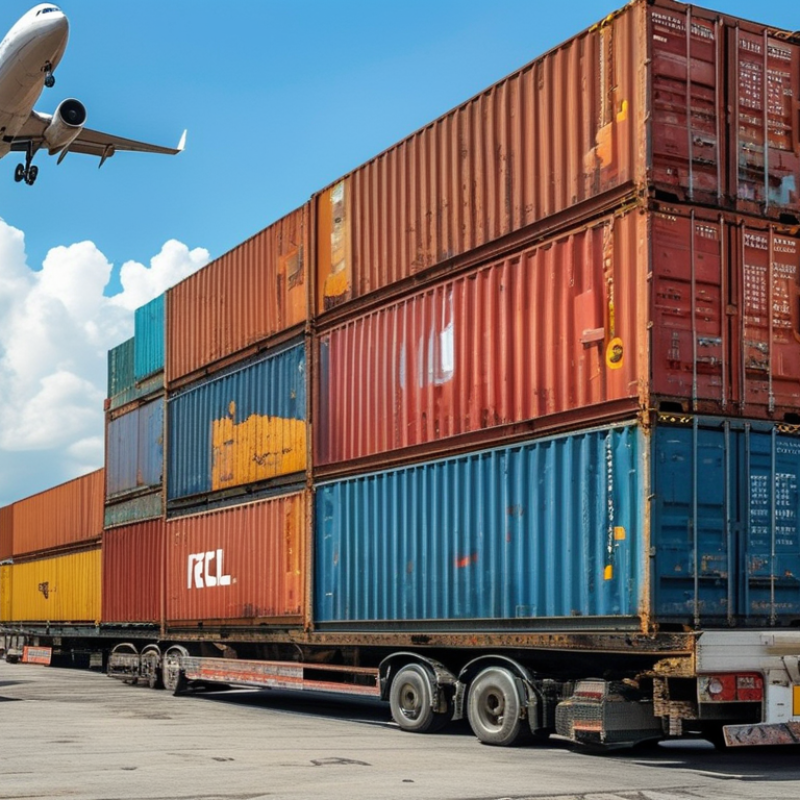
FCL Shipping: Definition and Key Features
FCL (Full Container Load) shipping is a popular method for transporting large volumes of goods. It involves using an entire shipping container for one shipment. This method is ideal for businesses with significant shipping needs, as it offers a range of key features. According to industry reports, around 67% of international shipments use FCL because it is often more cost-effective for bulk shipments.
One major advantage of FCL is reduced transit times. When an entire container is used, it cuts down on handling time and minimizes delays. This simplicity can be crucial for businesses that rely on timely delivery. Furthermore, FCL tends to provide enhanced security. Goods are stored in a locked container, reducing the risk of damage or theft. The World Bank notes that this also results in lower insurance premiums for FCL shipments compared to LCL (Less than Container Load).
However, FCL isn't always the perfect solution. Businesses must consider the upfront costs associated with booking a full container. This can be burdensome, especially for smaller firms or those with fluctuating shipping needs. As a result, it can lead to underutilization of container space if not properly managed. Ensuring that shipments are full can be a challenge, and mistakes lead to wasted resources. Therefore, a careful analysis of shipping needs is essential when choosing FCL.
LCL Shipping: Definition and Key Features
LCL shipping, or Less than Container Load shipping, serves businesses that have smaller cargo volumes. This method allows multiple shipments to share a single container. It’s cost-effective because you only pay for the space you use. This approach can be especially beneficial for small to medium-sized enterprises.
Key features of LCL shipping include flexibility and economical rates. Importers and exporters can consolidate their goods, which reduces costs. However, the shipment process can be less predictable. Delays may occur if other shipments need to be loaded or unloaded. Timing is crucial, and businesses must be prepared for potential fluctuations.
Moreover, LCL requires careful packing to avoid damage. Goods from different shippers are combined, increasing the risk of mishandling. Companies must ensure their items are well-protected. Understanding these factors helps businesses weigh the benefits and drawbacks. LCL shipping is not just a cost issue; it's also about risk management.
Comparative Analysis: FCL vs LCL Costs and Pricing
When considering shipping options, understanding FCL (Full Container Load) and LCL (Less than Container Load) pricing is crucial. FCL involves renting an entire container. This method is often more cost-effective for large shipments. Typically, costs per unit decrease as cargo volume increases. However, dedicated containers can lead to unused space for smaller loads.
On the other hand, LCL allows you to share container space with other shippers. This option can reduce upfront costs for businesses with smaller shipments. Yet, the price per unit is usually higher than FCL. Additional fees may apply for handling and loading, making cost comparisons complex.
Tip: Always calculate the total landed cost when selecting between FCL and LCL. This includes shipping rates, handling fees, and customs duties. Evaluate your shipment size carefully to ensure you're getting the best value.
Tip: Consider transit times as well. While LCL may save money, it can take longer to consolidate shipments. Delays may occur, affecting your supply chain. Balancing cost and efficiency is essential for successful shipping.
Delivery Speed and Reliability: FCL and LCL Shipping
When choosing between FCL (Full Container Load) and LCL (Less than Container Load) shipping, delivery speed and reliability are crucial factors. FCL is generally faster because it involves dedicated containers. Studies show that FCL shipments can be delivered up to 30% faster than LCL shipments. However, this speed often comes with higher costs, making it less ideal for small businesses or startups.
On the other hand, LCL shipping offers more flexibility for smaller shipments. Since multiple shipments share a container, costs are lower. According to industry reports, LCL transport may experience delays due to consolidation and deconsolidation processes. These delays can add 5 to 10 days to transit times, sometimes leading to supply chain disruptions. This inconsistency is essential for businesses that rely on timely deliveries.
Both options have their benefits and drawbacks. FCL provides consistent delivery but at a premium price. Meanwhile, LCL allows cost-effective transport but may sacrifice reliability. Understanding your specific shipping needs will help you choose the best option for your business.
FCL vs LCL Shipping Comparison Table
| Shipping Type |
Delivery Speed |
Cost Effectiveness |
Reliability |
Best For |
| FCL (Full Container Load) |
Faster |
Higher cost per shipment |
Very reliable |
Large quantities or heavy goods |
| LCL (Less than Container Load) |
Slower |
Cost-effective for small shipments |
Moderately reliable |
Small quantities or varied goods |
Factors to Consider When Choosing Between FCL and LCL
When deciding between FCL (Full Container Load) and LCL (Less than Container Load) shipping, various factors need consideration. Understanding your shipping requirements is crucial. FCL is ideal for large shipments. It uses an entire container, reducing handling risks. However, it may be more costly if your cargo doesn’t fill the space.
On the other hand, LCL is suitable for smaller shipments. It allows you to share container space with others. This option can be cost-effective for businesses with limited shipping volumes. However, it typically involves higher handling fees. Also, longer transit times can occur due to consolidation processes.
Tips: Always calculate the total cost of shipping. Sometimes LCL can become more expensive than expected. Consider your timeline. If you need faster delivery, FCL may be the right choice. Analyze your inventory and shipping frequency. If you often ship, FCL might be more efficient in the long run. Always weigh volume against cost to find your best solution.
FAQS
: FCL stands for Full Container Load. It means using an entire container for one shipment.
FCL is often cost-effective for large shipments. It accounts for about 67% of international shipments.
FCL reduces transit times and enhances security. Goods are in a locked container, minimizing theft risk.
Yes, the upfront costs can be high. Smaller businesses might struggle with the expenses.
LCL stands for Less than Container Load. It allows sharing space, which is good for smaller shipments.
Analyze your shipment size and frequency. Consider costs and how quickly you need delivery.
Yes, if the container isn’t fully utilized, it can lead to underuse and wasted costs.
Consider shipping rates, handling fees, and any customs duties to find the total landed cost.
Not necessarily. If shipments are small, LCL might be more efficient due to lower costs.
FCL usually offers faster delivery. LCL may save money but could delay supply chains due to consolidation.
Conclusion
The article "FCL vs LCL Shipping: What Is the Best Choice for You?" delves into the essential aspects of two primary shipping methods: Full Container Load (FCL) and Less than Container Load (LCL). FCL shipping is characterized by dedicated use of an entire container, making it suitable for large shipments, while LCL involves sharing container space with other shipments, making it ideal for smaller loads. A comparative analysis highlights the cost implications and pricing structures of both options, revealing that FCL may offer better economies of scale for larger shipments but could be less cost-effective for smaller ones.
In terms of delivery speed and reliability, FCL typically provides faster transit times due to fewer handling requirements compared to LCL. The article emphasizes the importance of considering various factors when choosing between FCL and LCL, including shipment size, budget, delivery time, and specific logistical needs. Ultimately, understanding what is the difference between FCL and LCL shipping is crucial for making an informed decision that aligns with your business requirements.

 Changi Logistics