How to Package Goods Safely for Ocean Freight Transport?

Time:2026-08-13 Author:Isabella
0%

In the realm of global trade, ensuring the safe transportation of goods via ocean freight is paramount. According to a report by the International Maritime Organization, approximately 90% of world trade is carried by sea. This statistic underscores the necessity of mastering the art of packaging to prevent damage during transit. Experts such as Dr. Emily Chen, a renowned logistics specialist, emphasize, "Effective packaging is crucial for protecting cargo in the unpredictable environment of ocean transport."

Understanding how to package goods safely for ocean freight transport involves more than just using sturdy materials. Proper cushioning, moisture barriers, and correct weight distribution play significant roles. Specialized packaging techniques can reduce incidents of damage, helping businesses save on costs associated with loss and claims. Data indicates that inadequate packaging contributes to 30% of shipment damage reports, highlighting a critical area for improvement.

While many companies follow basic packing guidelines, some still overlook nuances. For instance, using eco-friendly materials can enhance sustainability but may also compromise protection. Finding a balance between safety, cost, and environmental impact presents challenges that necessitate continual refinement. The journey of learning how to package goods safely for ocean freight transport is ongoing, emphasizing the need for expertise and innovation in an evolving industry.
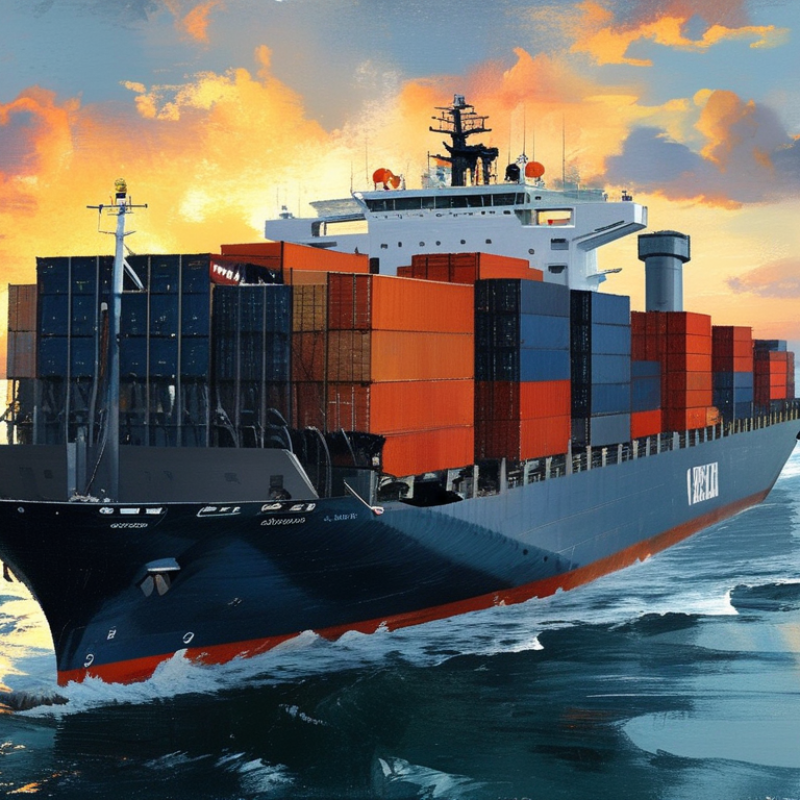
How to Package Goods Safely for Ocean Freight Transport?

Understanding Ocean Freight Transport Requirements

When shipping goods via ocean freight, understanding the transport requirements is crucial. Proper documentation is essential. This includes bills of lading, commercial invoices, and packing lists. Missing documents can lead to delays or fines. You must also declare the type of goods and their value accurately. Transparency helps in avoiding complications during customs clearance.

Packaging is another key aspect. It protects goods from moisture and damage during transit. Use sturdy, waterproof materials. Each item should be cushioned and secured to prevent movement. Consider the weight distribution within containers. Heavy items should sit at the bottom, while lighter goods rest on top.

Finally, comply with international shipping regulations. These can vary by destination. Research specific requirements for hazardous materials or temperature-sensitive items. Incorrect compliance can lead to shipments being rejected. It’s a meticulous process, and oversights may occur. However, attention to detail significantly increases the chances of a smooth transit.

How to Package Goods Safely for Ocean Freight Transport? - Understanding Ocean Freight Transport Requirements

Item Type Packaging Material Recommended Dimensions (cm) Weight Limit (kg) Handling Instructions
Electronics Foam & Corrugated Boxes 30 x 45 x 20 20 Keep upright, avoid moisture
Furniture Wooden Crates 100 x 80 x 200 200 Stack securely, handle with care
Clothing Plastic Bags & Cartons 50 x 40 x 30 15 Do not fold, maintain airflow
Machinery Steel Cases 150 x 120 x 100 500 Use forklifts, secure tight
Perishable Goods Insulated Containers 60 x 40 x 40 25 Keep refrigerated, avoid heat exposure

Choosing the Right Packaging Materials for Ocean Freight

Choosing the right packaging materials for ocean freight is crucial to minimize damage. Around 10% of ocean freight shipments experience damage. This is often due to inadequate packaging. It is essential to select materials that can withstand prolonged exposure to humidity and varying temperatures.

Corrugated cardboard is commonly used for many products. It provides cushioning and is lightweight. However, over time, it can absorb moisture. For heavier items, consider using wooden crates or steel containers. These options offer superior protection against the elements.

Additionally, protective barriers like shrink wrap or stretch film help secure items. They can prevent water damage during transit. Yet, relying solely on plastic wraps may not suffice for fragile goods. Strapping and cushioning materials should also be incorporated for enhanced safety. Research suggests that well-packaged goods reduce the risk of damage by 40%.

Packaging Materials for Ocean Freight Transport

This chart illustrates the usage frequency of different packaging materials for ocean freight transport. Wood and plastic are the most commonly used materials, while glass is used the least. Choosing the right packaging can significantly impact the safety and efficiency of transporting goods across oceans.

Securing Goods for Maximum Protection During Transit

Transporting goods by ocean freight requires careful planning. Securing items properly is essential. Data shows that improper packaging leads to significant loss. A study found that 10% of goods are damaged during transit. This translates to billions in financial losses annually. Ensuring maximum protection not only safeguards cargo but also maintains your reputation.

To enhance security, use high-quality materials. Thick cardboard or wooden crates often provide better cushioning. Employing bubble wrap or foam filler can absorb shocks. Reusable pallets are also a smart choice. They minimize space and enhance stability. According to industry standards, 30% of shipments are at risk due to inadequate packing. This emphasizes the importance of robust protection.

Ensure that all items are secured tightly. Avoid empty spaces inside packaging. This helps prevent movement during shipping. Include warning labels for fragile items. Regularly review and update your packing methods. Continuous improvement is critical. Many companies overlook this aspect, risking unnecessary losses. By prioritizing these strategies, you can significantly reduce damage in transit.

Labeling and Documentation for Ocean Freight Shipments

When preparing for ocean freight shipments, proper labeling and documentation are critical. In 2022, over 80% of global trade by volume was facilitated through maritime transport, according to the International Maritime Organization (IMO). Ensuring accuracy in documentation helps to prevent delays and avoid potential fines. Many companies underestimate the consequences of minor mistakes in shipping labels, which can lead to significant setbacks.

Ensure that all goods are clearly labeled with their contents and handling instructions. Use appropriate materials, like durable, weather-resistant labels. According to the World Shipping Council, more than 6 billion containers were shipped in 2022, highlighting the importance of clear communication between shippers and carriers. This includes having the correct documents, such as the Bill of Lading and commercial invoices, readily available. Missing or inaccurate information can cause items to be held at customs.

Tip: Double-check your labels and documents before shipping. A small error, like a misspelled name, can lead to large disruptions. Training employees on proper labeling procedures can enhance shipment efficiency. It's wise to perform a review process to catch any missteps. Developing a checklist could be beneficial here. Consider how you handle these tasks and be open to improvement. Regular audits of your labeling process can help identify weaknesses, allowing for more reliable shipping practices.

Best Practices for Loading and Handling Packages on Ships

When preparing goods for ocean freight, proper loading and handling are crucial. Ensure that items are securely packed to prevent damage during transit. Use appropriate packaging materials like bubble wrap or foam to cushion fragile items. It's vital to check the weight distribution within the container. An unbalanced load can become a safety risk at sea.

Tips: Always label packages clearly with handling instructions. This can help stevedores understand how to treat fragile items. Additionally, consider using water-resistant materials for sensitive goods. This adds an extra layer of protection.

Ensure that packages are tied down securely inside the shipping container. Strapping and blocking can keep items stable during movement. Regularly inspect the condition of the cargo space. Dust and moisture can compromise goods. Sometimes, oversight leads to damaged shipments that could have been avoided with thorough checks.

FAQS

: Why is proper labeling important for ocean freight shipments?

: Proper labeling prevents delays and fines during shipping. Small mistakes can cause significant setbacks.

What type of labels should I use for shipping?

Use durable, weather-resistant labels for all goods. This ensures readability and reliability.

What should I include in shipping documentation?

Include a Bill of Lading and commercial invoices. Missing information can hold items at customs.

How can I avoid mistakes in labeling?

Double-check all labels and documents before shipping. A small error can lead to large disruptions.

What is the best way to pack fragile items?

Use bubble wrap or foam to cushion fragile items. Securely pack them to prevent damage during transit.

How can I ensure safe loading of cargo?

Check weight distribution in the container. An unbalanced load can pose safety risks during shipping.

Why are handling instructions important?

Clear handling instructions help workers understand how to treat fragile packages, preventing damage.

What materials are recommended for sensitive goods?

Water-resistant materials offer added protection for sensitive items during transportation.

What should I regularly inspect before shipping?

Regularly inspect the cargo space for dust and moisture. This helps prevent potential damage to goods.

How can I improve my shipping process?

Conduct regular audits and consider developing a checklist. Reflecting on procedures can reveal areas for improvement.

Conclusion

When considering how to package goods safely for ocean freight transport, it’s crucial to understand the specific requirements associated with this mode of shipping. Begin by selecting appropriate packaging materials that not only protect your goods from the effects of moisture and saltwater but also comply with international shipping standards. Securing items effectively within the packaging is essential to minimize movement during transit, thereby enhancing safety.

Additionally, proper labeling and documentation play a key role in ensuring smooth transport. Clearly marked packages with relevant shipping information streamline processes and prevent delays. Finally, adhering to best practices for loading and handling packages on ships helps safeguard your goods from potential damage. By following these guidelines, you can significantly improve the safety and reliability of your ocean freight shipments.

Isabella

Isabella

Isabella is a dedicated marketing professional with a sharp focus on driving brand growth and engagement through strategic content creation. With an extensive background in digital marketing, she combines her passion for storytelling with her keen understanding of industry trends to deliver......