How to Resolve Why Is My Amazon FBA Shipment Stuck in Customs?

Time:2026-06-24 Author:Liam
0%

Experiencing delays in shipping can be frustrating, especially when you're left wondering, "why is my Amazon FBA shipment stuck in customs?" Customs processes can be complex and sometimes unpredictable. Many sellers face this hurdle, leading to anxiety and potential losses in sales.

Several factors may contribute to customs delays. Inaccurate paperwork, missing documentation, and improper labeling can all lead to extended hold times. Additionally, changes in import regulations or heightened inspection standards can complicate the situation further. These complexities highlight the importance of understanding customs requirements thoroughly.

It’s essential to stay informed and proactive. Track your shipment regularly and maintain clear communication with your freight forwarder or customs broker. Knowing the potential pitfalls can help you navigate this process more effectively. Rather than despairing, use this time to ensure that future shipments are compliant, reducing the risk of delays.
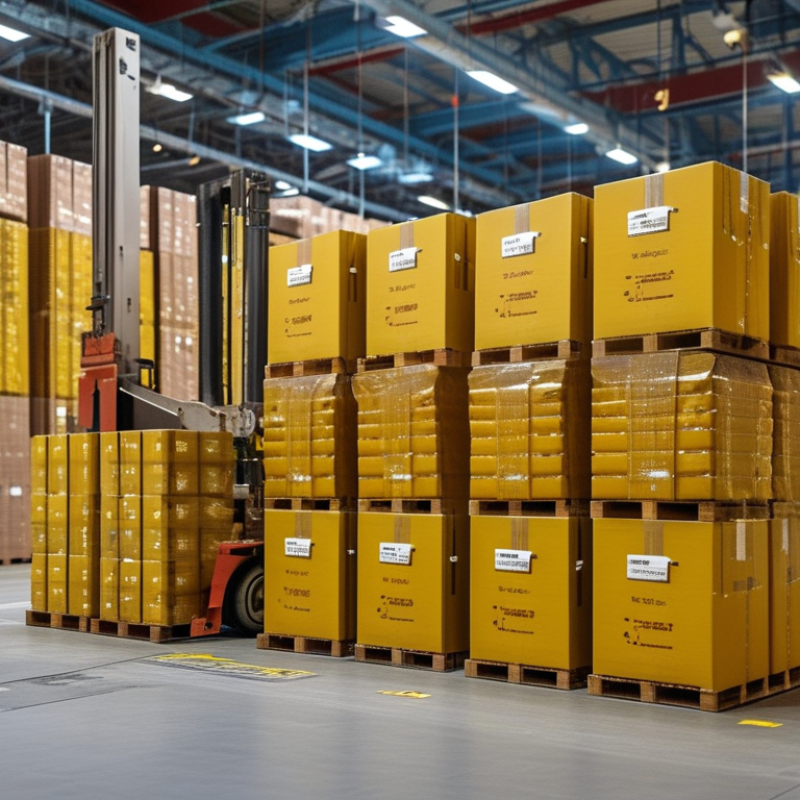
How to Resolve Why Is My Amazon FBA Shipment Stuck in Customs?

Understanding the Customs Process for Amazon FBA Shipments

Navigating the customs process for Amazon FBA shipments can be challenging. Understanding how customs operates is essential for clearing your products. Each shipment goes through various checks, which may cause delays. A lack of proper documentation often leads to items getting stuck.

Ensure your paperwork is complete. Missing invoices or inaccurate descriptions can raise red flags. Make it a point to double-check all documents before shipping. Timeliness is crucial. Delays often happen during peak seasons. Customs may hold items longer due to increased volume.

Tips: To expedite the customs process, consider hiring a customs broker. Their expertise can help navigate regulations. Stay informed about customs policies in your destination country. Knowledge can prevent potential pitfalls. Regularly check shipment status updates. This proactive approach can save time and reduce anxiety.

Common Reasons for Shipment Delays in Customs

When dealing with Amazon FBA shipments, customs delays can be frustrating. Understanding common reasons for these delays can help you navigate the situation effectively. One typical cause is incomplete paperwork. If your shipment lacks proper documentation, customs can hold it for clarification. Always double-check your invoices and shipping documents to avoid this issue.

Another frequent reason for delays is issues related to duties and taxes. Customs may require additional fees if the shipment value is not accurately declared. Inaccurate value declarations can lead to unexpected detentions. Ensure the values you declare are precise and supported by documentation.

Sometimes, customs may choose to inspect a shipment randomly. This can delay clearance and disrupt planned delivery schedules. While this is beyond your control, staying informed can help you manage expectations. Regularly checking your shipment's status will keep you updated on any changes or required actions.

Steps to Take When Your Shipment Is Stuck in Customs

When your Amazon FBA shipment is stuck in customs, it's vital to understand the options available to you. Customs delays can occur for various reasons. A common issue is incomplete or incorrect documentation. According to a report by the World Bank, around 70% of international shipments face delays due to paperwork issues. The importance of clear and accurate documentation cannot be stressed enough. Ensure that your invoices and packing lists are thorough.

Contacting customs directly is a crucial step. This communication can clarify the reasons for the delay. Be prepared to provide additional information if required. In many cases, just a simple inquiry can speed up the resolution. Additionally, utilizing a customs broker can enhance your chances of success. Reports indicate that businesses using brokers have a 30% lower chance of facing delays than those who handle customs independently.

Monitoring your shipments through tracking systems can also offer insights into the status. Occasionally, shipments remain in customs longer than anticipated. A lack of proactive tracking may contribute to missed deadlines. Understanding customs regulations is key, as they vary from country to country. Staying informed about these can help avoid future pitfalls.

Evaluate your processes regularly to enhance efficiency. Addressing these aspects can prevent recurring issues with customs delays.

How to Communicate with Customs for Efficient Resolution

When your Amazon FBA shipment is stuck in customs, communication becomes vital. Understanding customs regulations is essential. Familiarize yourself with the import rules for your specific products. Read through the documentation required for shipment clearance. This prepares you for discussions with customs officials.

Reach out to customs with clear questions. Provide detailed information about your shipment. Include tracking numbers, item descriptions, and the nature of delays. Use simple language to avoid misunderstandings. Always be polite yet firm in your inquiries. Customs officials deal with many shipments daily; your clarity can expedite the process.

Consider using a customs broker if direct communication proves difficult. Brokers have expertise in navigating customs processes. They can handle paperwork efficiently. However, this option involves additional costs. Evaluate it against potential delays in your shipment. Reflecting on these aspects can help you make informed decisions in the future.

Reasons for Customs Delays in Amazon FBA Shipments

Preventive Measures to Avoid Customs Issues in Future Shipments

When dealing with Amazon FBA shipments, customs can often be a hurdle. To minimize the risk of delays, ensure your documentation is accurate. Mislabeling or incomplete forms frequently leads to customs issues. Every item should have a detailed description. This helps customs officers assess the contents smoothly.

Another preventive measure involves understanding regional regulations. Each country has its import rules. Familiarize yourself with these to avoid unexpected holdups. Researching tariff classifications properly can save you from penalties. Additionally, proper packaging can reduce scrutiny. Use materials that meet both shipping and customs standards.

Consider speaking with customs brokers. Their expertise can guide you through the requirements. Even simple oversights can lead to shipment stands. Keeping open communication with your shipping provider is essential too. Monitoring shipment status regularly can help identify problems early. Reflecting on past shipments can offer insights into potential pitfalls.

How to Resolve Why Is My Amazon FBA Shipment Stuck in Customs? - Preventive Measures to Avoid Customs Issues in Future Shipments

Issue Description Preventive Measure
Incomplete Documentation Shipments without necessary customs documentation can be delayed. Ensure all paperwork is complete and accurate before shipping.
Incorrect Harmonized Codes Using incorrect customs codes can lead to seizures and delays. Research and use the correct codes for your products.
Unpaid Duties and Taxes Shipments can be held if required duties and taxes are unpaid. Calculate and pay all applicable duties and taxes in advance.
High Risk of Inspection Some products may be flagged for inspection due to their nature. Choose shipping routes and methods that minimize inspection risk.
Inaccurate Product Valuation Under or overvalued shipments can result in complaints and delays. Provide accurate and transparent product valuations on customs forms.

FAQS

: What causes shipment delays in customs?

: Common causes include incomplete paperwork and issues with declared values. Proper documentation is crucial to avoid these issues.

How can incomplete paperwork affect my shipment?

If documents are missing or incorrect, customs may hold the shipment for clarification. Always double-check your invoices.

What should I do if my shipment is stuck in customs?

Contact customs directly to clarify the delay. Be ready to provide additional information if needed.

Why is accurate value declaration important?

Inaccurate declarations can lead to unexpected duties and delays. Always ensure values are precisely documented.

How can I monitor my shipment status effectively?

Use tracking systems regularly. This helps identify any delays early and allows you to act promptly.

How can I prevent customs issues in future shipments?

Ensure accurate documentation and understand regional regulations. Proper packaging can also reduce scrutiny from customs.

What role do customs brokers play in avoiding delays?

Customs brokers provide expertise and can help with compliance. Using them can significantly lower the chances of delays.

How often should I review my shipment processes?

Regular evaluation can help identify recurrent issues. Reflecting on past shipments offers valuable insights for improvement.

What should I include in item descriptions?

Each item must have a detailed description. This facilitates smooth customs assessment during inspections.

Can random inspections affect my delivery schedule?

Yes, random inspections can delay clearance times. Staying informed helps manage expectations during these situations.

Conclusion

When dealing with the question of "why is my Amazon FBA shipment stuck in customs," it's essential to understand the customs process that applies to these types of shipments. There are various common reasons for delays, such as incomplete documentation, misclassification of goods, or issues with duties and taxes. Knowing these factors can help sellers anticipate potential problems.

If a shipment does become stuck, there are specific steps to take to resolve the situation, including reaching out to customs for clarification and ensuring all required paperwork is accurate. Additionally, maintaining open communication with customs officials can lead to a more efficient resolution of issues. To prevent future customs delays, sellers should adopt preventive measures like thorough documentation and proper classification of goods before shipment. By understanding and addressing these aspects, sellers can better navigate customs and minimize disruptions in their supply chain.

Liam

Liam

Liam is a dedicated marketing professional with a profound expertise in the industry, where he excels at highlighting the unique advantages of our core products. With a keen understanding of market trends and consumer needs, Liam frequently updates our company’s professional blog, providing......