What Happens If Your Freight Container Is Damaged at Sea?

Time:2026-10-17 Author:Henry
0%

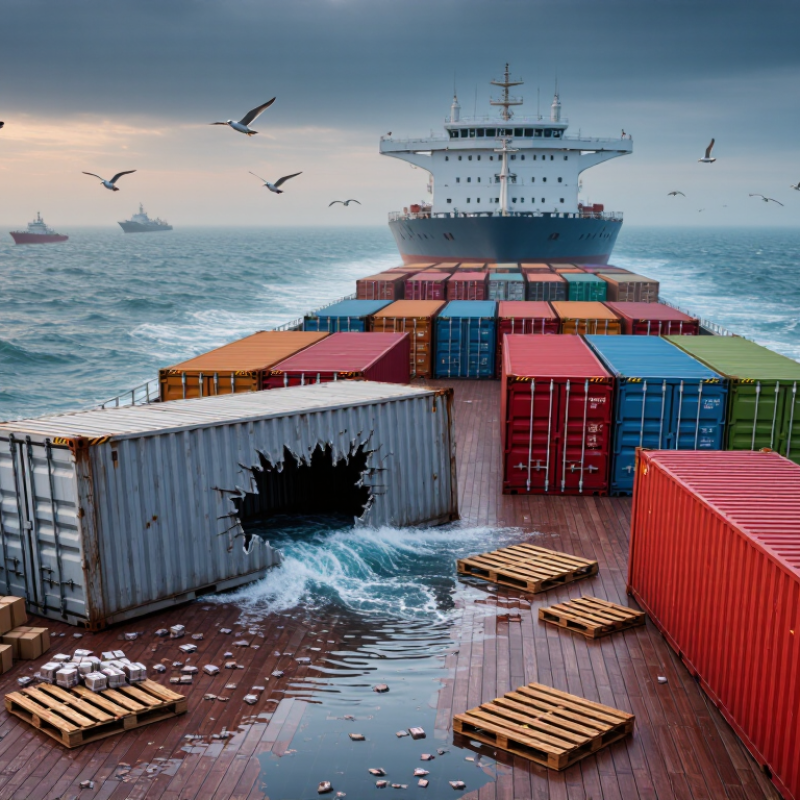
When a freight container is damaged at sea, the consequences can extend far beyond a dented wall or wet carton. Cargo may shift, seawater may enter through damaged doors, and temperature-sensitive goods can lose their commercial value. So, what happens if my freight container gets damaged at sea? The answer depends on the damage, the cargo, the shipping contract, and the evidence collected after discharge.

Industry data shows that serious incidents are uncommon, but they remain operationally significant. The World Shipping Council’s Containers Lost at Sea Report 2024 recorded 576 containers lost overboard in 2023, from approximately 221 million transported containers. That equals about 0.0003 percent, yet each loss can affect supply chains, insurance claims, and customer commitments. Allianz Commercial’s Safety and Shipping Review 2024 also reported eight total losses of large ships in 2023. The figure was historically low, but it does not remove the risk of cargo damage.

The practical response usually begins at the destination terminal. Photograph the container before opening it. Record seal numbers, visible punctures, water marks, broken pallets, and unusual odors. Ask the carrier or terminal to note exceptions on the delivery receipt. Do not discard damaged packaging too quickly. A surveyor may need it. Claims handling can become difficult when evidence is incomplete, and this is where many otherwise reasonable cases weaken. Carrier terms, cargo insurance, packing quality, and handling records must be reviewed together. The process is rarely neat. Accurate records matter. Professional advice from a marine surveyor, freight forwarder, or claims specialist can help establish what happened and what should happen next.
What Happens If Your Freight Container Is Damaged at Sea?

How Freight Container Damage Is Identified at Sea

What Happens If Your Freight Container Is Damaged at Sea?

How Freight Container Damage Is Identified at Sea

Container damage at sea is often identified during routine deck inspections or after severe weather. Crew members look for bent corner posts, torn panels, broken locking bars, and shifted doors. Water stains near the roof or floor may reveal hidden leakage. A damaged seal can also raise concern, although it does not prove cargo loss.

The condition should be recorded carefully. Officers may take clear photographs, note the container number, and compare the damage with earlier loading records. The vessel’s position, weather conditions, and inspection time add useful context. A loose lash, unusual movement, or a sharp metallic sound can indicate trouble before visible damage appears. However, early reports are not always complete. Poor lighting can hide cracks, and a photograph may show the wrong angle. That is why a qualified marine surveyor may need to review the evidence later.

Tips: Do not open a visibly unstable container. Keep people away from leaking or tilted units. Photograph seals, doors, corners, and nearby lashings from a safe distance. Record observations immediately, even when details seem minor. Keep original images and inspection notes together. Small omissions can weaken a damage assessment.

What Happens If Your Freight Container Is Damaged at Sea?

How freight container damage is identified at sea using nominal structural reference dimensions.

During an onboard inspection, crews check corner castings, posts, rails, doors, walls and the roof for distortion, cracking, holes, water ingress or displaced fittings. The chart shows nominal external dimensions for standard dry containers; visible deformation or misalignment against these reference dimensions can indicate structural damage and trigger isolation, documentation and further inspection.

Reference basis: ISO 668 nominal dimensions for standard freight containers. Actual internal dimensions and allowable damage limits vary by container design and inspection requirements.

Who Is Responsible for the Damaged Container

What Happens If Your Freight Container Is Damaged at Sea?

Responsibility depends on when, where, and why the damage happened. The carrier may be responsible for rough handling, poor stowage, or an unseaworthy vessel. However, the shipper may bear the loss when weak packaging, incorrect weight details, or poor internal bracing caused the damage. A terminal operator can also become involved if the container was damaged during lifting or storage.

The World Shipping Council reported 221 containers lost at sea in 2023, compared with 661 in 2022. This figure represents about 0.0002% of the 113 million containers transported that year. The risk is small, but one damaged shipment can still create a serious commercial dispute. The bill of lading, inspection records, loading photographs, and seal history often decide the outcome. Insurance terms matter too. In practice, responsibility is rarely obvious. The paperwork may be incomplete.

Tips: Photograph the container before opening it. Record the seal number and visible dents. Ask for a joint survey quickly. Keep damaged packaging untouched when possible. Notify the carrier and insurer within the stated contract deadline. Do not discard wet cartons or broken pallets. They may show how the damage occurred. Also compare the declared cargo weight with the verified weight. Small inconsistencies can weaken a claim. Rules vary by contract and route, so professional cargo advice is sensible.

How the Damage Is Documented and Reported

When a freight container is damaged at sea, accurate reporting becomes the shipper’s strongest evidence. Record the container number, seal number, voyage, and visible damage immediately. Photograph bent doors, crushed corners, water stains, torn packaging, and exposed cargo. Include a scale, timestamp, and wide view when possible.

The World Shipping Council’s Containers Lost at Sea Report 2024 recorded 576 containers lost overboard in 2023. Most incidents never reach that scale, but smaller damage still creates serious disputes.

Ask the terminal or carrier for an Equipment Interchange Receipt and an incident report. Request a joint inspection with an independent marine surveyor. Note whether the seal was intact, who attended, and when the inspection occurred.

Keep the bill of lading, packing records, loading photographs, temperature logs, and email notices together. A missing document can weaken an otherwise valid claim. This is where many teams become careless.

Tips: Report visible damage before accepting delivery, and write “damaged, subject to inspection” on the delivery record when appropriate. Do not discard wet cartons or broken securing materials. Preserve them as evidence. Notify the cargo insurer and relevant transport parties promptly, following the contract and applicable time limits. The exact notice period can vary. Check the governing documents, not assumptions. A short, factual timeline is usually more useful than an emotional complaint. Mistakes happen, especially during rushed discharge operations. Recheck every number.

How Cargo Claims and Insurance Investigations Proceed

What Happens If Your Freight Container Is Damaged at Sea?

How Cargo Claims and Insurance Investigations Proceed

When a damaged container reaches port, the investigation usually begins with evidence. Inspect the container before moving it, if safety permits. Photograph crushed corners, torn packaging, water marks, and the seal number. A wet carton may show seawater, condensation, or internal leakage. These causes require different assessments. Notify the carrier, insurer, and relevant logistics parties promptly. Delays can weaken a claim, even when the damage is genuine.

An independent surveyor may examine the container, cargo, stowage, and handling records. Investigators compare the loading condition with discharge photographs, inspection reports, bills of lading, and temperature data. They may also review weather records and container tracking events. The key question is causation: when, where, and how did the loss occur? Insurance coverage depends on the policy wording, exclusions, deductibles, and the insured’s responsibilities. Liability may also depend on transport terms and evidence of proper packing.

Tips: Keep damaged goods untouched when possible. Separate wet cartons from dry stock. Record quantities, not only visible damage. Save invoices, packing lists, repair estimates, and survey reports. A clear timeline helps. Still, real claims are rarely perfect. A missing photograph or incomplete handover record can create doubt. Avoid discarding packaging before the insurer or surveyor gives instructions. If the loss is substantial, obtain professional claims advice early, because a quick repair decision may affect recovery rights.

What Happens to the Cargo After the Container Reaches Port

When a damaged freight container reaches port, the cargo usually does not continue directly to its destination. Terminal staff first isolate the unit and check visible risks, such as leaking liquid, crushed doors, wet cartons, or a tilted frame. A surveyor may photograph the seal, container floor, packaging, and cargo condition. The carrier, terminal operator, cargo owner, and insurer then compare their records.

Documentation matters.

The World Shipping Council’s 2024 Containers Lost at Sea report recorded 221 containers lost overboard in 2023. Most damaged cargo, however, arrives at port with less dramatic signs: saltwater stains, hidden mould, broken pallets, or shifted machinery. The container may be opened under controlled conditions. Cargo is counted, separated, dried, repacked, or moved into temporary storage. Dangerous physical conditions, such as unstable loads or damaged batteries, require specialist handling and may delay release.

Customs and port authorities can place the shipment on hold while inspections continue. A survey report normally records the container number, seal condition, estimated damage, handling costs, and likely cause. Insurance decisions often depend on this evidence and the original packing records. The UNCTAD Review of Maritime Transport 2024 also highlights how port congestion and schedule disruption can extend cargo dwell times.

A practical weakness remains. Early photographs may miss internal moisture damage. Owners should request inspection quickly, preserve packaging, and avoid discarding damaged goods before approval. Some claims fail because evidence was removed too soon. That is an expensive lesson.

What Happens If Your Freight Container Is Damaged at Sea? - What Happens to the Cargo After the Container Reaches Port
Stage What Usually Happens Immediate Checks Key Evidence and Documents Possible Cargo Outcome Typical Risk Level
1. Damage Reported at Sea The vessel operator or crew records visible damage, such as a dented container, broken door, water ingress, shifted cargo, or loss overboard. Confirm the container number, seal condition, location of the damage, weather conditions, and whether the cargo remains secured. Incident report, deck log, photographs, container number, seal number, and relevant stowage information. The container may remain on the vessel, be moved to a safer position, or be handled under emergency procedures. Medium
2. Arrival at the Port The container is discharged subject to terminal safety rules. A visibly unsafe unit may be isolated instead of entering the normal delivery flow. Inspect structural condition, doors, locking bars, floor, roof, corner posts, refrigeration equipment, and signs of leakage or hazardous exposure. Discharge record, terminal inspection notes, photographs, seal record, and arrival condition report. Cargo may be released normally, held for inspection, or transferred to a secure inspection area. Medium
3. Seal and External Inspection Port personnel compare the physical seal and container identification with the transport documents. A missing, broken, or mismatched seal can trigger additional controls. Check for unauthorized access, tampering, visible wetness, odor, staining, bulging packages, and temperature deviations where applicable. Seal discrepancy record, gate or interchange report, photographs, and written notification to the cargo interests. The cargo may remain sealed, be opened under controlled conditions, or be referred to customs or other authorities. High
4. Customs and Regulatory Hold Authorities may hold the container when damage affects security, documentation, cargo identity, valuation, safety, or compliance requirements. Verify the commercial invoice, packing list, transport document, import permits, declarations, and any required safety information. Customs notices, inspection orders, declarations, cargo descriptions, and authority release instructions. Delivery is delayed until the inspection or document review is completed. Additional examination costs may arise. High
5. Controlled Unloading or Survey A surveyor, terminal team, carrier representative, insurer representative, or other authorized party may inspect and document the cargo condition. Record package counts, wet or crushed units, contamination, temperature history, internal bracing, and the condition of neighboring cargo. Survey report, detailed photographs, tally sheet, temperature records, laboratory results, and signed statements. Undamaged goods may be separated from damaged goods. Some items may require repacking, cleaning, quarantine, or disposal. High
6. Cargo Classification The cargo is generally assessed as sound, partially damaged, totally damaged, contaminated, short, or physically present but commercially unusable. Compare the inspected quantity and condition with the packing list, transport documents, purchase specifications, and any agreed acceptance criteria. Damage assessment, shortage report, inspection photographs, disposal certificate if applicable, and repair or repacking estimates. Goods may be delivered, repaired, reconditioned, sold at salvage value, returned, or destroyed when recovery is not practical or safe. Medium
7. Notice of Loss or Damage The cargo interest should notify the relevant transport and insurance parties promptly, following the applicable contract and local legal requirements. Preserve packaging and damaged goods, avoid unnecessary disposal, and document when and how the damage was discovered. Written claim notice, transport document, commercial invoice, packing list, photographs, survey report, and proof of value. Failure to preserve evidence or provide timely notice can make investigation and recovery more difficult. High
8. Liability and Insurance Review Responsibility is assessed under the transport contract, applicable maritime law, cargo insurance terms, and the facts surrounding the loss. Determine whether the damage resulted from sea peril, poor packing, inherent vice, inadequate securing, handling, delay, temperature failure, or another cause. Transport contract, insurance policy, survey evidence, handling records, weather information, and correspondence among the parties. Payment, repair costs, partial settlement, rejection of a claim, or further investigation may follow. Coverage depends on the policy and facts. Medium
9. Delivery Decision Once authorities and responsible parties approve the next step, the cargo is delivered, reworked, returned, or placed into a formal disposal or salvage process. Confirm release status, destination, handling instructions, remaining quantity, and whether special transport or storage is required. Release order, delivery receipt, amended cargo tally, repair authorization, or disposal approval. Delivery may occur in full, in part, after repacking, or with reservations noted on the delivery receipt. Low
10. Final Claim Resolution The parties reconcile the documented loss, related costs, salvage value, and any agreed compensation or recovery. Verify final quantities, invoices, mitigation expenses, storage and inspection charges, and any recovered value. Final claim file, settlement agreement, payment record, cost invoices, and closing survey documentation. The file is closed after settlement, rejection, recovery action, or completion of the agreed corrective measures. Low

FAQS

Who may be responsible for a damaged freight container?

Responsibility depends on when, where, and why the damage occurred. The carrier may be responsible for rough handling, poor stowage, or an unsafe vessel. The shipper may be responsible for weak packaging or incorrect weight details. A terminal operator may share responsibility for lifting or storage damage.

What should I do when a damaged container reaches port?

Photograph the container before opening it, if conditions are safe. Record dents, water marks, the container number, and the seal number. Request a joint inspection quickly. Do not move everything too soon.

Why is the seal number important?

The seal can show whether the container remained closed during transport. Compare the recorded seal with shipping documents and arrival photographs. A broken or changed seal may require closer investigation. But a seal alone proves little.

What evidence helps support a cargo damage claim?

Useful evidence includes photographs, loading records, bills of lading, and inspection reports. Keep damaged cartons, broken pallets, invoices, packing lists, and repair estimates. Record damaged quantities, not only visible defects. Small details matter.

How is the cause of cargo damage investigated?

An independent surveyor may inspect the container, cargo, packaging, and stowage. Investigators compare loading conditions with discharge photographs and handling records. They may review weather information, tracking events, and temperature data. The central question is simple: when, where, and how did the damage happen?

What happens to damaged cargo after arrival?

Terminal staff may isolate the container and check for leaking liquids or unstable cargo. The cargo can be counted, separated, dried, repacked, or moved into temporary storage. Wet cartons may show seawater, condensation, or internal leakage. Those causes are not identical.

Can customs or port inspections delay cargo release?

Yes. Authorities may hold the shipment while safety and condition checks continue. Damaged batteries, tilted loads, or leaking materials may require specialist handling. Port congestion can extend storage time. Delays may increase handling costs.

When should the carrier and insurer be notified?

Notify them promptly, following the contract or policy deadline. Delays can weaken a genuine claim. Preserve the packaging until instructions arrive. A quick repair may affect recovery rights.

Conclusion

When a freight container is damaged at sea, the crew or carrier may first identify the problem through inspections, reports from the vessel, or signs such as water intrusion, shifting cargo, structural dents, or broken seals. What happens if my freight container gets damaged at sea depends on the cause, the extent of the damage, and the available shipping records. Responsibility may involve the carrier, terminal, equipment provider, or another party connected to handling and transport, so the facts must be carefully reviewed.

The damage is typically documented with photographs, inspection notes, seal details, cargo descriptions, and statements from those who handled the container. After the vessel reaches port, the container may be placed in a secure area for further examination. An insurer or claims representative can then compare the evidence with shipping documents and coverage terms. Depending on the condition of the cargo, it may be released, repaired, repacked, held for inspection, or assessed for loss. Clear records and prompt notification help support an accurate investigation and an orderly claims process.

Henry

Henry

Henry is a dedicated marketing professional with a profound expertise in the company's offerings. With years of experience in the industry, he possesses an impressive understanding of the market dynamics and consumer behaviors that drive success. Henry is committed to sharing his insights through......