Deploying resilient equipment configurations, multi-temperature enclosures, and precision mechanical protection to secure high-value supply lines worldwide.


Modern global logistics operates under continuous environmental, physical, and geopolitical stressors. The demand for cargo resilience has shifted from basic structural packaging to a multi-dimensional system architecture. Procurement departments in multinational enterprises look for hardware reliability integrated with seamless, digitally optimized supply chain routes. In regions prone to sudden logistics friction, physical resilience components—such as structural dampening steel elements, high-efficiency insulation panels, and custom-reinforced transport containers—prevent product degradation, chemical spills, and high-value cargo failure.
Operational Intent Definition: In the context of industrial supply chains, "Cargo Resilience" refers to the ability of freight containers, transport assets, and logistical tracking architectures to maintain structural, thermal, and mechanical integrity despite transport shocks, ambient temperature swings, and prolonged transit periods.
Deploying shock-absorbing steel transport frames, robust structural assemblies, and certified container components that mitigate heavy road vibrations and high G-force ocean transits.
Utilizing high-performance Polyurethane (PU) panel insulation and phase-change materials for multi-temperature cold chain logistics, preserving biological and pharmaceutical compounds.
Combining structural hardware resilience with digital route optimization, customized 3PL warehousing protocols, and advanced tracking to eliminate regional bottlenecks.
Established in 2018, Guangdong Changi Logistics Co., Ltd. has rapidly emerged as a leading, comprehensive supply chain solutions provider, integrating precision logistics infrastructure with international forwarding expertise. The company specialized in designing and executing end-to-end supply chain systems for demanding global trade markets, particularly focusing on cross-border e-commerce and heavy-duty industrial shipping requirements.
Our core solutions span across international maritime shipping, air express delivery, rail cargo corridors, warehousing logistics, custom brokerage, and customized transport hardware application. Operating with a robust global agency network and advanced digital tracking, we deliver resilient, cost-effective, and highly predictable distribution paths for clients worldwide.
Logistics is fundamentally more than moving items from point A to point B—it represents the critical physical and operational infrastructure that secures global commerce. Our strategy marries physical equipment structural integrity (such as reefer box assembly and chemical transport structures) with optimized customs clearance and localized last-mile delivery services.
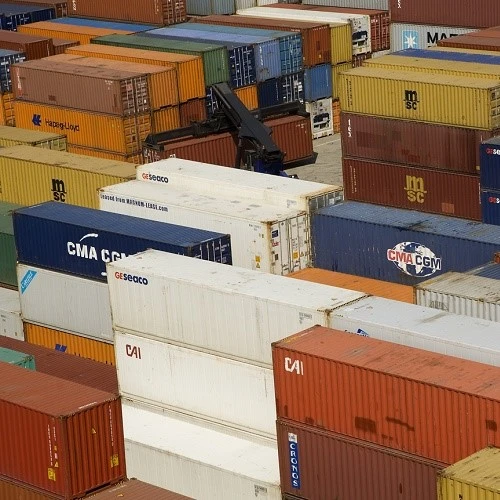
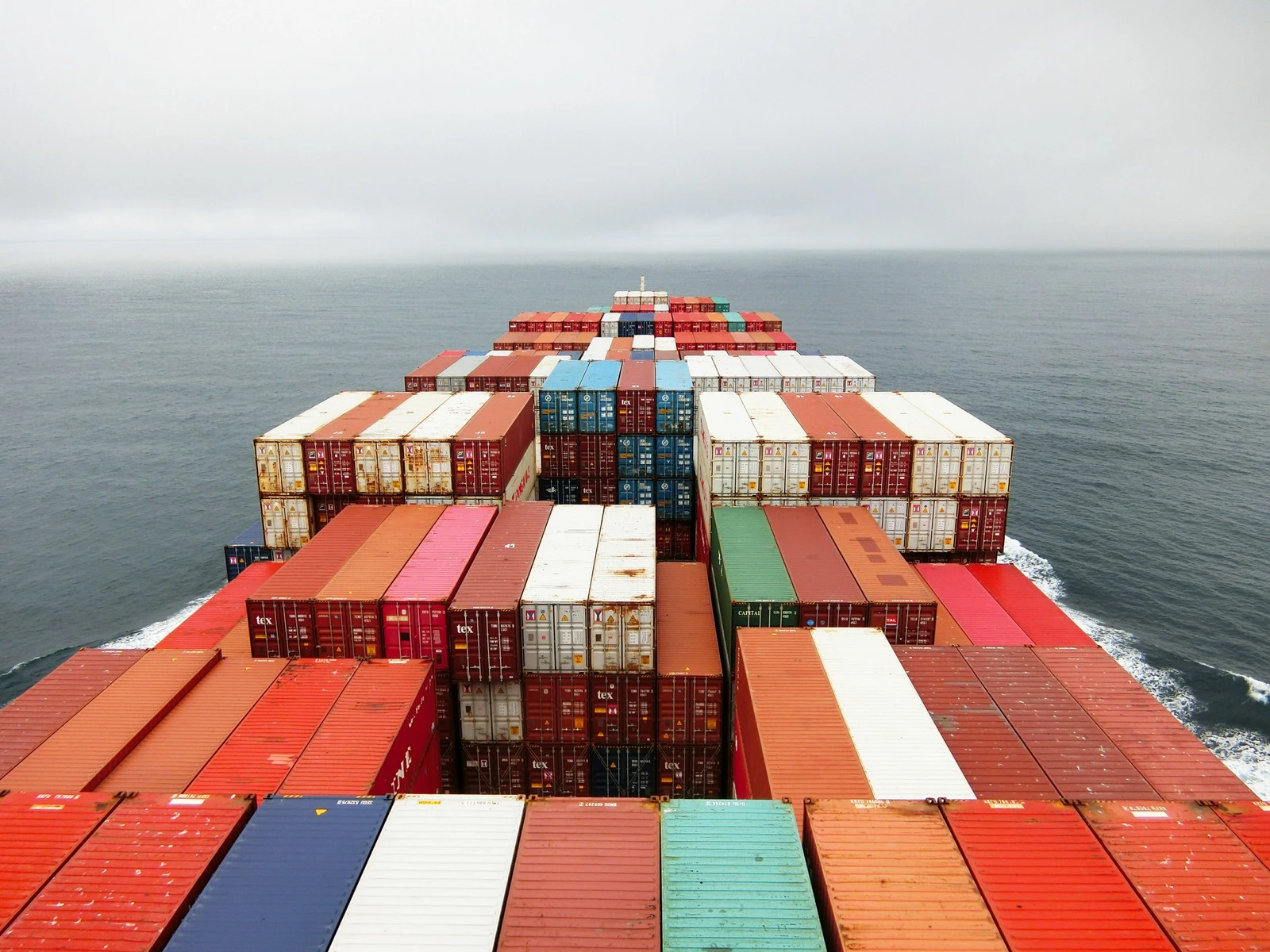
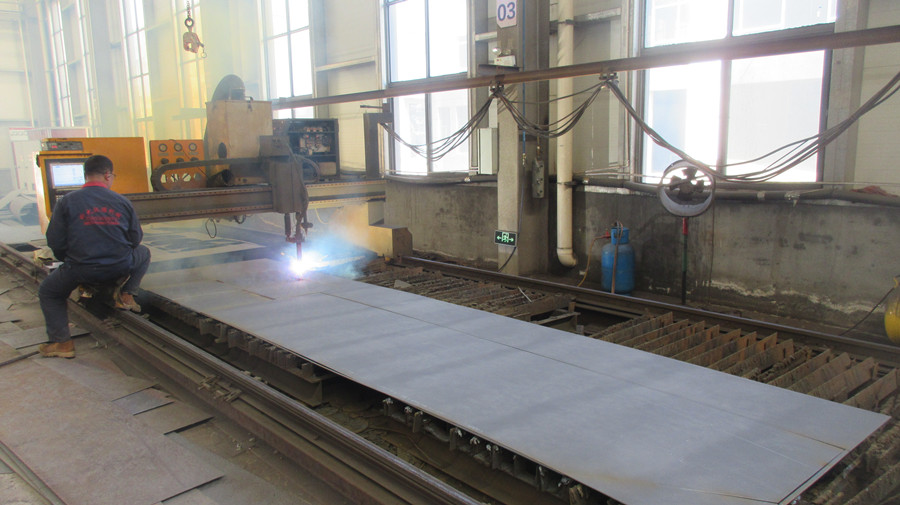
Our strategic manufacturing facilities ensure cargo resilience at the source. We utilize precision mechanical processing, structural steel fabrication, and rigorous quality testing to construct durable shipping containers and vehicle chassis components.
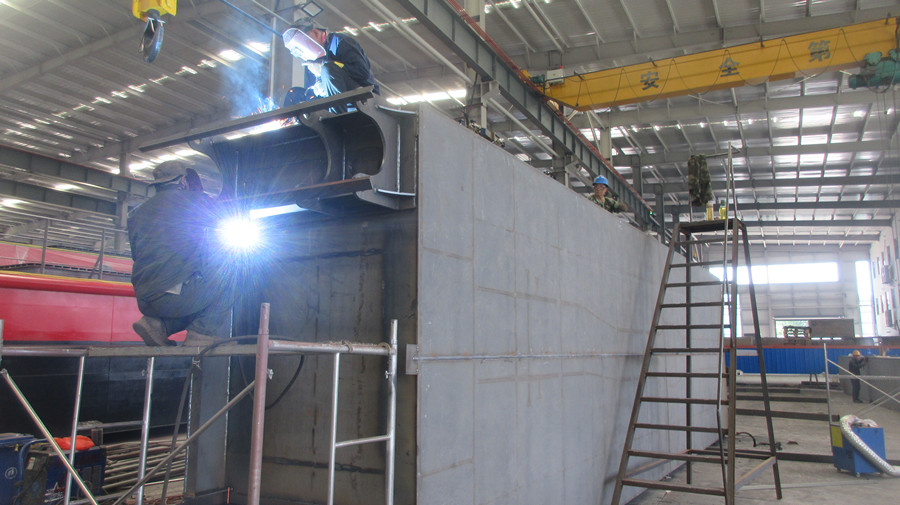
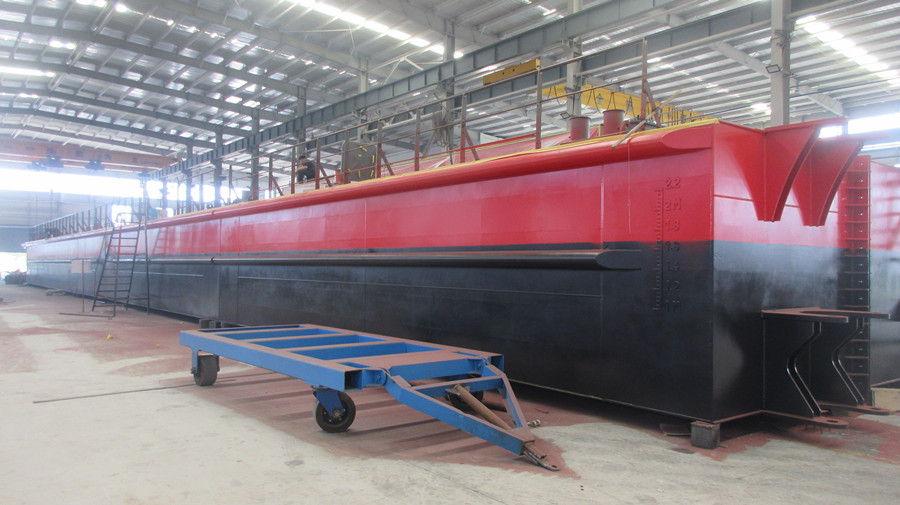
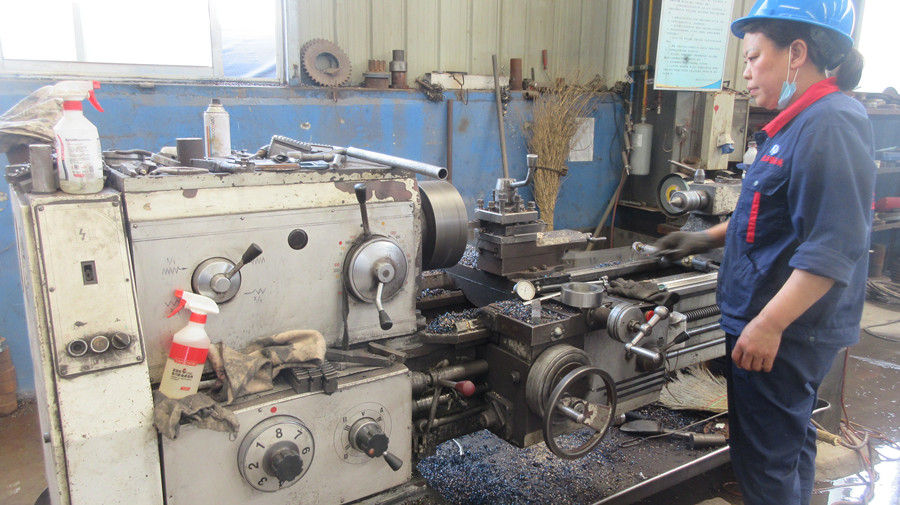
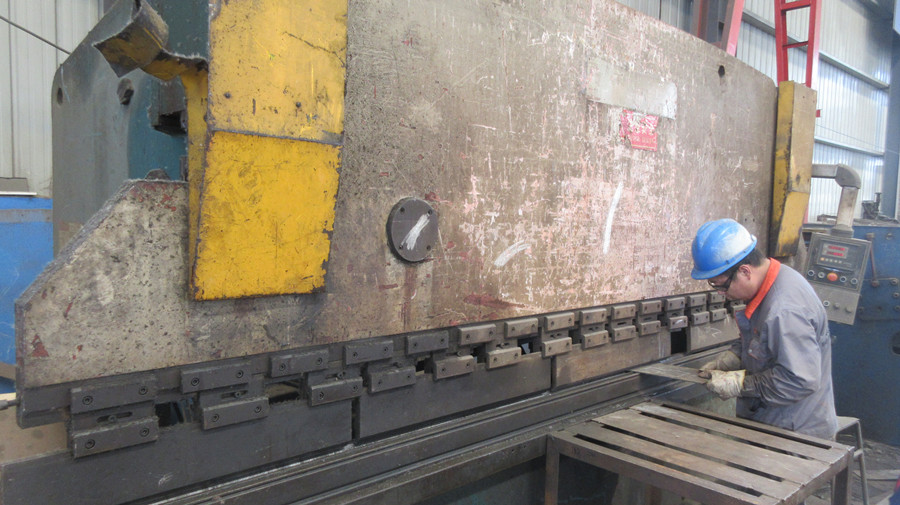
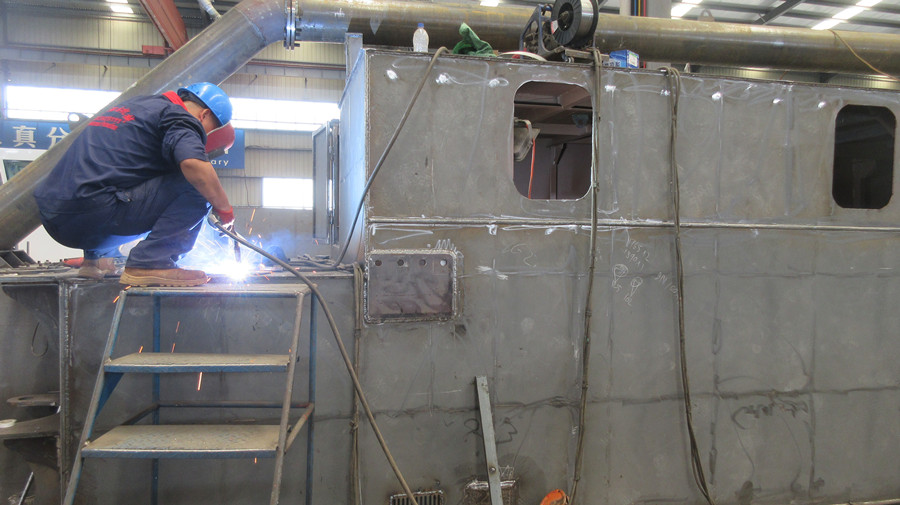
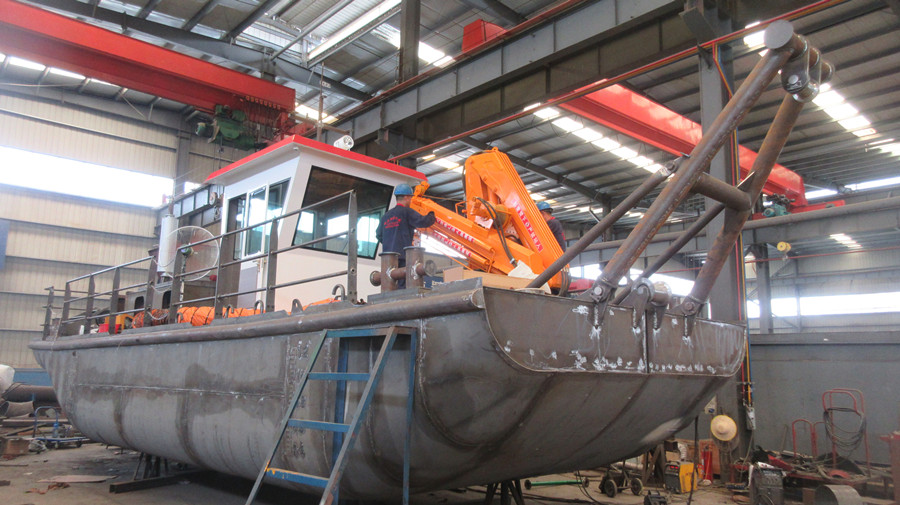
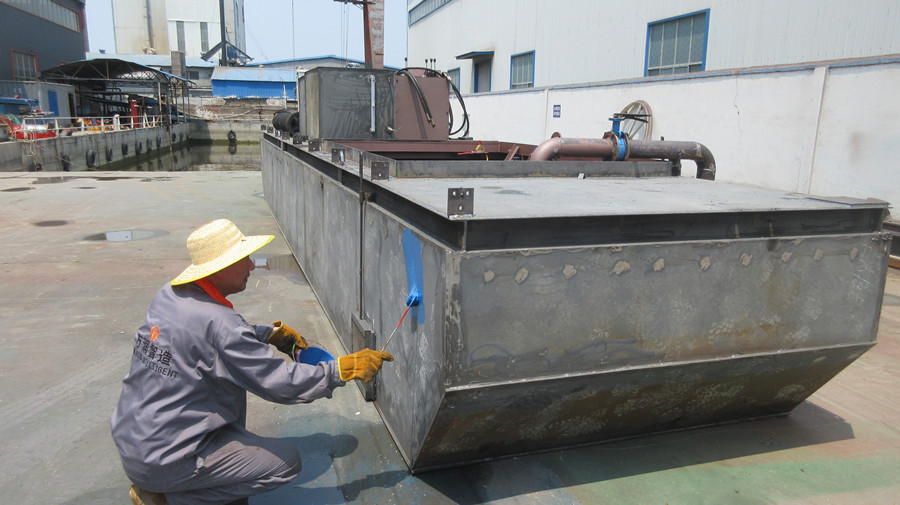
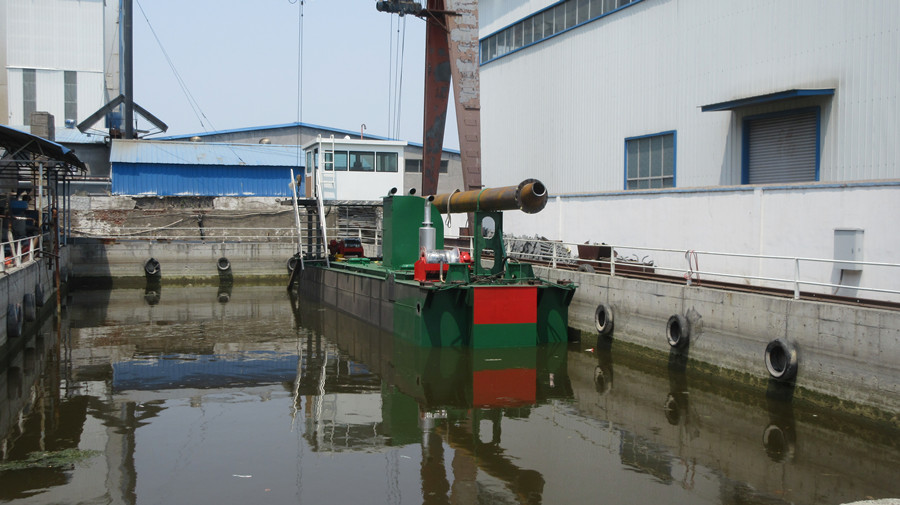
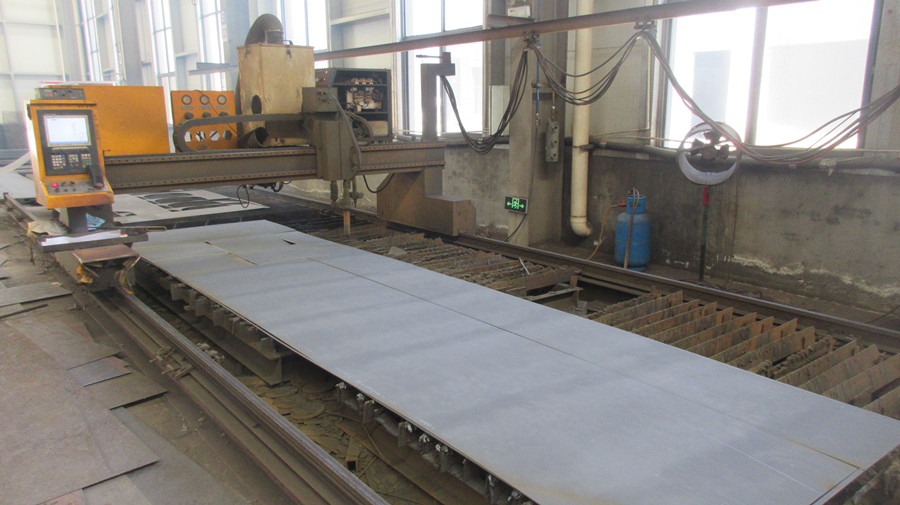
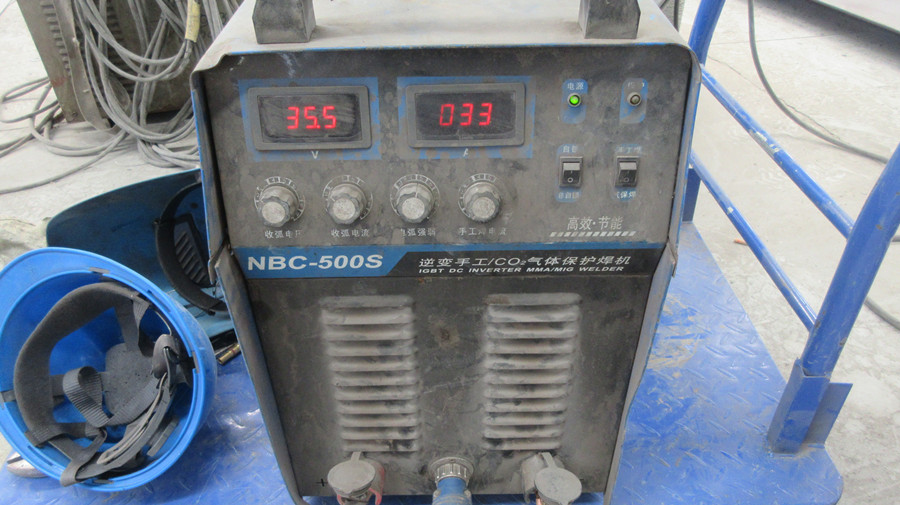
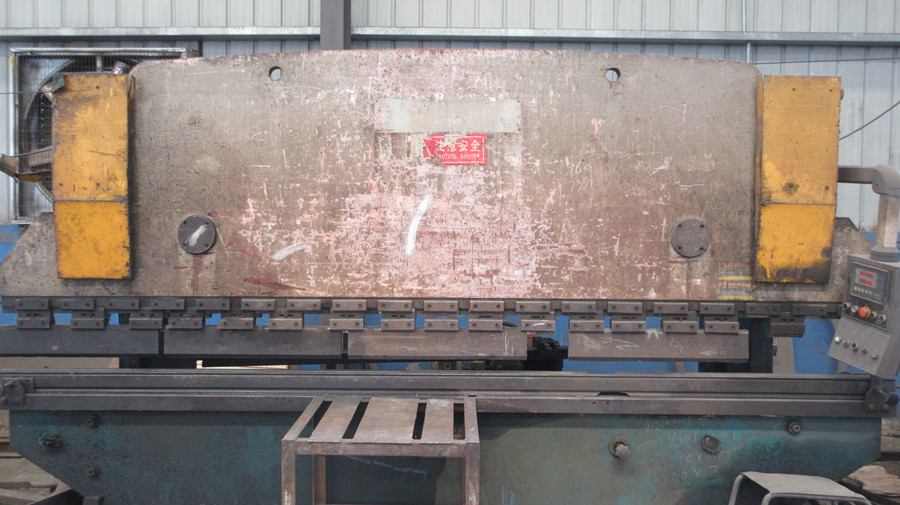
Since our inception in 2018, Guangdong Changi Logistics has transitioned from executing traditional freight forwarding tasks to developing complete operational supply chain solutions. The integration of structural cargo protection technologies with smart tracking models reflects the rapid digitization of global shipping. By optimizing route plans and providing secure equipment engineering, we significantly reduce overall operations costs for enterprise clients.
Our vision centers on constructing a safer, more sustainable, and highly optimized global transport network. Powered by technical innovation, our mission focuses on three central targets:
2018: Established in Guangdong, China, primarily managing general regional forwarding services.
2020: Expanded into specialized heavy-equipment logistics and cold chain transportation systems.
2022: Upgraded corporate logistics through integrated digital tracking, global DDP customs pipelines, and dedicated sea-rail freight channels.
Present: Positioned as a premier provider of cargo resilience systems, delivering optimized cross-border shipping across Europe, Australia, North America, and emerging markets.
The future of cargo resilience rests upon the combination of high-strength lightweight structural engineering and smart sensory networks. Next-generation containers utilize specialized fiber-reinforced polymers (FRP) and carbon steel composite materials processed via automated bending and high-frequency welding. These materials yield higher payload capacity while enhancing structural protection against torsional forces during high-seas shipping.
Advanced structural engineering is minimizing container degradation. Heavy-duty CNC bending and robotic gas metal arc welding ensure consistent seam integrity, which is crucial for chemical-grade shipping. Real-time vibration dampening is achieved through integrated elastomeric mounts and active suspension frames, preventing structural fatigue in sensitive industrial machinery during intermodal transits.
Multi-temperature storage compartments now integrate vacuum insulation panels (VIP) alongside customized polyurethane (PU) formulations. The incorporation of IoT sensors allows real-time thermal forecasting. By mapping external ambient forecasts against internal thermal cargo capacity, transit routes can be adjusted dynamically, reducing the energy footprint of refrigerated operations.
Entering international markets demands strict adherence to local customs protocols, shipping laws, and industrial standards. Guangdong Changi Logistics provides end-to-end compliance services, ensuring all shipments comply with ISO, ATP, and local importing regulations. Our comprehensive customs brokerage service minimizes border clearance friction through pre-clearance structures, ensuring DDP delivery is smooth across Europe, North America, Australia, and Asia-Pacific ports.
We manage complex tariff calculations, harmonized system (HS) classifications, and localized brokerage procedures. Our established door-to-door network bypasses typical bottleneck ports, minimizing storage fees and delays.
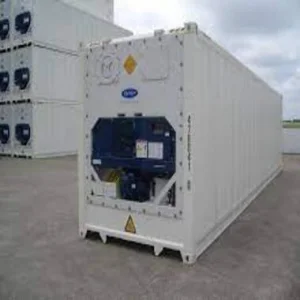
All reefer configurations conform to ATP standards. Thermal validation protocols ensure sensitive pharmaceutical, agricultural, and biological items remain within specified temperature limits throughout the shipping route.
Our heavy transport machinery complies with regional axle load restrictions and vehicle stability rules. Structural tie-downs, dampening systems, and verified lashing structures protect oversized industrial cargo.
Resilient container construction depends on high-quality steel alloys, reinforced structural frame joints, and precise manufacturing processes. CNC bending, robotic joint welding, and specialized surface treatments protect the containers from structural distortion, seawater corrosion, and mechanical stress during intermodal transport.
We utilize specialized reefer units built with advanced polyurethane (PU) insulation panels and variable zone settings. Our setups enable the simultaneous transport of goods requiring distinct temperature ranges, while active remote sensors continuously track thermal consistency.
Delivered Duty Paid (DDP) transfers all transit risks, duties, and customs clearance logistics to the shipping partner. This ensures predictability in final transport costs, cuts import processing bottlenecks, and speeds up warehousing entry at target destinations.
Chemical logistics requires robust vibration control to mitigate risks associated with liquid shifting or volatile compound agitation. Adapting heavy-duty shock-absorbing chassis frames minimizes kinetic impacts on critical payloads, ensuring secure transport over challenging terrain.
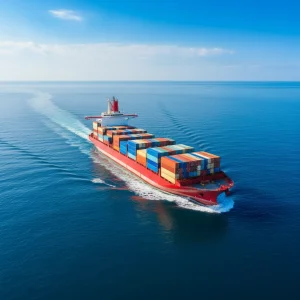
Connecting primary industrial regions to key international ports using robust intermodal shipping frameworks.



 Changi Logistics