
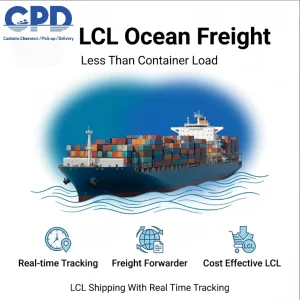
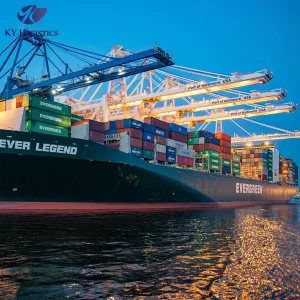

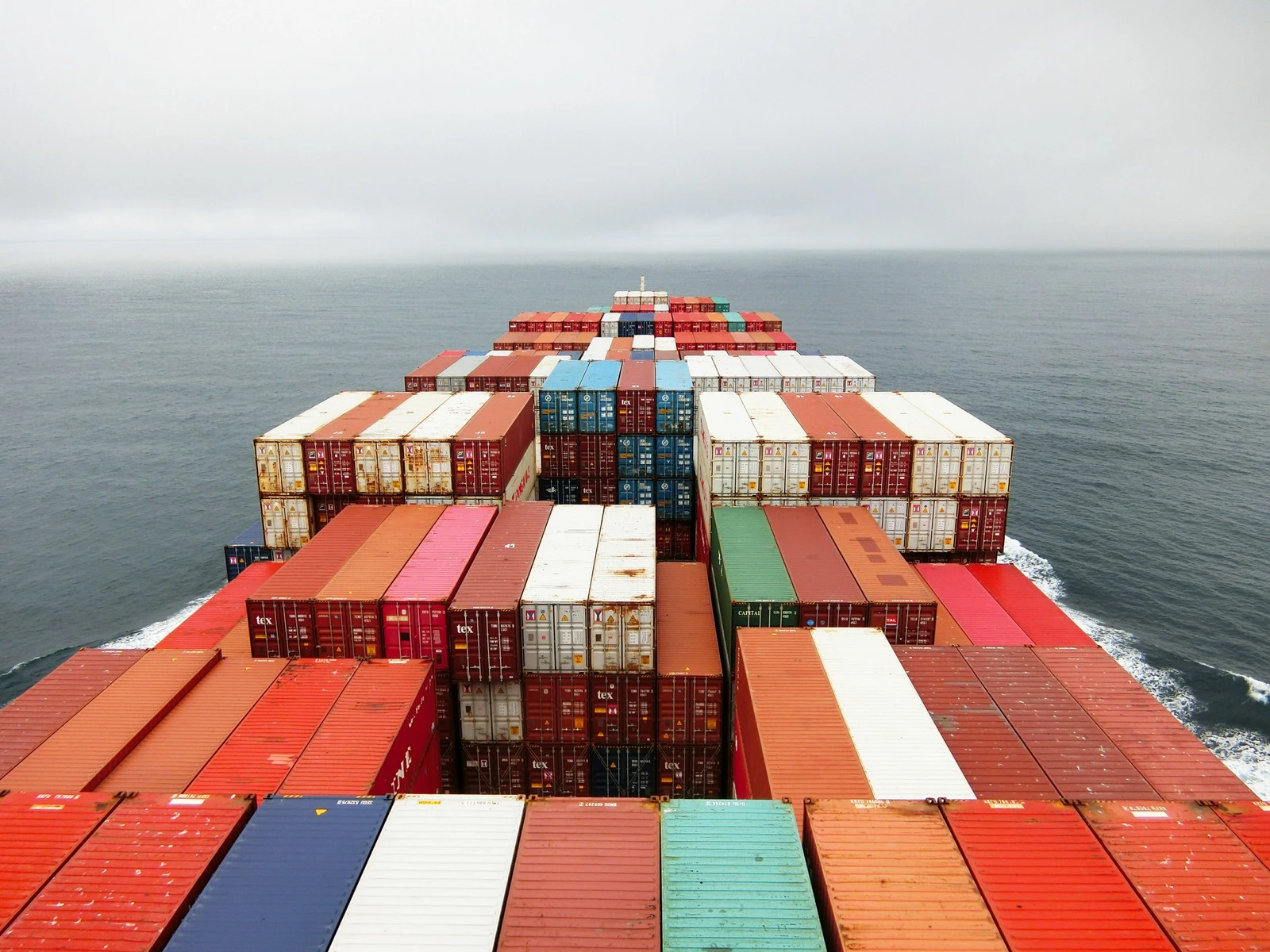
The modern global supply chain operates under a regime of heightened vulnerability. Geopolitical frictions, shifting maritime corridors, volatile weather pattern anomalies, and cross-border regulatory transformations present unprecedented challenges to manufacturers and logistics providers alike. In the current economic framework, simple transportation fulfillment is no longer sufficient. Securing physical goods from raw material origin to the consumer’s doorstep requires an integrated structural approach combining structural container strength, route optimization, and comprehensive cargo insurance underwriting.
Many global importers mistakenly rely solely on standard Carrier Liability limits. Under international shipping regimes, such as the Hague-Visby Rules, the Hamburg Rules, or the Warsaw/Montreal Conventions for air transport, carrier liability is strictly capped based on weight (e.g., Special Drawing Rights per kilogram) or package count, rather than the actual commercial value of the cargo. When catastrophic failures occur—such as cargo jettisoning during structural hull breaches, vessel groundings, or warehousing facility blazes—uninsured shippers suffer massive financial deficits.
Protects the true commercial value of goods, including freight charges, associated duties, and customized logistics costs, safeguarding balance sheets from unforeseen transit emergencies.
Under maritime law, a General Average declaration requires all cargo owners on a voyage to share the loss resulting from a voluntary sacrifice to save the ship. Underwritten cargo prevents direct liquid asset seizures during General Average claims.
Understanding the legal frameworks governing marine and air cargo policies is crucial for structuring cost-effective and resilient supply chains. The Institute of London Underwriters outlines standard Institute Cargo Clauses (ICC) that form the baseline of global transport risk transfer.
Often referred to as "All Risks" coverage, ICC(A) is the most comprehensive policy type. It covers all forms of physical loss or damage, subject to specific exclusions like inherent vice, packaging insufficiency, or delays. It is highly recommended for high-value machinery and complex electronic freight.
A mid-tier, restricted-risk cargo policy. It covers named perils such as vessel groundings, collisions, overturns, earthquakes, volcanic eruptions, lightning, and water ingress. Ideal for bulk raw materials or structured metals requiring moderate security parameters.
The most restrictive tier of coverage, protecting against major accidents only (fires, explosions, strandings, collisions, and general average sacrifices). Excludes minor transit damages, theft, and water leakage issues. Primarily selected for robust commodities.
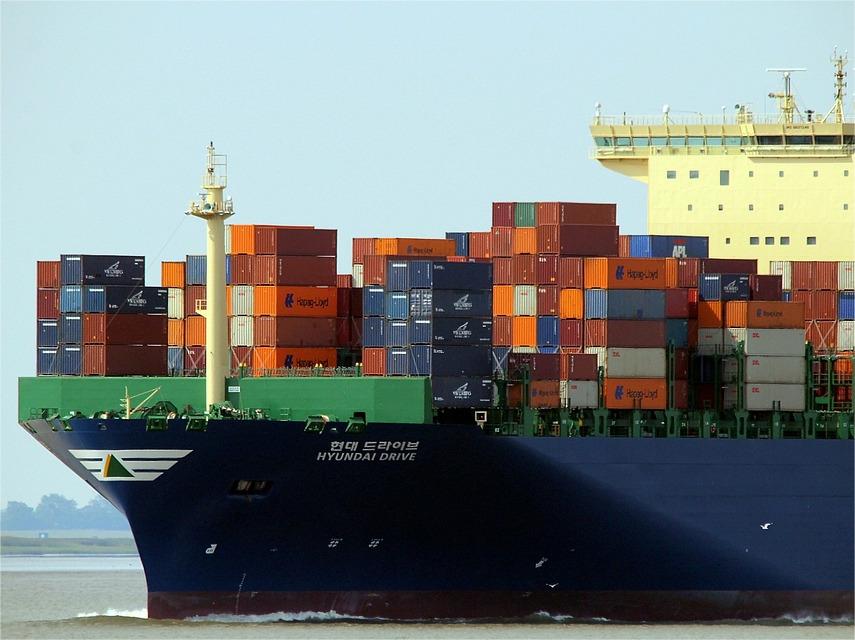
China's dominance in global trade is built on a foundation of structural manufacturing and logistical integration. The resilience of Chinese factories is not merely defined by high-volume assembly lines, but by their deep proximity to key transport clusters and advanced logistics hubs. High-capacity logistics companies, such as Guangdong Changi Logistics Co., Ltd., play a vital role in this ecosystem by bridging the gap between raw manufacturing processes and high-compliance international delivery systems.
By integrating physical manufacturing pipelines directly with digital container logistics, customs clearing operations, and specialized commercial insurance underwriting, Chinese manufacturers ensure that goods remain protected at every touchpoint. This proactive mitigation strategy minimizes cargo damage risks right at the source, allowing cargo to withstand long-distance maritime crossings, multi-modal rail handoffs, and intense airport transfers.
Guangdong Changi Logistics Co., Ltd. is a comprehensive logistics enterprise established in 2018, specializing in international freight forwarding and integrated supply chain solutions. The company is committed to providing efficient, reliable, and customized logistics services for global trade and cross-border e-commerce clients.
Our core services include international sea freight, air freight, rail transportation, multimodal transport, warehousing, customs clearance, and end-to-end supply chain management. With a strong global agency network and advanced digital logistics systems, we deliver cost-effective and time-efficient solutions to customers across various industries.
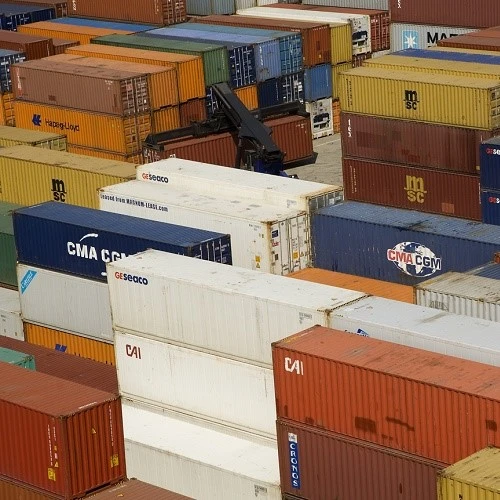
Founded in 2018, Guangdong Changi Logistics Co., Ltd. has grown alongside the rapid expansion of global trade and the rise of cross-border e-commerce. Starting as a traditional freight forwarding service provider, the company has evolved into a full-service logistics and supply chain solutions provider.
Over the years, we have continuously enhanced our operational capabilities by integrating intelligent logistics management systems and real-time tracking technologies. These improvements have significantly increased service efficiency, transparency, and customer satisfaction, enabling us to become a competitive independent logistics provider in the industry.
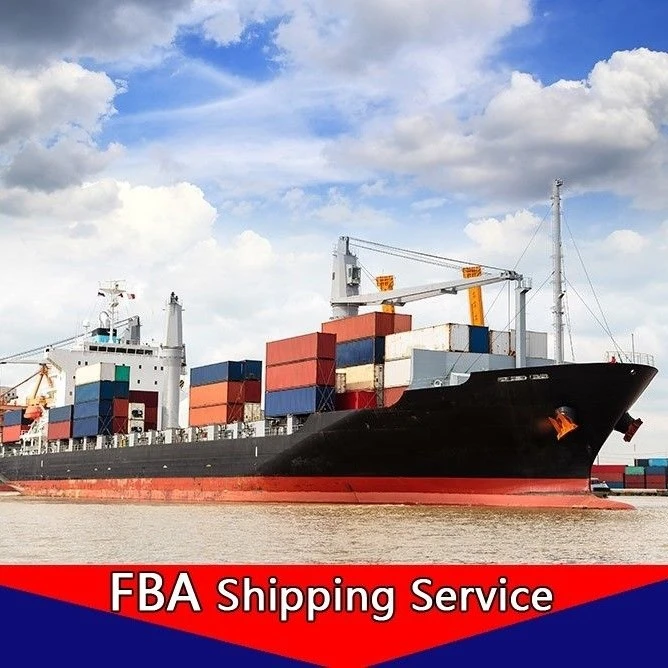
Our Vision: Our vision is to become a leading global logistics and supply chain partner, driven by innovation and powered by technology. We aim to build a smarter, greener, and more efficient global logistics network that enables seamless international trade and sustainable business growth for our clients.
Our Mission: At Guangdong Changi Logistics Co., Ltd., we are committed to delivering long-term value to our clients through innovative logistics solutions and professional service excellence. Our mission is to:
We believe logistics is more than transportation—it is the foundation that connects global commerce and drives business success.
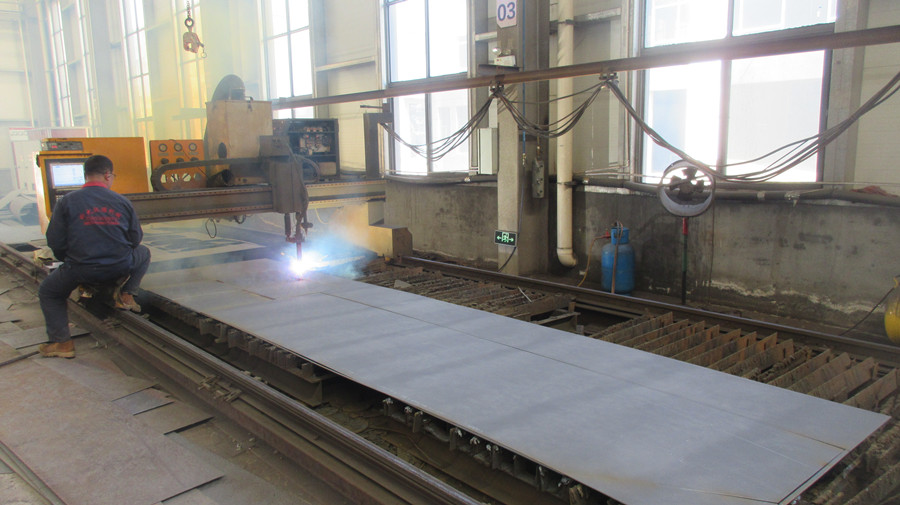
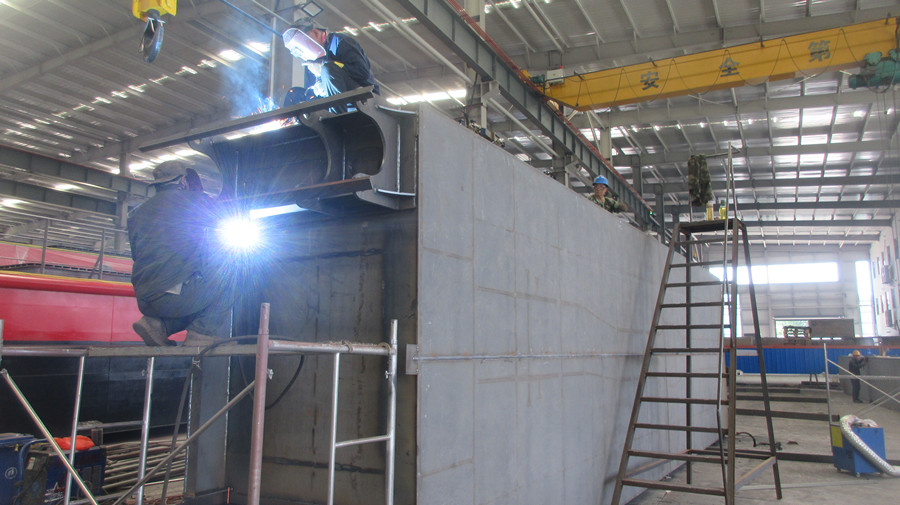
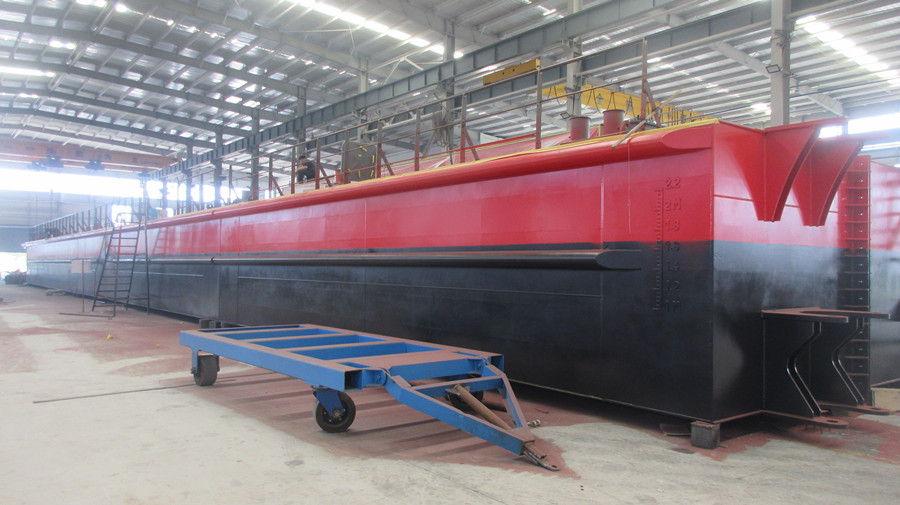
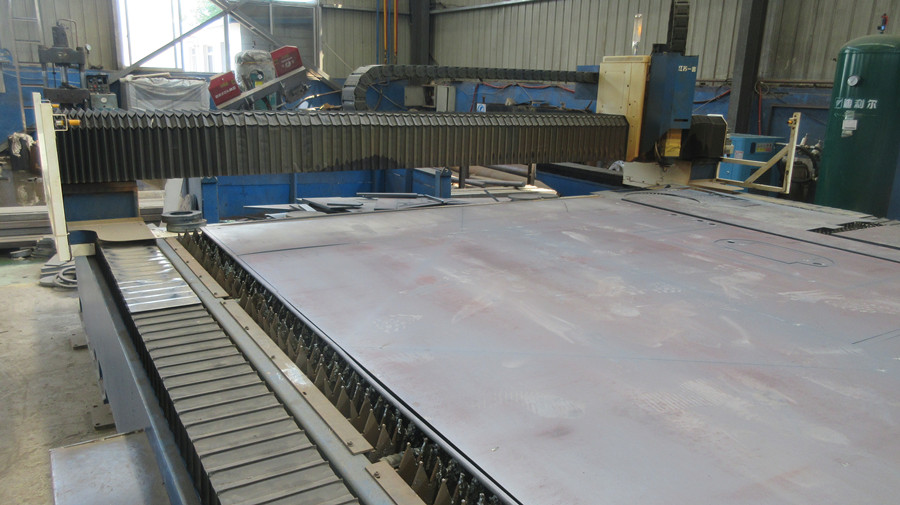
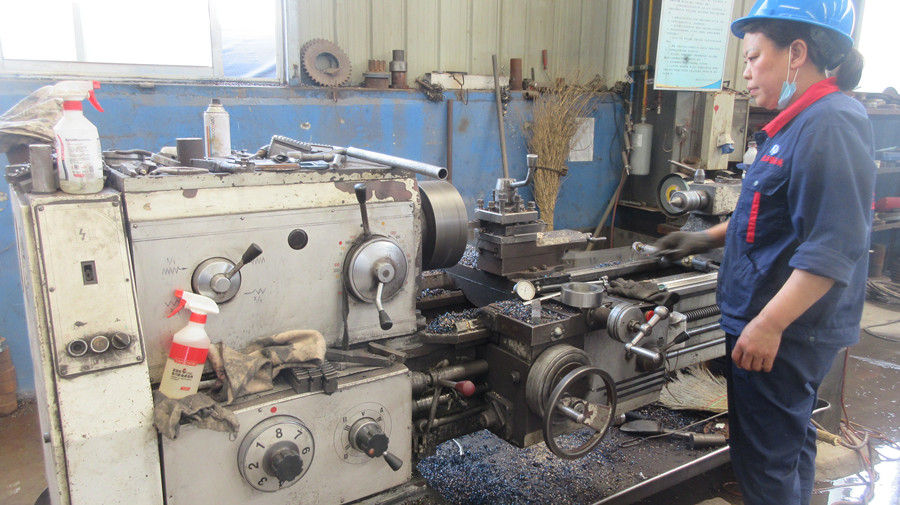
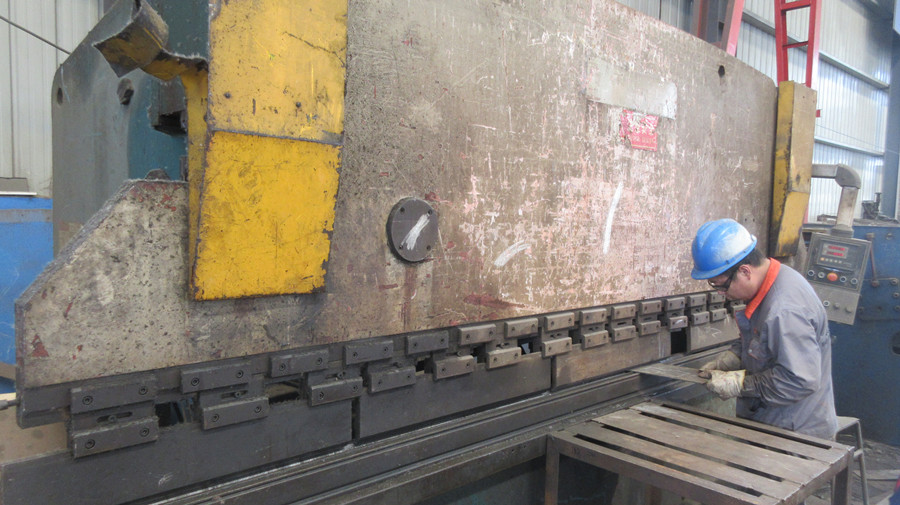
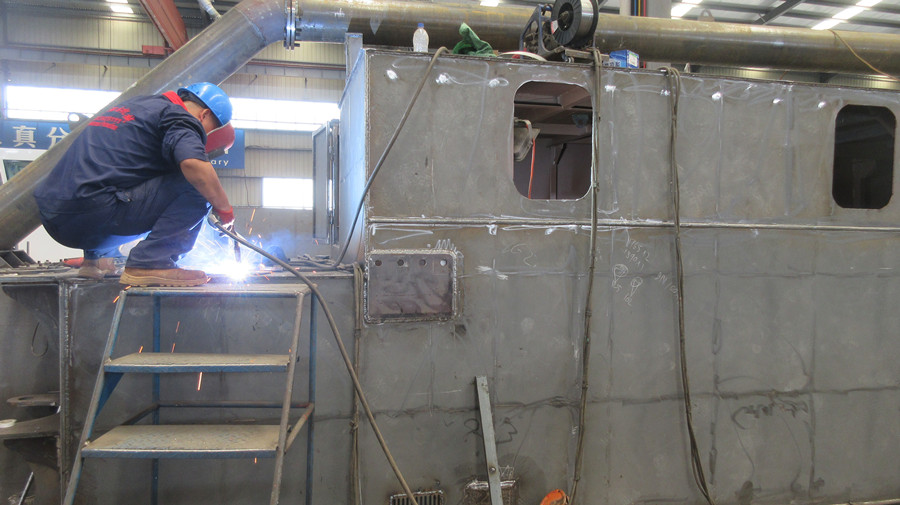
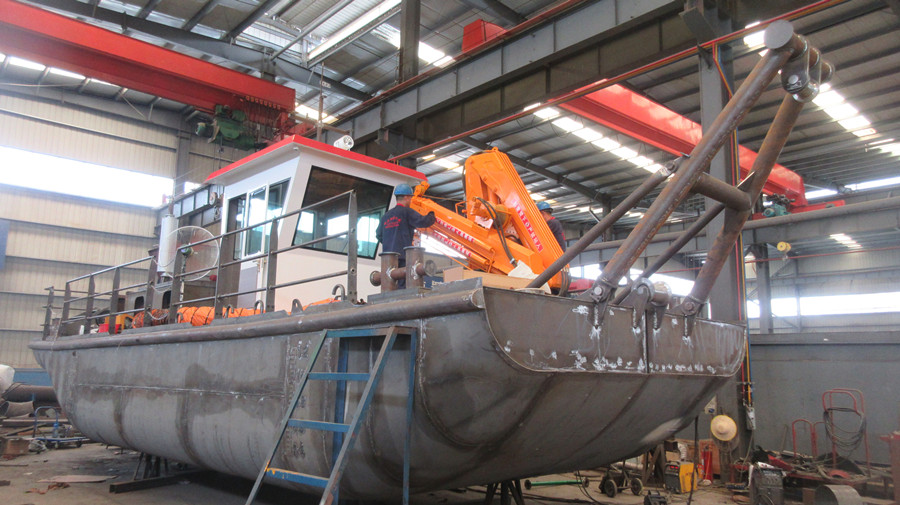
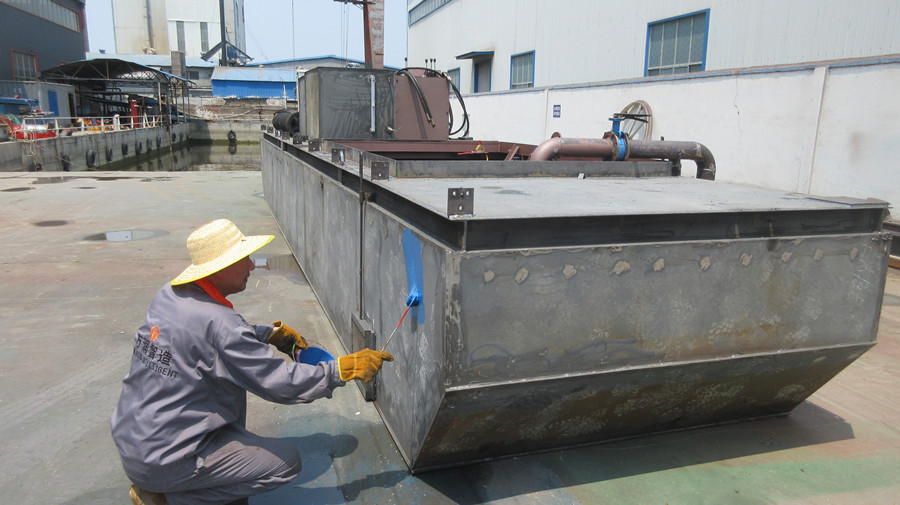
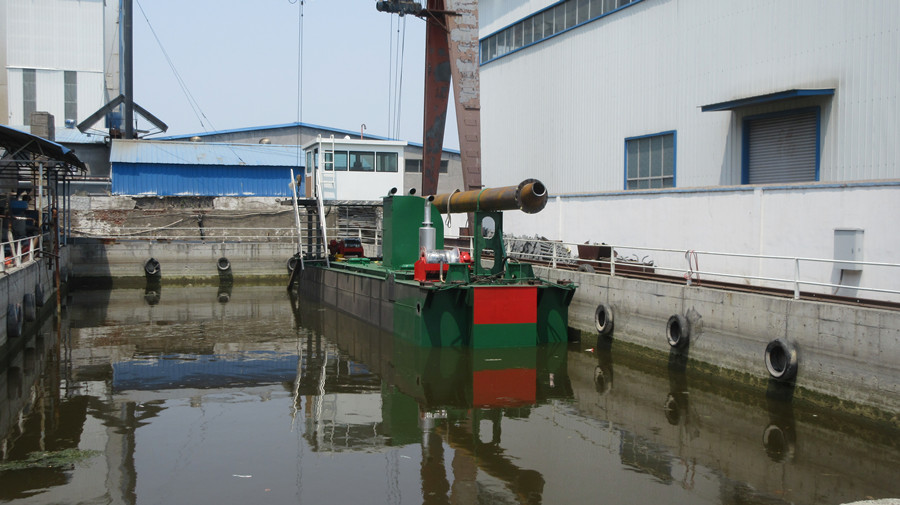
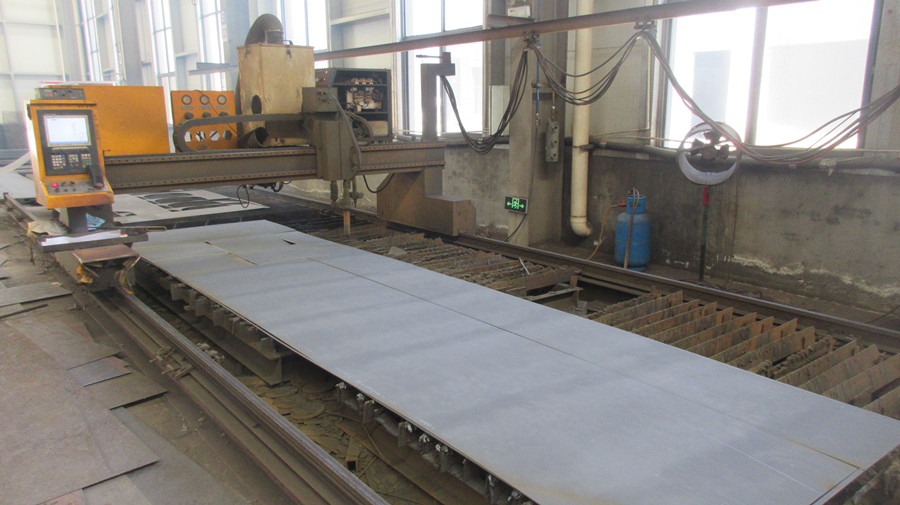
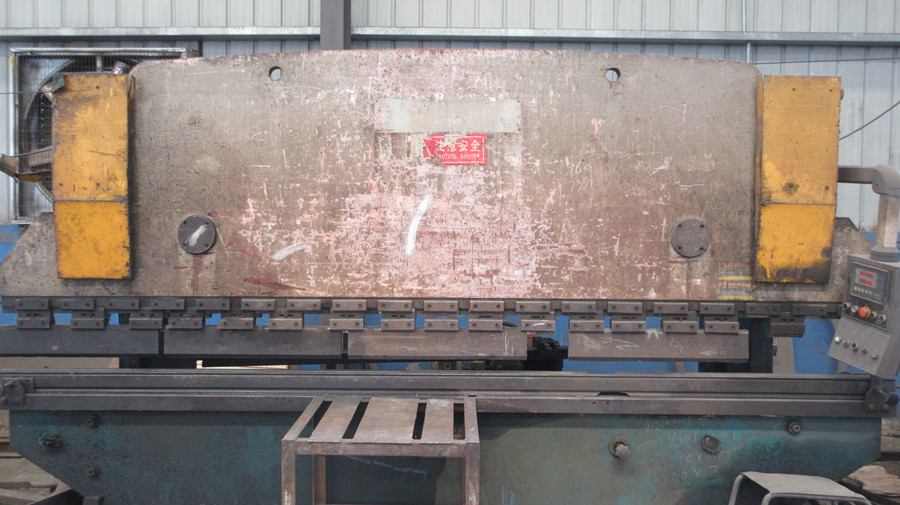
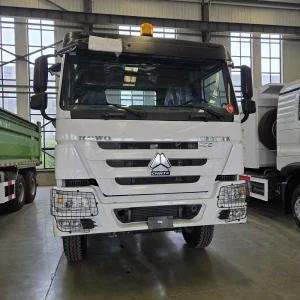
Safe transportation depends heavily on high-quality hardware. Below is our internal manufacturing process showing how we build, cut, weld, and maintain heavy-duty logistics equipment, container chassis, and transportation parts.

The integration of advanced tech ecosystems is redefining supply chain risk management. Legacy models that relied on manual documentation and reactive claims filings are being replaced by automated, real-time protection protocols. Looking forward, the roadmap for cargo insurance focuses heavily on tech-driven prevention rather than simple financial recovery after damages occur.
By leveraging Smart Contract Automation via distributed ledger networks, insurance providers can initiate instant payouts. For example, if a temperature deviation in a refrigerated pharmaceutical container is logged for more than 4 consecutive hours, the policy claims flow can trigger automatically. This drastically reduces the lengthy administrative investigations typical of ocean transit disputes.
Predictive Machine Learning Models: By analyzing historical climate data, shipping channel delays, and port congestion levels, AI engines can dynamically adjust insurance premiums for individual routes. Importers can select routes that offer lower risk profiles, reducing premium costs and avoiding potential product loss.
Furthermore, structural improvements in freight containment—such as impact-resistant structural steel containers, secure lock mechanics, and advanced anti-vibration cargo beds—directly lower the probability of mechanical shock damage during multimodal transfers.
Each sovereign trade jurisdiction features distinct compliance expectations. Navigating customs clearance successfully requires deep regional knowledge, particularly when goods are shipped under complex Delivered Duty Paid (DDP) or Delivered At Place (DAP) trade terms. Importers must comply with local tax rules, security check rules, and liability frameworks:
Guangdong Changi Logistics works with top global marine insurance underwriters to offer local claims services. If damage is discovered at the destination, local adjusters can inspect the cargo immediately. This local presence eliminates language barriers and prevents international time-zone delays, facilitating rapid resolutions for shipping claims.
 Changi Logistics