Changi Logistics


Transforming Modern Supply Chains: The Role of China Wholesale Transport Management Suppliers
An in-depth industrial whitepaper on global trade logistics, supply chain resilience, and the strategic positioning of Guangdong Changi Logistics.
1. Global Supply Chain Dynamics & The Commercial Reality
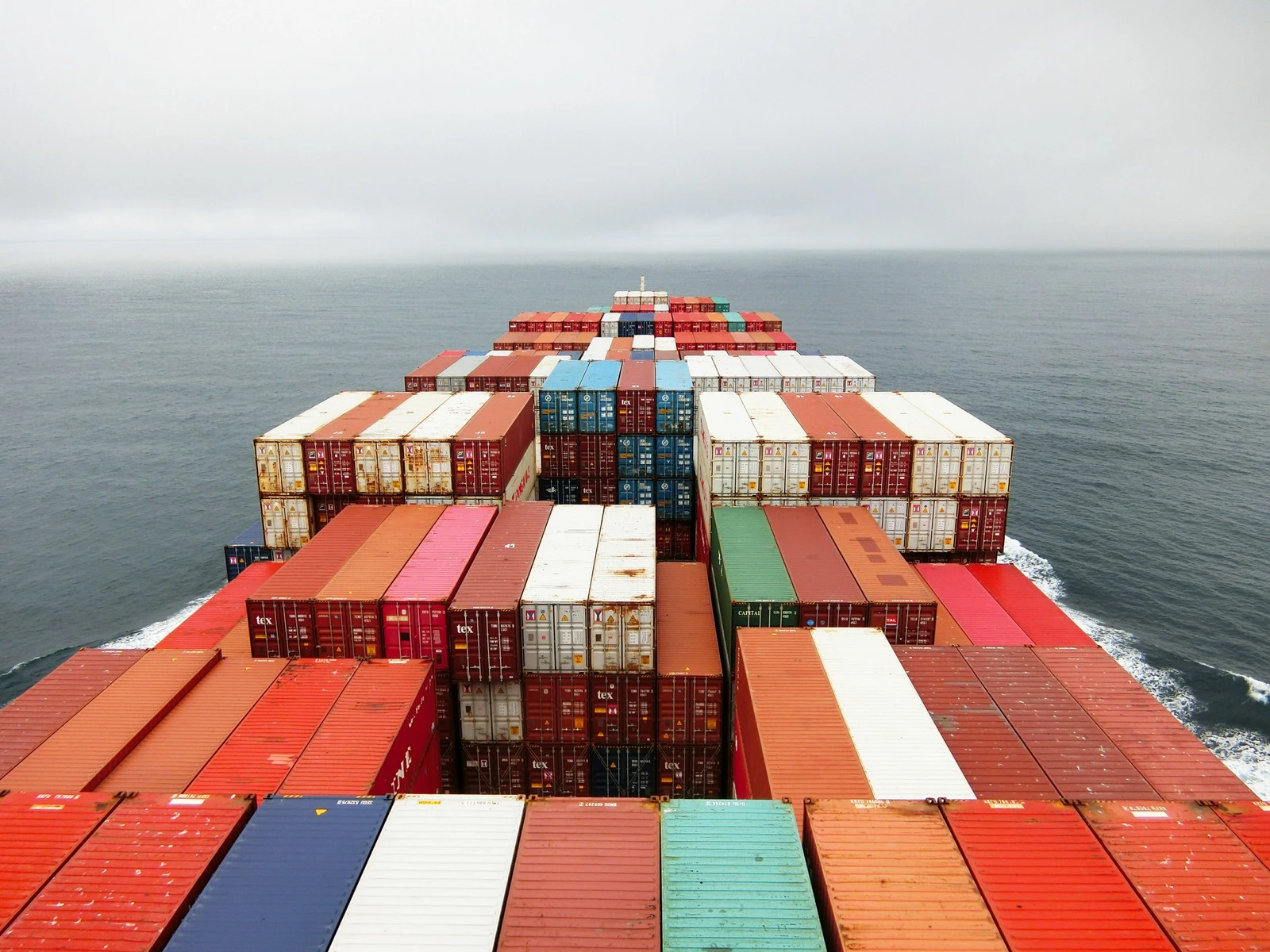
In today's interconnected global market, transport management is no longer merely a tactical procurement category; it is a critical component of strategic resilience. Disruptions across key maritime routes, fluctuating fuel tariffs, and evolving border control frameworks demand that global buyers form partnerships with suppliers capable of providing integrated, end-to-end logistics solutions. As a primary global exporter, China hosts an advanced manufacturing ecosystem that requires high-performance, cost-effective logistics systems to maintain access to overseas markets.
The commercial reality is that cost-per-kilogram or price-per-container is only part of the equation. Modern enterprises measure performance using Total Cost of Ownership (TCO), which includes lead-time volatility, safety stock requirements, cargo security, and customs clearance efficiency. By leveraging economies of scale, regional density, and advanced technical systems, Chinese transport management suppliers help international buyers reduce supply chain friction and optimize their inventory velocity.
2. Global Enterprise Procurement Trends & Demand Drivers
Modern procurement professionals are shifting from single-channel freight arrangements toward strategic logistics outsourcing. Analysis of global procurement behavior shows that buyers prioritize three primary requirements:
- End-to-End Visibility: Businesses expect real-time cargo status tracking. Automated status updates, environmental sensors, and transparent documentation portals have become industry standards.
- Regulatory Compliance: Managing customs procedures, cross-border tax structures, import tariffs, and compliance (especially for specialized items like lithium batteries or controlled agricultural goods) requires extensive local expertise.
- Flexibility & Scale: Procurement teams need logistics partners who can seamlessly switch between air cargo, ocean shipping (both FCL and LCL), rail options, and express parcel networks as market conditions shift.
3. China Factory 4.0: Connecting Intelligent Logistics to Smart Manufacturing
The modernization of China's industrial base—frequently termed Industry 4.0—has redefined how logistics and manufacturing interact. Inside modern production facilities, transport management systems (TMS) connect directly with automated warehouse management software (WMS). Intelligent storage systems, automated wire cages, and automated bagging lines work in sync with carrier systems to dispatch goods the moment they leave the production line.
This operational integration yields major efficiency advantages:
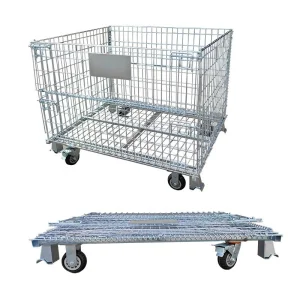
- Reduced Material Handling: Utilizing specialized, stackable storage systems, such as heavy-duty steel wire cages, minimizes product damage and optimizes warehouse space utilization.
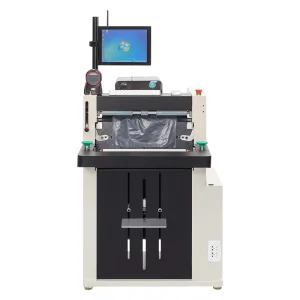
- Automated Packaging and Labeling: Implementing high-speed, high-accuracy automatic poly mailer bagging equipment allows distribution centers to package and label thousands of orders per hour, meeting the tight dispatch windows of international e-commerce networks.
- Proactive Supply Chain Resilience: Integrated data tracking helps manufacturers and shippers foresee delays, reroute freight, and manage port congestion dynamically.
4. Localized Application Scenarios & Specializations
Modern transport demands tailored solutions for specific industries. A standard shipping container is often insufficient for highly specialized cargo:
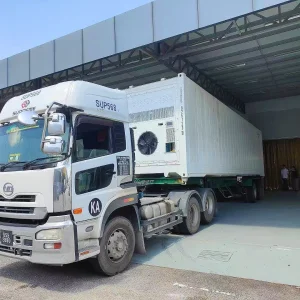
Agricultural Cold Chain Management: Shipping sensitive tropical fruits like durian requires precise climate control. Utilizing Controlled Atmosphere (CA) reefer containers equipped with real-time temperature, humidity, and atmospheric gas level controls extends shelf life and preserves quality during long sea transits.
E-Commerce Order Fulfillment: Fast-moving retail operations rely on integrated 3PL warehousing, automated sorting, and cross-border shipping lines. Dynamic tracking from packaging to last-mile delivery keeps global customers informed every step of the way.
Specialized Cargo Logistics: Transporting hazardous items like lithium-ion batteries requires strict compliance with international safety regulations, specialized packing materials, and certified customs agents to ensure safe transit and clean customs clearances.