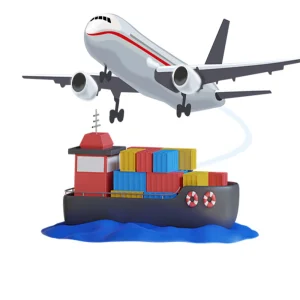
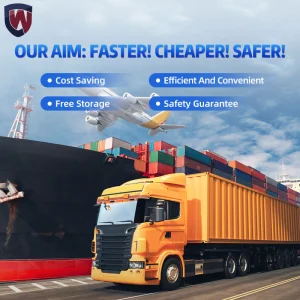
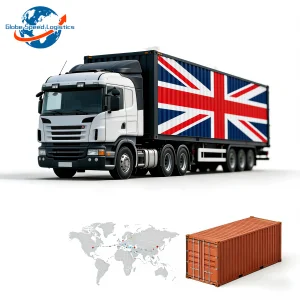
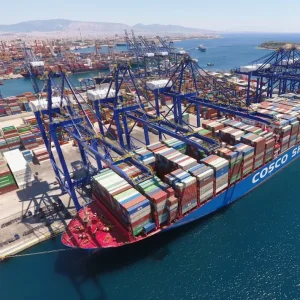
Direct access to our engineered cooling machinery, multimodal freight routes, and priority door-to-door delivery setups.
In the contemporary globalized economy, supply chains are no longer mere functional processes—they are critical instruments of competitive advantage. Modern global trade demands an alignment of hardware manufacturing, technological infrastructure, and systemic shipping protocols. As a prominent China Logistics Consulting Manufacturer & Exporter, our operations integrate direct physical hardware production with advanced supply chain architectural engineering.
From custom refrigeration configurations for heavy brewery systems to managing cross-border logistics networks under strict regulatory environments, our frameworks mitigate the risks of modern geopolitical and macroeconomic volatility. We offer high-yield solutions designed for zero-fault tolerances. By combining manufacturing logistics components, such as high-output industrial air-cooled glycol chillers, with complex logistics solutions like oversized project transport, we solve critical bottlenecks in primary and secondary trade routes.
Establishing dedicated shipping lanes, multi-modal transfers, and customs clearance procedures that bridge APAC, Europe, North America, and emerging markets.
Preventing supply-chain disruptions with data-driven routing, comprehensive marine and inland transit insurance, and emergency charter flight structures.
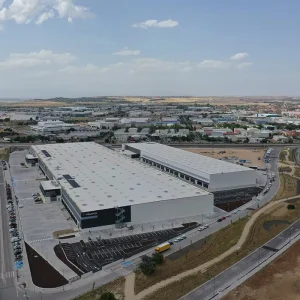
Designing bespoke localized hubs incorporating specific cold storage setups, pick-and-pack zones, and automated sorting centers for fast e-commerce pipelines.
Industrial supply networks are facing dynamic shifts. Factors such as localized nearshoring, the exponential growth of cross-border B2C e-commerce, and high demand for specialized cold chains dictate how capital flows across borders. To maintain business continuity, industrial purchasers, distributors, and logistics directors require flexible routes that balance speed and cost.
For instance, standard ocean freight is cost-effective but slow; air charter represents maximum urgency but carries a high carbon and capital cost. By offering customized hybrid freight architectures (such as combined sea-air transit, rail routes through Central Asia to Europe, and LCL consolidation networks), we bridge this structural gap. Enterprises can balance transit times using predictable schedules that protect their working capital.
Additionally, specialized industrial sectors require custom equipment. The deployment of high-capacity food and chemical processes necessitates precise temperature maintenance. Our low-temperature glycol chillers provide stable processing controls, which are then supported by specialized logistics fleets. This ensures cold-chain integrity from manufacturing facility to end-user site.
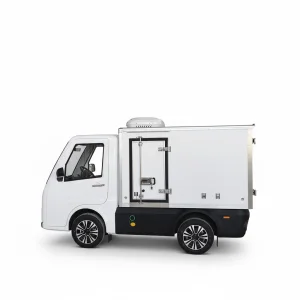
The modern logistics industry is rapidly adopting clean energy systems and carbon reduction models. In Europe and North America, strict corporate sustainability goals (Scope 3 emissions targets) require logistics providers to deploy eco-friendly vehicle technologies. Our portfolio addresses these goals by introducing EU-approved electric last-mile delivery vehicles featuring integrated refrigerated cargo boxes.
These specialized logistics platforms enable companies to handle urban food, pharmaceutical, and chemical distribution with zero tailpipe emissions. By pairing these green transport units with advanced stationary systems—like industrial cooling chillers—we provide a continuous temperature control pipeline. This integrated solution minimizes cargo degradation and optimizes power consumption, reducing total operating costs.
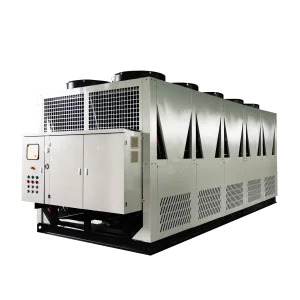
High-capacity low-temperature chillers designed for heavy industrial use, food processing facilities, and chemical cooling, providing stable temperatures between -5°C and -35°C.
EU-homologated electric last-mile vehicles configured with insulated boxes, high-capacity cooling compressors, and intelligent battery management for urban distribution.
IoT-enabled temperature sensors providing real-time data points, automatic alerts, and compliance logging for sensitive high-value cargo.
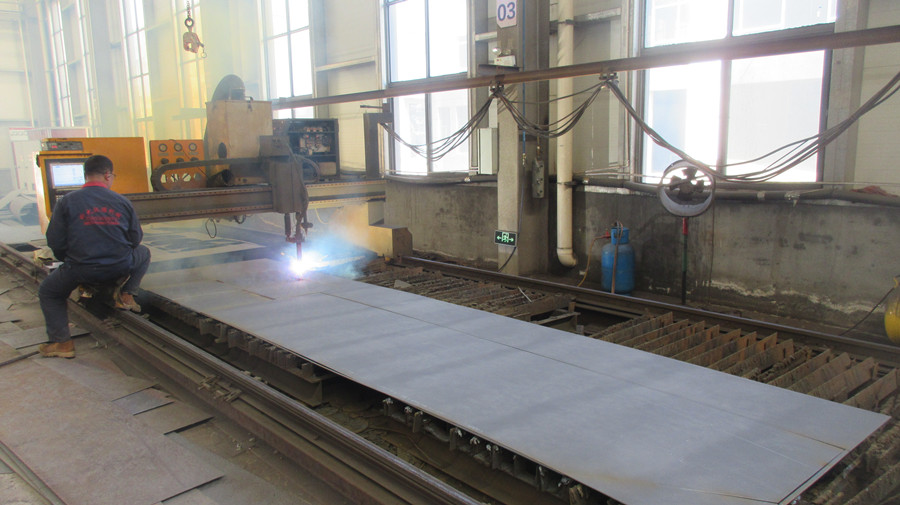
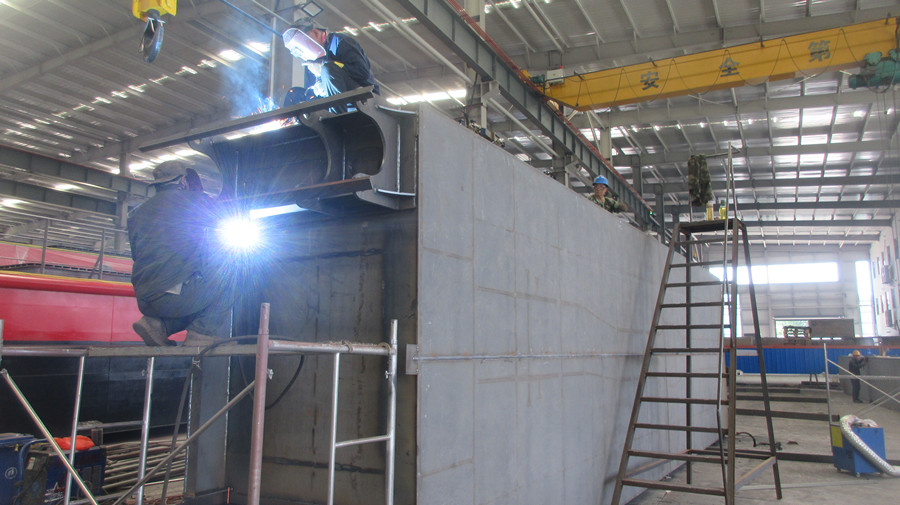
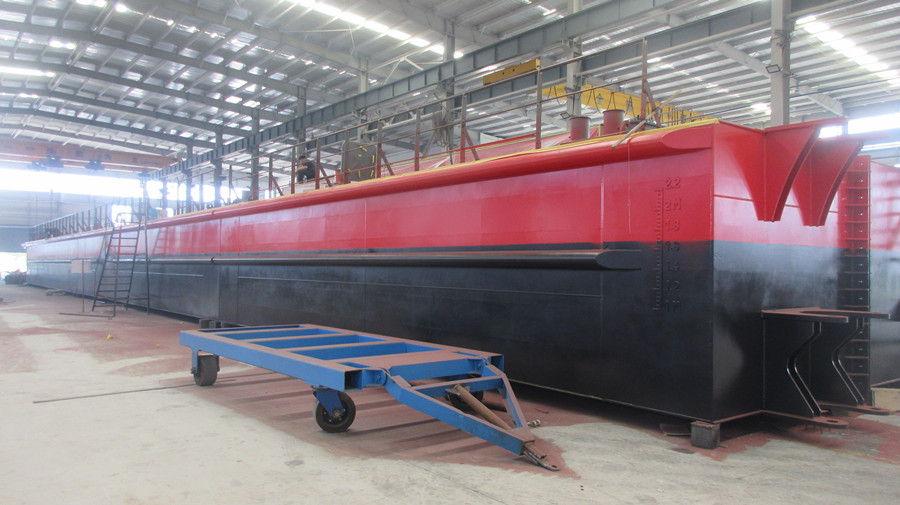
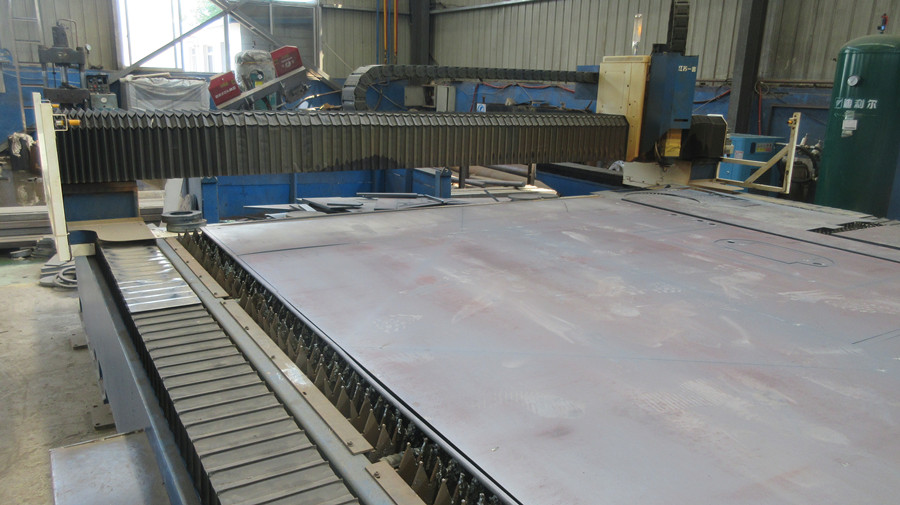
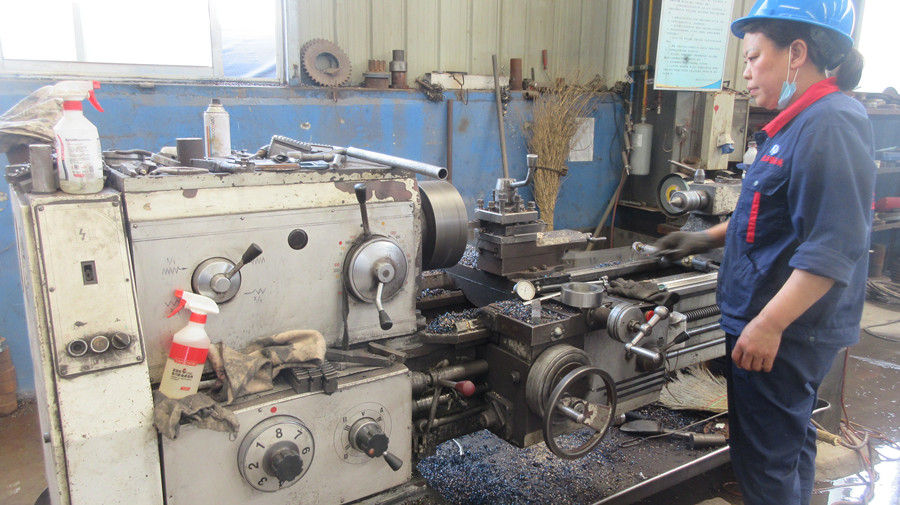
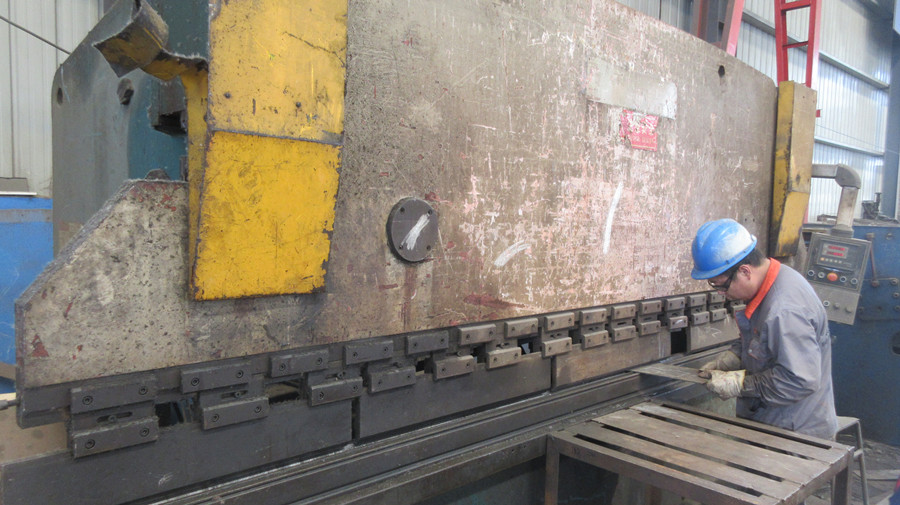
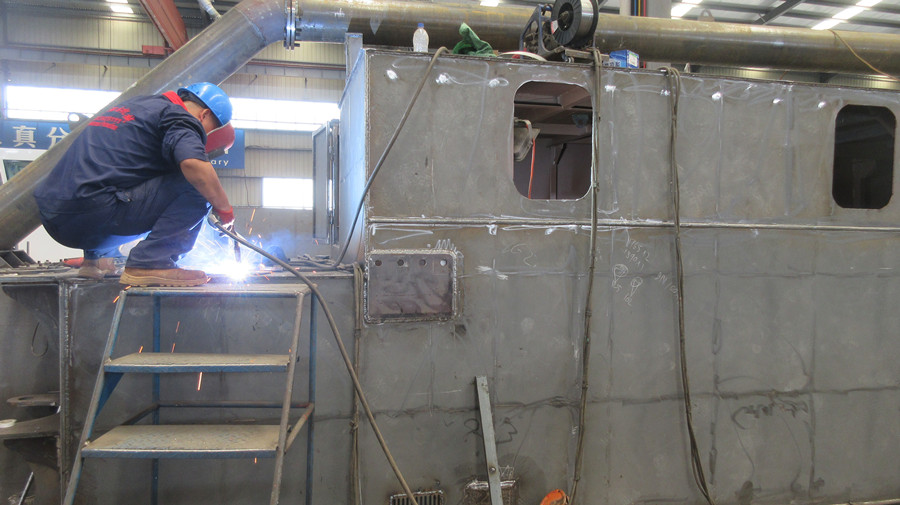
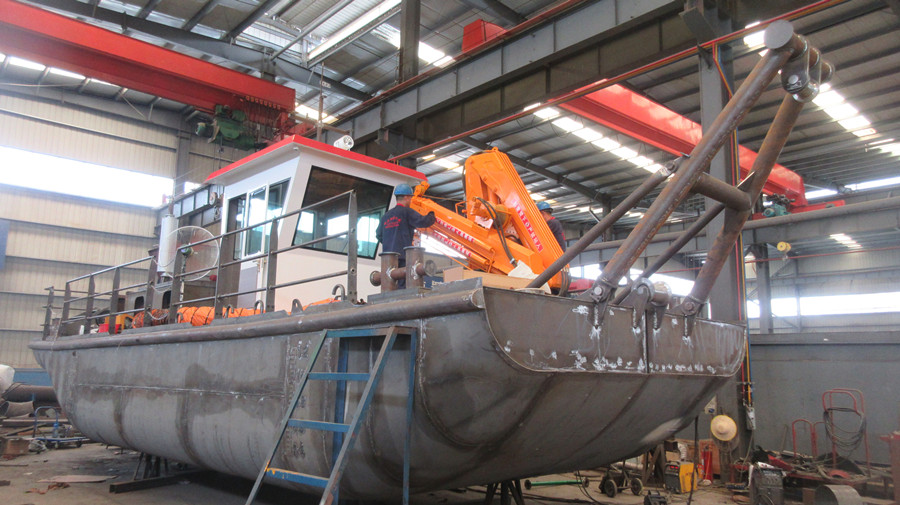
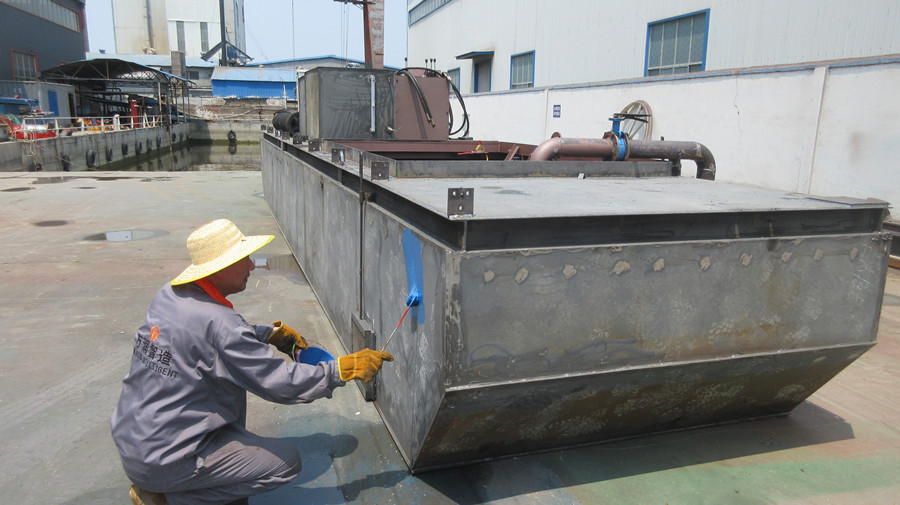
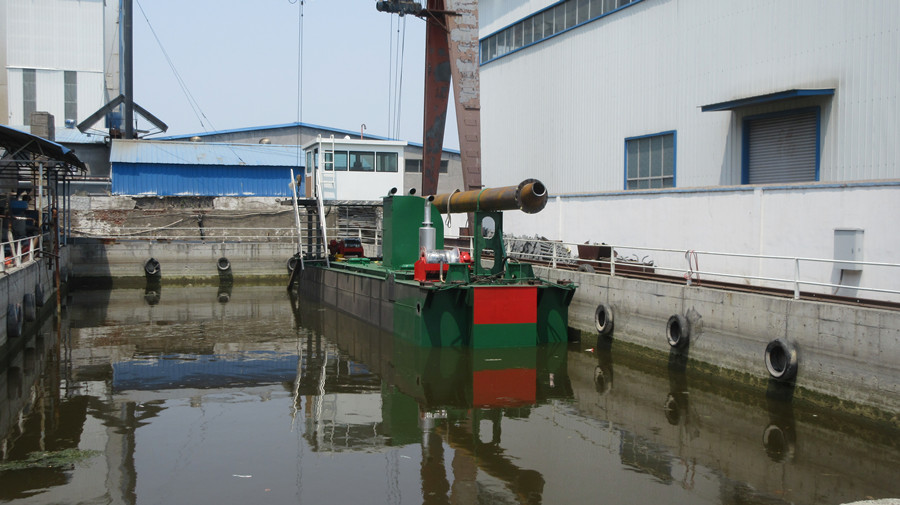
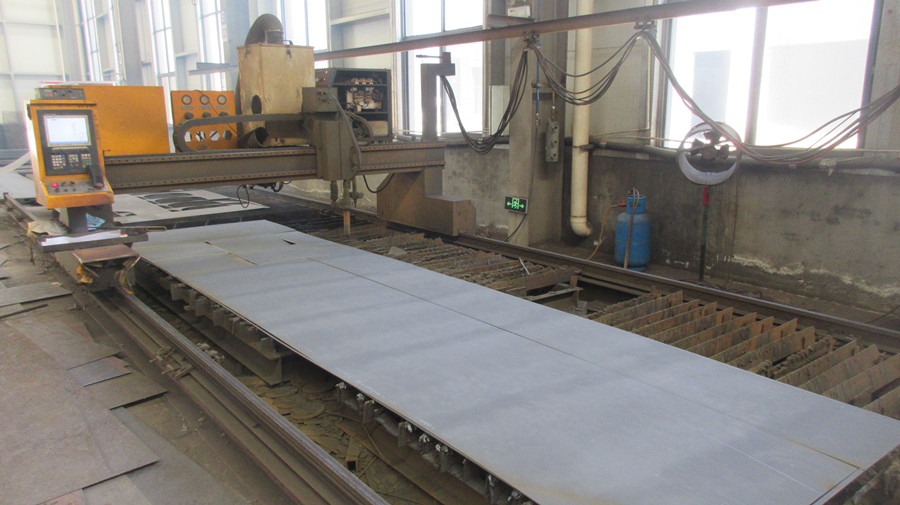
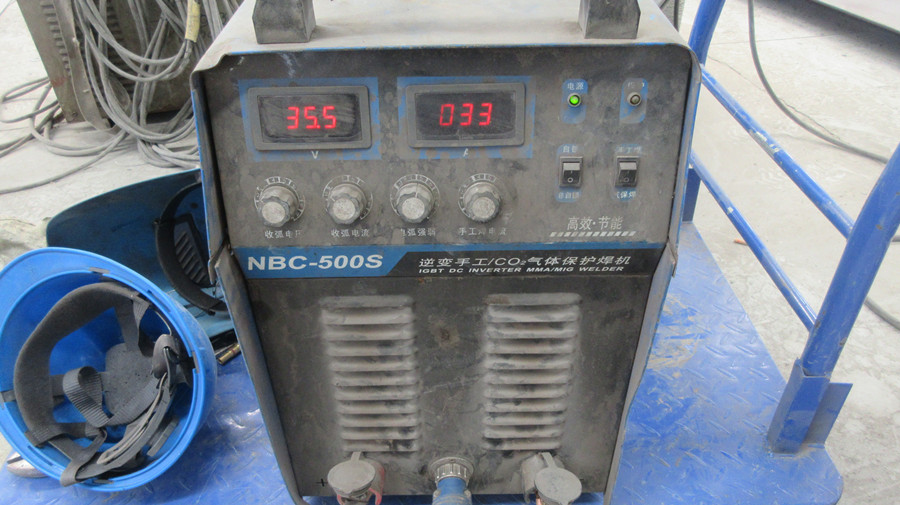
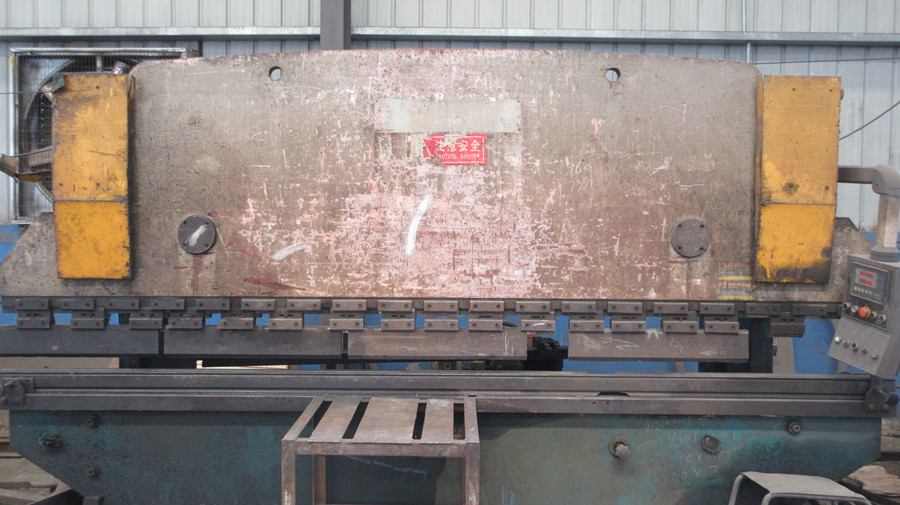
Our heavy industrial engineering, specialized vehicle construction, and customized logistics configurations are supported by modern manufacturing and fabrication lines. We maintain strict control over every stage of development—from primary steel preparation and precise assembly to multi-phase quality testing.
The following gallery illustrates our standard fabrication and engineering workflows, ensuring that every logistics transport platform, cooling frame, and custom structural component meets global quality and safety guidelines.
Importing capital equipment, shipping dangerous cargo, or coordinating DDP (Delivered Duty Paid) routing requires navigating diverse customs and import laws. Cross-border trade is subject to sudden changes in tariffs, variable classification categories, and strict local requirements (such as EU CE declarations, USA FDA/CBP guidelines, and ASEAN customs protocols).
Our consulting solutions focus on minimizing delay risks by streamlining clearing structures. We help businesses categorize their goods correctly under the Harmonized Tariff Schedule (HTS) to reduce compliance risk. With dedicated regional clearance lines in the USA, UK, Europe, and Southeast Asia, we ensure that cargo transitions smoothly through key ports of entry.
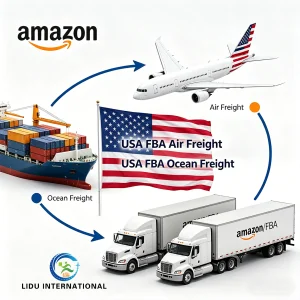
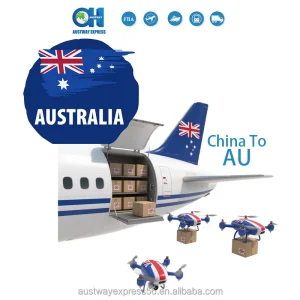
Comprehensive clearance solutions covering customs bonds, duty payments, and direct delivery to Amazon FBA hubs or private commercial addresses.
Optimized cross-border land shipping and LCL Consolidation lines linking China to Thailand, Vietnam, Cambodia, and Malaysia with dual customs clearance.
Custom logistics protocols, certified packaging, transport safety equipment, and hazard insurance for lithium batteries, volatile liquids, and industrial chemicals.
Guangdong Changi Logistics Co., Ltd. is a comprehensive logistics enterprise established in 2018, specializing in international freight forwarding and integrated supply chain solutions. The company is committed to providing efficient, reliable, and customized logistics services for global trade and cross-border e-commerce clients.
Our core services include international sea freight, air freight, rail transportation, multimodal transport, warehousing, customs clearance, and end-to-end supply chain management. With a strong global agency network and advanced digital logistics systems, we deliver cost-effective and time-efficient solutions to customers across various industries.
Founded in 2018, Guangdong Changi Logistics Co., Ltd. has grown alongside the rapid expansion of global trade and the rise of cross-border e-commerce. Starting as a traditional freight forwarding service provider, the company has evolved into a full-service logistics and supply chain solutions provider.
Over the years, we have continuously enhanced our operational capabilities by integrating intelligent logistics management systems and real-time tracking technologies. These improvements have significantly increased service efficiency, transparency, and customer satisfaction, enabling us to become a competitive independent logistics provider in the industry.
Our vision is to become a leading global logistics and supply chain partner, driven by innovation and powered by technology. We aim to build a smarter, greener, and more efficient global logistics network that enables seamless international trade and sustainable business growth for our clients.
At Guangdong Changi Logistics Co., Ltd., we are committed to delivering long-term value to our clients through innovative logistics solutions and professional service excellence. Our mission is to:
We believe logistics is more than transportation—it is the foundation that connects global commerce and drives business success.
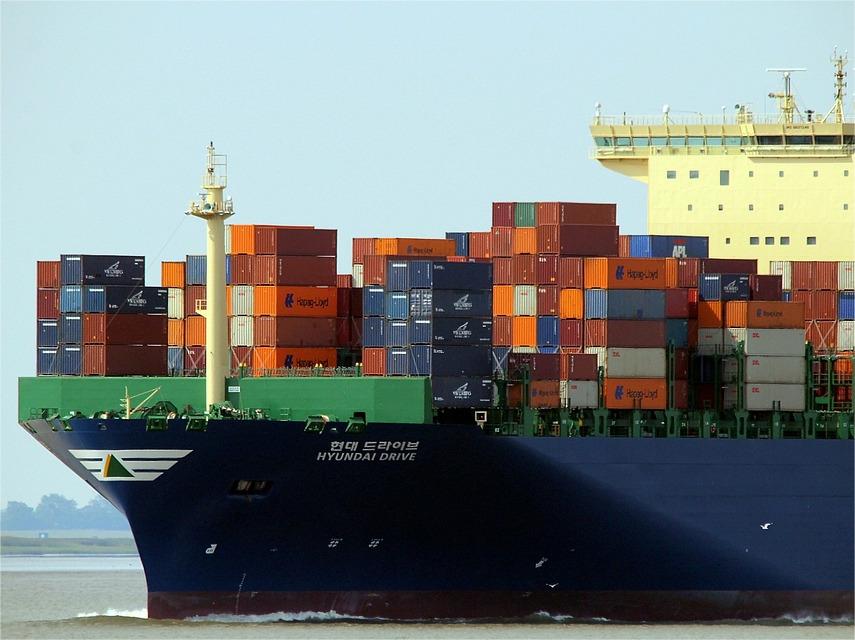
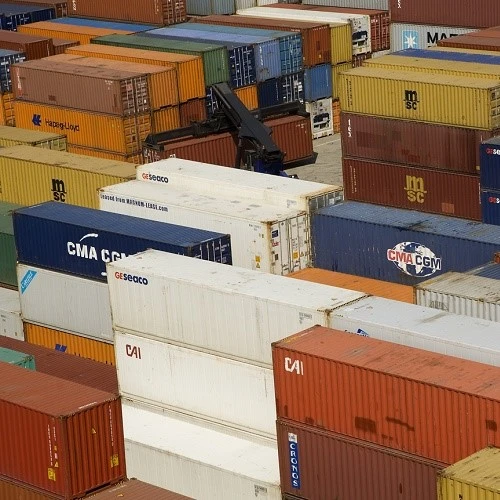
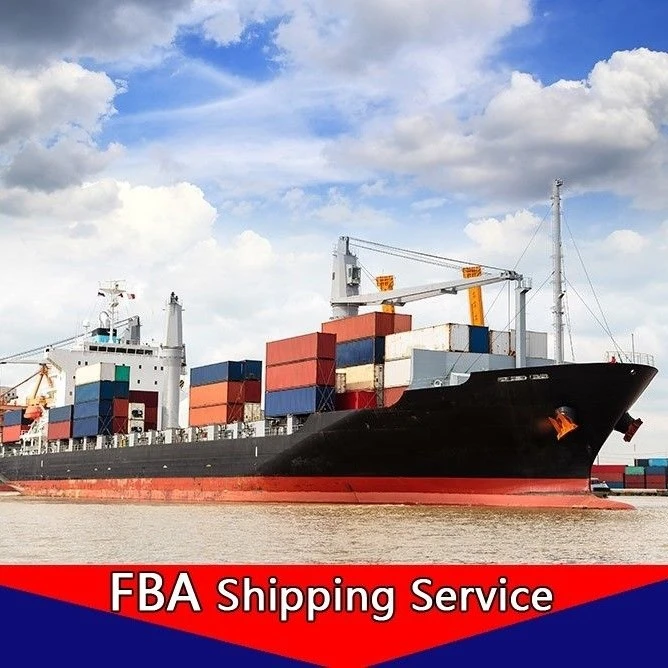
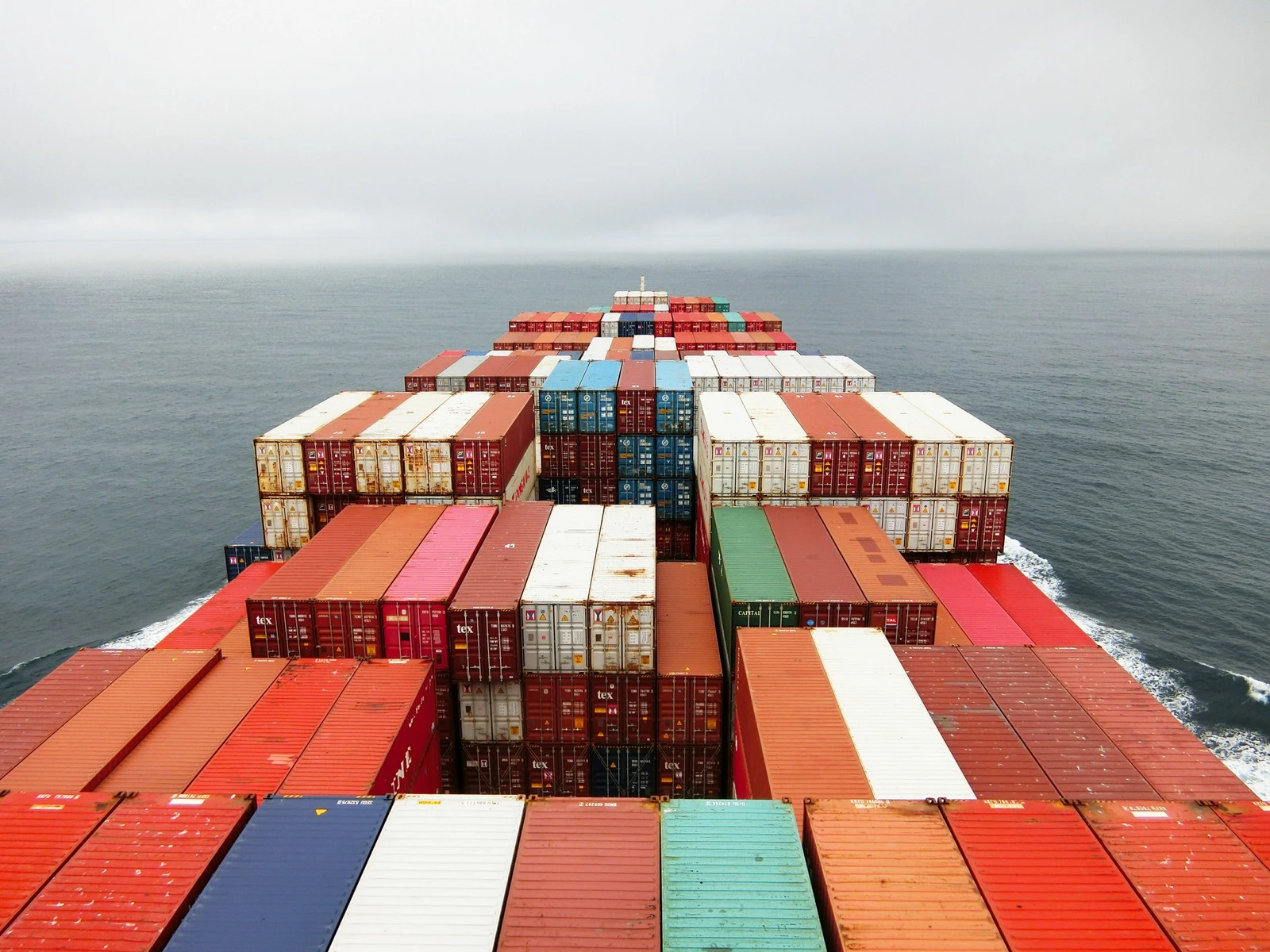
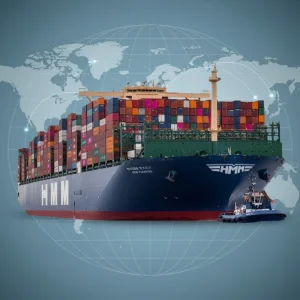
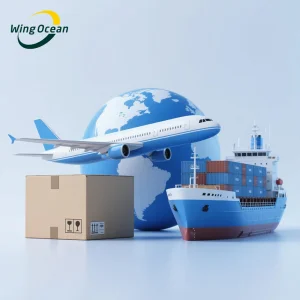
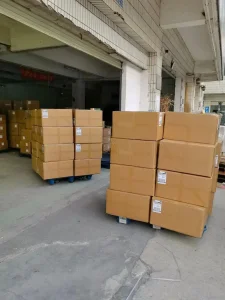
Direct bookings for sea container freight, air charter lines, regional trucking networks, and automated sorting delivery solutions.
Industrial supply chain operations are transitioning toward data-driven, predictive models. Standard scheduling frameworks are being replaced by automated, real-time routing engines. This evolution focuses on three core pillars:
Using machine learning to analyze global meteorological data, port congestion indexes, and fuel price trends. This allows the system to recommend optimal sea-air-land routes, avoiding common bottlenecks before they cause delays.
Integrating customs interfaces with digital ledgers to enable automatic tariff calculation, product classification, and document submission. This minimizes manual inspection delays and streamlines cross-border operations.
Expanding emissions-free urban logistics fleets, combined with solar-powered cold hubs. This integration helps global enterprises reduce their Scope 3 carbon footprint while maintaining strict temperature controls.
Expert insights on customs clearance, transport routing, temperature-controlled transit, and container logistics.
 Changi Logistics