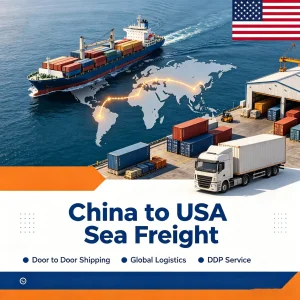
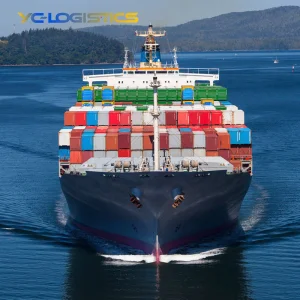
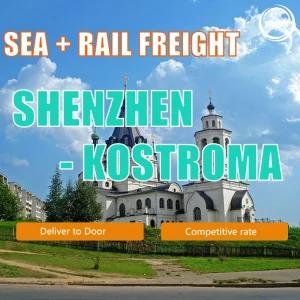
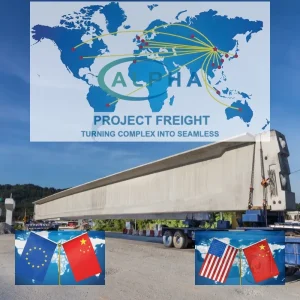
Explore our core integrated cold-chain systems, specialized oversized freight configurations, and express shipping agents.
In today's highly volatile global trade environment, raw product cost is only one component of your overall landed cost structure. Fluctuating bunker prices, geopolitical shifts in crucial trade corridors (such as the Suez and Panama Canals), and changing port congestion indices make comprehensive shipping cost analysis a critical tool for operational success.
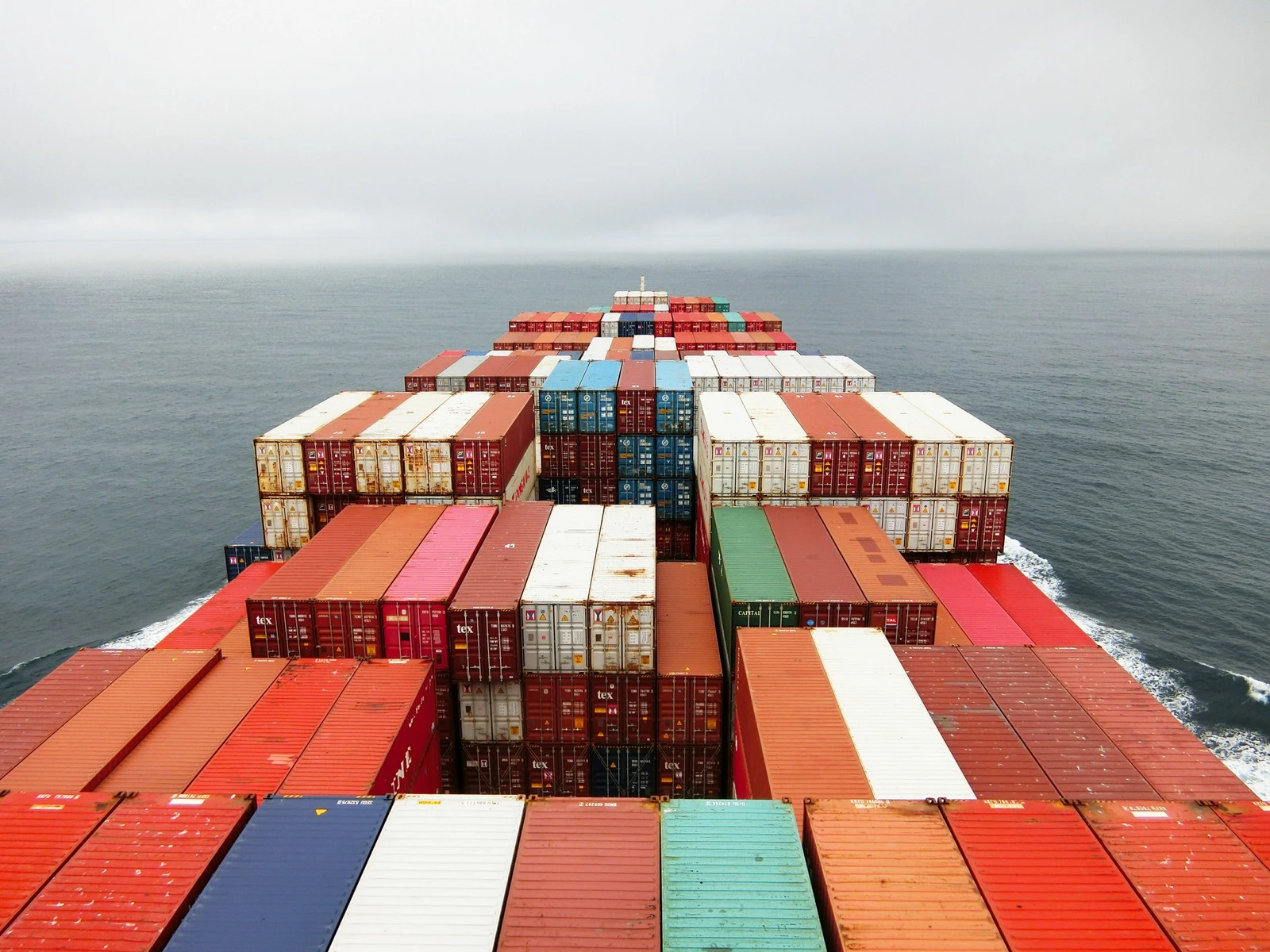
Leveraging direct alliances with major vessel operators, container manufacturers, and intermodal transport hubs, top Chinese freight forwarders and suppliers offer more than simple transport. They provide optimized routes, multi-carrier allocation strategies, and precise dynamic pricing to stabilize costs and maintain supply chain continuity.
Understanding the breakdown of global freight structures allows importers to optimize processes and avoid hidden destination fees.
| Cost Segment | Key Variables & Components | Analysis & Optimization Method | Typical Cost Share |
|---|---|---|---|
| Ocean/Air Line Freight | Fuel Surcharges (BAF), Peak Season Surcharges (PSS), Carrier Allotment | Locking contract rates (BSA) vs. utilizing spot market index fluctuations. | 50% - 70% |
| Inland Origin Drayage | Factory to Port distance, container chassis hire, terminal gate wait times | Grouping regional cargo into regional hubs near ports (Ningbo, Shenzhen, Shanghai). | 10% - 15% |
| Customs & Compliance | HS Code classification, duty rates, bond fees, import licenses | Pre-clearance processing to bypass demurrage and detention charges. | 5% - 10% |
| Destination Port Handling | THC, devanning (LCL), chassis split fees, warehousing, 3PL sorting | Strategic delivery terms selection (e.g., transitioning from DDU to DDP or FCA/FOB). | 10% - 20% |
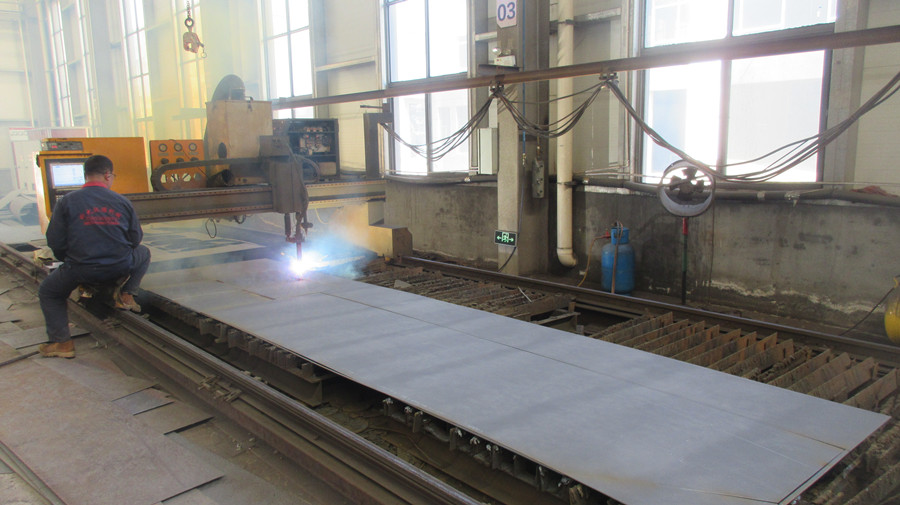
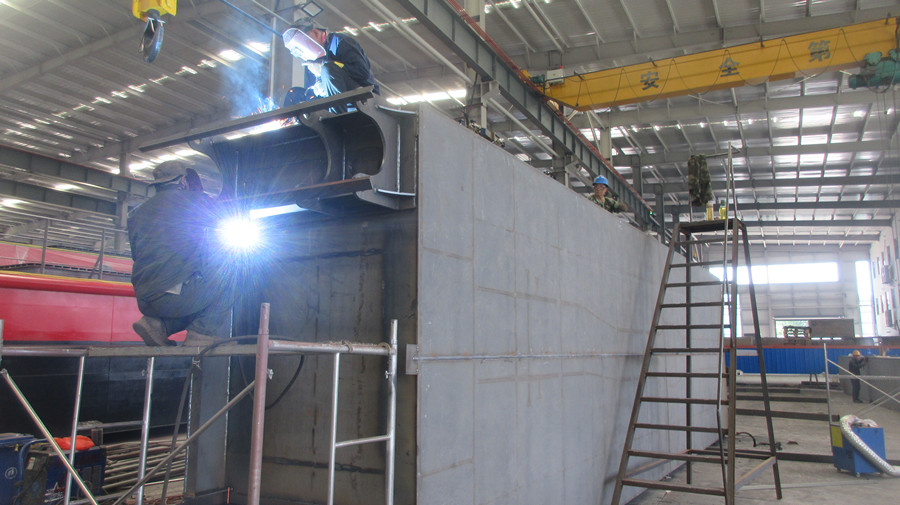
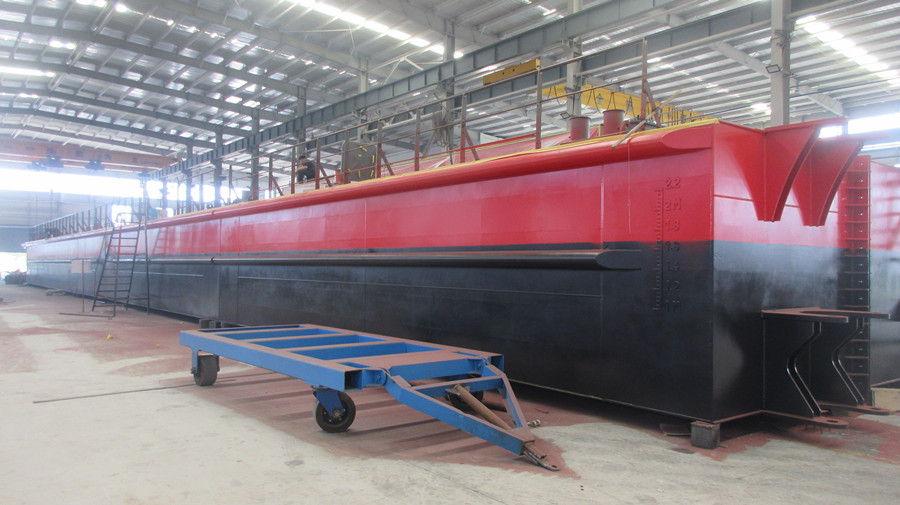
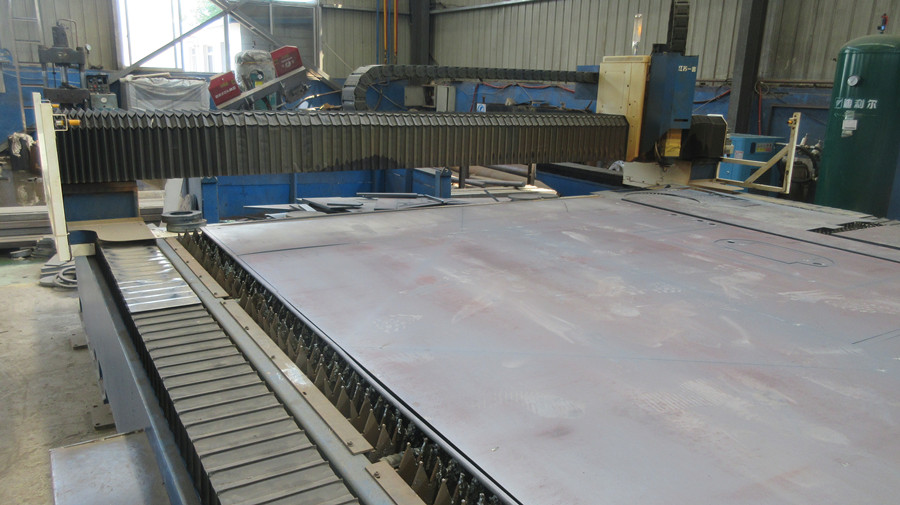
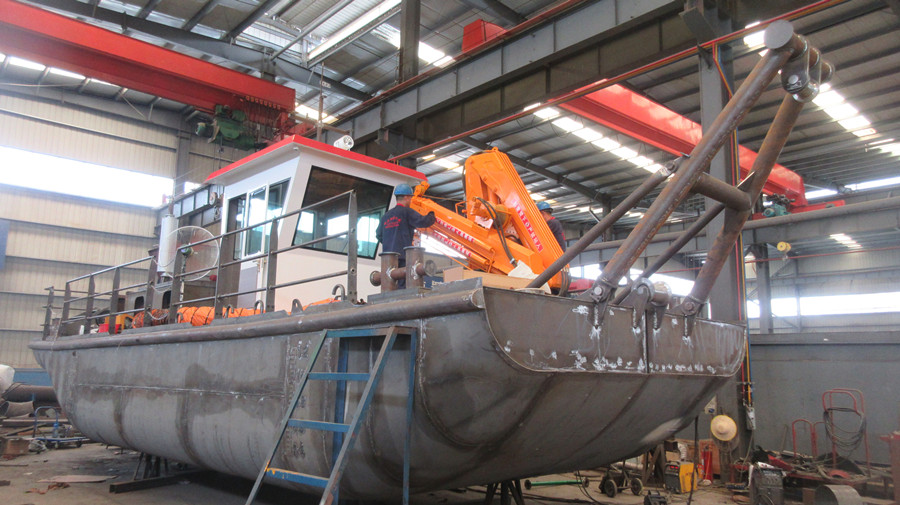
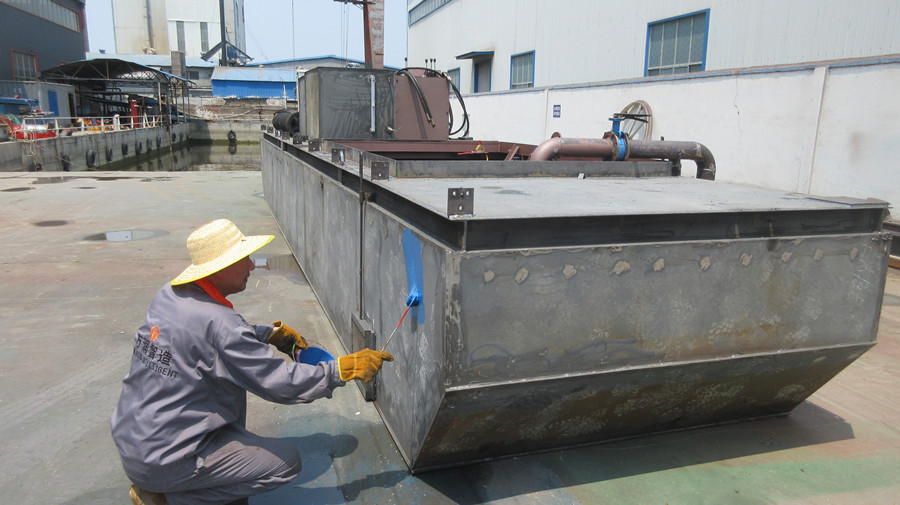
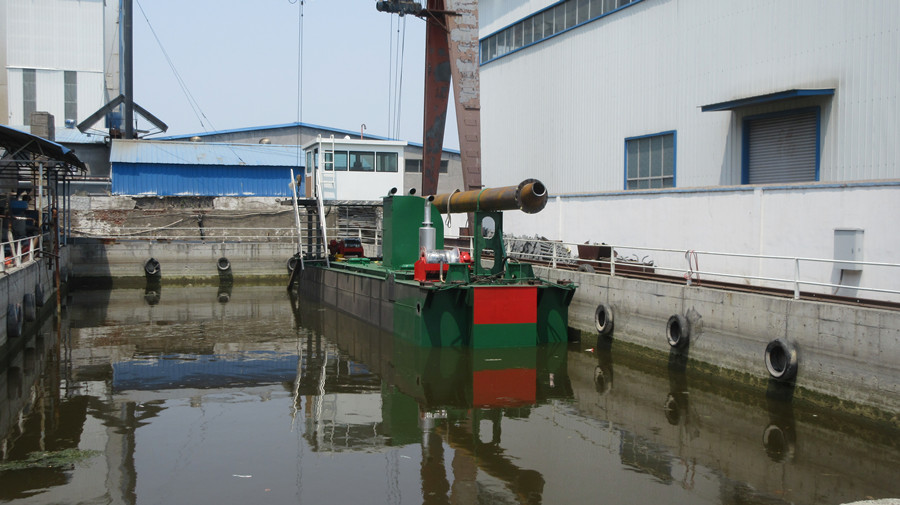
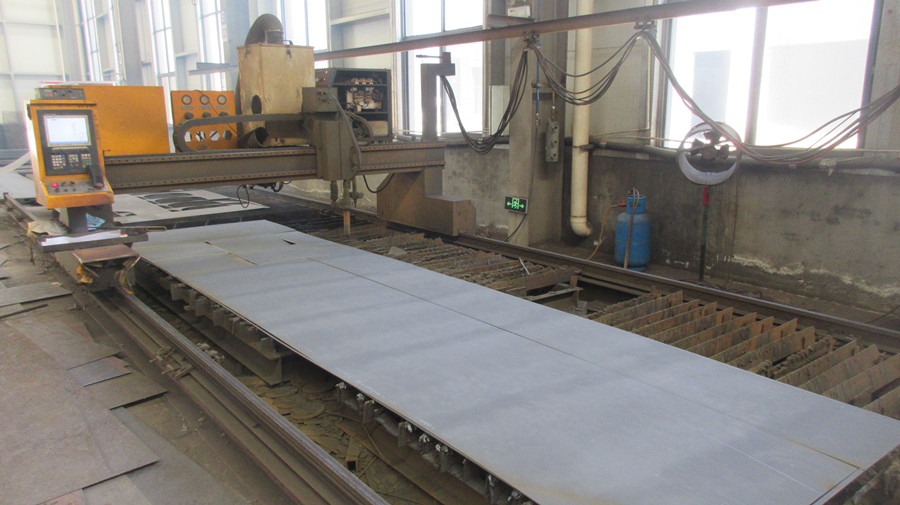
Logistical efficiency is built on advanced physical equipment. Review our manufacturing operations for specialized shipping equipment, reefers, and sorting gear.





When importing from China, choosing the correct Incoterm determines your liability limits and costs. With the growth of cross-border e-commerce, DDP (Delivered Duty Paid) has become a primary logistics standard.
Under DDP, the logistics provider manages export customs clearance, ocean/air shipping, import clearance, and final delivery. This is optimal for e-commerce operators who do not have local import licenses in destination countries like the USA, UK, or EU.
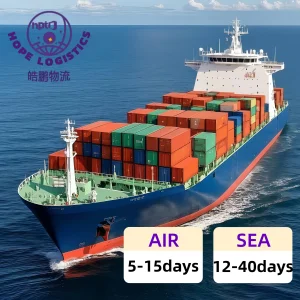
Less Than Container Load (LCL) consolidation balances speed and cost for small cargo volumes, while Full Container Load (FCL) minimizes handling risks and unit transportation costs for larger shipments.
Handling oversized cargo, batteries, and dangerous goods requires specialized certifications (e.g., UN38.3, MSDS) and carrier partnerships to prevent customs seizures and transit delays.
How digital integration and specialized containers are reshaping global transport efficiency.
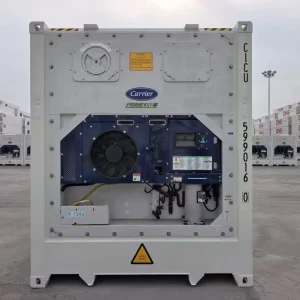
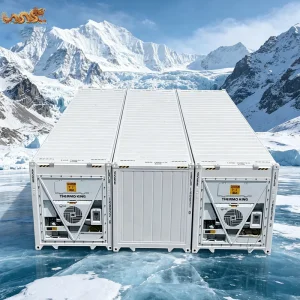
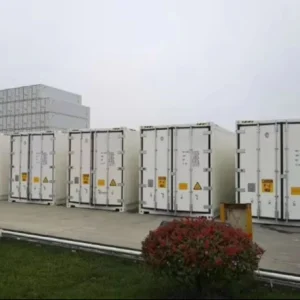
Next-generation refrigerated systems (such as our 40RF and 20ft Domestic Reefers) feature real-time IoT tracking. This provides shippers with live temperature and humidity logging, remote atmospheric adjustment capabilities, and status updates for sensitive foods and pharmaceuticals.
Integration of automated quote comparisons allows logistics managers to identify cost-saving routing opportunities. Dynamic freight rate prediction models enable businesses to bypass seasonal capacity constraints.
Optimized multimodal transit paths (such as combining Sea and Rail Freight from Shenzhen to Central/Eastern Europe) lower carbon emissions per ton-mile while maintaining reliable transit times.
Established in 2018, providing end-to-end supply chain integration and shipping management.
Guangdong Changi Logistics Co., Ltd. is a comprehensive logistics enterprise established in 2018, specializing in international freight forwarding and integrated supply chain solutions. The company is committed to providing efficient, reliable, and customized logistics services for global trade and cross-border e-commerce clients.
Our core services include international sea freight, air freight, rail transportation, multimodal transport, warehousing, customs clearance, and end-to-end supply chain management. With a strong global agency network and advanced digital logistics systems, we deliver cost-effective and time-efficient solutions to customers across various industries.
Founded in 2018, Guangdong Changi Logistics Co., Ltd. has grown alongside the rapid expansion of global trade and the rise of cross-border e-commerce. Starting as a traditional freight forwarding service provider, the company has evolved into a full-service logistics and supply chain solutions provider. Over the years, we have continuously enhanced our operational capabilities by integrating intelligent logistics management systems and real-time tracking technologies. These improvements have significantly increased service efficiency, transparency, and customer satisfaction, enabling us to become a competitive independent logistics provider in the industry.
Our vision is to become a leading global logistics and supply chain partner, driven by innovation and powered by technology. We aim to build a smarter, greener, and more efficient global logistics network that enables seamless international trade and sustainable business growth for our clients. We believe logistics is more than transportation—it is the foundation that connects global commerce and drives business success.
At Guangdong Changi Logistics Co., Ltd., we are committed to delivering long-term value to our clients through innovative logistics solutions and professional service excellence. Our mission is to:
Expert insights to help you navigate international logistics regulations, Incoterms, and charge structures.
Discover more specialized shipping routes, 3PL logistics, EMS options, and heavy-duty logistics packaging.


 Changi Logistics