Featured physical infrastructure, intelligent logistics units, and intermodal transport machinery engineered for absolute freight integrity.

A comprehensive analysis of contemporary telematics, hardware integration, and spatial telemetry within modern supply chains.
In an era defined by micro-second latency expectations and highly volatile global transport corridors, physical tracking solutions have shifted from a margin-protecting operational accessory to the very bedrock of enterprise risk mitigation. Modern logistics demands uninterrupted, granular custody streams that monitor not only simple coordinates but complex telemetry variables. With the rise of high-capacity e-commerce pipelines, cold-chain pharmaceutical mandates, and heavy-duty manufacturing transport, sourcing tracking systems directly from established Chinese factories has become the primary mechanism for international buyers to achieve scale, hardware customizability, and cost-containment.
The scope of a modern tracking solution stretches far beyond GPS beacons. It encompasses the hardware stack (sensors, GNSS chips, low-power cellular modules, battery architecture, and high-impact casing) and the corresponding software layer (APIs, edge processing algorithms, and cloud integration protocols). Procurement officers must balance these variables against rigorous global compliance standards and hardware-level environmental stresses. This document examines the structural strengths of Chinese tracking manufacturing, the mechanics of modern hardware-software integration, and the pathways through which businesses can unlock sustainable logistics growth.
Operating tracking devices across international borders exposes businesses to a complex web of legal, cyber-security, and radio compliance frameworks. A tracking unit that transmits telemetry data from a port in Shenzhen, transitions through international waters, and delivers data in Hamburg must dynamically adjust to varying regional standards.
GDPR & CCPA Sovereignty: Modern IoT devices utilize advanced eSIM and roaming technologies that must route data packages in strict accordance with the European Union’s General Data Protection Regulation (GDPR) and the California Consumer Privacy Act (CCPA). This requires the segregation of Personally Identifiable Information (PII) at the device level, ensuring location telemetry, driver behavior profiles, and operational schedules are encrypted using AES-256 standards. Our systems support decentralized server mapping, allowing local storage of telemetry nodes to conform to regional data residency laws.
Radio & Safety Compliance (CE, FCC, PTCRB): Sourcing telemetry equipment without verified FCC (Federal Communications Commission) or CE (Conformité Européenne) marks risks severe customs delays or operational bans. As a leading manufacturer, we ensure all integrated modules undergo rigorous PTCRB (Personal Transcommunication Certification Review Board) testing, validating that cellular radiation signatures do not interfere with local network infrastructures or standard vehicle telematics, such as the ABS Anti-Lock Braking System Semitrailers utilized in container shipping.
A premier global supply chain facilitator, integrating physical logistics and high-precision tracking technologies.
Guangdong Changi Logistics Co., Ltd. is a comprehensive logistics enterprise established in 2018, specializing in international freight forwarding and integrated supply chain solutions. The company is committed to providing efficient, reliable, and customized logistics services for global trade and cross-border e-commerce clients.
Our core services include international sea freight, air freight, rail transportation, multimodal transport, warehousing, customs clearance, and end-to-end supply chain management. With a strong global agency network and advanced digital logistics systems, we deliver cost-effective and time-efficient solutions to customers across various industries.
Founded in 2018, Guangdong Changi Logistics Co., Ltd. has grown alongside the rapid expansion of global trade and the rise of cross-border e-commerce. Starting as a traditional freight forwarding service provider, the company has evolved into a full-service logistics and supply chain solutions provider.
Over the years, we have continuously enhanced our operational capabilities by integrating intelligent logistics management systems and real-time tracking technologies. These improvements have significantly increased service efficiency, transparency, and customer satisfaction, enabling us to become a competitive independent logistics provider in the industry.
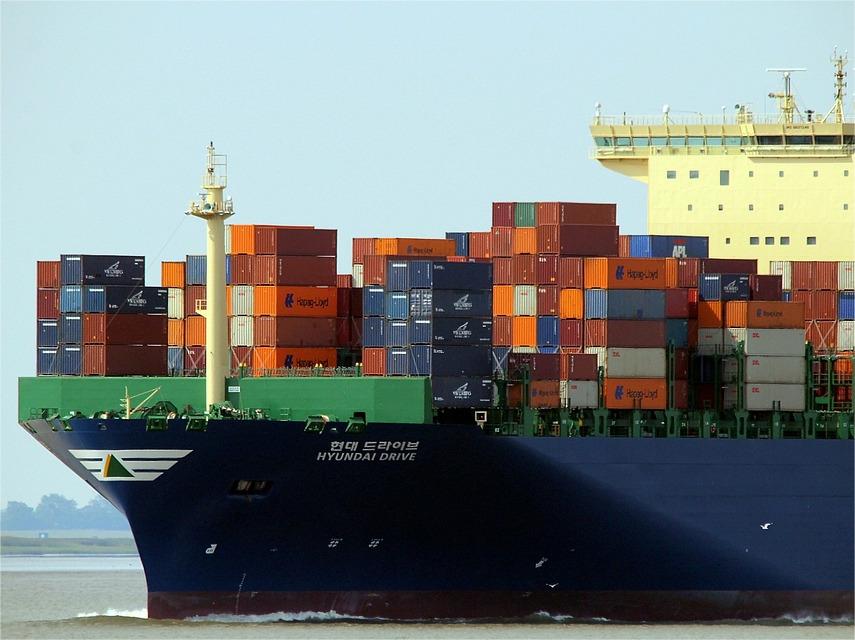
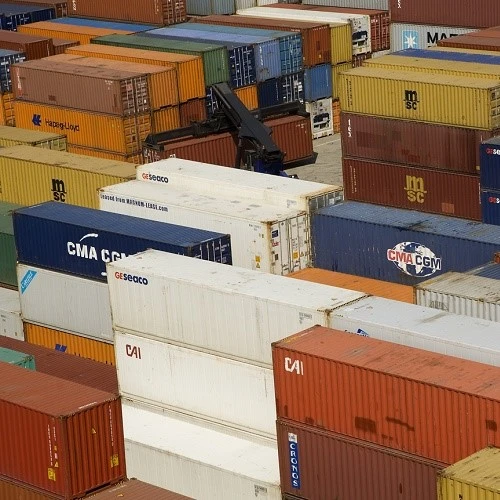


Driving operational excellence and digital interconnectivity across international logistics networks.
Our vision is to become a leading global logistics and supply chain partner, driven by innovation and powered by technology. We aim to build a smarter, greener, and more efficient global logistics network that enables seamless international trade and sustainable business growth for our clients.
At Guangdong Changi Logistics Co., Ltd., we are committed to delivering long-term value to our clients through innovative logistics solutions and professional service excellence. We optimize supply chains and build robust digital architectures that bring absolute transparency to global trade.
Provide safe, stable, and efficient international logistics services; optimize global supply chain structures to reduce overall logistics costs; enhance digitalization and visibility across the entire shipping process; build trusted, long-term partnerships with global clients.
We believe logistics is more than transportation—it is the foundation that connects global commerce and drives business success. By combining our physical shipping solutions, such as Less Container Load (LCL) Door-to-Door DDP Shipping or dedicated air charter operations, with high-accuracy IoT tracking networks, we eliminate black holes in the supply chain and provide real-time risk mitigation.
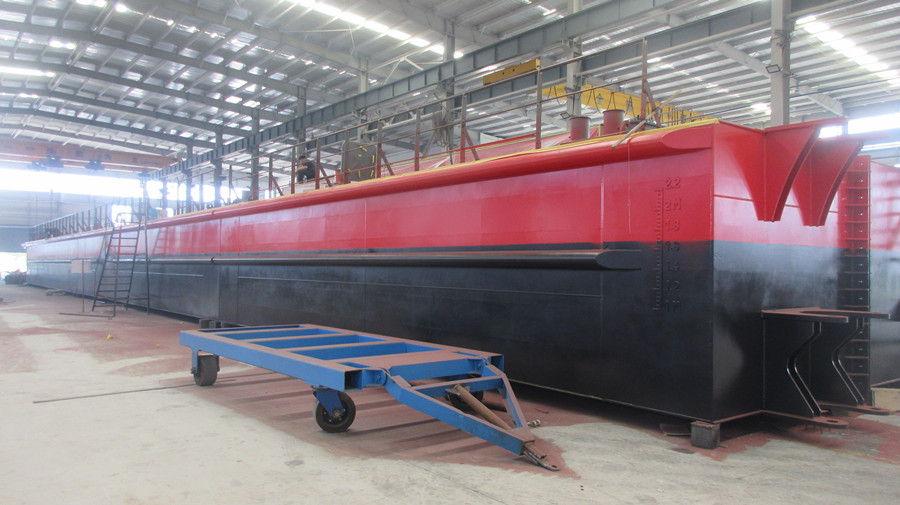
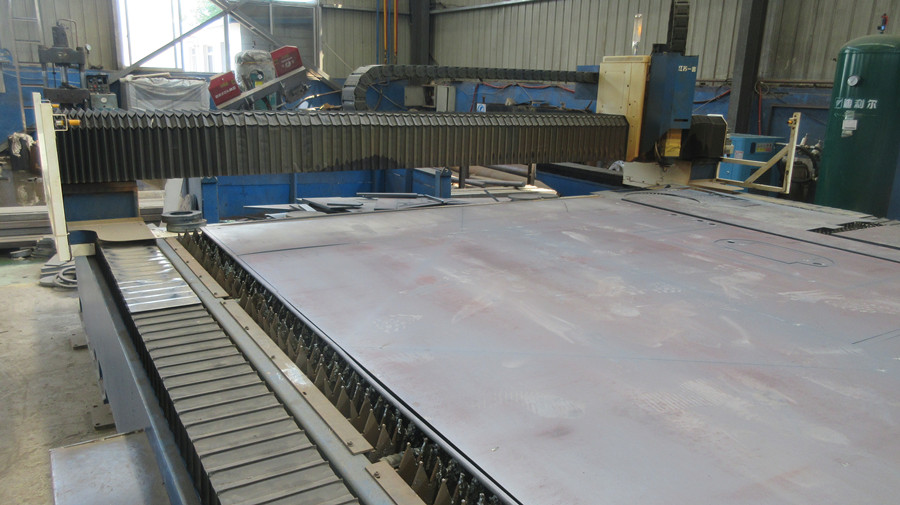
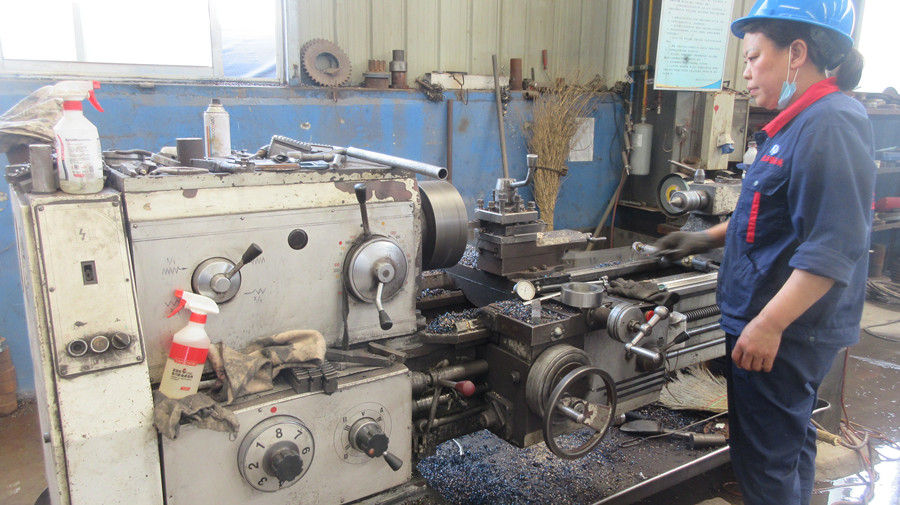
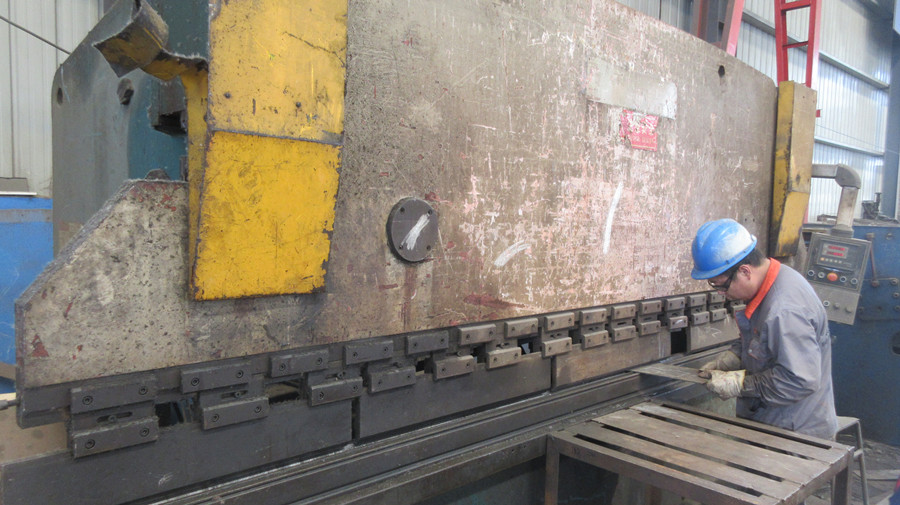
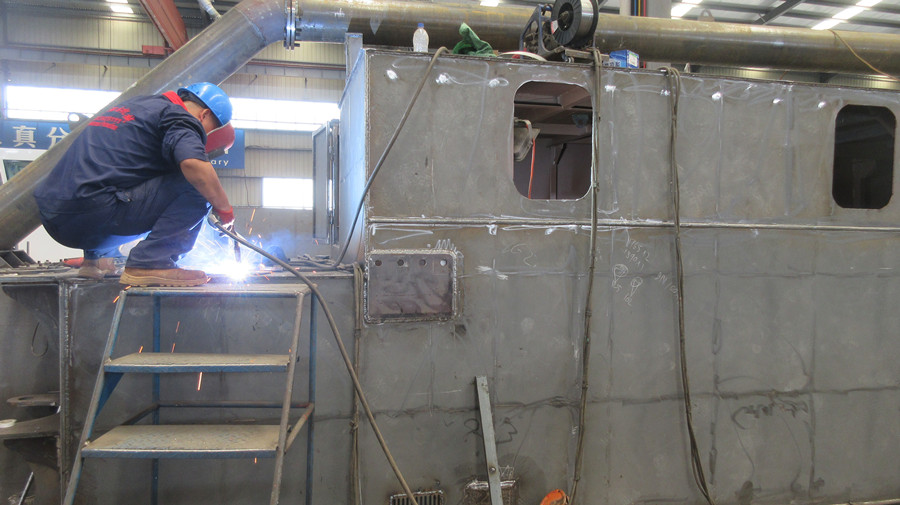
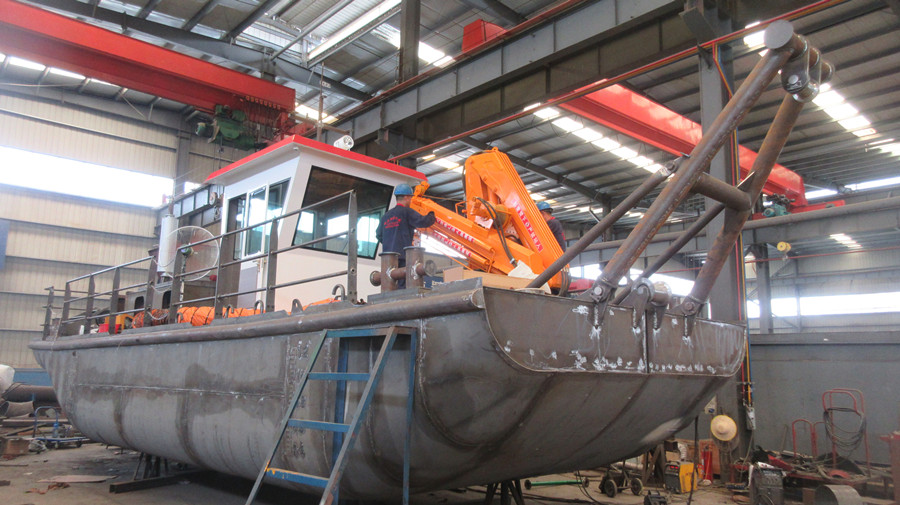
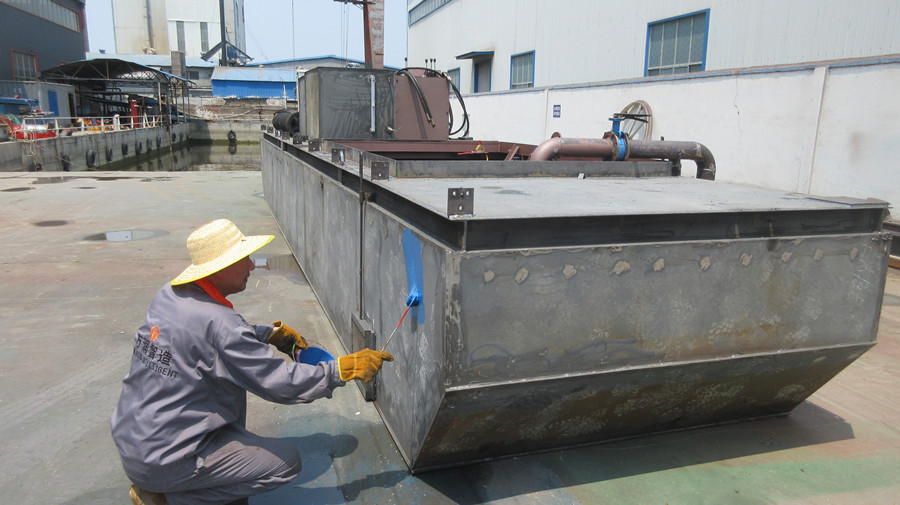
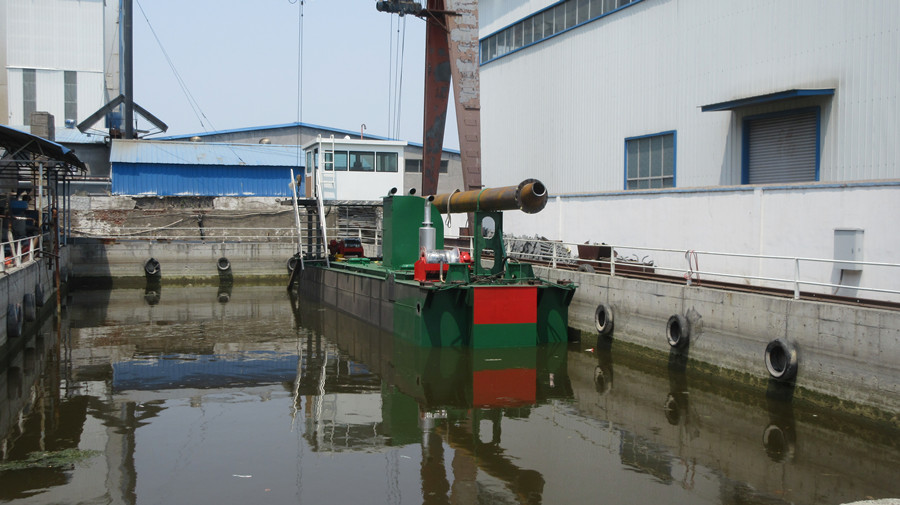
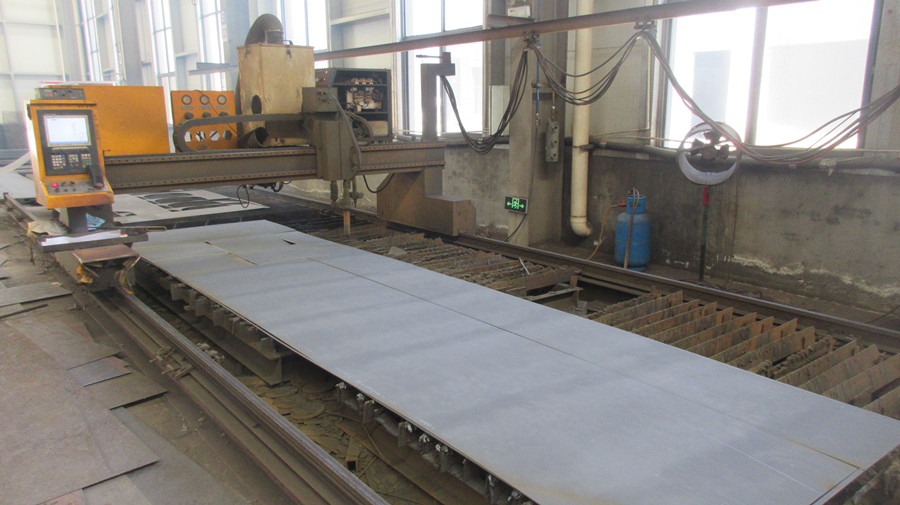
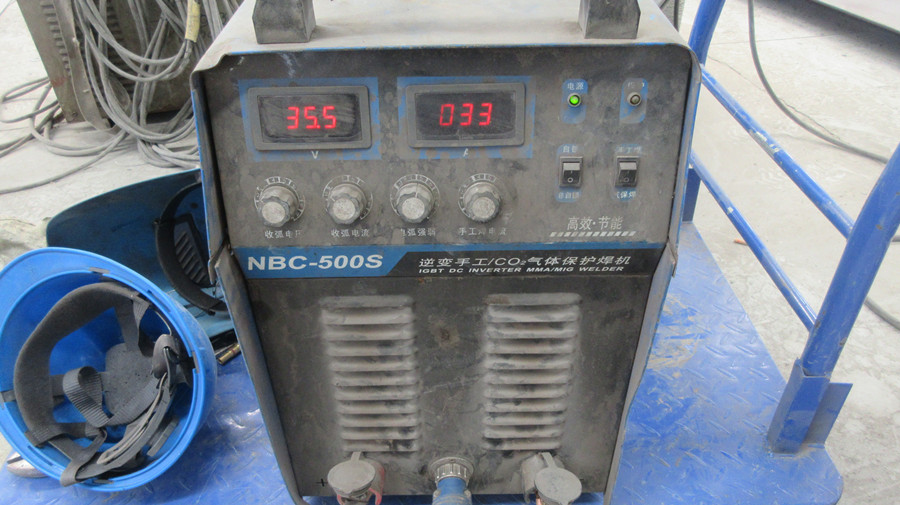
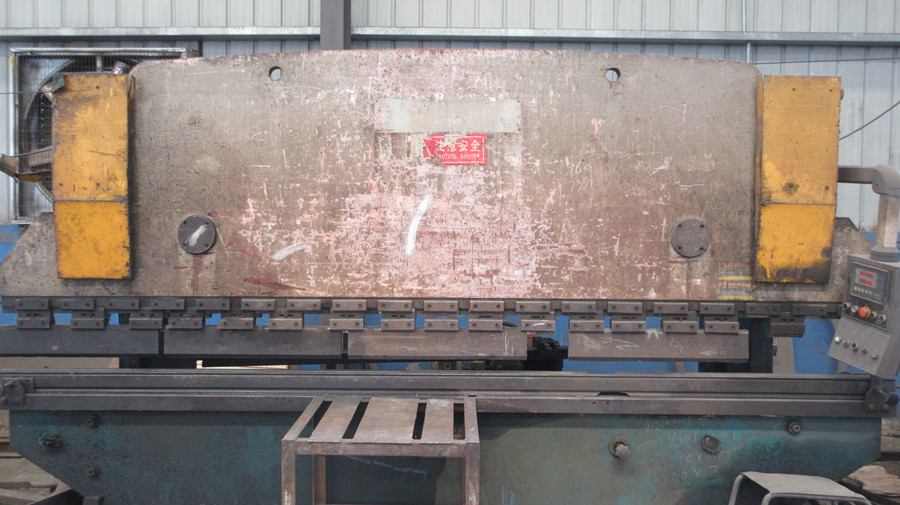
A visual showcase of our hardware fabrication, structural assembly, and automated testing machinery.
To support heavy-duty logistics equipment, our manufacturing plant utilizes specialized industrial processes. From precision raw material cutting to structural welding and dynamic stress testing, our physical components conform to the highest safety standards required for heavy-duty intermodal transit.
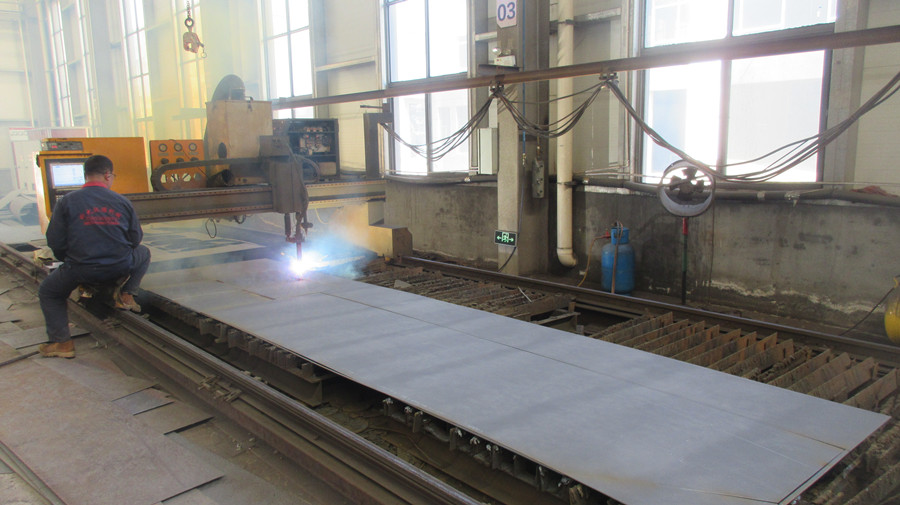
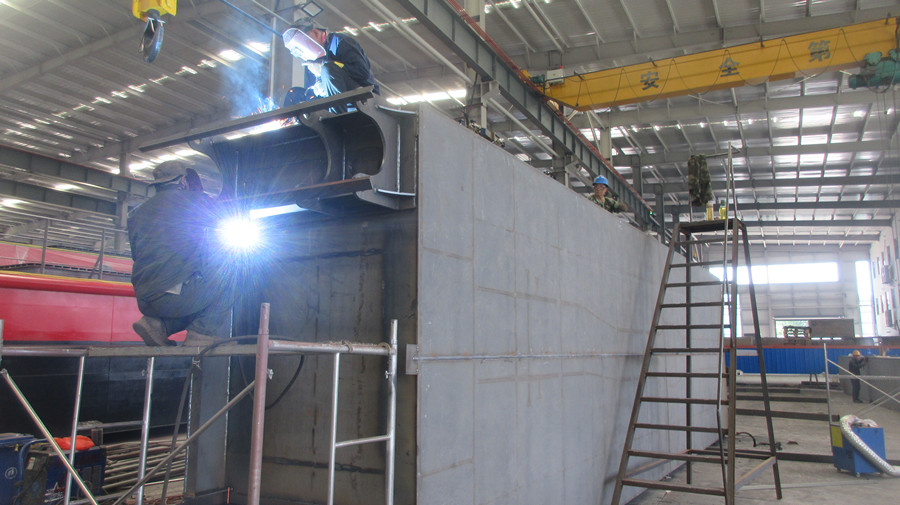
How physical and digital tracking integration delivers a unique competitive edge for global logistics managers.
The production of telemetry systems in China benefits from a highly concentrated electronic component and structural metal fabrication supply chain. In regions like Guangdong, hardware components, printed circuit boards (PCBs), long-life lithium-thionyl chloride (Li-SOCl2) batteries, and enclosure materials are sourced within a 50-kilometer radius. This geographic proximity drastically compresses standard production cycles and enables rapid hardware customization (such as adapting sensor nodes for specific marine applications, including Used Reefer Shipping Containers).
Modern enterprises do not operate with isolated logistics software. For tracking solutions to be effective, hardware telemetry must pipe directly into core Enterprise Resource Planning (ERP) platforms (such as SAP, Oracle, or Microsoft Dynamics) and Transport Management Systems (TMS). Our factory-engineered IoT platforms resolve integration friction by offering native RESTful APIs and standardized EDI (Electronic Data Interchange) output protocols.
API Push/Pull Architectures: Telemetry streams, including spatial coordinates, temperature fluctuations, and shock warnings, are formatted as clean JSON outputs and pushed to client endpoints via Webhooks. This minimizes bandwidth consumption and ensures tracking dashboards update in real time.
Automated Customs Brokerage: Integration with local customs systems via EDI 214 and EDI 315 messages allows freight forwarders to automate arrival notices. When tracking devices confirm a container has entered a predefined geofence near USA, EU, or UK ports, clearing agents receive auto-populated transit documentation, speeding up customs release.
Sourcing tracking devices requires a long-term technology road map to avoid rapid hardware obsolescence. The telematics industry is transitioning away from 2G/3G connectivity toward LPWAN (Low-Power Wide-Area Networks) and edge intelligence.
NB-IoT & LTE-M Optimization: Narrowband IoT (NB-IoT) and Long Term Evolution for Machines (LTE-M) have become the global standards for asset tracking. These technologies provide deep signal penetration—vital for containers buried deep within container ships—and operate with minimal energy draw, extending battery life up to 10 years without maintenance.
Edge Computing & Machine Learning: Next-generation tracking units analyze motion profiles on-board rather than sending raw accelerative data back to the cloud. By running lightweight algorithms on the edge, a sensor can differentiate between normal rail vibrations and a cargo breach. It then transmits alert packages only when anomalies occur, conserving battery and reducing transmission costs.
Analyzing physical deployments across high-stakes logistics pipelines and specialized transport sectors.
To understand the practical impact of integrated tracking technologies, we look at three critical logistics scenarios where real-time monitoring and specialized hardware prevent costly inventory write-offs and structural failures.
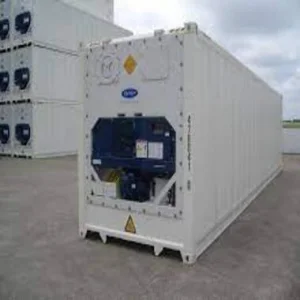
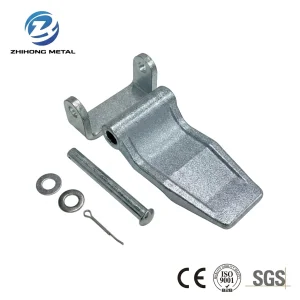
Food and pharmaceutical shipments require consistent temperature management. By deploying IoT trackers inside Used Reefer Shipping Containers, logistics teams receive real-time temperature, humidity, and ambient light warnings. If a reefer's cooling unit fails on a long ocean voyage, the tracking system alerts the crew via local wireless protocols or broadcasts a satellite warning, enabling quick repair before cargo spoils. The physical reliability of the reefer is further reinforced by heavy-duty hardware like Anti-Corrosion Reefer Container Door Hinge Plates, which secure the thermal seal against salt-spray degradation.
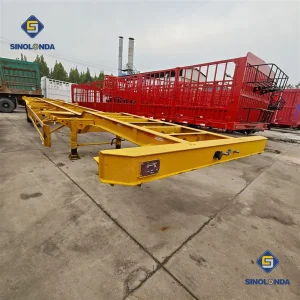
Transporting heavy-duty containers over land routes exposes cargo to severe vibrations and sudden braking. Modern transport units utilize trailers like the ABS Anti-Lock Braking System Skeleton Semitrailer, which dynamically adjusts braking forces to prevent jackknifing. By pairing these safety systems with cellular tracking devices, fleet operators monitor brake-pad wear, tire pressure, and trailer load balance. This telemetry is pushed to central hubs to prevent road accidents and schedule predictive maintenance.
For fast delivery channels like DDP (Delivered Duty Paid) air freight, tracking systems help shippers monitor high-value parcels. High-accuracy flight-safe trackers automatically enter "airplane mode" during takeoff and wake up upon landing, giving operators instant cargo location updates. This transparency is critical for time-sensitive air charters, such as flights between China and Indonesia, helping logistics teams coordinate fast last-mile deliveries.
Direct answers to complex inquiries concerning IoT tracking hardware, data transmission, and custom sourcing.
Our tracking hardware connects to cloud servers that output standardized API payloads. We support JSON push notifications via Webhooks and standard EDI formats (like EDI 214 and 315) to integrate with major ERP platforms such as SAP, Oracle, and cargo systems. This allows logistics teams to automate tracking updates and custom clearance triggers.
Our telemetry devices feature multi-band LTE-M, NB-IoT, and 2G fall-back modules. This ensures seamless coverage across global shipping lanes. The devices automatically connect to local cellular networks (such as AT&T, Vodafone, or China Mobile) without requiring manual hardware adjustments.
All telemetry transmission protocols comply with GDPR requirements. Location and cargo status data are encrypted using AES-256 protocols at the hardware level, and personal identifying information (PII) is removed. Furthermore, we support routing to localized servers in Germany and Ireland to comply with strict EU data laws.
Battery life depends on report frequency and network conditions. Using optimized LPWAN networks (NB-IoT), a tracker reporting location once per day can operate for up to 8-10 years on a single lithium battery. For high-frequency reporting (e.g., every 15 minutes), battery life ranges from 6 to 12 months, and units are easily rechargeable or replaceable.
Yes. Our tracking enclosures are rated IP67 or IP69K, indicating complete protection against dust ingress and high-pressure water jets. They are constructed with UV-stabilized polymers and stainless steel mounts to resist salt-water corrosion on long ocean transits.
We provide full OEM and ODM services. This includes custom plastic injection molding, private label branding, custom antenna tuning, custom firmware integration, and proprietary API development. This allows large enterprise clients to deploy branded tracking systems across their private fleets.
Explore our complete inventory of industrial transit vehicles, air cargo charters, and durable container accessories.


 Changi Logistics