Strategic maritime logistics routes supporting global importers and manufacturers
Navigating ocean freight logistics to Argentina requires deep expertise in local regulatory frameworks and volatile maritime corridor developments. The Argentine market acts as a major commercial hub in South America's Southern Cone, with the Port of Buenos Aires, Port of Rosario, and Port of Bahía Blanca handling millions of TEUs annually. However, import/export policies such as the SIRA (Sistema de Importaciones de la República Argentina) and the transition to the newer SEDI system place heavy demands on compliance documentation and real-time tracking.
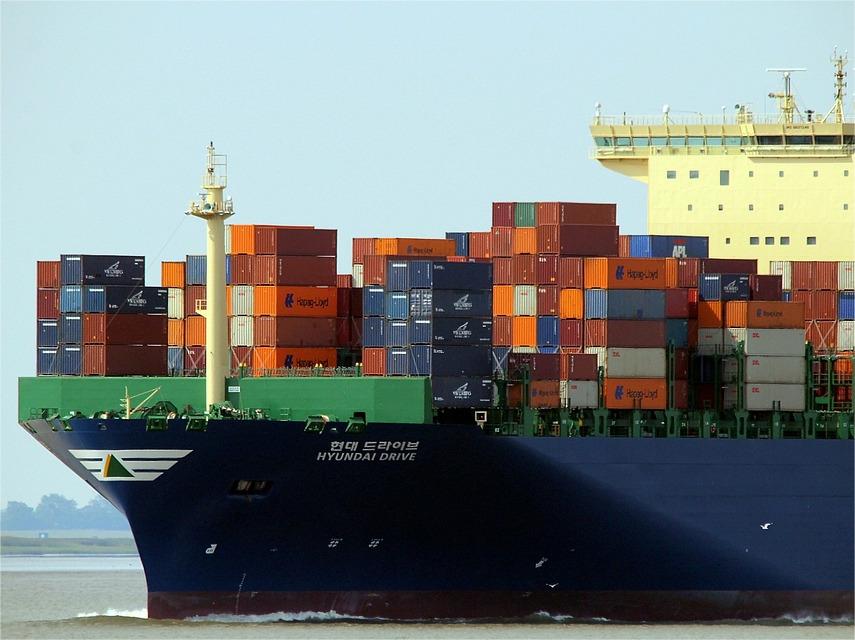
For multinational buyers, FCL (Full Container Load) logistics serves as the bedrock of supply chain stability. FCL solutions offer unmatched advantages in terms of cargo security, cost-efficiency per cubic meter, and faster processing at customs checkpoints compared to LCL. In industries such as automotive components, industrial machinery, raw chemical inputs, and electronic parts, FCL allows direct door-to-port or door-to-door transit without the consolidation bottlenecks common in Latin American routes.
With major shipping alliances deploying modern Post-Panamax vessels on East Coast South America (ECSA) routes, managing container allocations and securing space during peak agricultural or industrial export seasons is vital. Partnering with a logistics provider possessing native operational knowledge of Argentine AFIP regulations and Terminales Río de la Plata (TRP) operations is a strategic necessity.
Navigating Argentina's complex tariff structures, SIMI/SIRA clearances, and foreign exchange restrictions under the BCRA guidelines.
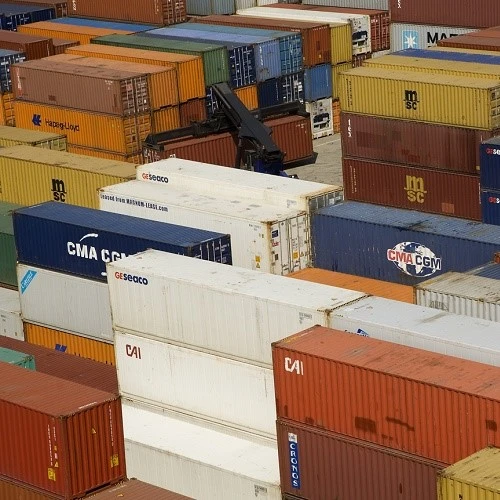
Immediate availability of 20GP, 40GP, 40HQ, and customized Reefer units for sensitive agricultural goods or heavy machinery.
Pre-negotiated free time conditions at Argentine port terminals to prevent unexpected administrative surcharges.
Ensuring end-to-end reliability for manufacturing processes, raw materials, and finished goods.
For modern global buyers, purchasing materials or shipping goods to the Argentine market requires robust logistics framework planning. Maritime freight isn't just about moving containers; it is the process of integrating factory floor timelines with port cargo cutoff windows. Our FCL ocean freight logistics programs are tailored specifically for industrial exporters and high-volume manufacturers who cannot afford supply chain disruptions.
By leveraging direct carrier relationships with major alliances, we offer optimized transit routings from leading Chinese ports (Shanghai, Ningbo, Shenzhen, Qingdao) to Argentine destinations. We specialize in navigating transshipment bottlenecks in major transit ports such as Santos (Brazil) or Montevideo (Uruguay) to ensure that the risk of container rollover is minimized during peak shipping periods.
Guangdong Changi Logistics Co., Ltd. - Your trusted global logistics architect
Guangdong Changi Logistics Co., Ltd. is a comprehensive logistics enterprise established in 2018, specializing in international freight forwarding and integrated supply chain solutions. The company is committed to providing efficient, reliable, and customized logistics services for global trade and cross-border e-commerce clients.
Our core services include international sea freight, air freight, rail transportation, multimodal transport, warehousing, customs clearance, and end-to-end supply chain management. With a strong global agency network and advanced digital logistics systems, we deliver cost-effective and time-efficient solutions to customers across various industries.
Over the years, we have continuously enhanced our operational capabilities by integrating intelligent logistics management systems and real-time tracking technologies. These improvements have significantly increased service efficiency, transparency, and customer satisfaction, enabling us to become a competitive independent logistics provider in the industry.
Our vision is to become a leading global logistics and supply chain partner, driven by innovation and powered by technology. We aim to build a smarter, greener, and more efficient global logistics network that enables seamless international trade and sustainable business growth for our clients. At Guangdong Changi Logistics Co., Ltd., we are committed to delivering long-term value to our clients through innovative logistics solutions and professional service excellence. Our mission is to:
We believe logistics is more than transportation—it is the foundation that connects global commerce and drives business success.
Technical capabilities powering heavy industrial logistics and supply chain packaging solutions
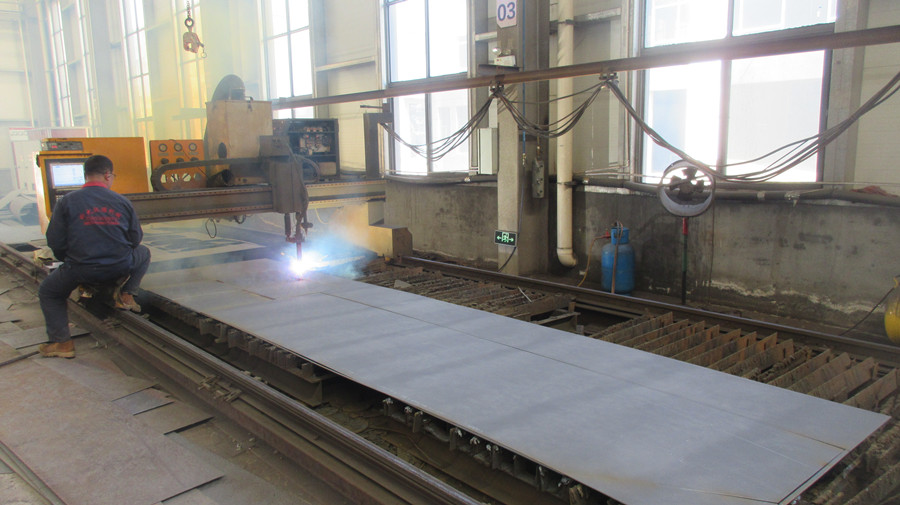
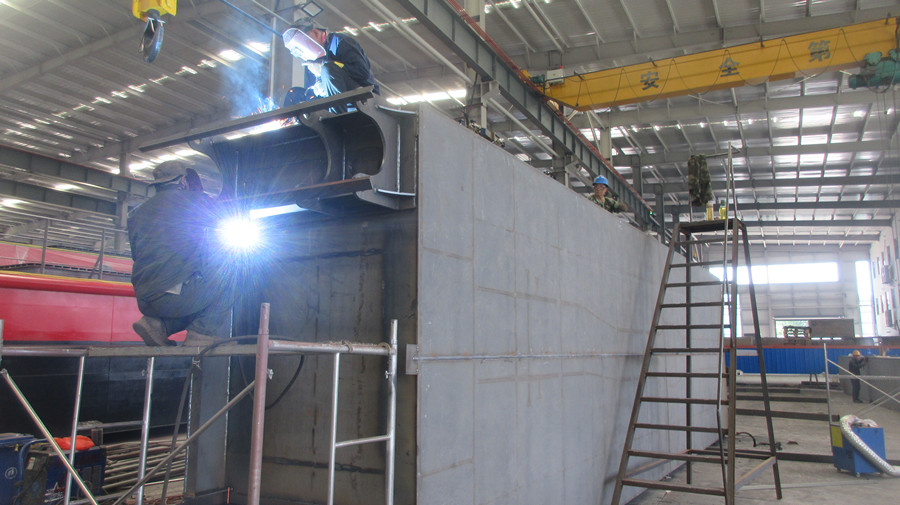
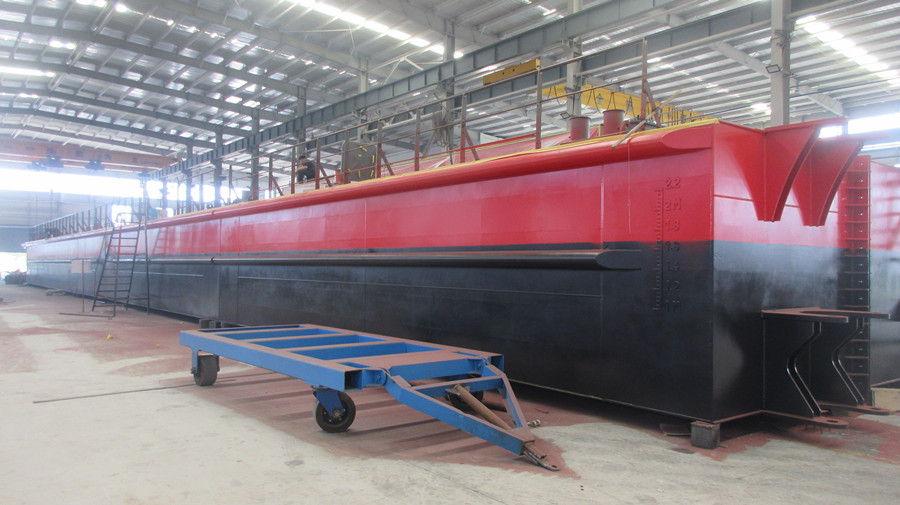
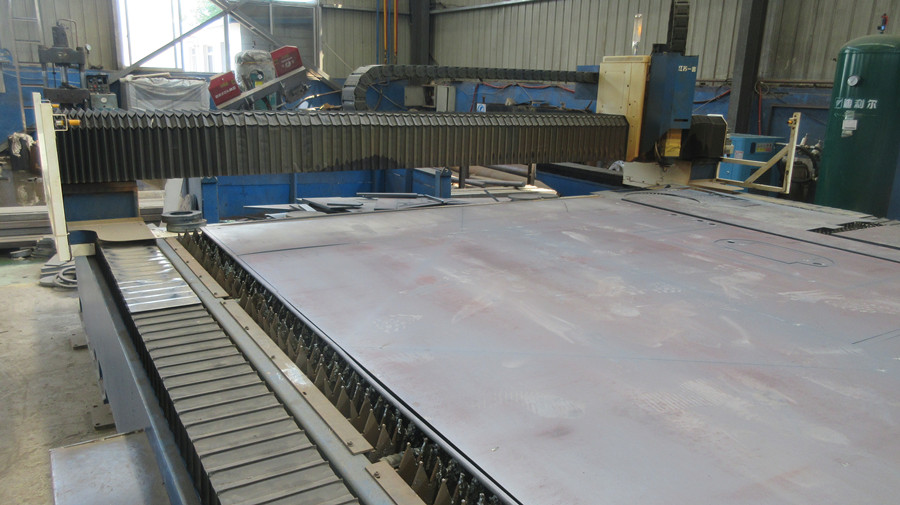
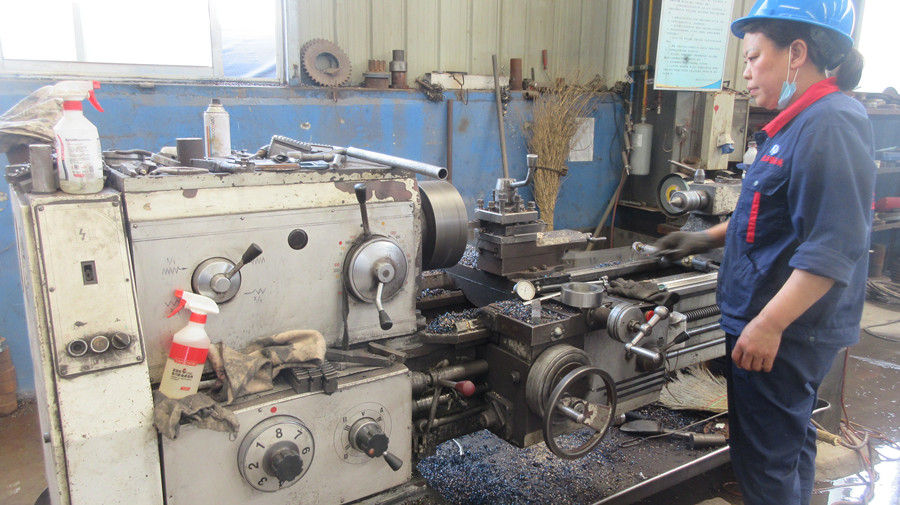
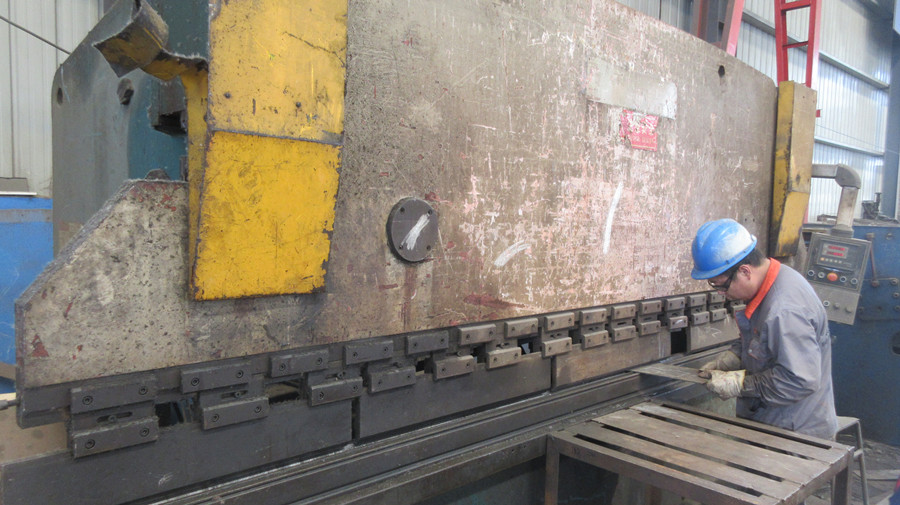
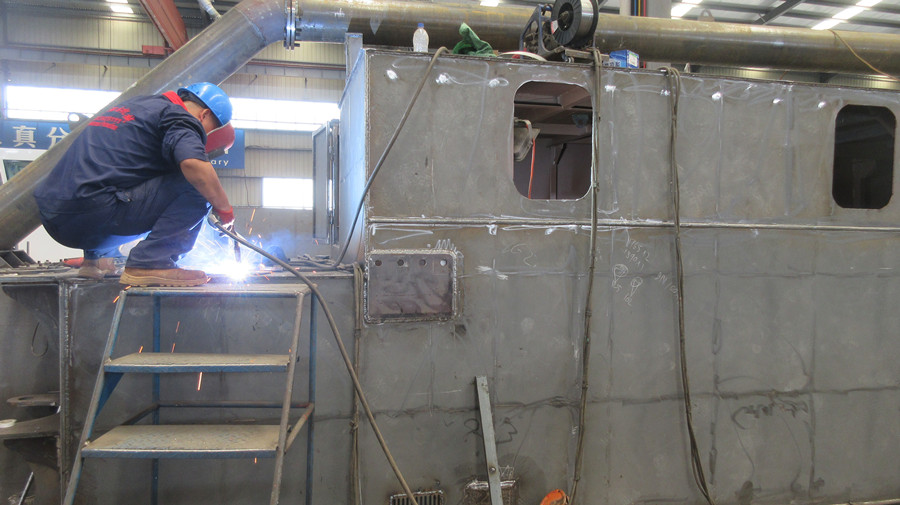
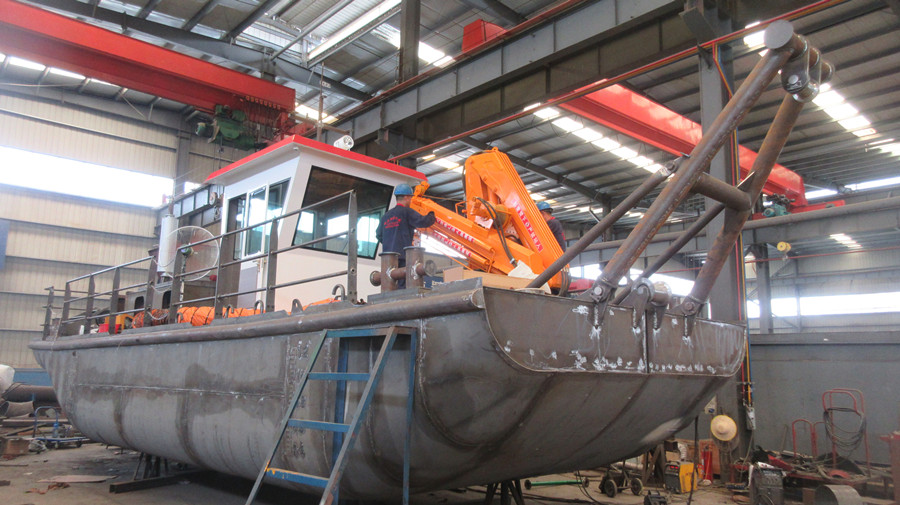
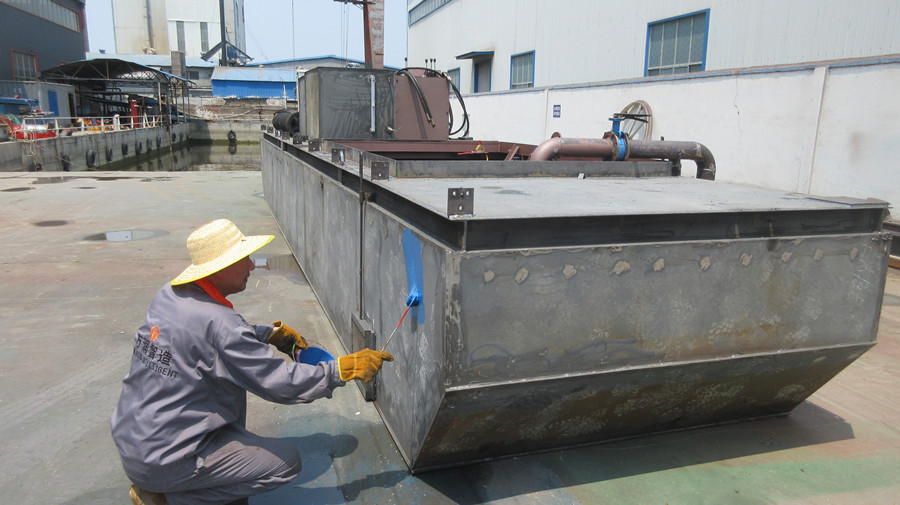
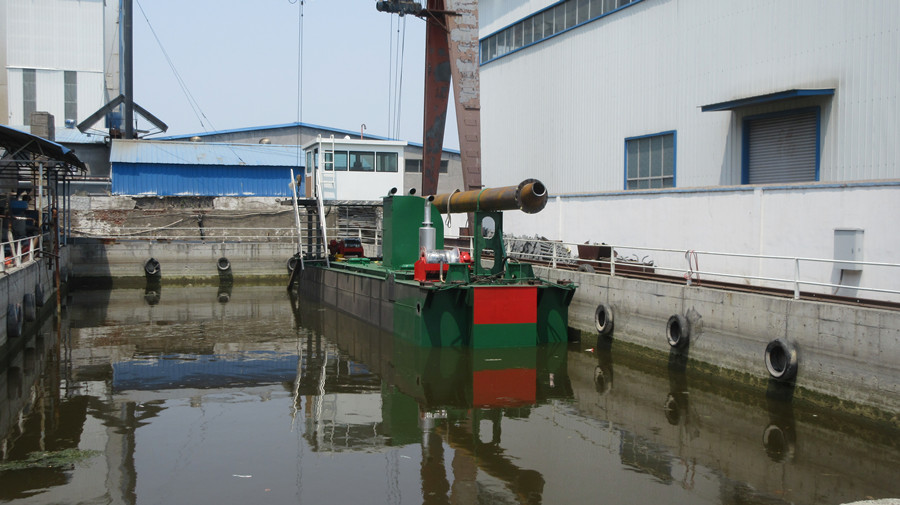
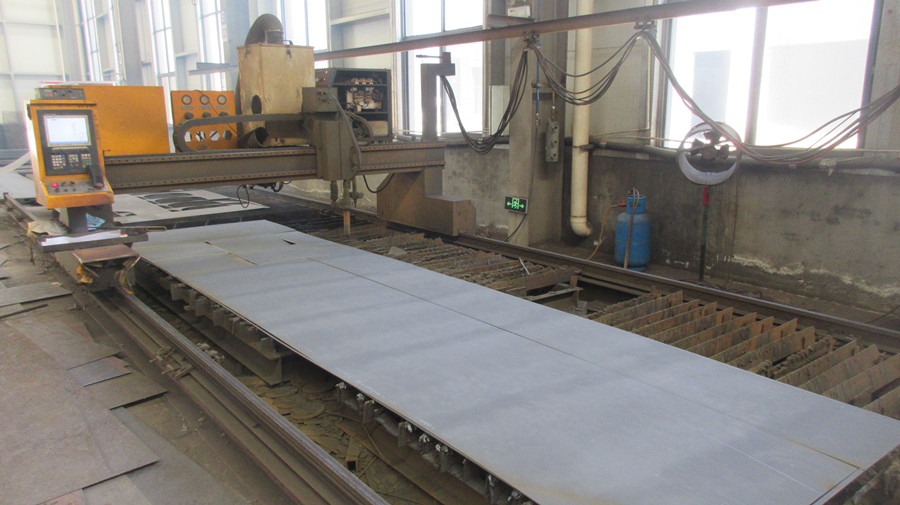
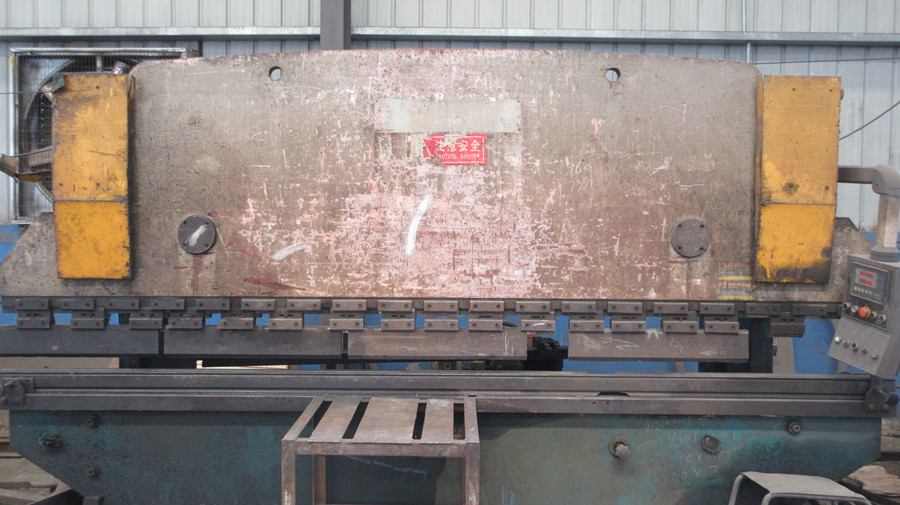
To support heavy machinery exporters shipping specialized equipment or complex parts to Argentina, we implement a highly structured manufacturing support process. From metal structural framing to secure container loading structures, we ensure goods withstand the mechanical stresses of cross-ocean maritime shipping.

Driving logistical efficiency through modern API interfaces, live telematics, and green ocean practices.
In response to increasing demands for tracking agricultural imports and exports in Buenos Aires, our containers can be outfitted with advanced IoT sensors. These devices deliver continuous data on cargo conditions, including temperature, humidity levels, physical impacts, and container door status. By utilizing cellular and satellite communication networks, importers can monitor cargo status over long South Atlantic journeys, helping to resolve shipping disputes and optimize quality control.
Our digital platforms link directly with the customs networks of major port authorities. Through automated manifest filing and digital documentation portals, we minimize customs processing delays. This enables import coordinators in Argentina to receive automatic status updates regarding custom releases, terminal handling steps, and container collection statuses.
Technical guidance on managing FCL ocean shipments to Argentina
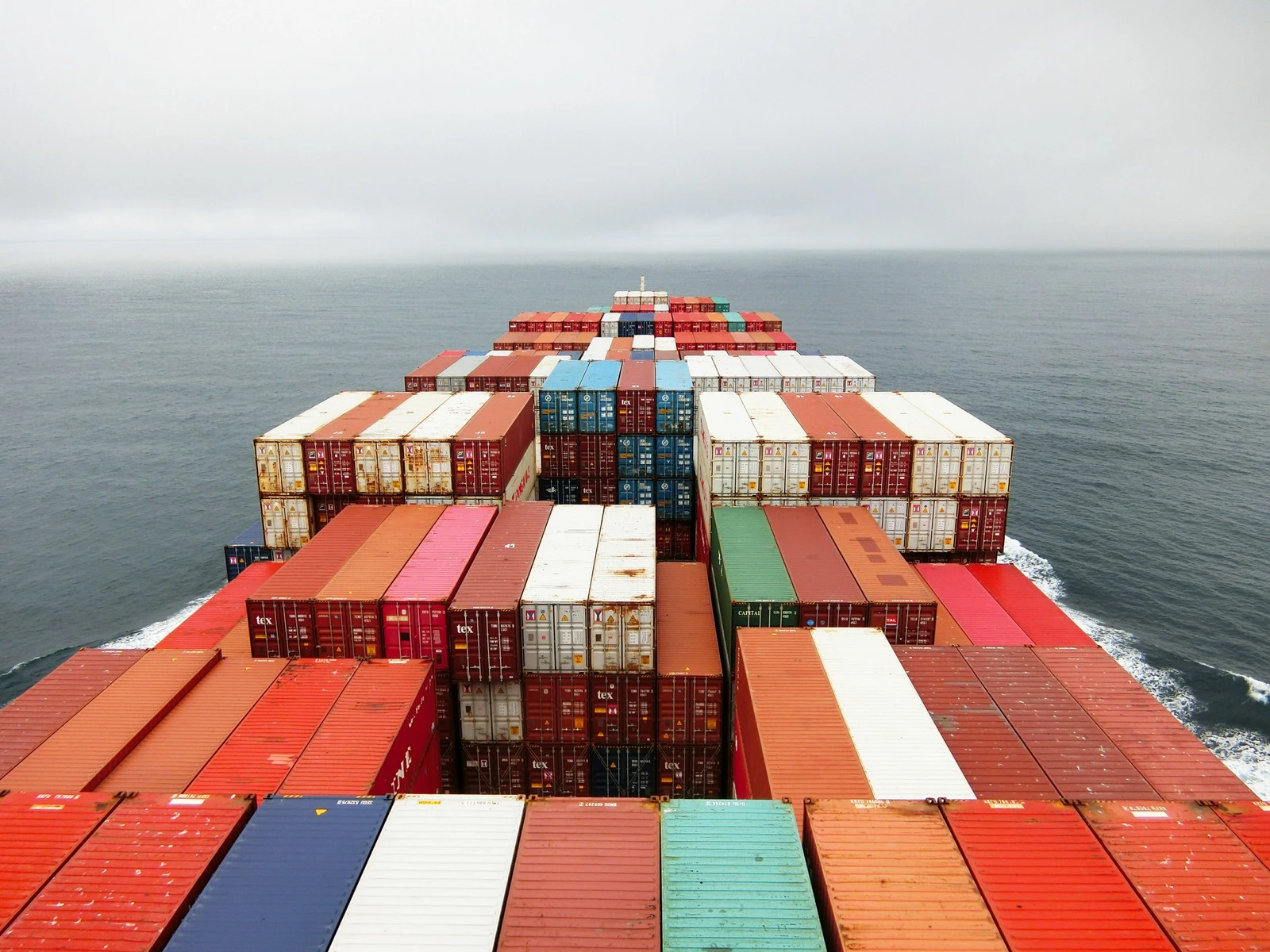
Generally, direct ocean services from main China ports (such as Shanghai, Ningbo, or Shenzhen) to the Port of Buenos Aires take between 35 to 45 days. This timing is dependent on carrier routings and seasonal traffic conditions, with transshipment hubs like Santos or Montevideo occasionally adding 5 to 7 days if container connections are delayed.
Importers must secure an approved SEDI (Sistema de Importaciones) declaration before the shipping line issues the bill of lading and the cargo is loaded at the origin port. Shipping cargo without an active and validated SEDI risk substantial storage fees, terminal penalties, or cargo rejection at the Port of Buenos Aires.
Standard carrier terms typically provide 7 to 10 calendar days of free time at Argentine terminals. Because customs clearances under AFIP can experience delays, we negotiate extended free-time agreements of up to 14 to 21 days for eligible high-volume accounts to prevent unexpected demurrage costs.
Yes, DG shipments are accepted subject to carrier review and compliance with Argentine maritime safety regulations (PNA - Prefectura Naval Argentina). Shippers must provide a valid MSDS, IMDG compliance certificates, and ensure correct UN packaging and container marking protocols are followed before booking.
For standard shipments to Argentina, CIF (Cost, Insurance, and Freight) or FOB (Free on Board) are the most common and practical incoterms. Using DDP (Delivered Duty Paid) can be challenging because of tight central bank currency rules (BCRA) regarding tax and duty payments by foreign entities.
A full range of shipping routes, door-to-door options, and customized container solutions

Custom solutions for Amazon fulfillment and international logistics demands
Work with our experienced logistics team to secure shipping container space, resolve customs clearance procedures, and improve your international supply chain routes.
Send Inquiry Now Changi Logistics