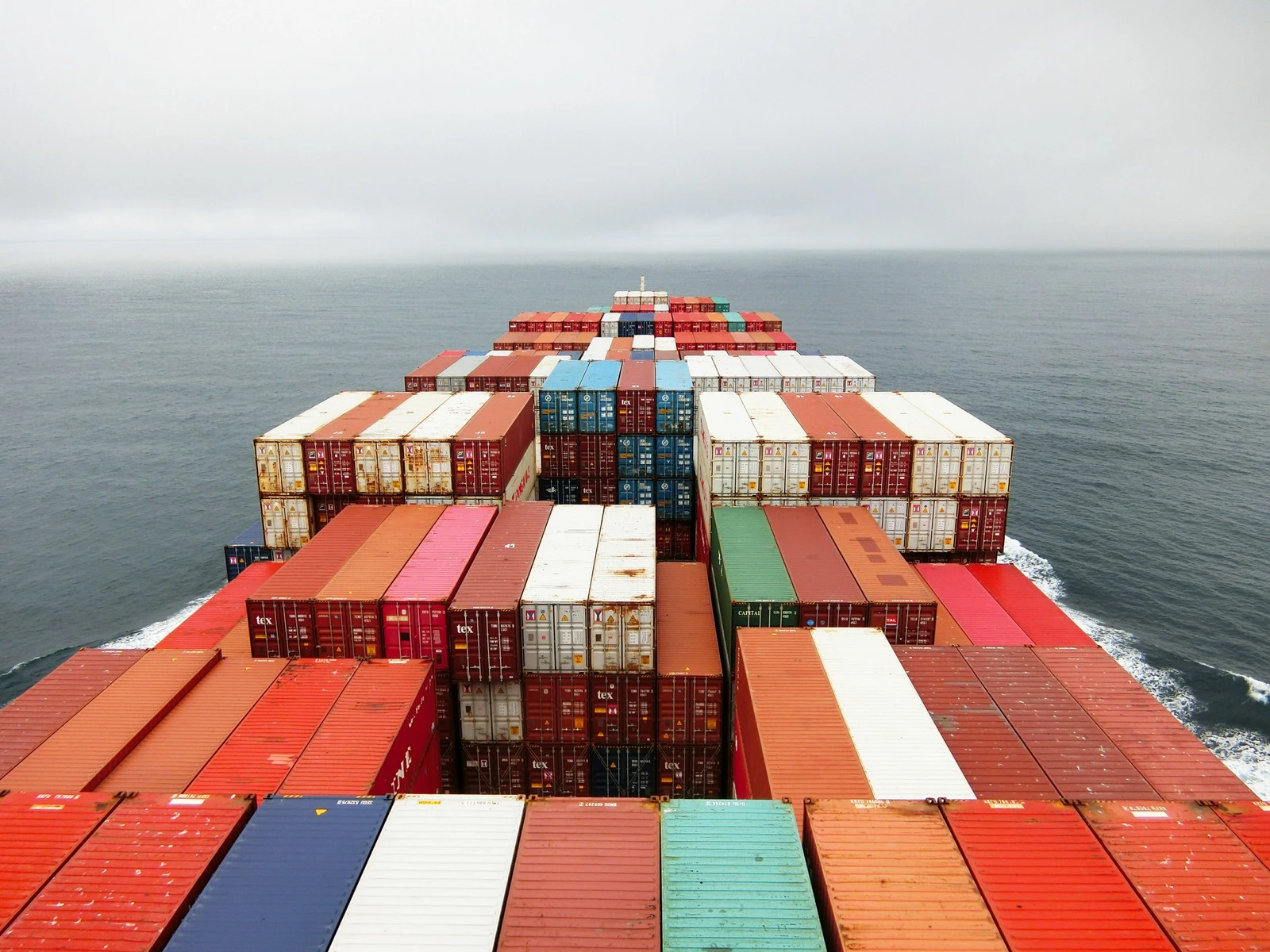
FCL Ocean Freight (Full Container Load) Manufacturers & Supplier Serving the Boston Market

Secure, Direct, and Scale-Optimized Ocean Freight Logistics from China's Industrial Centers to New England's Core Economic Hubs

Request a Boston FCL Freight Quote

Navigating Boston's FCL Ocean Freight Supply Chain Landscape

An authoritative analysis of import dynamics, harbor logistics, and strategic sourcing options for enterprises in the New England region.

14,000+
TEU Vessel Capacity at Conley
2018
Established Leadership
< 32 Days
Avg. Transit China to Boston
100%
DDP & Custom Bond Coverage

1. The Boston Industrial and Logistics Environment: Dynamic Demands

The Boston metropolitan area, and New England as a whole, constitutes a highly sophisticated industrial and commercial market. Driven by sectors such as biopharmaceuticals, consumer packaging, high-tech manufacturing, food processing, and academic research institutions, the local supply chain requires extreme precision. However, routing freight to Boston has historically presented distinct logistical obstacles compared to West Coast gateways like Los Angeles or Long Beach.

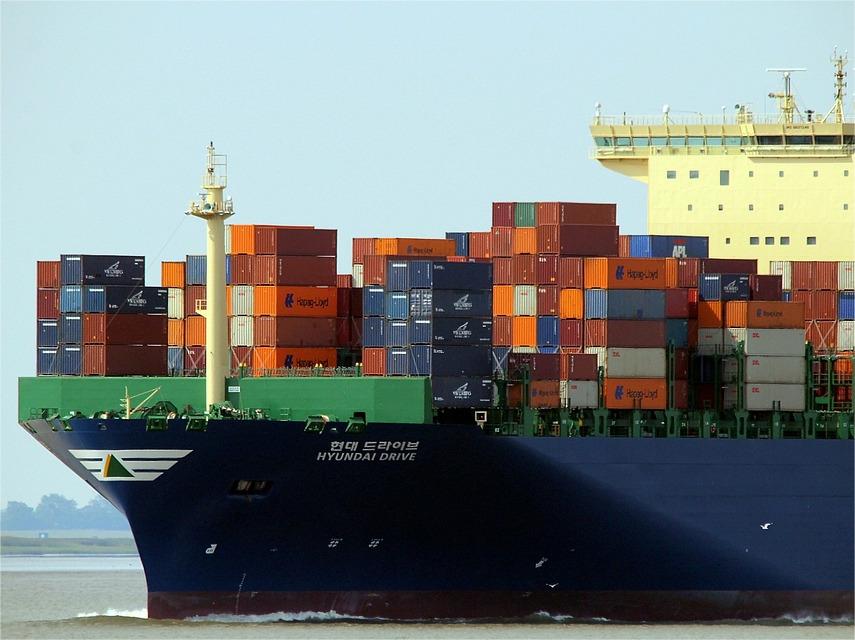
Conley Container Terminal, managed by Massport (Massachusetts Port Authority), is the sole full-service container terminal in New England. Following massive infrastructure modernization programs exceeding $850 million, the Port of Boston now boasts deep-draft berths, new massive neo-Panamax cranes, and expanded storage capacity. This allows direct service from large container carriers carrying up to 14,000 TEUs. Importers can now bypass congested mid-Atlantic ports and eliminate long-distance highway drayage by calling directly on Boston. Our FCL (Full Container Load) services are specifically configured to match these local infrastructure realities, mitigating the risks of regional drayage shortages and expensive intermodal transfers.

Key Logistical Insight for Boston Importers: While routing shipments through New York or Newark and draying cargo up the I-95 corridor is a common strategy, it exposes cargo to high tolls, severe driver shortages, and congestion penalties. Direct-to-Boston ocean voyages utilizing Conley Terminal drastically reduce domestic transportation risks and lower carbon emissions for local sustainability reporting.

2. The Competitive Advantage of Sourcing Direct from Chinese Factories

China remains the undisputed powerhouse for manufacturing industrial inputs, consumer electronics, machinery components, and construction materials. Establishing a direct supply line between Chinese production hubs (such as those in Guangdong, Zhejiang, and Jiangsu) and the Boston market yields substantial margin improvements. Direct sourcing enables custom configuration of raw materials and heavy equipment components, but its success hinges on high-fidelity cargo handling during origin consolidation and vessel loading.

By securing Full Container Loads (FCL), importers gain complete control over the container's interior space, preventing contamination from third-party cargo and optimizing packing densities. Furthermore, a direct partnership with Guangdong Changi Logistics ensures that factory-floor deadlines are synchronized with carrier scheduling. We bridge the gap between production floors in Shenzhen or Ningbo and the final loading docks of Boston warehouses, eliminating middleman markups and reducing handling damages to near zero.

3. Emerging Macro Trends in Global Ocean Freight

The global shipping sector is operating under heightened volatility, driven by environmental mandates, shifting alliance strategies, and macroeconomic pressures. For companies servicing the Boston market, several key trends must be factored into their long-term supply chain strategies:

  • Decarbonization and Green Corridors: Massport and global ocean carriers are prioritizing greenhouse gas reductions. Choosing optimized shipping lines that utilize newer, more efficient vessels can help Boston brands meet their Scope 3 emission targets.
  • Digital Supply Chain Visibility: Real-time container tracking, IoT-enabled reefer monitoring, and predictive ETA metrics are no longer optional. Importers require transparent data access to optimize inventory planning and avoid costly port demurrage.
  • Chassis Management and Port Drayage Tech: Real-time coordination of chassis returns and drayage routing in Boston has become highly automated. Digital integrations allow direct booking of drayage trucks the moment a vessel clears the Boston Outer Harbor.

4. Specialized Application Scenarios for the Boston Market

Different industries require unique structural solutions within the FCL framework. Here is how we customize cargo plans for Boston's dominant business sectors:

Pharmaceuticals & Biotech: Boston’s world-renowned life sciences hub relies on temperature-controlled Reefer FCL containers to import delicate equipment, cleanroom materials, and chemical precursors. Our reefer units maintain exact temperature bands from origin factories in China to final laboratory destinations in Cambridge.

Industrial Machinery & Materials: Advanced manufacturing sites along Route 128 and I-95 require specialized heavy-duty container packaging. Flat rack and open-top FCL options are used to ship oversized components, metal presses, and structural components directly to manufacturing facilities.

Retail & E-Commerce Fulfillment: With large distribution centers located in Central Massachusetts and southern New Hampshire, consumer brands import consumer products in high-cube 40-foot containers. This maximizes volumetric efficiency and keeps per-unit transit costs to an absolute minimum.
Optimize Your Boston Supply Chain Today

Company Profile & Operational Integrity

Guangdong Changi Logistics Co., Ltd. — Your trusted partner in end-to-end global supply chain execution.

Guangdong Changi Logistics Co., Ltd. is a comprehensive logistics enterprise established in 2018, specializing in international freight forwarding and integrated supply chain solutions. The company is committed to providing efficient, reliable, and customized logistics services for global trade and cross-border e-commerce clients.

Our core services include international sea freight, air freight, rail transportation, multimodal transport, warehousing, customs clearance, and end-to-end supply chain management. With a strong global agency network and advanced digital logistics systems, we deliver cost-effective and time-efficient solutions to customers across various industries.

Company History

Founded in 2018, Guangdong Changi Logistics Co., Ltd. has grown alongside the rapid expansion of global trade and the rise of cross-border e-commerce. Starting as a traditional freight forwarding service provider, the company has evolved into a full-service logistics and supply chain solutions provider.

Over the years, we have continuously enhanced our operational capabilities by integrating intelligent logistics management systems and real-time tracking technologies. These improvements have significantly increased service efficiency, transparency, and customer satisfaction, enabling us to become a competitive independent logistics provider in the industry.

Our Vision

Our vision is to become a leading global logistics and supply chain partner, driven by innovation and powered by technology. We aim to build a smarter, greener, and more efficient global logistics network that enables seamless international trade and sustainable business growth for our clients.

Our Mission

  • Provide safe, stable, and efficient international logistics services.
  • Optimize global supply chain structures to reduce overall logistics costs.
  • Enhance digitalization and visibility across the entire shipping process.
  • Build trusted and long-term partnerships with global clients and partners.

Our Operation and Facilities

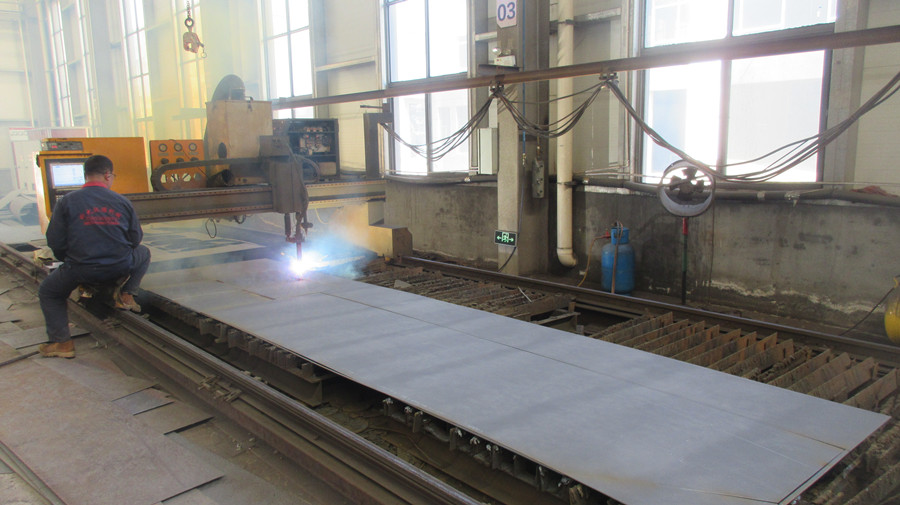
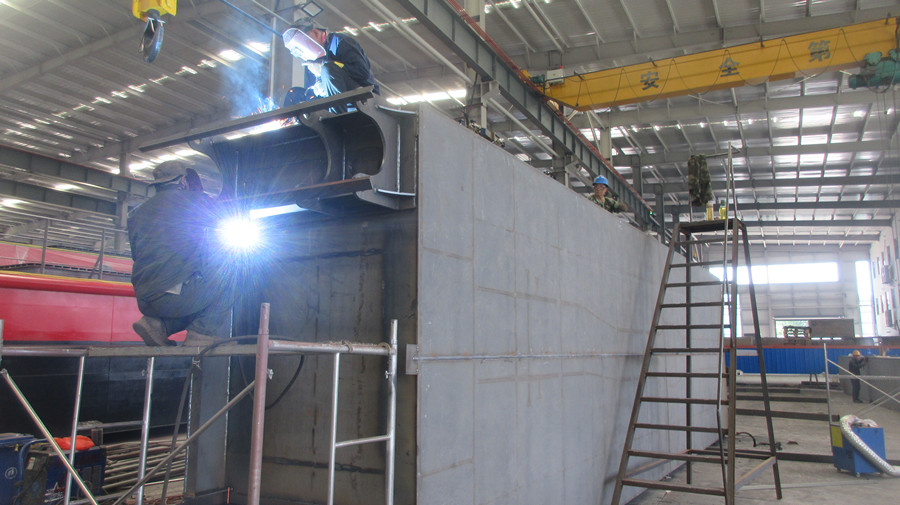
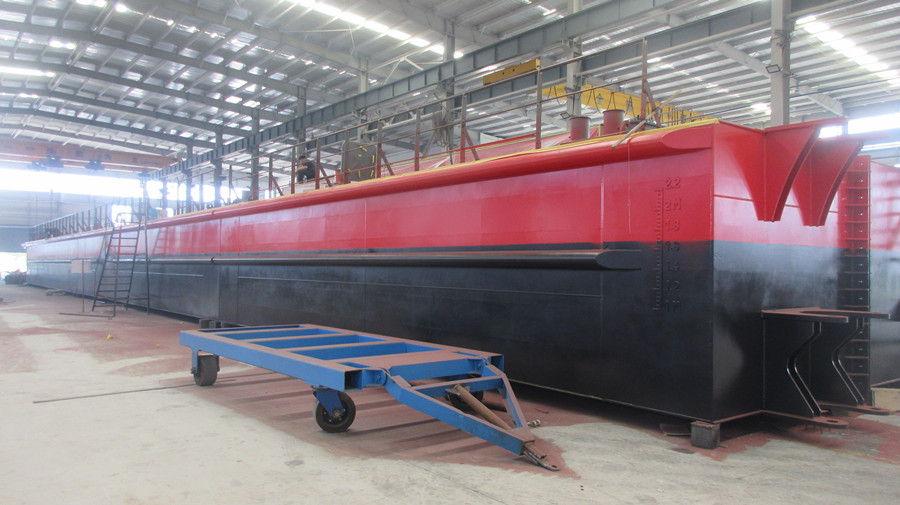
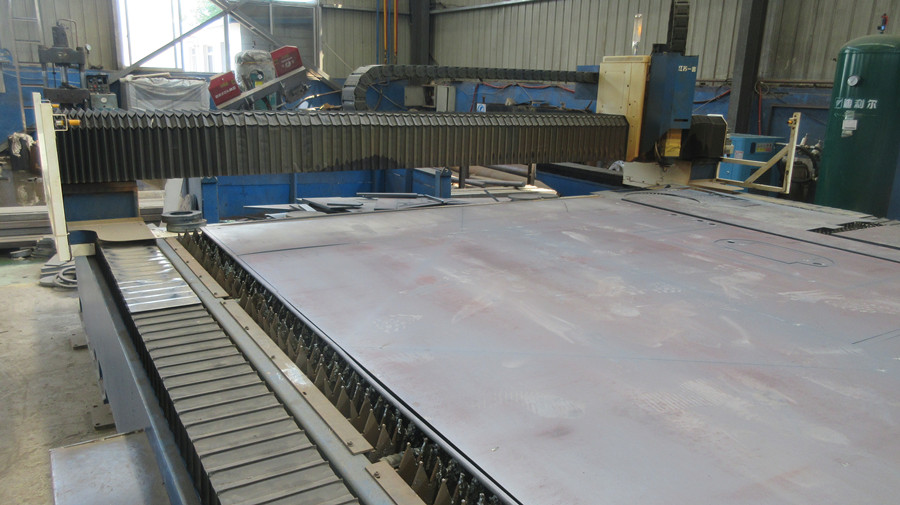
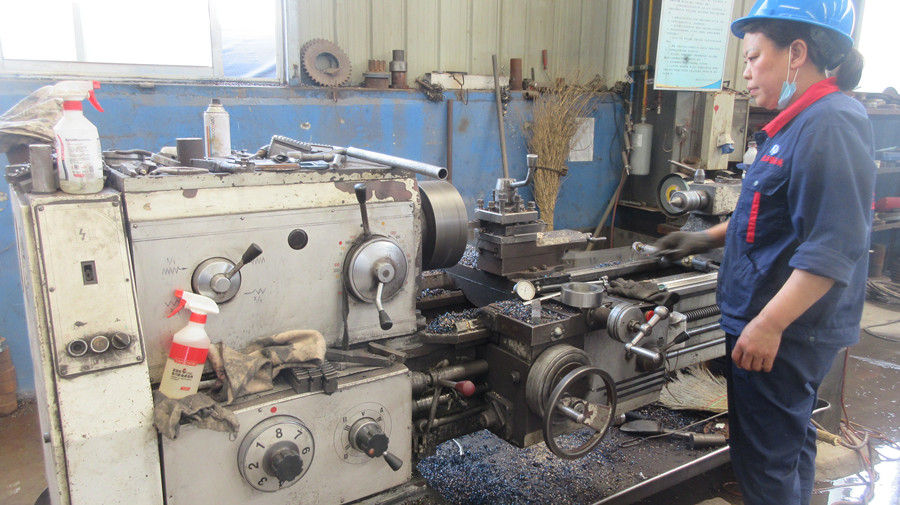
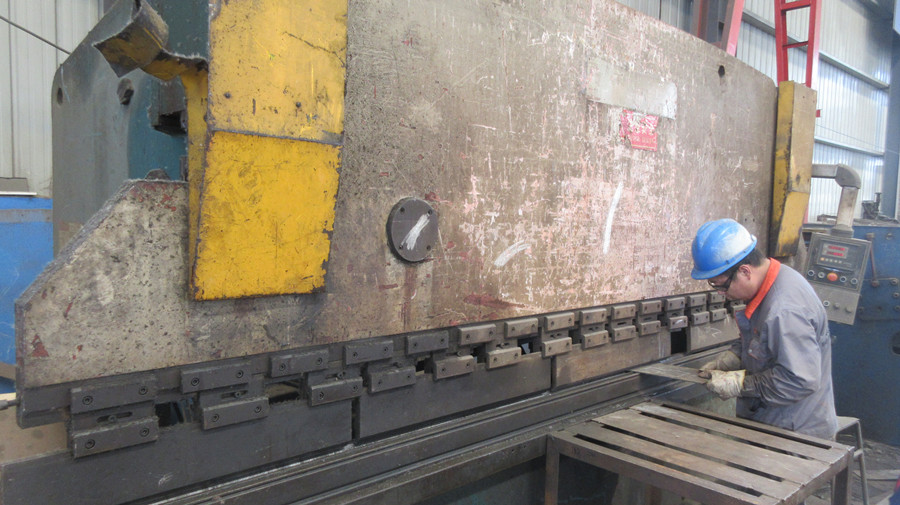
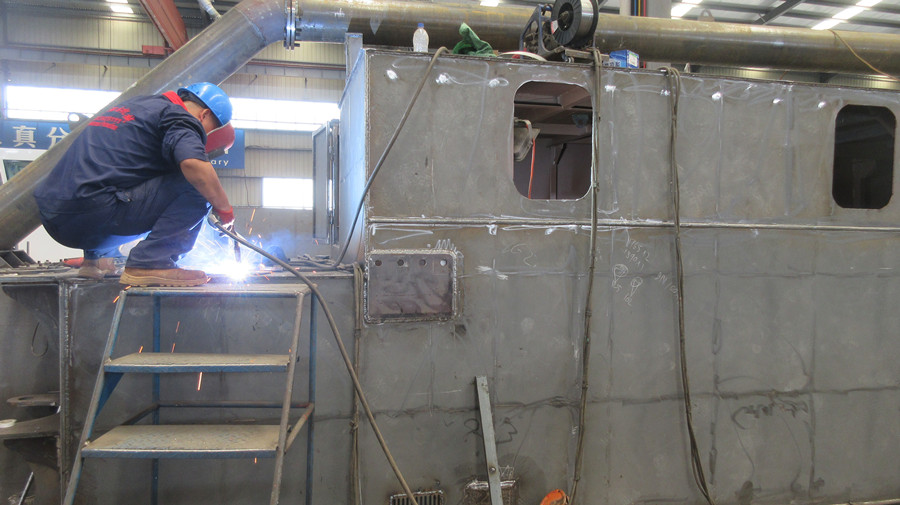
Changi Logistics Operations 1 Changi Logistics Operations 2 Changi Logistics Operations 3 Changi Logistics Operations 4

Industrial Cargo Securing & Packaging Fabrication

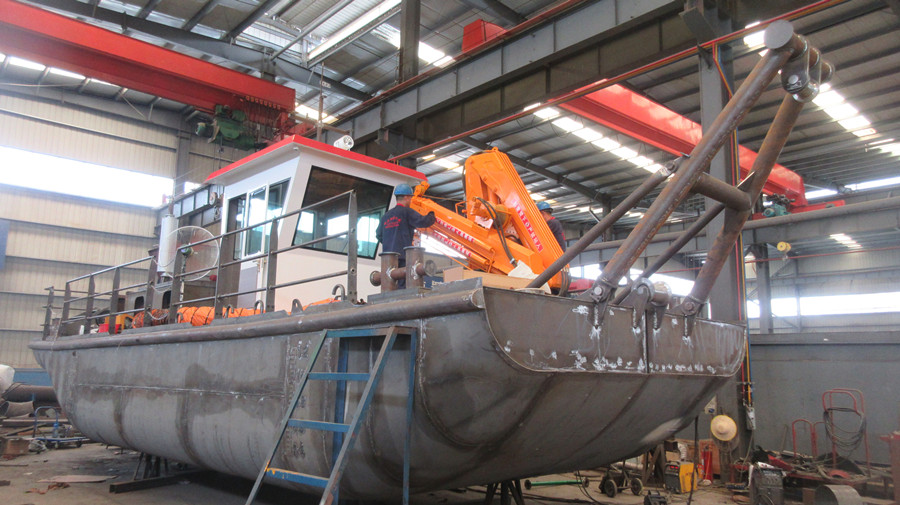
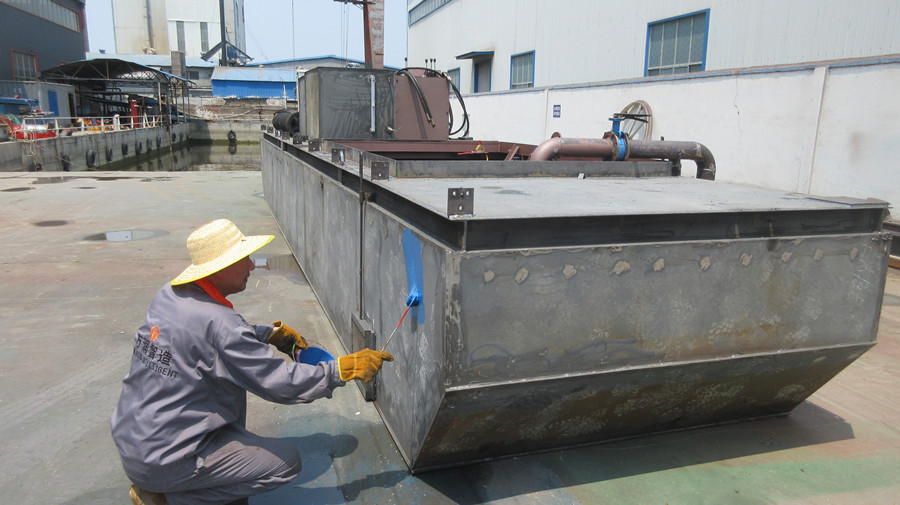
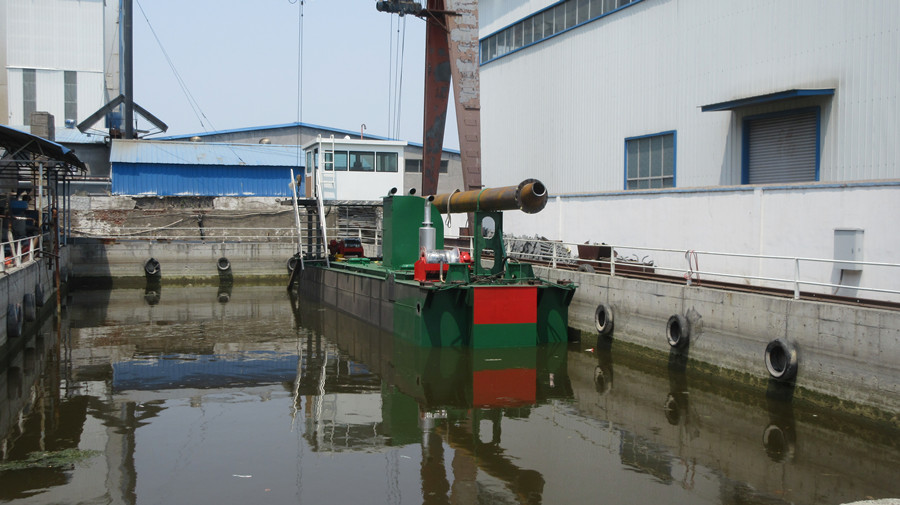
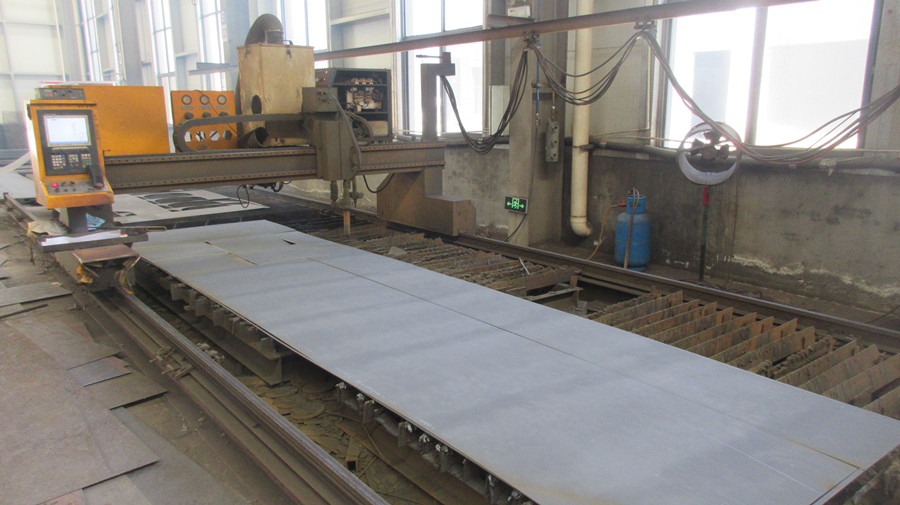
Underpinning our FCL logistics is our physical capacity to manufacture custom machinery packaging, cradles, and container modification units.

Cutting
Cutting
Welding
Welding
Assembling
Assembling
Cutting
Cutting Process
Machining
Machining
Bending
Bending
Welding
Welding Process
Assembling
Assembling Process
Painting
Painting
Testing
Testing
Cutting Machine
Cutting Machine
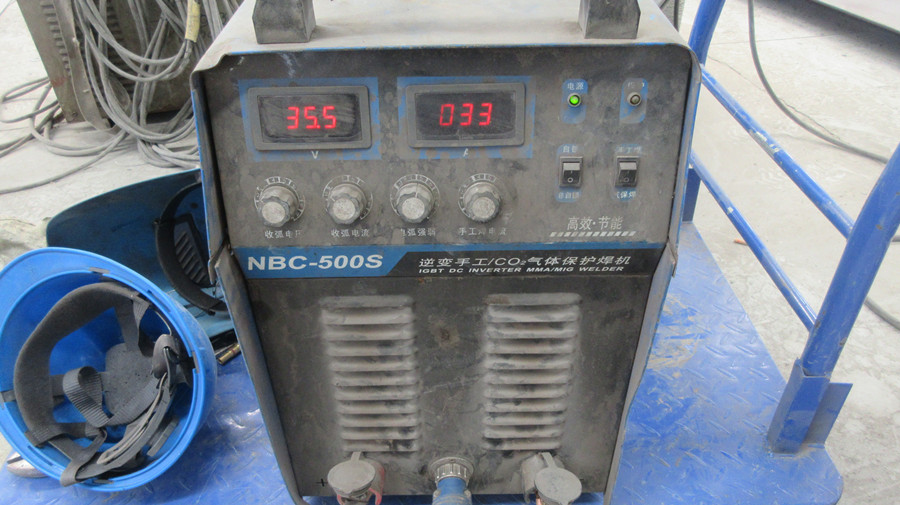
Welding Machine
Welding Machine
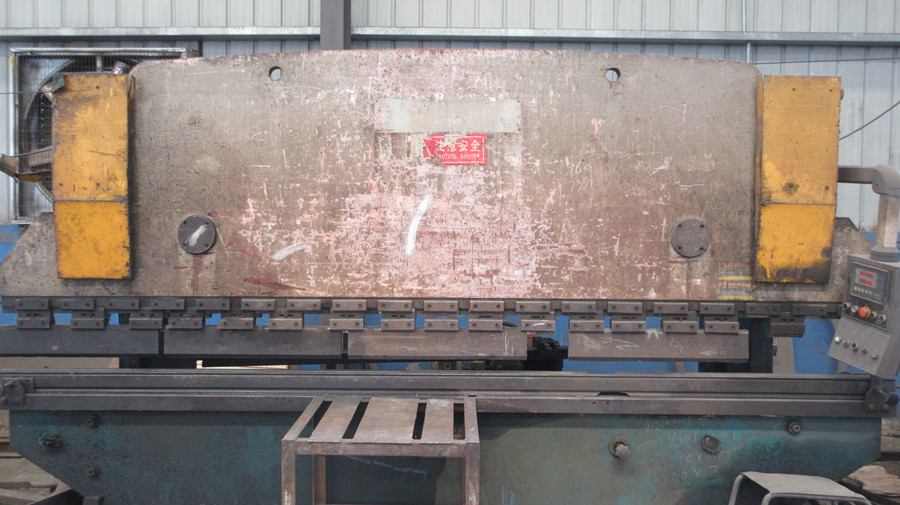
Bending Machine
Heavy Duty Bending Machine

Comprehensive Ocean Logistics Portfolio

Explore our diverse shipping agent offerings connecting global factories with crucial consumption centers.

Frequently Asked Questions — Boston FCL Ocean Freight

Clear, professional answers regarding transit, customs, and operational parameters for New England importing.

What is the average transit time for an FCL container from China to the Port of Boston? +
Direct water services from base ports in China (such as Shanghai, Ningbo, and Shenzhen) to Boston's Conley Terminal generally take between 32 and 38 days depending on ocean carrier routing (via the Panama Canal). Routing via US West Coast ports and railing to New England can take 22 to 28 days, though it involves higher cargo handling risk.
How do Boston local drayage regulations affect final delivery of FCL shipments? +
Massport mandates specific environmental standards for trucks operating inside Conley Terminal. Choosing a logistics partner with clean-truck-compliant drayage fleets is critical to avoid loading delays. Additionally, heavy machinery imports must stay within Massachusetts state gross vehicle weight limits for highway transit.
Can you manage dangerous goods (DG/HAZMAT) FCL shipments to Boston? +
Yes. We handle Class 2 through Class 9 hazardous materials. Sourcing and transport are planned with early carrier approval at the Chinese origin port, and customs clearance is pre-filed with the US Coast Guard and regional authorities before the vessel enters Boston harbor.
What are the cost-saving implications of FCL over LCL for Boston businesses? +
FCL provides a fixed price per container, offering a significantly lower per-cubic-meter (CBM) rate once your shipment exceeds 15 CBM. It also bypasses regional deconsolidation facilities in New Jersey or Boston, cutting warehouse handling fees and reducing potential transit delays by 3 to 5 days.

Ready to Streamline Your FCL Shipments to Boston?

Contact our senior logistics engineering team to receive a comprehensive routing analysis and a custom freight quote tailor-made for your cargo profile.

Send Inquiry Now