Explore our highly integrated container shipping pathways customized for the Nigerian import-export sector, featuring guaranteed space allocations and optimized port-to-port routing.
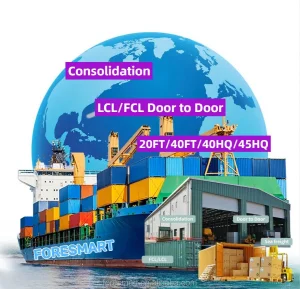
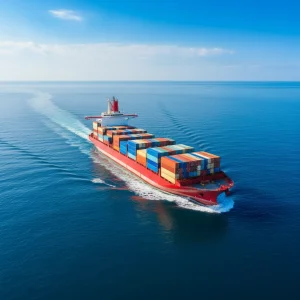
Nigeria represents the largest consumer market in Africa, driven by rapid industrialization, infrastructural developments, and urban expansion. For global trade, the maritime gateway remains the lifeblood of this expansion, handling over 85% of all incoming industrial and consumer goods. Major ports such as Apapa Port Complex and Tin Can Island Port in Lagos continue to serve as the traditional gateways. However, the operational paradigm is shifting with the launch of the Lekki Deep Sea Port, a state-of-the-art facility capable of accommodating Post-Panamax vessel classes with a draught depth of 16.5 meters.
Despite these massive strides, logistics in Nigeria demands a high level of expertise due to systemic bottleneck issues, such as terminal congestion, high demurrage costs, custom clearance technicalities, and inland transport infrastructure constraints. Operating via Full Container Load (FCL) shipping offers importers and exporters the most reliable way to mitigate damage, secure predictable container lead times, and optimize costs compared to Less than Container Load (LCL) shipments, which are subject to longer handling processes and customs separation steps.
To succeed in this market, global supply chain executives require a logistics partner who can integrate international sea freight forwarding with reliable local clearance structures. By booking dedicated FCL containers (both 20ft and 40ft units), businesses can bypass cargo mixing and enjoy direct container release, which dramatically decreases exposure to port storage fees and demurrage charges at the terminal gates.
Discover key direct routes and specialized freight consolidation programs bridging China, the Americas, Europe, and West African terminals.
Guangdong Changi Logistics Co., Ltd. is a top-tier, comprehensive logistics provider established in 2018. Over the years, we have positioned ourselves as an industry-leading international freight forwarding firm specializing in complex integrated supply chain solutions. The company is committed to delivering highly efficient, reliable, and customized logistics strategies for global trading enterprises, cross-border e-commerce brands, and multinational manufacturing corporations looking to scale their African footprint.
Our core operational portfolio spans international sea freight, heavy-lift air cargo transport, international rail networks, multimodal transport strategies, dry and cold chain warehousing solutions, in-house customs brokerage, and end-to-end supply chain visibility services. Backed by a vast, verified global agency network and digital cargo management portals, we engineer cost-competitive and time-efficient logistics pathways for diverse sectors including automotive parts, manufacturing equipment, raw materials, electronics, and dangerous chemical components.
Our corporate vision is to stand at the forefront of the global logistics and supply chain sector as a tech-enabled, carbon-conscious, and client-centric growth partner. We aim to construct an intelligent, green, and highly resilient global logistics ecosystem that enables seamless cross-border commerce, simplifies complex regulatory landscapes, and generates sustainable business scaling opportunities for all trade partners.
At Guangdong Changi Logistics Co., Ltd., we strive daily to unlock value for our global customer base through specialized logistics designs, operational excellence, and unmatched transparency. Our foundational mission rests on four pillars:
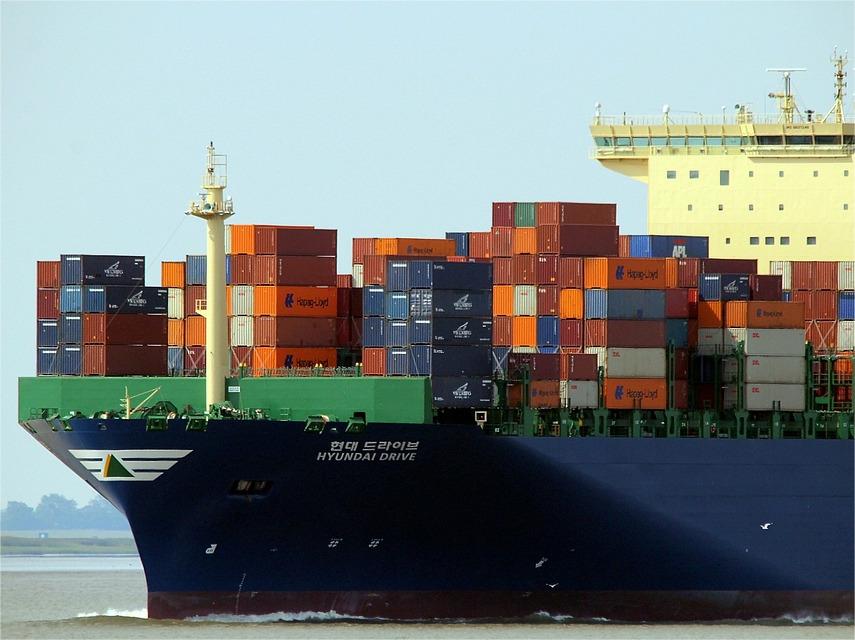
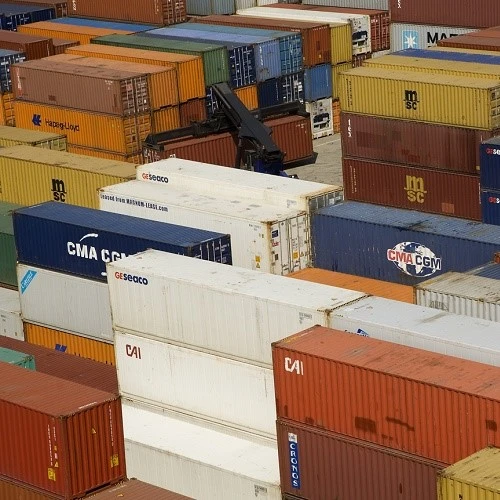
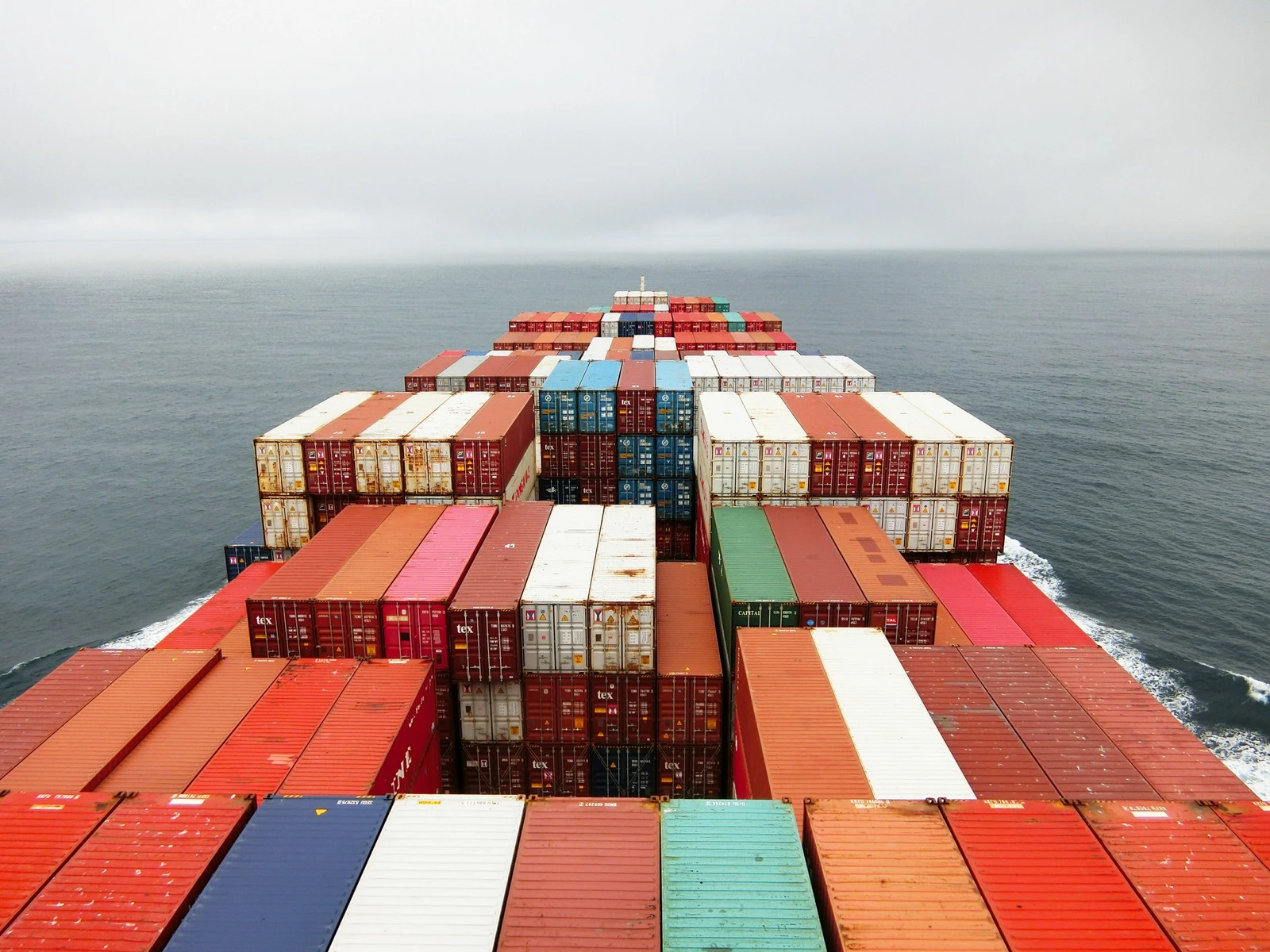
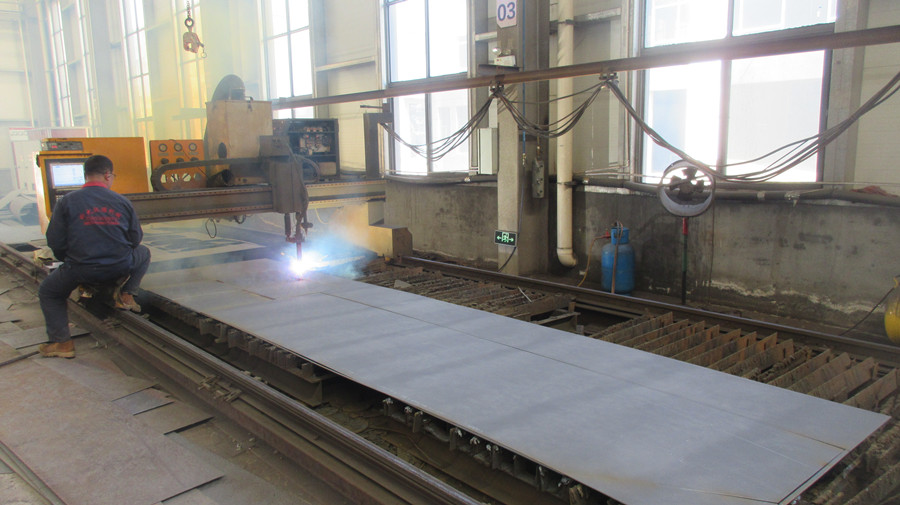
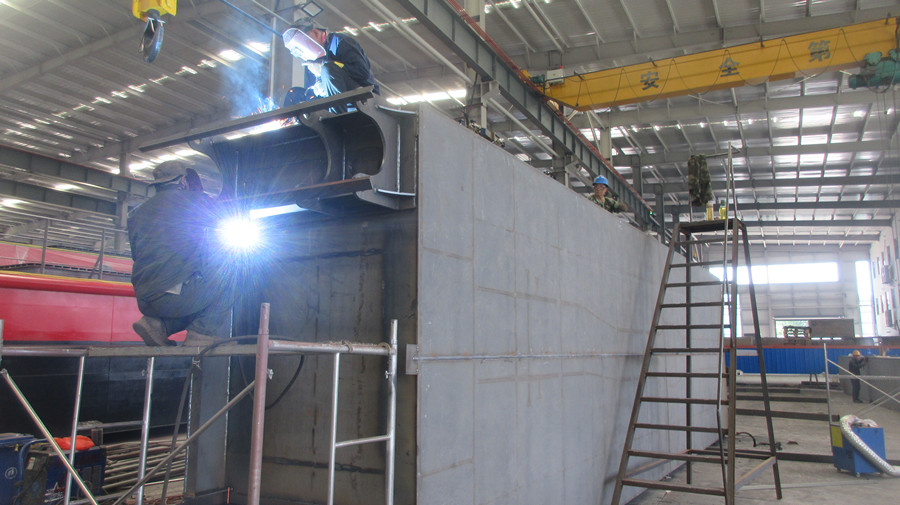
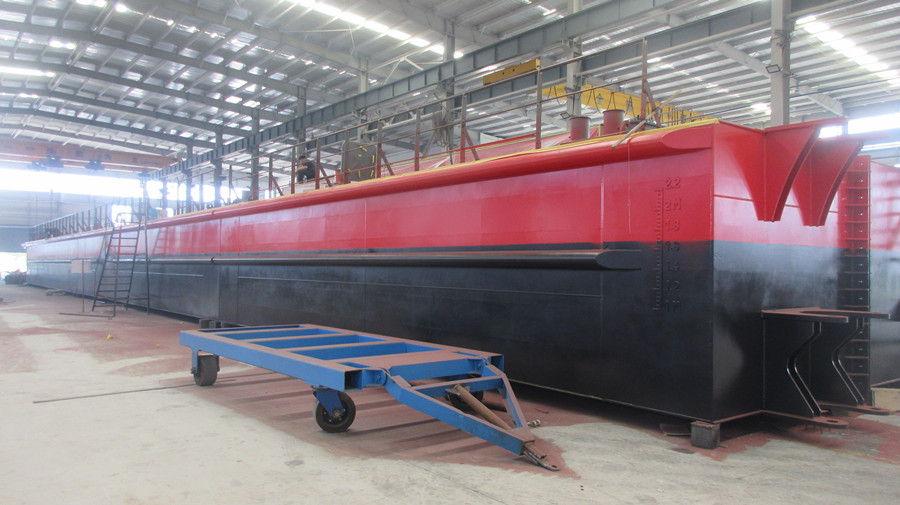
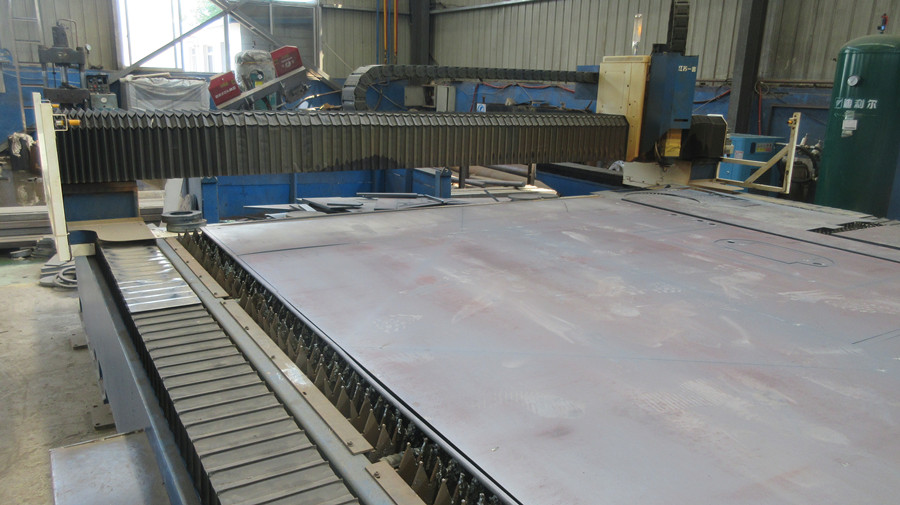
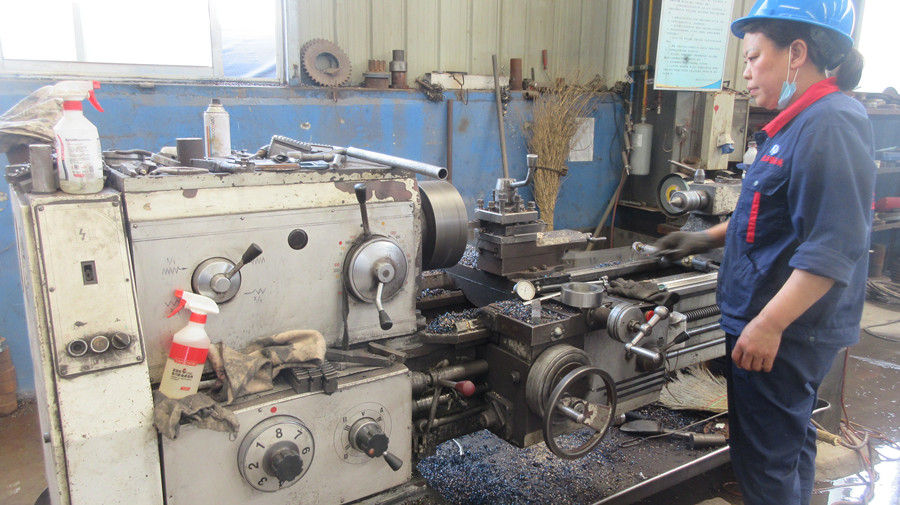
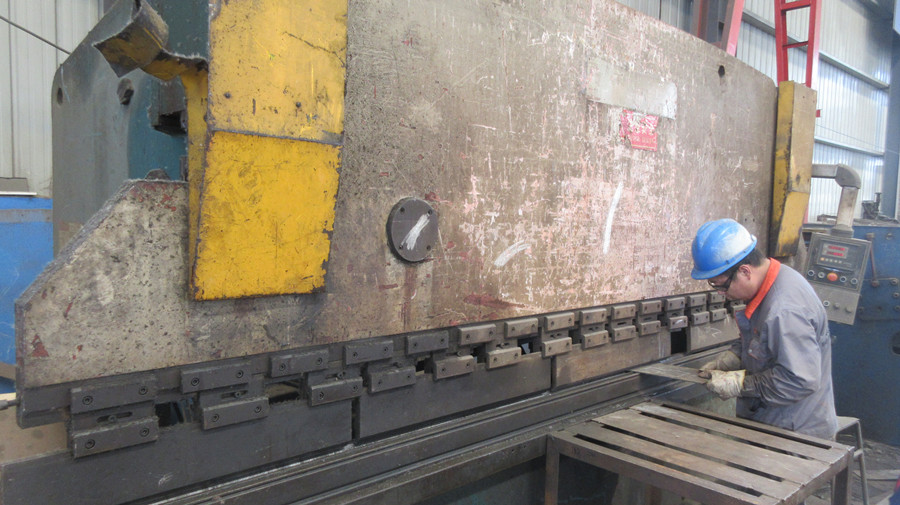
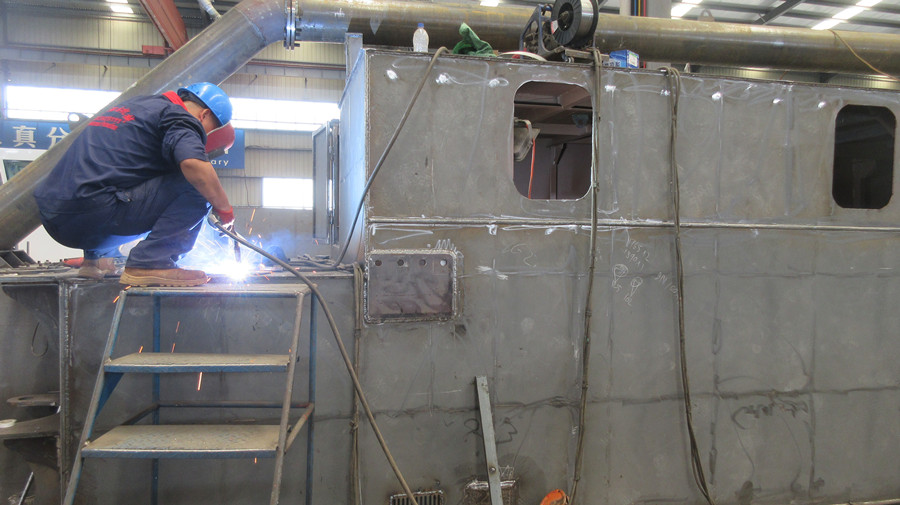
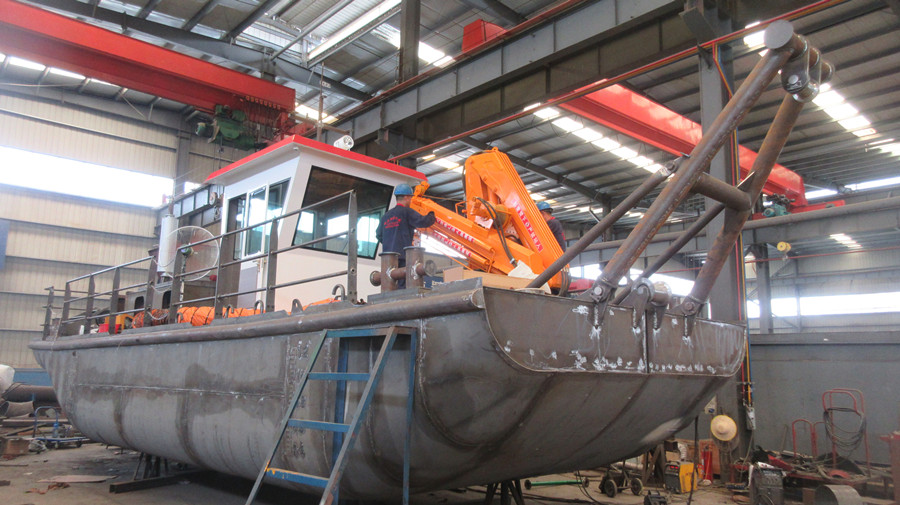
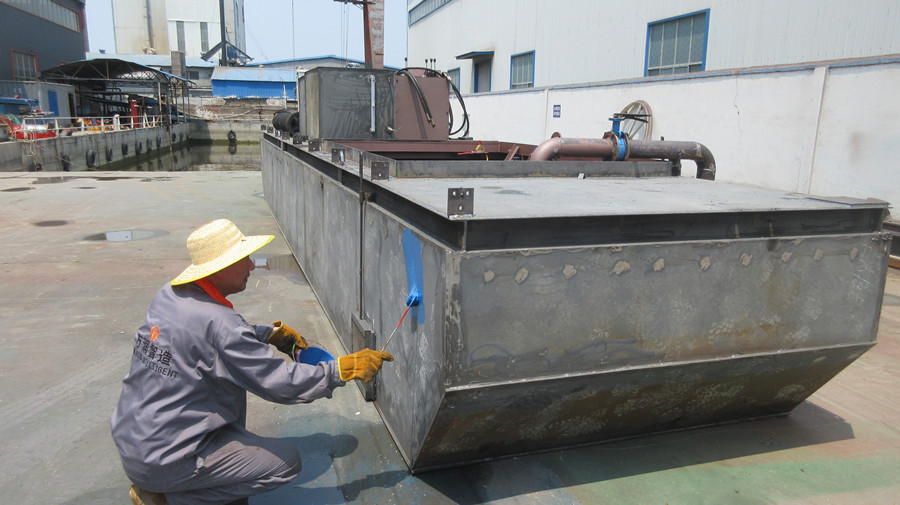
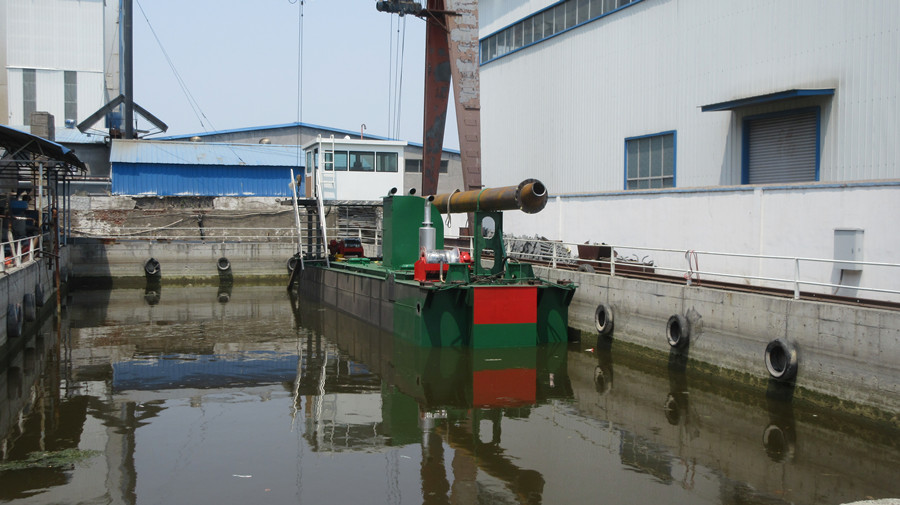
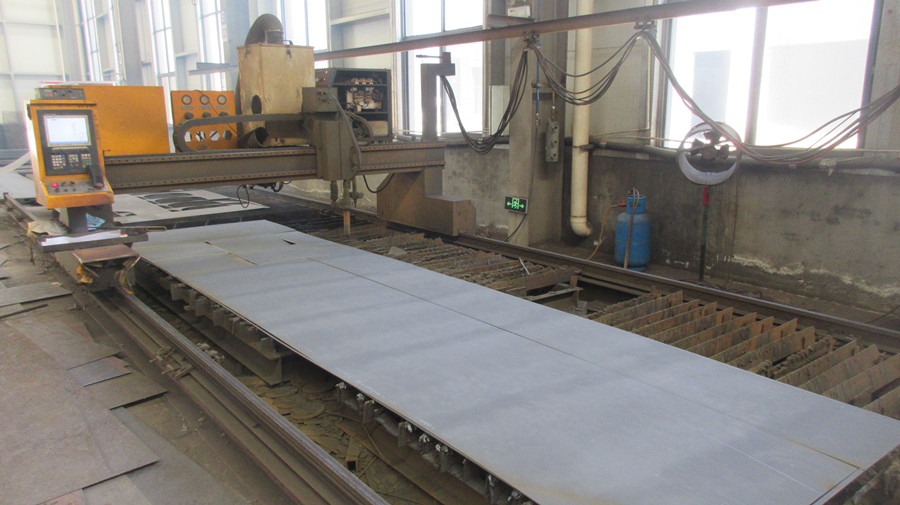
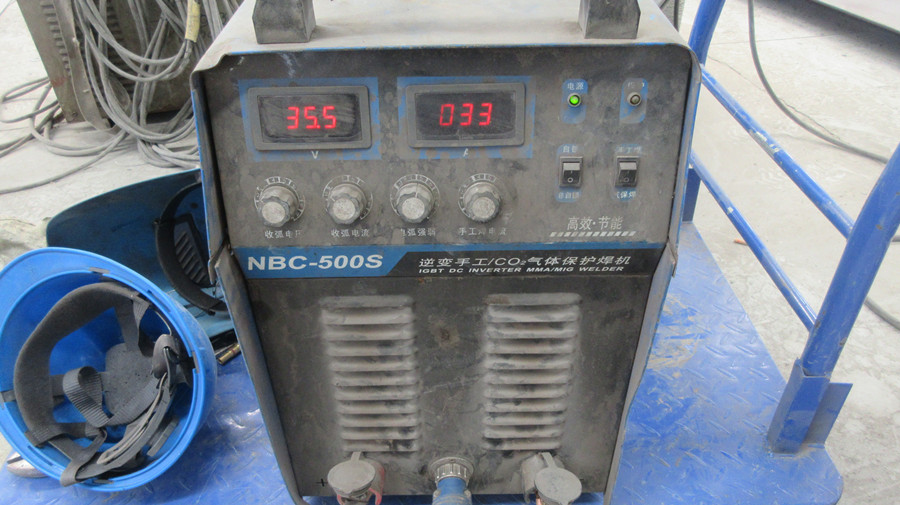
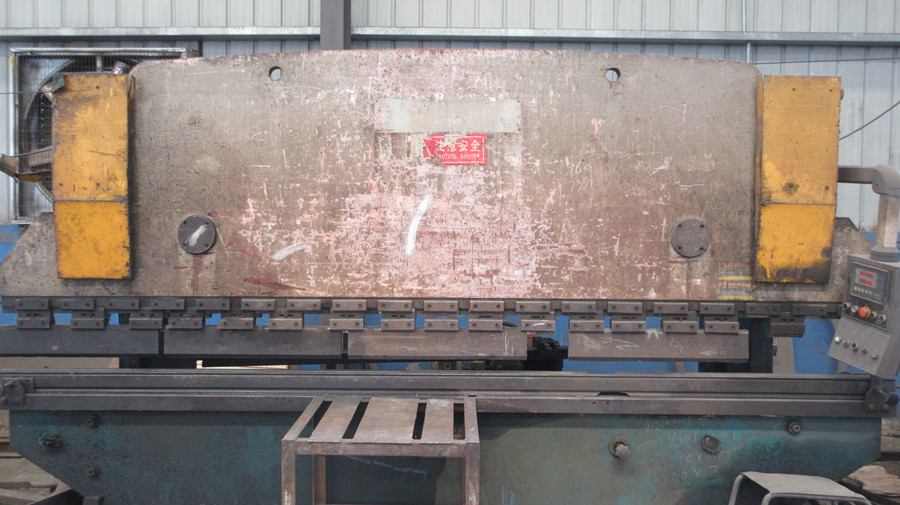
True supply chain resilience begins at the origin manufacturing facility. To service heavy industrial imports into the Nigerian market, Guangdong Changi Logistics works in lockstep with China's advanced manufacturing hubs. By integrating logistics tracking directly into the raw material processing, cutting, assembly, and testing phases of production equipment, we assure buyers of structural integrity before containers are loaded.
Whether importing structural steel, heavy machinery, power generation grids, or manufacturing assembly components, our clients benefit from deep visibility into origin-side fabrication. Below is a detailed view of our partner facilities' precision processing capabilities, demonstrating our end-to-end commitment to manufacturing compliance and transport preparedness.
Shipping FCL containers into Nigeria demands a comprehensive understanding of the Nigeria Customs Service (NCS) regulations. Any discrepancy in documentation can lead to the withholding of the Container Release Order, resulting in astronomical storage and demurrage fees at the Lagos ports.
To ensure a frictionless import journey, Changi Logistics integrates localized trade compliance procedures directly into our origin services, handling the following critical requirements:
By using our localized custom brokers stationed at Apapa, Tin Can, and Lekki Deep Sea Port, we guarantee rapid processing, minimizing port detention time and maximizing supply chain velocity.
Explore our diverse shipping programs, ranging from standard industrial sea freight to specialized dangerous goods transportation and DDP logistics.

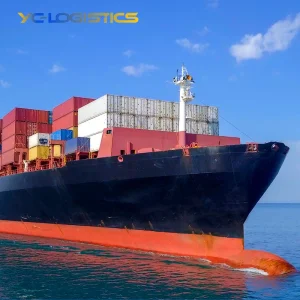
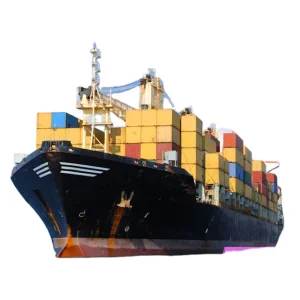
The maritime industry is undergoing an unprecedented shift toward digitization and transparency. In West Africa, this technological transformation is critical for streamlining port gate operations and improving visibility for importers. The future of Nigerian logistics hinges on integrated supply chain visibility platforms, which replace outdated email-based communication with real-time API integrations.
Guangdong Changi Logistics is piloting smart container solutions equipped with IoT telemetry sensors. These devices transmit real-time location coordinates, internal humidity levels, and cargo impacts directly to importers. Additionally, the integration of blockchain-based Bill of Lading systems will soon eliminate the physical transmission delay of papers, preventing expensive container dwell times at Apapa and Lekki terminals.
Furthermore, under the African Continental Free Trade Area (AfCFTA) framework, Nigeria is positioned to become a regional transshipment hub. Importers utilizing our FCL services can expect simplified cross-border custom transits, making it easier to re-export manufactured commodities from Nigerian ports to landlocked countries in Chad, Niger, and beyond.
Key insights and expert answers regarding FCL maritime logistics, customs processes, and cost management for the Nigerian market.
Get in touch with our logistics engineers today for a tailored, end-to-end maritime shipping rate to West African ports.
Send Inquiry Now Changi Logistics