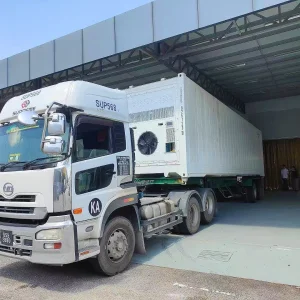
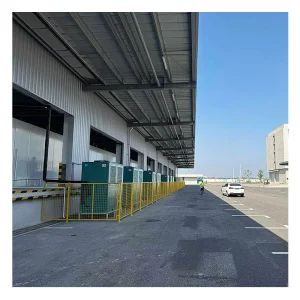
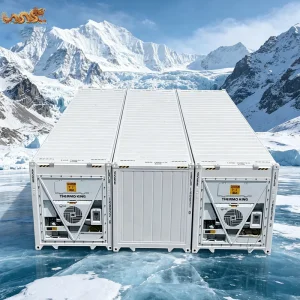
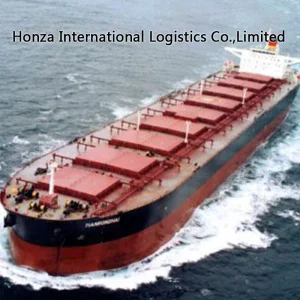
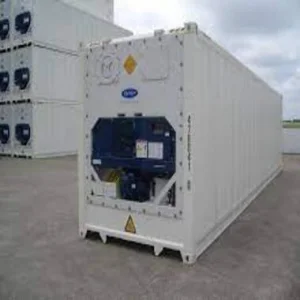
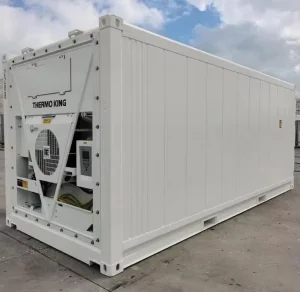
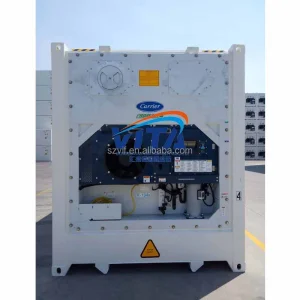
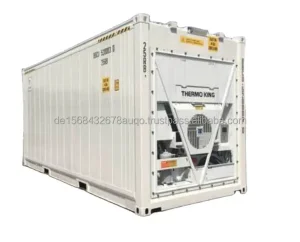
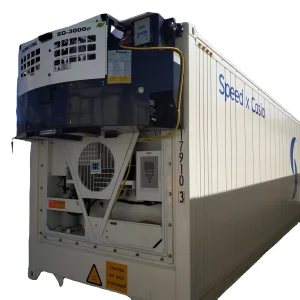
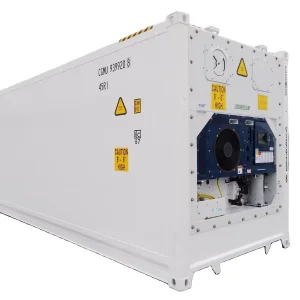
Premium temperature-controlled containers and logistics units optimized for immediate deployment within Puget Sound ports and Washington logistics corridors.
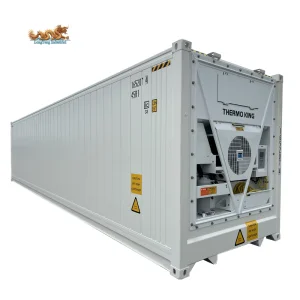
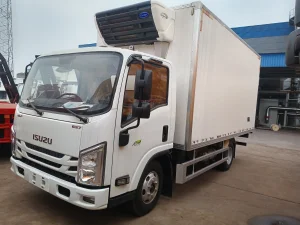
A Comprehensive Whitepaper on Market Drivers, Global Trade Intersections, and Technical Standardizations
As the closest major US port system to East Asia and the primary logistics gateway to Alaska, the Seattle-Tacoma metropolitan area represents a critical hub for global cold chain logistics. The Port of Seattle and the Northwest Seaport Alliance (NWSA) handle millions of TEUs annually, where agricultural products from Eastern Washington—such as apples, sweet cherries, potatoes, and processed dairy—converge with fresh Pacific seafood and Alaskan fisheries products destined for domestic and international consumption. Maintaining unbroken thermal control across these intermodal pathways is paramount to preventing spoilage, minimizing financial write-offs, and meeting public health standards.
The convergence of seafood exportation from the North Pacific and agricultural cultivation within the Columbia Basin places unique demands on Seattle’s local logistics providers. Modern reefer container solutions must handle extremely diverse ranges: from deep-frozen seafood holding profiles at -30°C to chilled agricultural settings at 2°C with active fresh-air ventilation and controlled atmosphere (CA) systems to regulate carbon dioxide and ethylene levels. Exporters and cold-storage operators in the region require robust hardware integrated with remote telemetry systems, allowing real-time monitoring of oxygen, carbon dioxide, and temperature indexes across transpacific voyages.
On a macro scale, globalization and the expansion of biological therapeutics have redefined requirements for international cold chain infrastructure. We address these requirements with end-to-end multi-temperature solutions engineered to withstand extreme environmental changes. Our global logistics networks utilize advanced reefer containers equipped with Scroll compressor technology, vacuum-insulated panels (VIP), and dual-powered generator sets (Gensets) that offer continuous operation across rail, sea, and drayage transport.
Slowing biological respiration rates to prolong the shelf life of highly sensitive agricultural crops and exotic fruits during global ocean transit.
Configurable interior bulkheads allowing simultaneous transport of frozen, chilled, and ambient-dry materials in a single container envelope.
Phase-change materials (PCM) and high-density polyurethane insulation lining to protect pharmaceutical payloads and vaccine distributions.
By coordinating ocean shipments, local drayage services, and inland rail paths, we reduce thermal fluctuations during cargo handoffs. This rigorous integration prevents the "first-mile and last-mile" temperature spikes that often undermine supply chain integrity and lead to product degradation.
Guangdong Changi Logistics Co., Ltd. is a comprehensive logistics enterprise established in 2018, specializing in international freight forwarding and integrated supply chain solutions. The company is committed to providing efficient, reliable, and customized logistics services for global trade and cross-border e-commerce clients.
Our core services include international sea freight, air freight, rail transportation, multimodal transport, warehousing, customs clearance, and end-to-end supply chain management. With a strong global agency network and advanced digital logistics systems, we deliver cost-effective and time-efficient solutions to customers across various industries.
Founded in 2018, Guangdong Changi Logistics Co., Ltd. has grown alongside the rapid expansion of global trade and the rise of cross-border e-commerce. Starting as a traditional freight forwarding service provider, the company has evolved into a full-service logistics and supply chain solutions provider.
Over the years, we have continuously enhanced our operational capabilities by integrating intelligent logistics management systems and real-time tracking technologies. These improvements have significantly increased service efficiency, transparency, and customer satisfaction, enabling us to become a competitive independent logistics provider in the industry.
Our vision is to become a leading global logistics and supply chain partner, driven by innovation and powered by technology. We aim to build a smarter, greener, and more efficient global logistics network that enables seamless international trade and sustainable business growth for our clients.
At Guangdong Changi Logistics Co., Ltd., we are committed to delivering long-term value to our clients through innovative logistics solutions and professional service excellence. Our mission is to:
We believe logistics is more than transportation—it is the foundation that connects global commerce and drives business success.
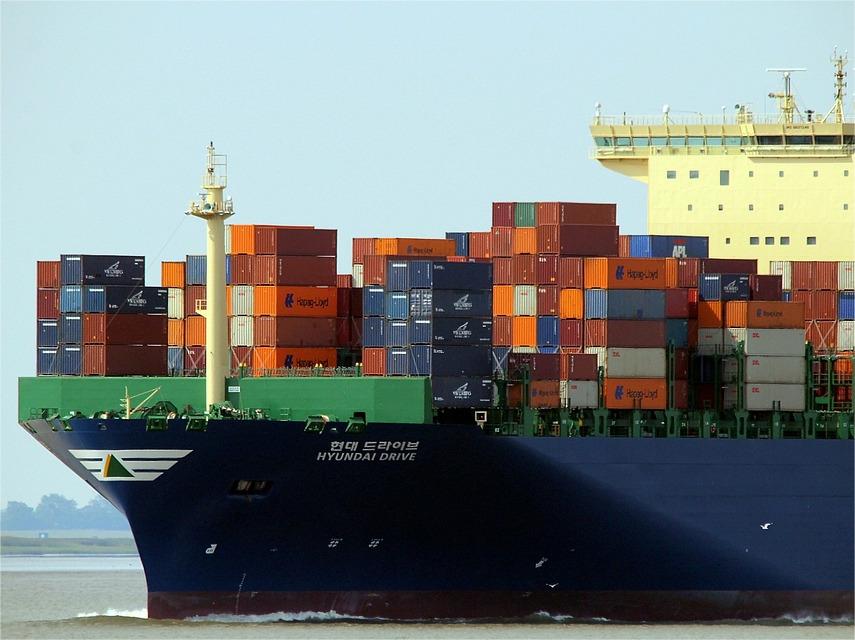
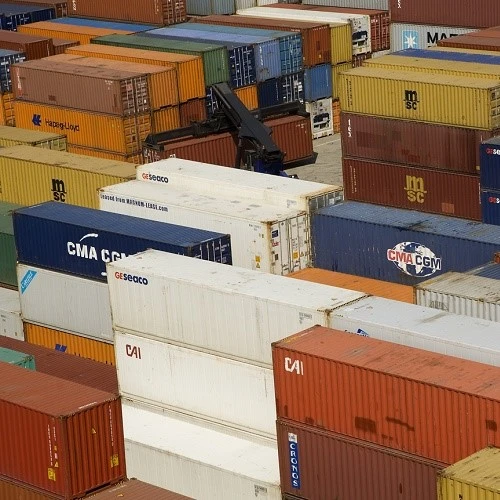
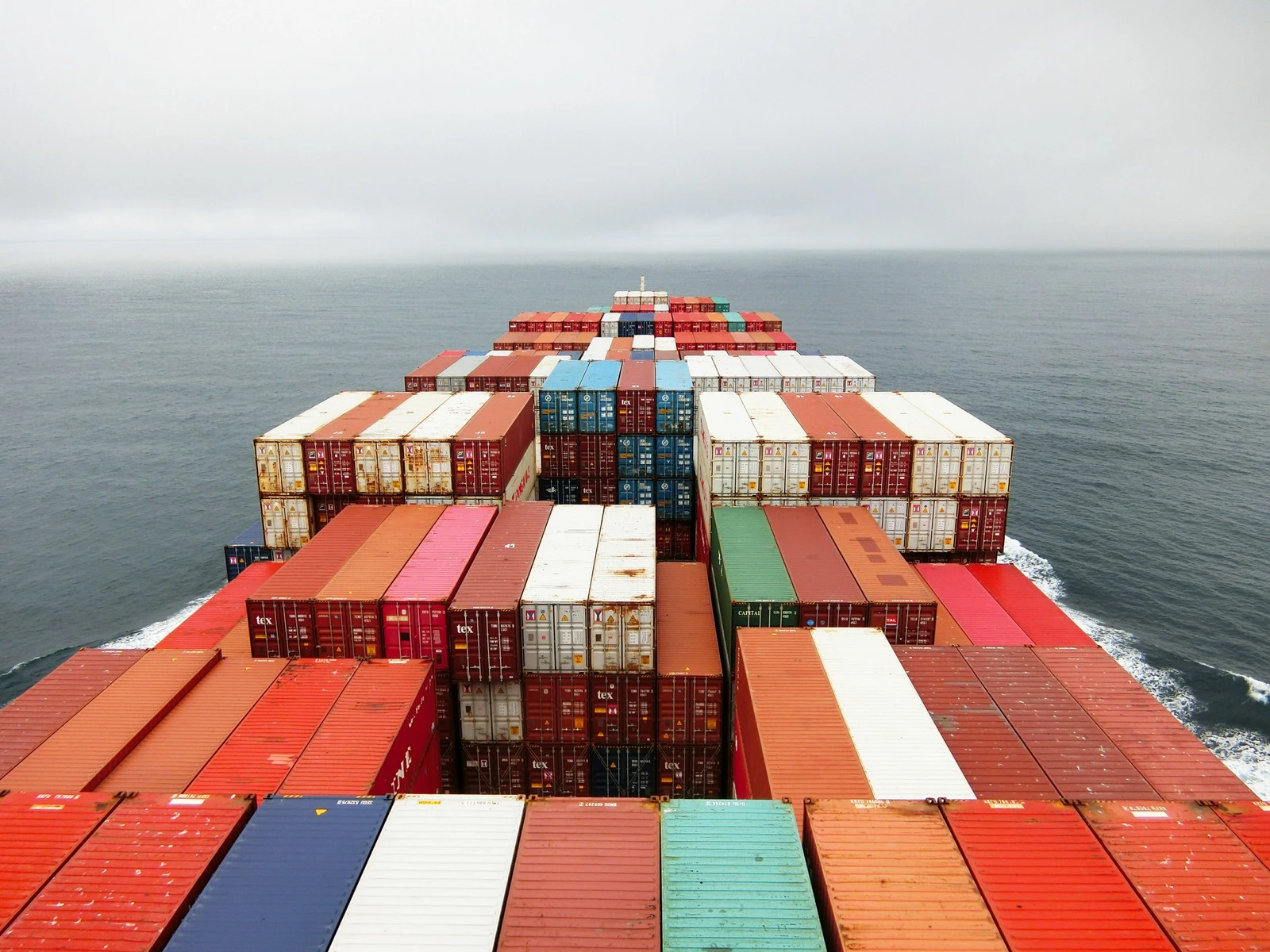
Rigorous structural fabrication and assembly testing protocols ensuring military-grade chassis and structural integrity for our refrigerated fleet.
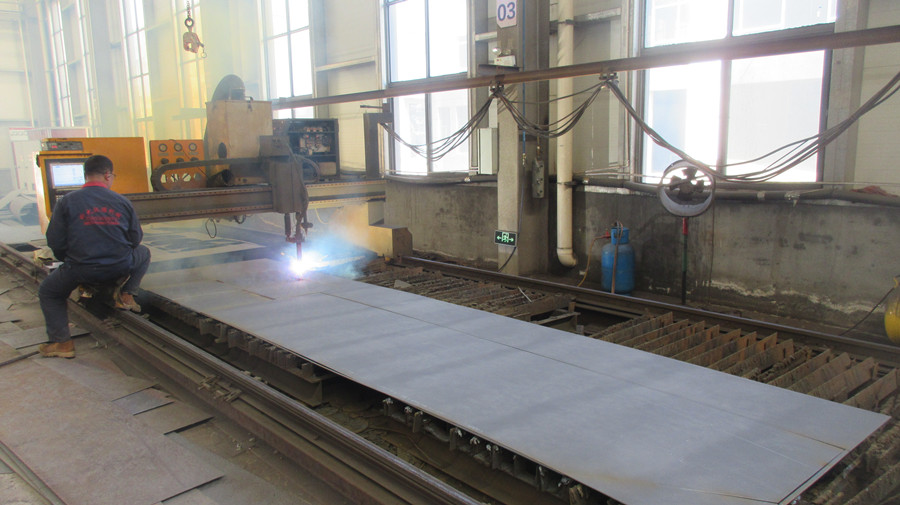
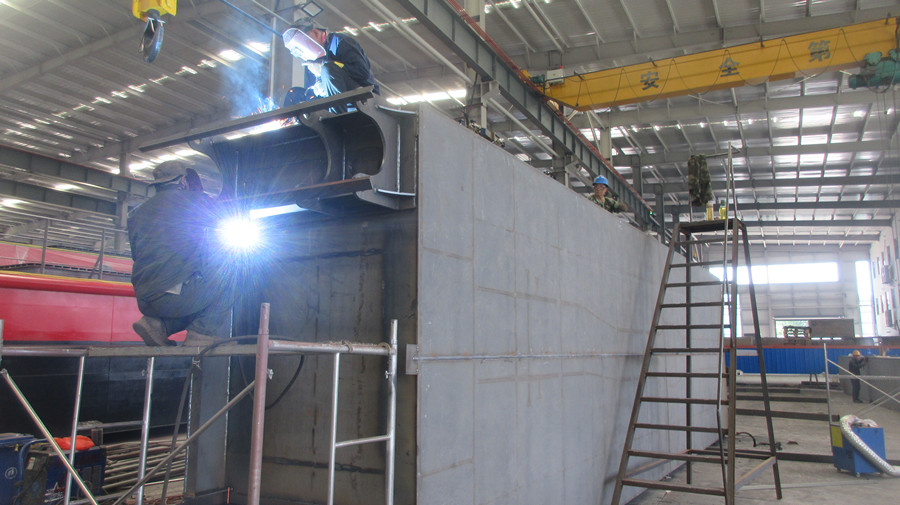
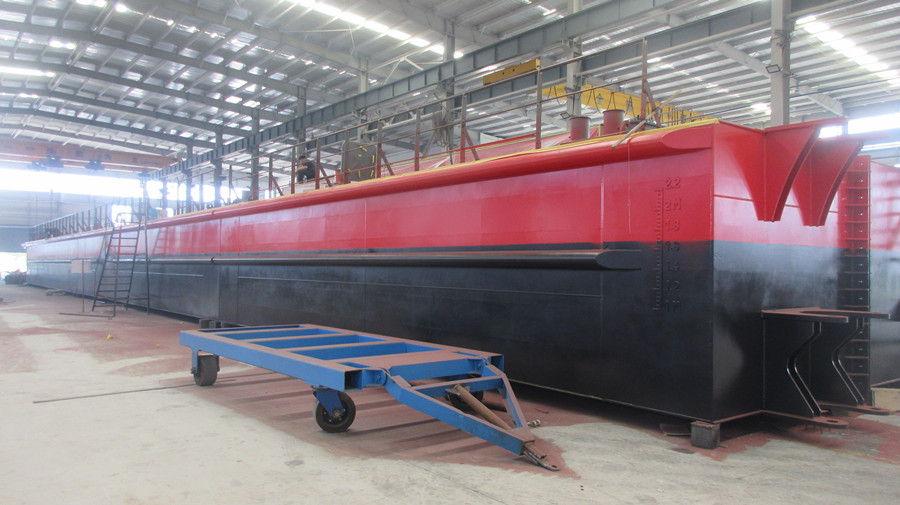
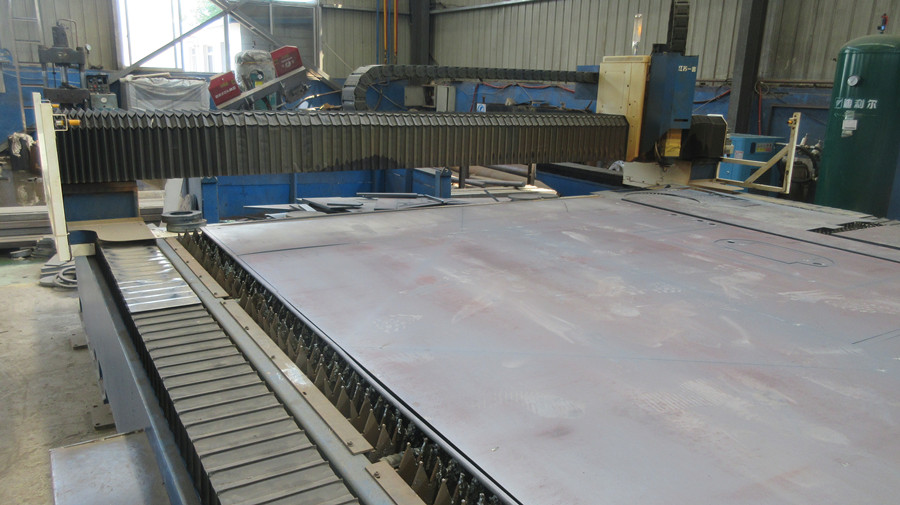
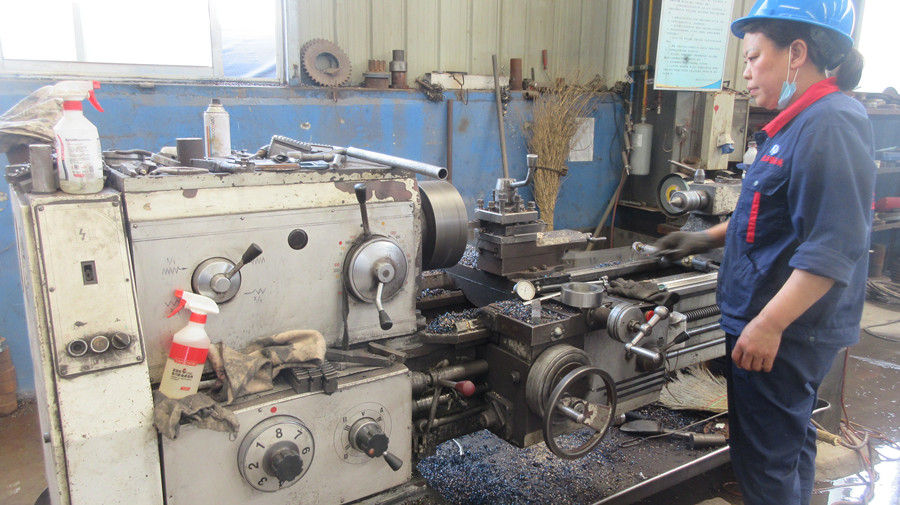
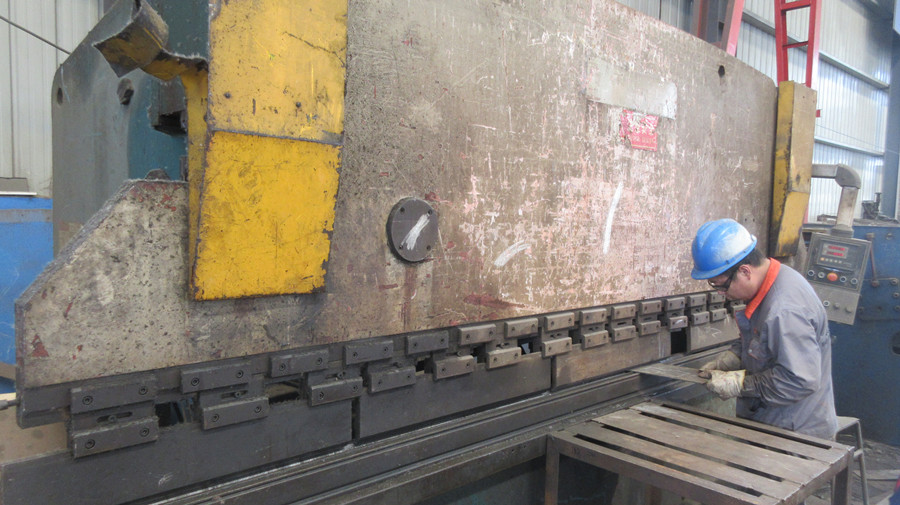
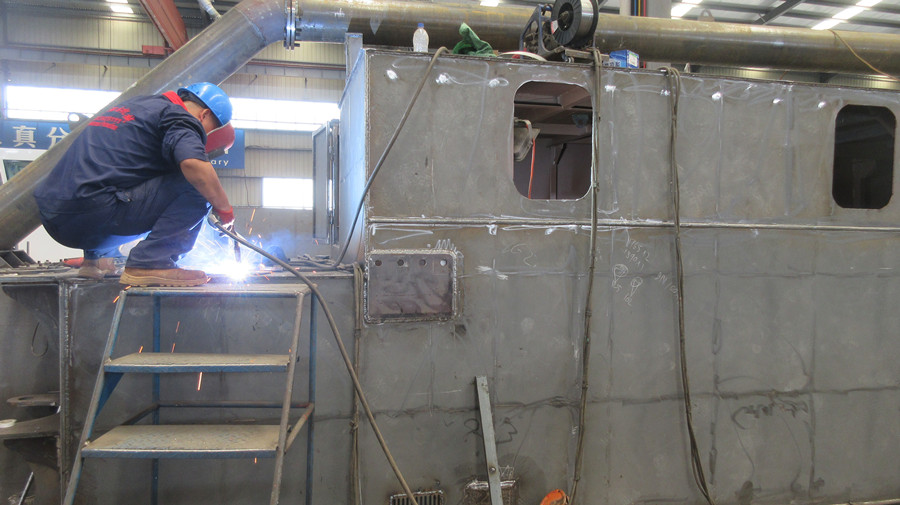
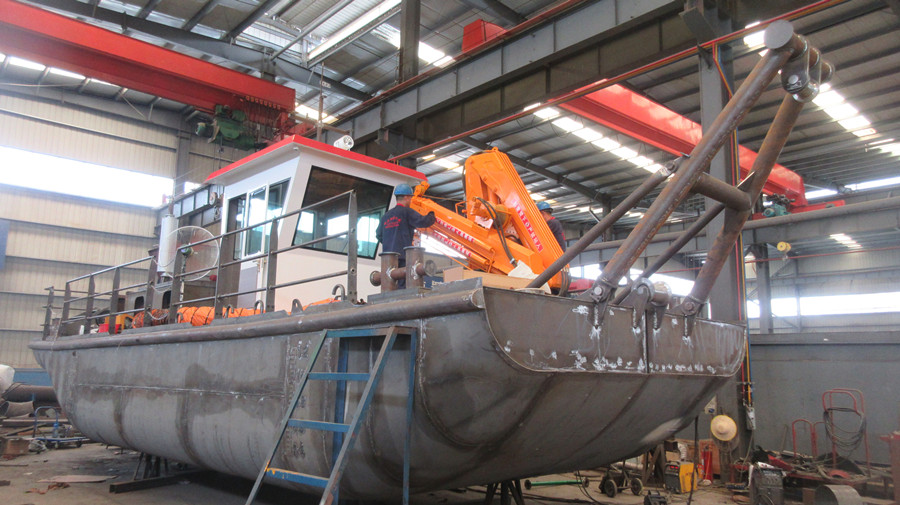
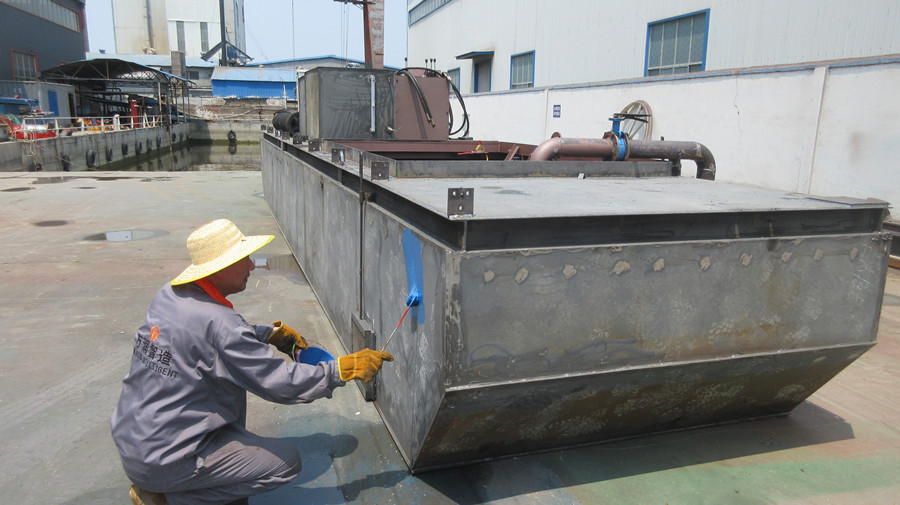
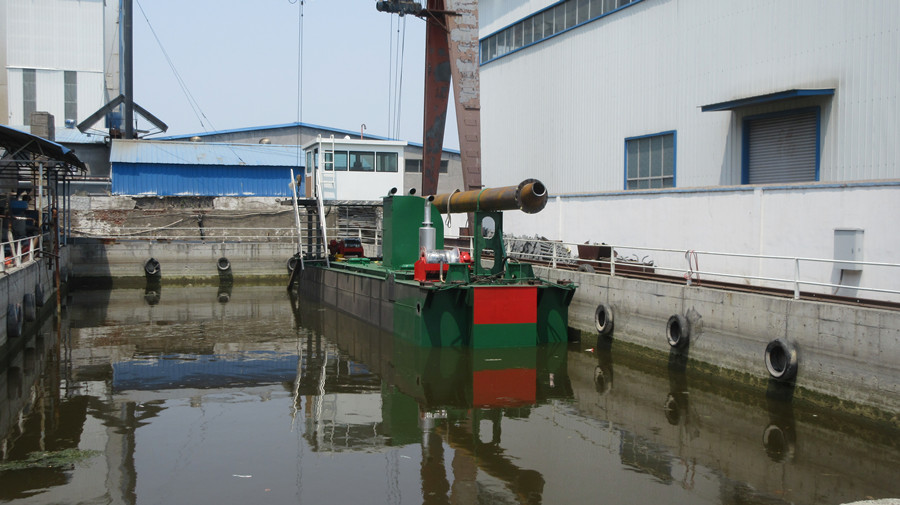
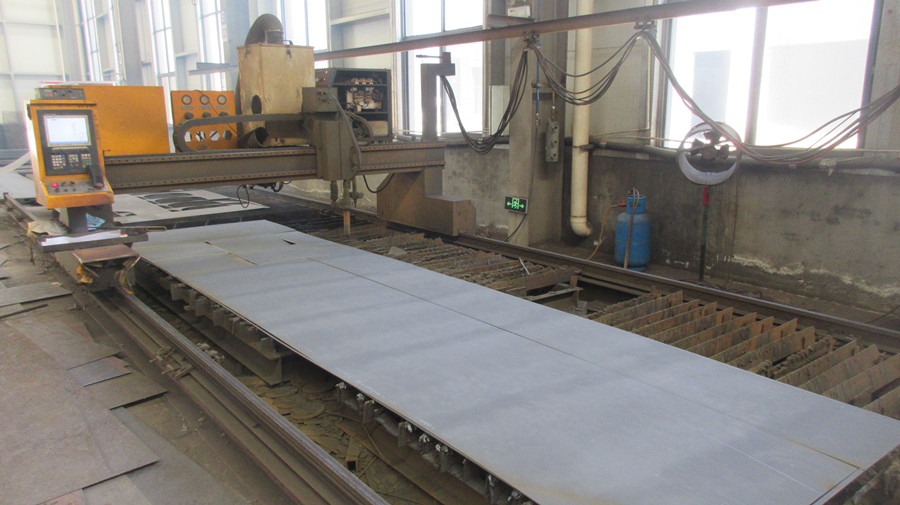
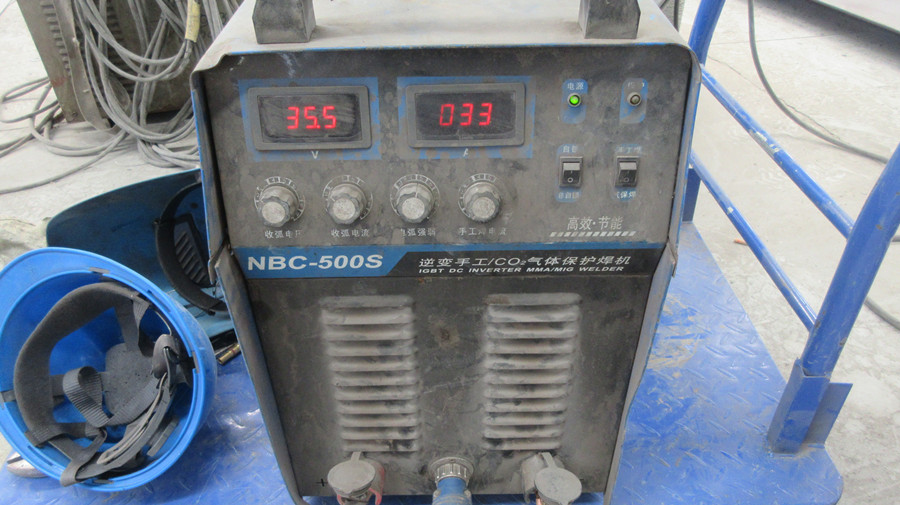
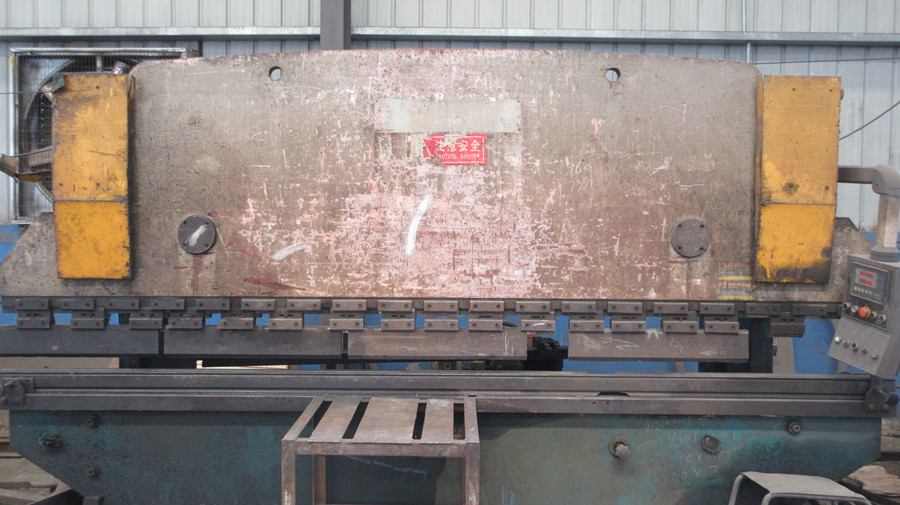
Engineering solutions tailored to regional maritime conditions, EPA mandates, and USDA certification criteria.
Within the Puget Sound and Seattle metropolitan region, temperature-controlled shipments must align with a dense web of domestic and international regulatory demands. The FDA's Sanitary Transportation of Food (STF) rule, implemented under the Food Safety Modernization Act (FSMA), requires strict temperature documentation throughout transportation. Our containers address this through automated, tamper-proof temperature data loggers that generate complete compliance files for inspection at border crossings or distribution warehouses.
Exporting high-value seafood to Asian markets requires fast cold treatment processes to preserve quality. For products like Dungeness crab, wild sockeye salmon, and geoduck clams, preserving physical cell structures and moisture levels relies on extremely fast blast-freezing environments. Our advanced containers drop temperatures to -35°C within hours, locking in freshness before the long oceanic voyage across the Pacific. For agricultural exports like cherries, we utilize USDA-approved cold treatment setups, eliminating pests biologically without chemical fumigation and meeting phytosanitary entry conditions in foreign ports.
Seattle’s South Lake Union and Eastside technological hubs contain one of the largest concentrations of biotech and biomedical firms in North America. These operations require deep-frozen storage and shipping methods for mRNA vaccines, clinical trial samples, and blood plasma. By utilizing insulated shipping containers paired with active cooling systems, we maintain precise temperature bands, preventing deviations that could compromise sensitive biological materials.
Leading the next generation of eco-friendly refrigerants, predictive analytics, and automated supply chains.
The cold chain sector is transitioning toward carbon-neutral operations and zero-emission equipment. Driven by EPA regulations and clean energy goals at the Port of Seattle and Port of Tacoma, our development pipeline is focused on sustainable refrigeration technologies. We are phasing out traditional HFC refrigerants and moving toward natural alternatives like CO2 (R-744), which offers very low Global Warming Potential (GWP) without sacrificing heat-exchange efficiency at extreme temperatures.
Our upcoming platform includes integrated hydrogen fuel-cell gensets. These units provide continuous power for refrigerated containers during long rail transits without the particulate matter and carbon emissions of diesel generators. Additionally, we are incorporating predictive maintenance systems powered by machine learning algorithms. By analyzing real-time motor current draw, compressor vibration patterns, and gas pressures, these systems can predict component wear and alert maintenance teams before equipment fails during transport.
Expert insights on regulatory compliance, equipment operations, and cold chain optimization for the Seattle market.
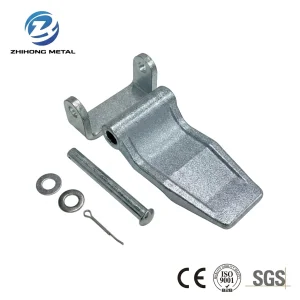
A comprehensive inventory of heavy-duty cold chain containers, delivery vehicles, and components engineered for export operations.
Connect with our Seattle-focused technical team today. We provide engineered refrigerated equipment solutions, logistics coordination, and customs clearing assistance.
Send Inquiry Now Changi Logistics