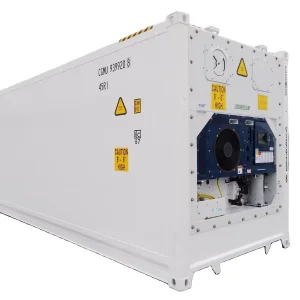
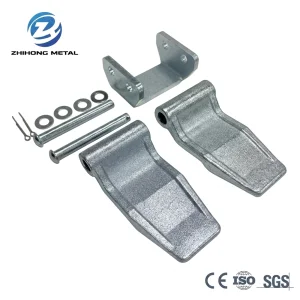
Temperature-Controlled & Reefer Shipping Suppliers & Exporters for the Tokyo Market

Decarbonized Cold Chain Engineering, Multi-Temperature Telematics, and Compliant Logistics Infrastructure Built for Japan's Rigorous Food & Pharmaceutical Sectors

Primary Tokyo Logistics Implementations

Pre-engineered solutions ready for deployment across Ohi Container Terminal, Toyosu Fish Port, and regional Kanto distribution points.
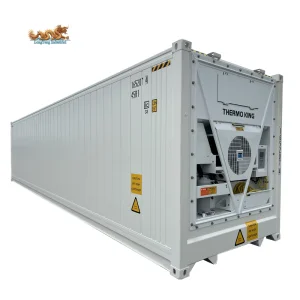
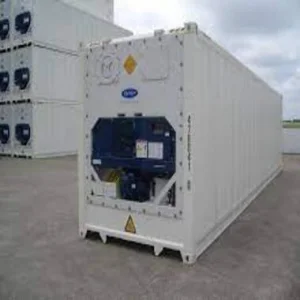
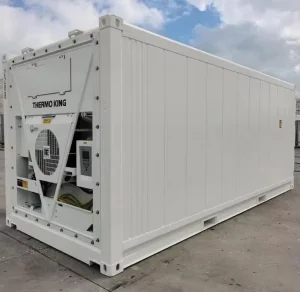
Refrigerated Reefer Container with Thermo King Freezer for Tokyo Port

Brand NEW 40ft 40RH Tokyo-Spec Refrigerated Reefer Container with Thermo King Freezer

View Detailed Specs
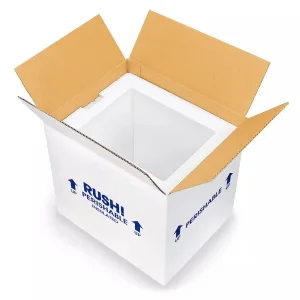
Styrofoam Insulated Carton Shipping Box Tokyo

Tokyo-Grade Styrofoam Insulated Carton Shipping Box for Hot and Frozen Food Deliveries

View Detailed Specs
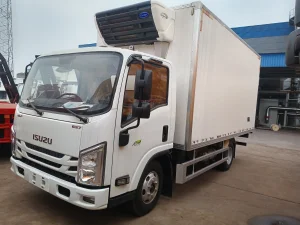
Isuzu Refrigerated Van for Tokyo Medical Logistics

Isuzu Temperature Controlled Refrigerated Van Optimized for Kanto Medical and Vaccine Logistics

View Detailed Specs
Smart CA Durian Reefer Container Tokyo

Smart CA Controlled Atmosphere Reefer Container for Import & Transport in the Greater Tokyo Area

View Detailed Specs

1. Whitepaper: The Tokyo Cold Chain Imperative

The Tokyo metropolitan area constitutes the largest consumer hub in the world, with over 37 million people demanding an uninterrupted supply of perishable foods, high-value seafood, and critical biopharmaceuticals. Meeting this demand requires an advanced, reliable cold chain infrastructure. Historically, cold-chain transport relied on standard cooling systems. Today, the convergence of ultra-precise temperature controls, Internet-of-Things (IoT) monitoring, and eco-friendly refrigerants is reshaping the industrial landscape of Tokyo's logistics.

In accordance with Japan’s strict Ministry of Agriculture, Forestry and Fisheries (MAFF) guidelines and the Ministry of Health, Labour and Welfare (MHLW) medical standards, cold-chain systems must operate within razor-thin tolerances. Variations of even 0.5°C can result in container rejections, particularly for pharmaceutical shipments and ultra-frozen marine products headed to Toyosu Market. This whitepaper analyzes how advanced multi-temperature reefer units and integrated logistics workflows from exporters like Guangdong Changi Logistics Co., Ltd. address these requirements.

-60°C
Deep Freeze Capability
±0.2°C
Temperature Precision
100%
PMDA Compliance
R513A
Low GWP Refrigerant

2. Tokyo Market Dynamics & Industrial Landscape

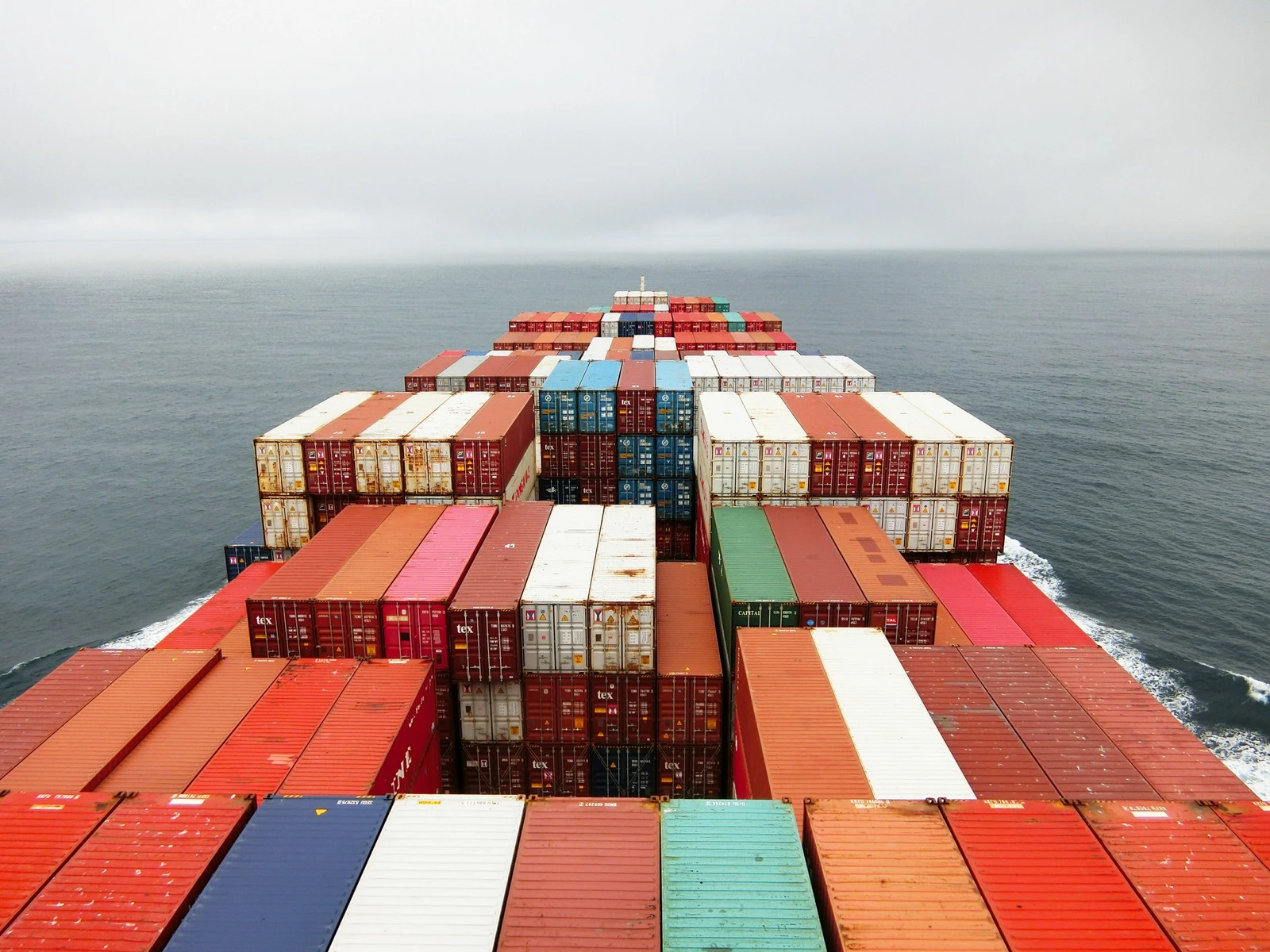
Tokyo's industrial shipping is centered around major maritime gateways: the Port of Tokyo (including Ohi and Aomi terminals) and the Port of Yokohama. These ports handle massive volumes of import-export reefers annually. In recent years, several key factors have driven change in the Tokyo market:

  • The "2024 Logistics Problem": Legislative changes in Japan restricting truck driver overtime have created a critical bottleneck. Logistics providers must optimize container load efficiency, using larger high-cube containers (40RH) and intermodal setups that shift seamlessly from maritime vessels to rail and regional depots.
  • Pharmaceutical GDP (Good Distribution Practice) Harmonization: Japan's PMDA has aligned closely with international GDP standards. Biopharmaceuticals, vaccines, and clinical trial therapies require end-to-end trace-monitored refrigerated transport, avoiding any breaks in the temperature cycle during local transfers.
  • Premium Seafood Logistics: The Toyosu Market remains the benchmark for premium sashimi-grade tuna. This seafood requires specialized ultra-low-temperature (ULT) shipping containers capable of maintaining temperatures as low as -60°C to halt enzymatic activity and preserve product quality.

3. Advanced Technology Pathways in Temperature Control

Modern reefer container fleets serving Tokyo must deploy a set of redundant technologies to safeguard cargo and satisfy local environmental regulations:

  • Atmosphere Modification (CA): Controlled Atmosphere technology regulates oxygen ($O_2$), carbon dioxide ($CO_2$), and nitrogen ($N_2$) levels, delaying fruit ripening and expanding the shelf life of imports.
  • Inverter-Driven Compressors: Utilizing scroll compressors with variable frequency drives reduces electrical load surges, vital when containers are run on auxiliary diesel generator sets or terminal power grids.
  • Vacuum Insulated Panels (VIPs): Incorporating polyurethane foam and advanced VIP layers minimizes heat ingress, ensuring cargo stays cool even during mid-summer port delays.
  • Continuous Telematics & GPS tracking: Cloud-connected sensor suites report real-time temperature, humidity, carbon dioxide, and geographic coordinates back to Tokyo dispatch centers.

System Architecture

Our systems use a multi-tiered monitoring architecture designed for Japanese regulatory approval:

Tier 1: Hardware Sensors

Duplicated PT100 temperature sensors measure air supply and return temperatures within ±0.1°C accuracy.

Tier 2: Real-time Cloud Uplink

IoT Gateway using 4G/5G with satellite fallback transmits core data during ocean transit.

Tier 3: Kanto Control Center

Continuous automated alert routing to identify and resolve temperature deviations quickly.

Guangdong Changi Logistics Co., Ltd.

Established in 2018, delivering integrated supply chain solutions and high-quality equipment to international freight networks.

Guangdong Changi Logistics Co., Ltd. is a comprehensive logistics enterprise specializing in international freight forwarding and integrated supply chain solutions. The company is committed to providing efficient, reliable, and customized logistics services for global trade and cross-border e-commerce clients.

Our core services include international sea freight, air freight, rail transportation, multimodal transport, warehousing, customs clearance, and end-to-end supply chain management. With a strong global agency network and advanced digital logistics systems, we deliver cost-effective and time-efficient solutions to customers across various industries.

Our vision is to become a leading global logistics and supply chain partner, driven by innovation and powered by technology. We aim to build a smarter, greener, and more efficient global logistics network that enables seamless international trade and sustainable business growth for our clients. We believe logistics is more than transportation—it is the foundation that connects global commerce and drives business success.
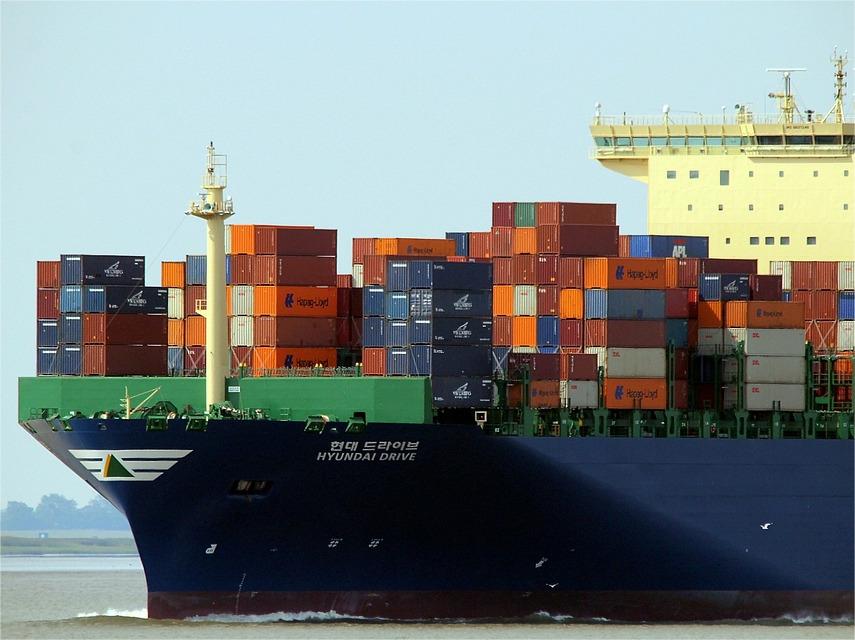
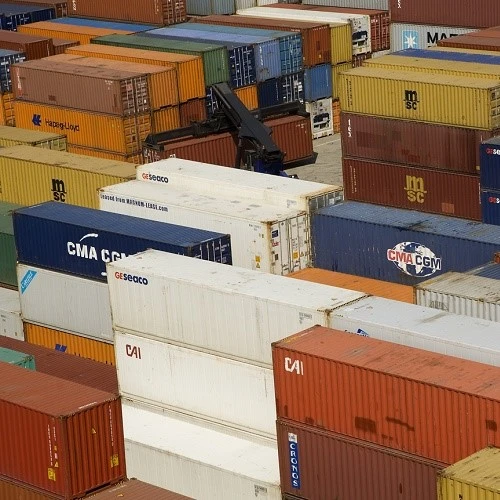
Our Strategic Mission for the Tokyo Market:

  • Provide safe, stable, and efficient international cold-chain logistics services.
  • Optimize global supply chain structures to reduce overall logistics costs.
  • Enhance digitalization and visibility across the entire shipping process.
  • Build trusted and long-term partnerships with global clients and partners.
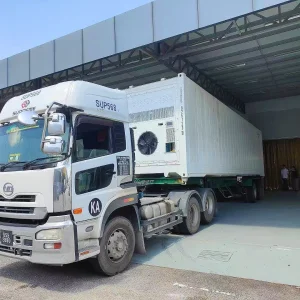
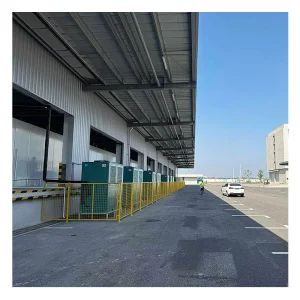
Changi Logistics Warehouse Operations Changi Logistics Container Fleet Cold Chain Loading Bay Reefer Container Testing Field

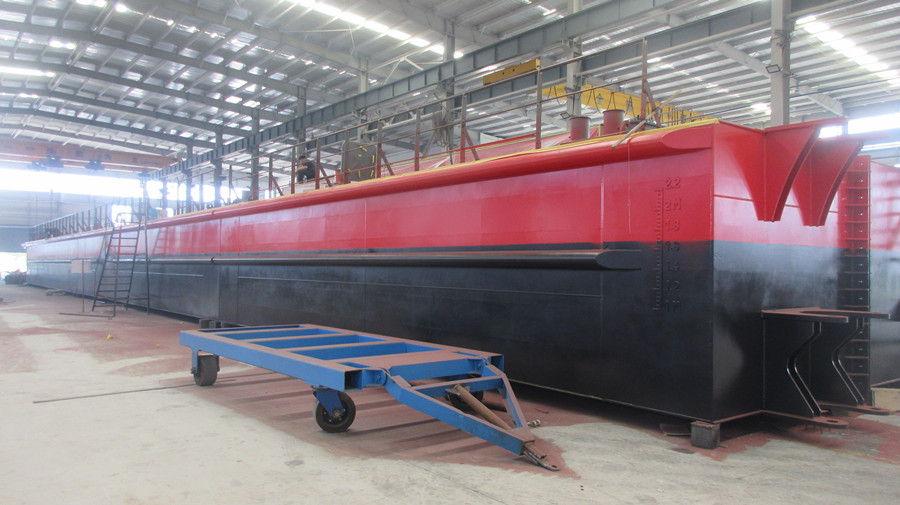
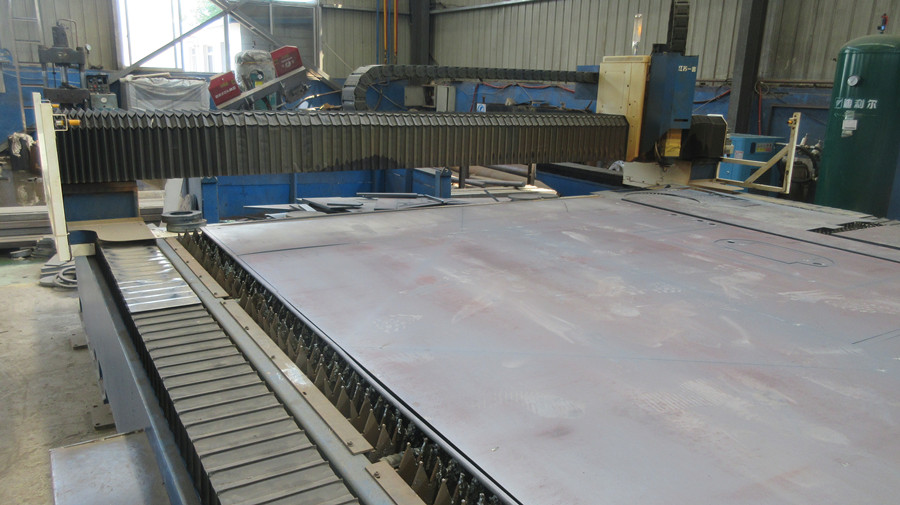
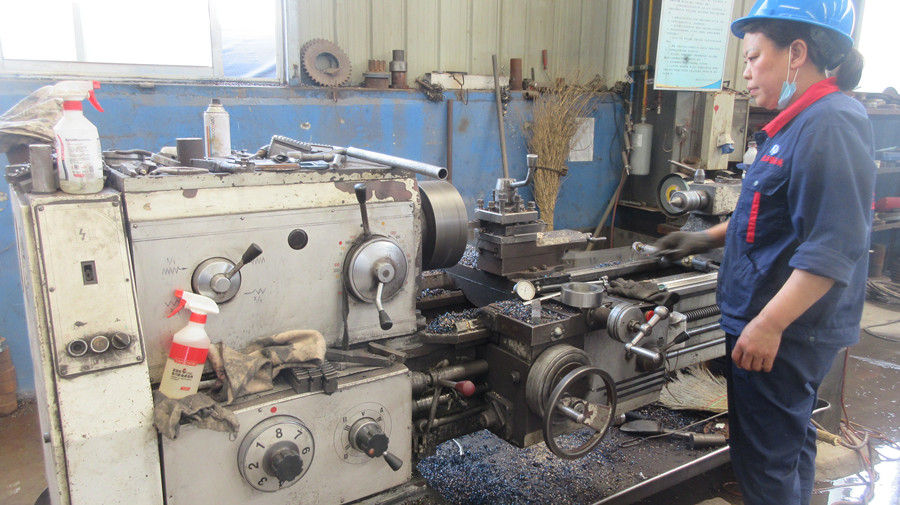
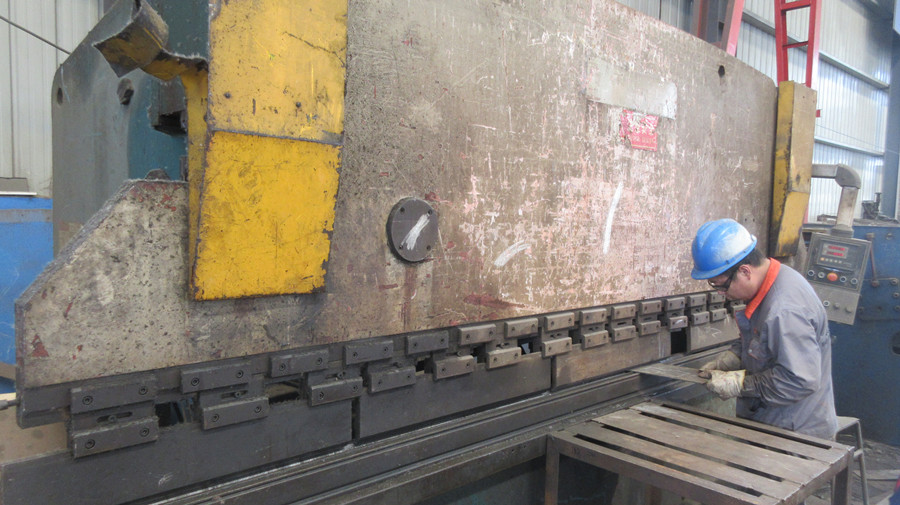
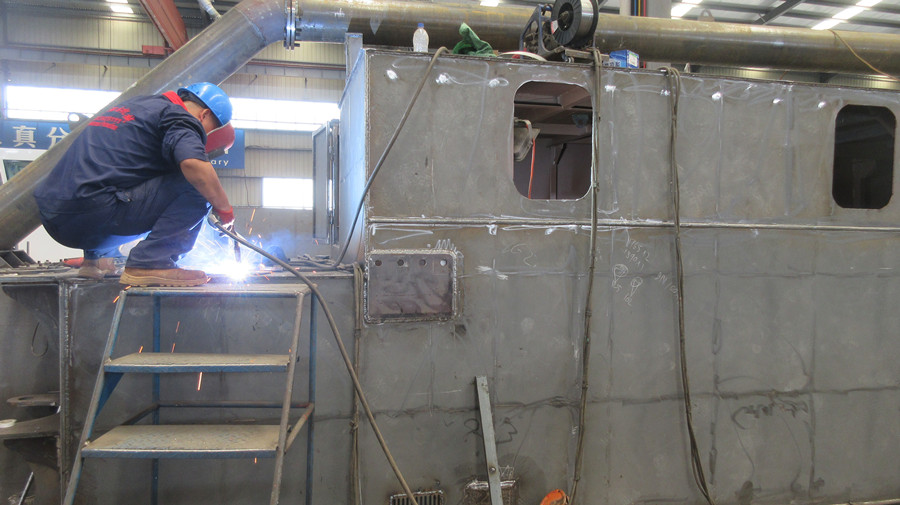
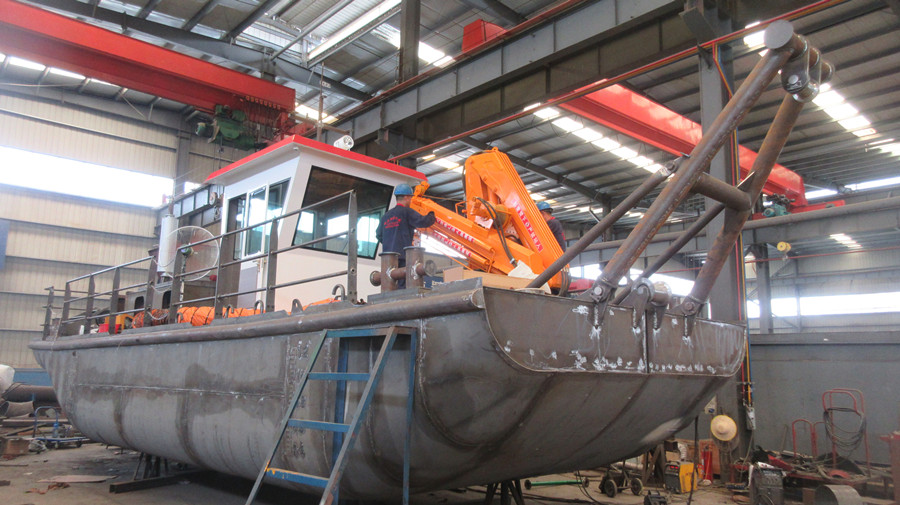
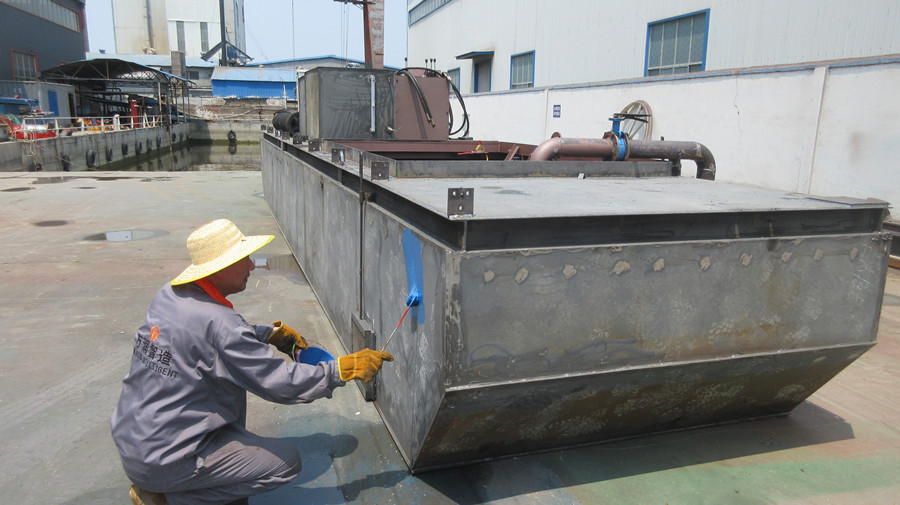
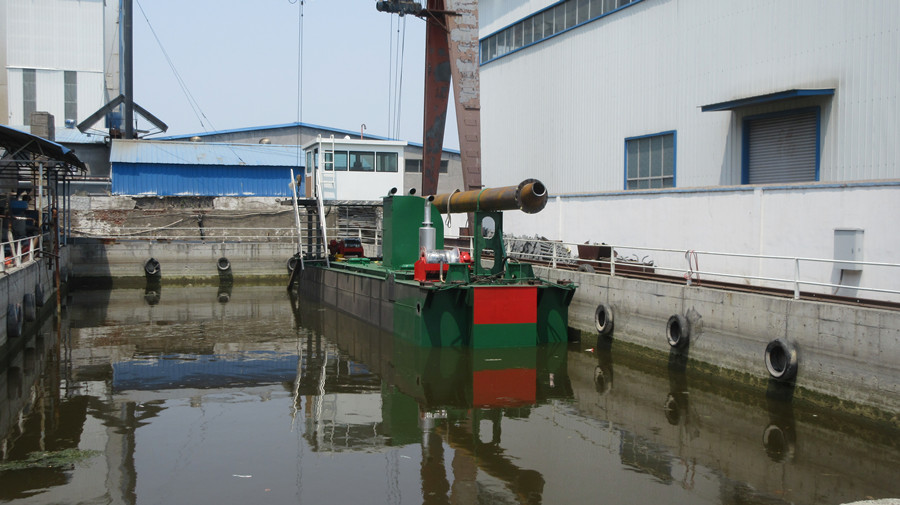
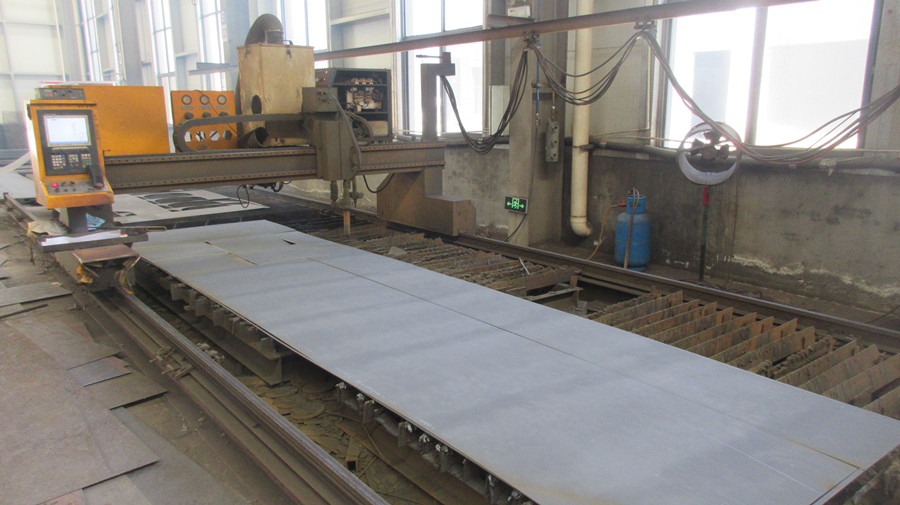
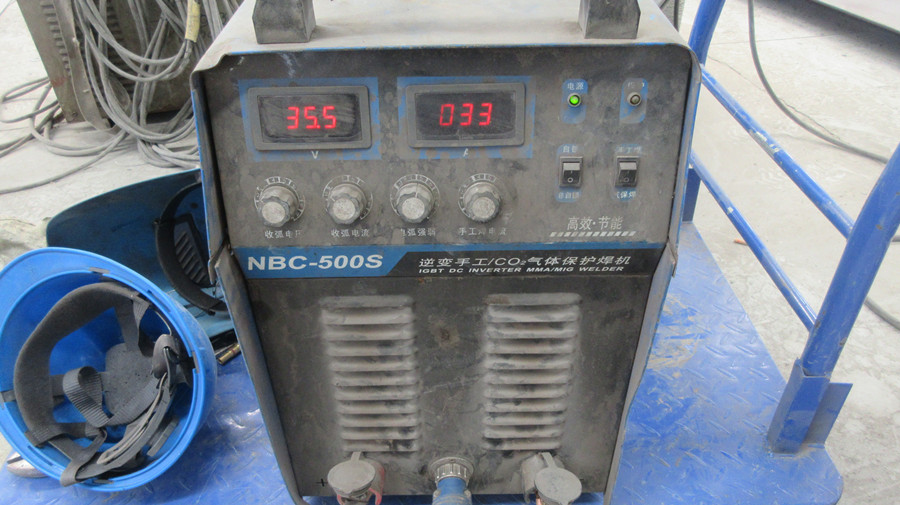
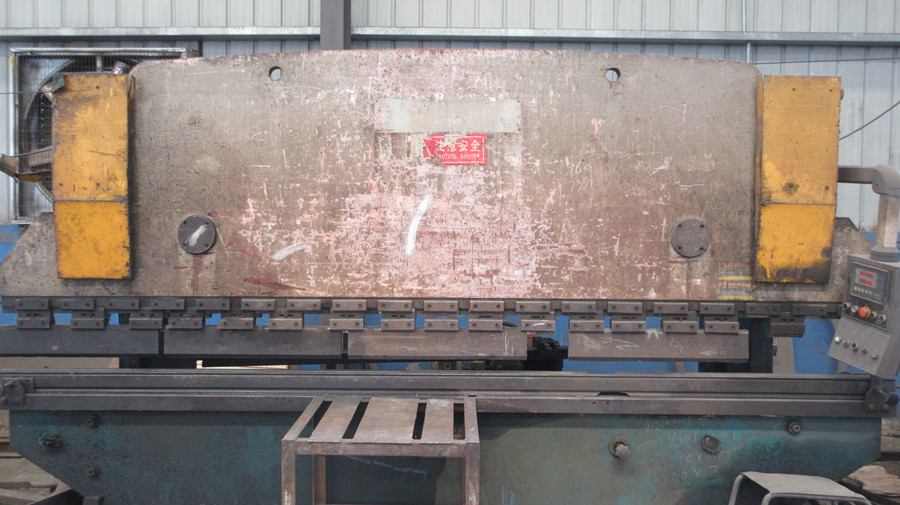
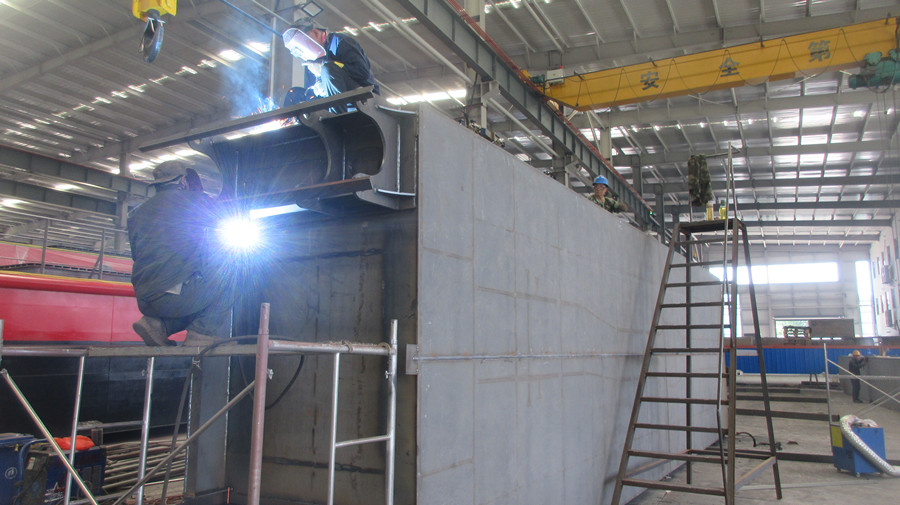
Manufacturing Precision & Quality Inspection

Every cold-chain container and mechanical module undergoes a strict fabrication flow to guarantee structural integrity and thermal performance under harsh marine conditions.
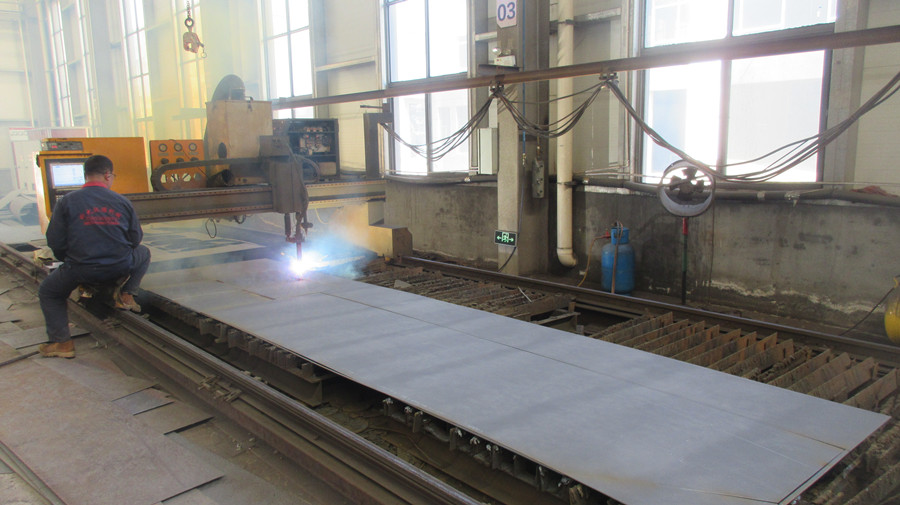
Laser Cutting Step
Steel Panel Cutting
Precision Welding Step
Frame Welding
Module Assembling Step
Rigid Shell Assembling
Alternative Panel Cutting
Component Profile Cutting
Machining Step
Reefer Machining
Press Bending Step
Bending Panels
Reinforcement Welding
Double Reinforcement Welding
Final Assembly
Structural Assembling
Anti-corrosion Painting
Marine-Grade Painting
Thermodynamic Testing
Strict Temperature Testing
Machinery Tooling
Automated Cutting Line
Robot Welding
Robotic Welder Line
Heavy Bending Press
Hydraulic Plate Bending Line

Primary Tokyo Reefer Container & Thermal Supply Catalog

Premium ISO-certified equipment engineered to maintain optimal temperature ranges across regional Japanese distribution systems.
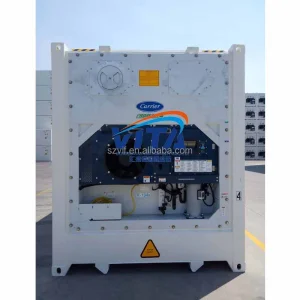
Eco-Friendly Copeland Reefer Container Tokyo

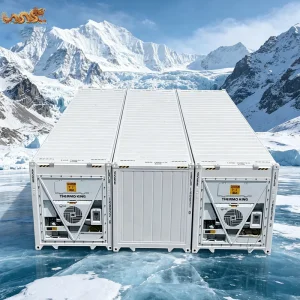
Eco-Friendly Copeland Multi-Temp Commercial Reefer Container for Tokyo Logistics

View Detailed Specs
Mobile Refrigerated 40ft Reefer Container Tokyo

Outdoor Mobile Combined Refrigerated 40ft Reefer and Cold Storage Room for Tokyo Seafood

View Detailed Specs
Qingdao Shanghai Reefer Container Tokyo Port

Tokyo Import Duty-Paid 20GP 45HQ Reefer Container with Precision Regulation

View Detailed Specs
Used Reefer Shipping Containers Tokyo Depot

Used Reefer Shipping Containers 20ft 40ft - Inspected for Tokyo Port Clearance

View Detailed Specs
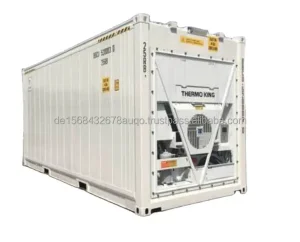
20ft cold chain refrigerated container Tokyo

Professional Cold Chain Refrigerated Container 20ft with Constant Temperature Control for Tokyo

View Detailed Specs
New 40RH Reefer High Cube Tokyo

New 40RH Reefer High Cube Units in Premium Condition for Tokyo Food and Chemical Hubs

View Detailed Specs
40ft Corten Steel Reefer Container Tokyo

40ft Corten Steel Thermo King Reefer Container (67cbm Capacity) for Tokyo Port Storage

View Detailed Specs
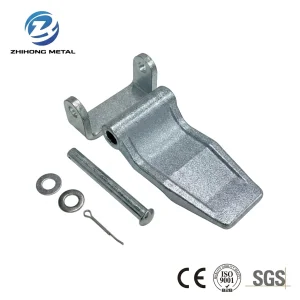
Anti-Corrosion Reefer Door Hinge Plate Tokyo

Anti-Corrosion Reefer Container Door Hinge Plate with Reinforced Stainless Steel Pin

View Detailed Specs

Supplementary Cold Chain Accessories & Marine Power Units

Ensure uninterrupted operation during long-haul sea freight transits to Tokyo with heavy-duty gensets and foil thermal insulation.
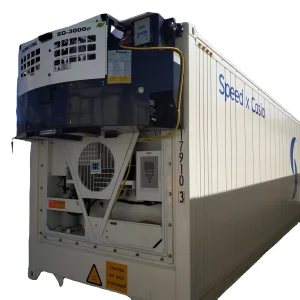
Customizable 40ft Container Reefer Diesel Gen Tokyo

Brand New 40ft Reefer Self-Powered Diesel Generator Set for Trans-Pacific Voyages

View Detailed Specs
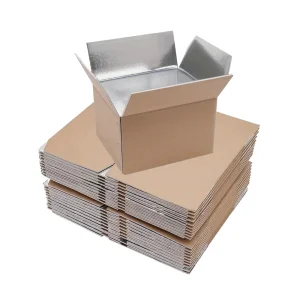
Aluminum Foil Insulated Shipping Box Tokyo

Aluminum Foil Insulated Liner Box for Local Tokyo Express Food Delivery

View Detailed Specs
Refrigerated Shipping Containers Long Distance Tokyo

Refrigerated Shipping Containers Built for Long-Distance Ocean Routes to Japan

View Detailed Specs
Double Hinge Assembly Reefer Tokyo

Reefer Container Double Hinge Assembly with Marine-Grade Stainless Steel Pins

View Detailed Specs

4. Tokyo Localized Support & Compliance Protocols

Securing port entry and customs clearance in Japan involves navigating unique operational steps. Containers entering the Port of Tokyo must conform to strict JAS (Japanese Agricultural Standards) and food contact sanitary provisions under the Food Sanitation Act. Here is our localized support methodology:

Deconsolidation and Pre-Inspection: We coordinate with import customs brokers in Tokyo to ensure all phytosanitary certifications for fresh commodities are processed ahead of arrival. Our smart telemetry systems provide data logs to customs officers to demonstrate temperature stability during transit.

Maintenance and Terminal Compliance: Reefer machinery must comply with local safety requirements. We perform pre-trip inspections (PTI) at departure, certifying electrical component compliance with Japanese standards before containers are delivered to Kanto terminal yards.

Intermodal Operations: We configure chassis mounting interfaces to align with Japanese weight limits. This keeps high-cube reefer cargo fully compliant with local transport regulations for domestic road freight.

Cold Chain & Reefer Shipping FAQ

Key information regarding shipping regulations, equipment selection, and transit monitoring for the Tokyo metropolitan market.

What is the standard pre-trip inspection (PTI) process for reefers shipping to Tokyo?
Every container undergoes a strict physical and mechanical PTI before dispatch. This includes testing structural integrity, ensuring vacuum insulation effectiveness, checking refrigerant charge, verifying electrical parameters (compressor motor load and fans), and calibrating the digital controllers. For food shipments to Tokyo, we confirm the chamber is free from odor and contamination.
How do you comply with Japan's PMDA medical temperature guidelines?
We use pharmaceutical-grade refrigerated containers equipped with primary and secondary backup cooling circuits, along with redundant telemetry. This setup keeps the internal chamber within GDP guidelines (typically +2°C to +8°C or -20°C for dry ice applications), and provides audit-ready temperature logs for Japanese regulatory authorities.
Do you supply self-powered diesel generator reefers for inland transit in Japan?
Yes, we provide reefers equipped with undermount or clip-on diesel generator sets (gensets). These systems allow the container to operate independently of vessel or land electrical grids, ensuring cold-chain integrity during inland rail transport or extended delays.
What is the advantage of using Controlled Atmosphere (CA) reefers for fresh produce?
Our Smart CA system manages carbon dioxide, oxygen, and nitrogen levels. By controlling gas concentrations, the ripening process of imported commodities (such as tropical fruits) is suspended. This extends shelf life and reduces spoilage, ensuring produce reaches wholesale centers like Toyosu Market in optimal condition.
How does Guangdong Changi Logistics manage weight limits on Japanese roads?
Japan imposes strict weight limits on tri-axle and dual-axle chassis. We design cargo distributions inside our high-cube 40ft containers to align with these domestic load laws, working with local Kanto transport networks to coordinate route permits and prevent terminal gate rejections.

Request a Technical Integration Proposal

Get in touch with our cold-chain engineering team to design custom temperature-controlled shipping setups and logistics workflows for the Tokyo market.