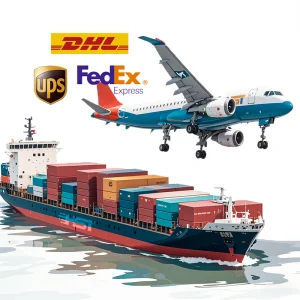
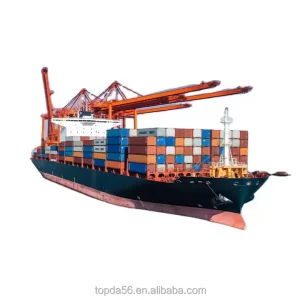
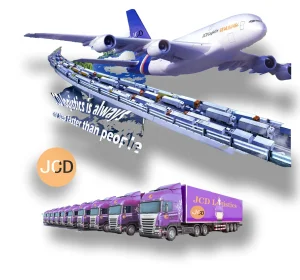
Guangdong Changi Logistics Co., Ltd. is a premier, comprehensive logistics enterprise established in 2018. Over the years, we have positioned ourselves at the forefront of international freight forwarding and integrated supply chain management solutions. We are fundamentally committed to providing highly efficient, reliable, and customizable logistics services tailored to global trade demands and cross-border e-commerce requirements.
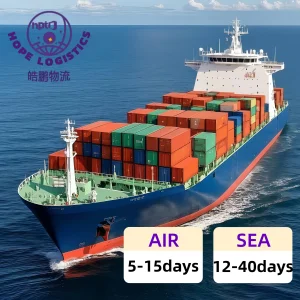
Our logistics core capabilities span across international sea freight, robust air cargo handling, intercontinental rail transport networks, intermodal options, smart warehousing, specialized customs clearance broker services, and complete end-to-end supply chain optimizations. Backed by a vast global agency network and utilizing industry-leading digital tracking and planning systems, we secure cost-effective and highly optimized transport timelines for clients globally.
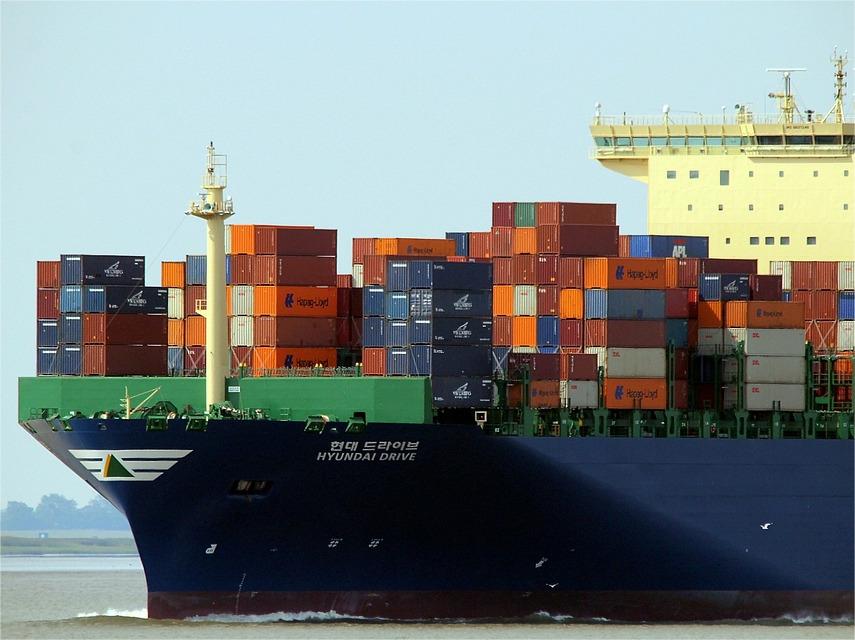
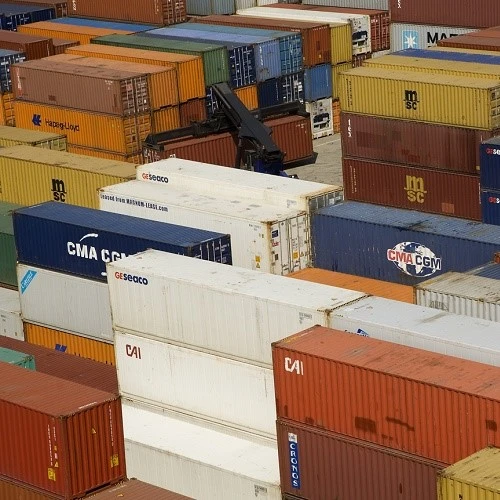
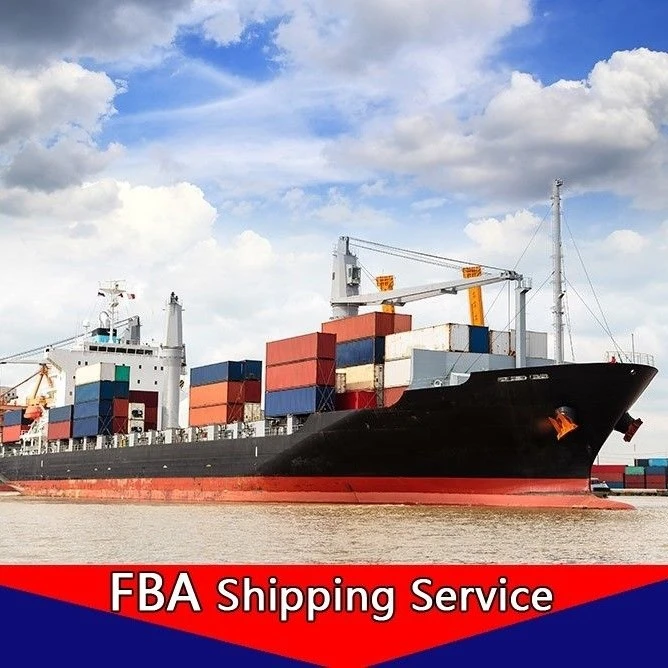
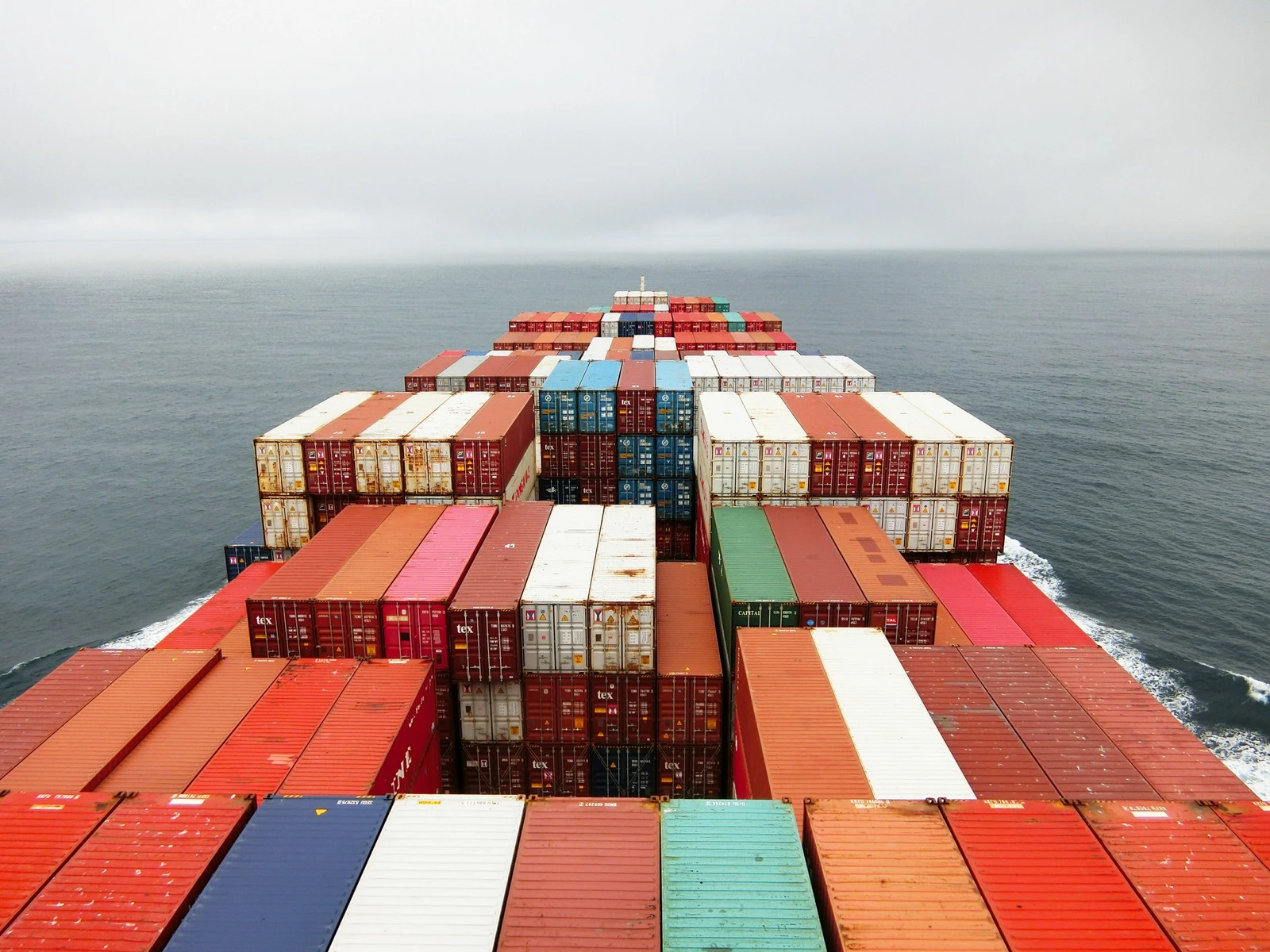
Founded in 2018, Guangdong Changi Logistics Co., Ltd. has developed concurrently with the rapid growth of cross-border e-commerce networks and advanced global production structures. Originating as a regional freight forwarding specialist in Guangdong, the company systematically expanded its operations, adopting advanced technology frameworks to transition into an all-inclusive international supply chain logistics provider.
Through ongoing optimization of digital systems, EDI integrations, and close collaborations with major ocean and air carriers, we offer unmatched transparency and execution capabilities. Today, we stand as a trusted, independent global partner capable of managing complex routes, strict import regulations, and high-frequency cargo movements.
Our Vision: To emerge as a top-tier global logistics and supply chain architect, led by technological innovation and sustainable practice systems. We aim to construct an interconnected, decarbonized, and intelligent network that enables frictionless global trade flows.
Our Mission: We exist to optimize supply chains and protect cargo values across oceans. We realize this through four operational pillars:
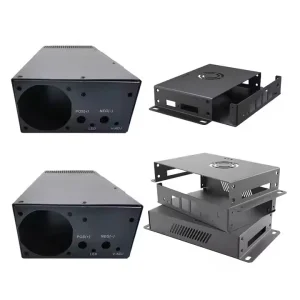
True logistics reliability begins directly at the source. At Changi Logistics, we bridge the gap between high-precision industrial fabrication and efficient international transit. By integrating Industry 4.0 principles, we manage complex custom sheet metal fabrications, structural assemblies, and specialized freight equipment right from the assembly floor to destination ports.
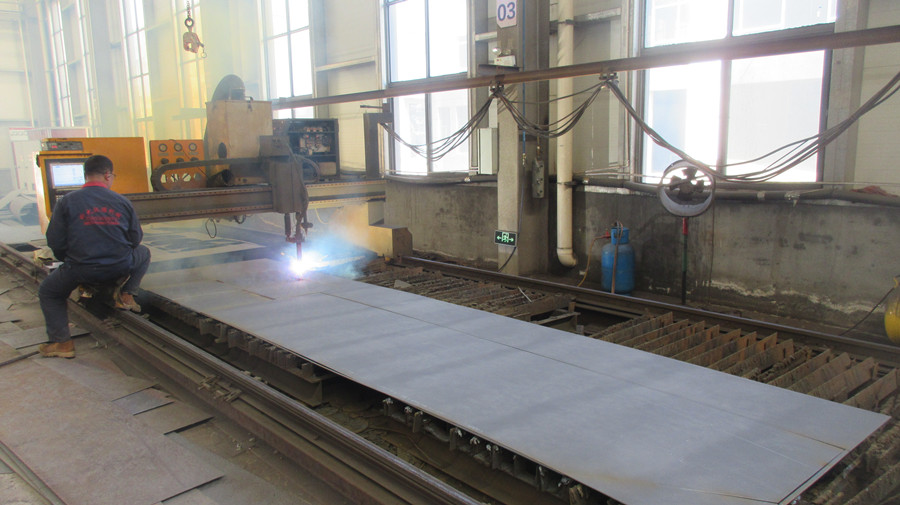
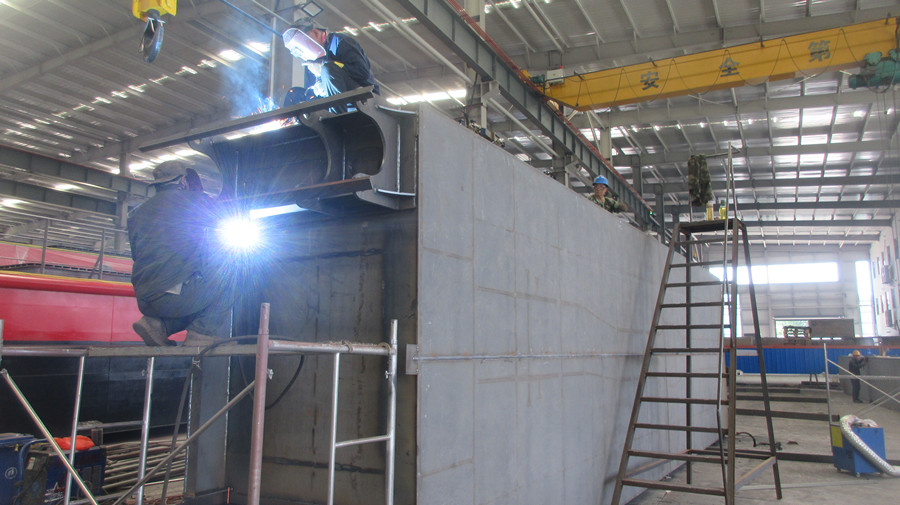
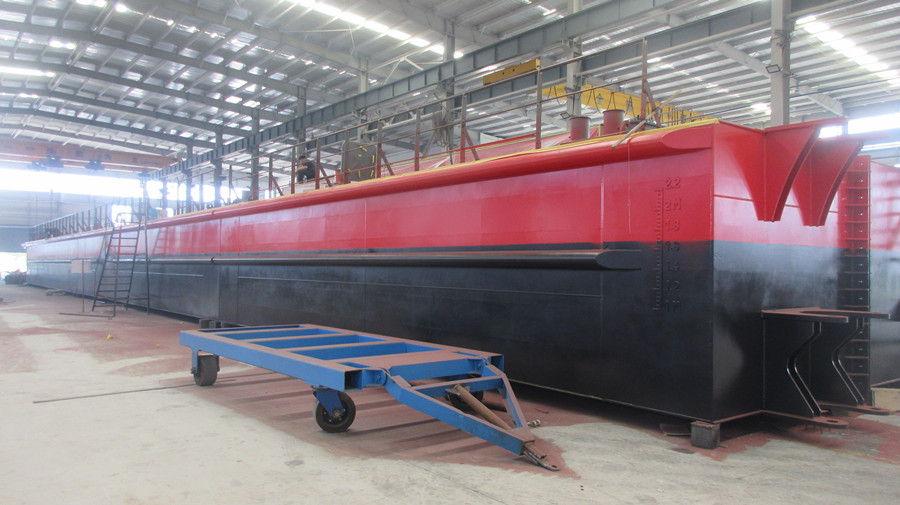
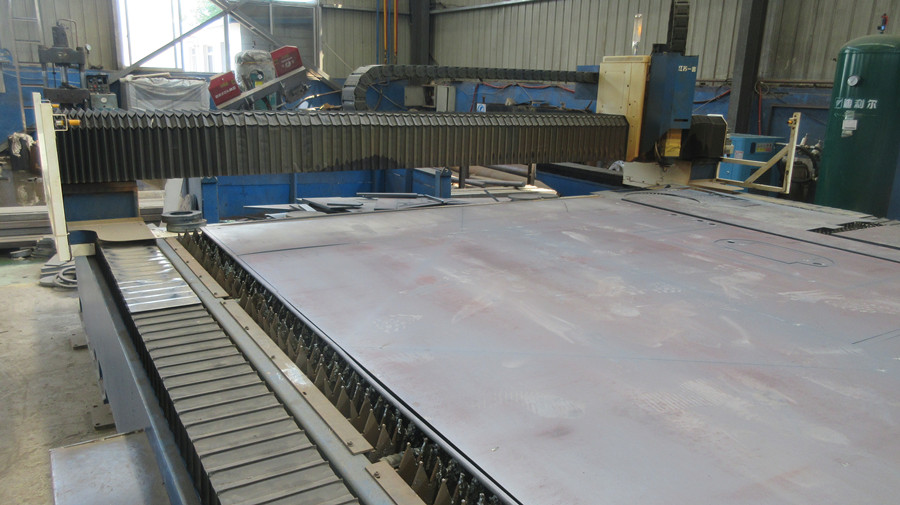
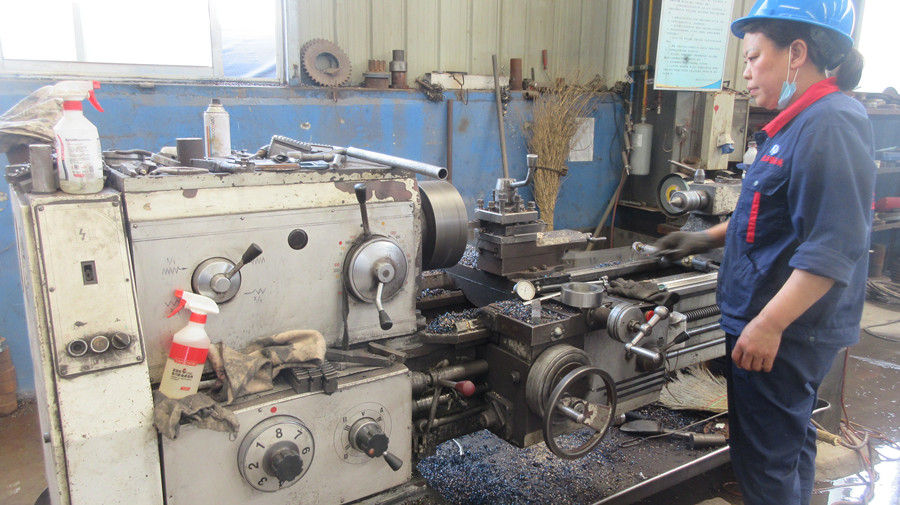
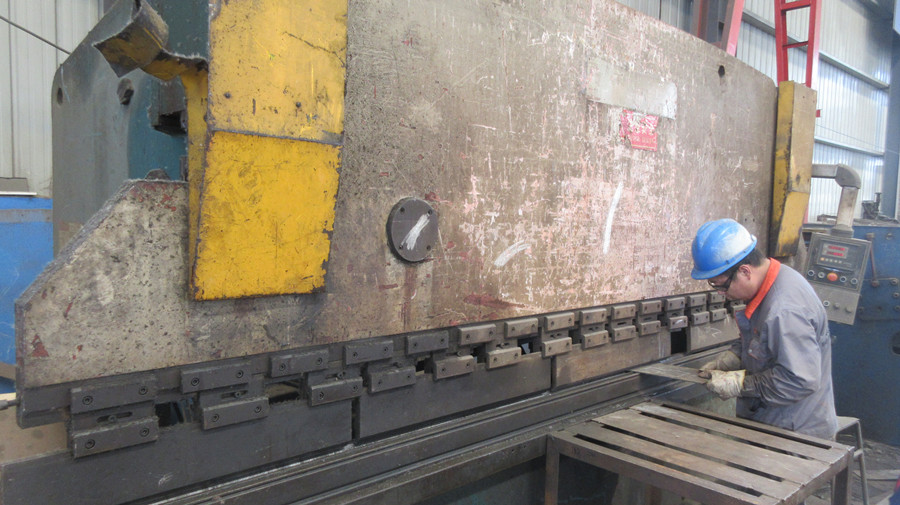
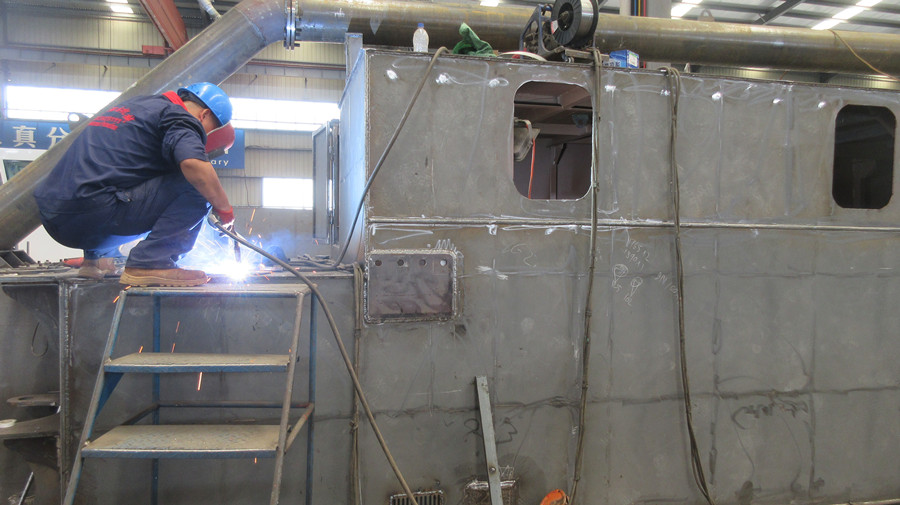
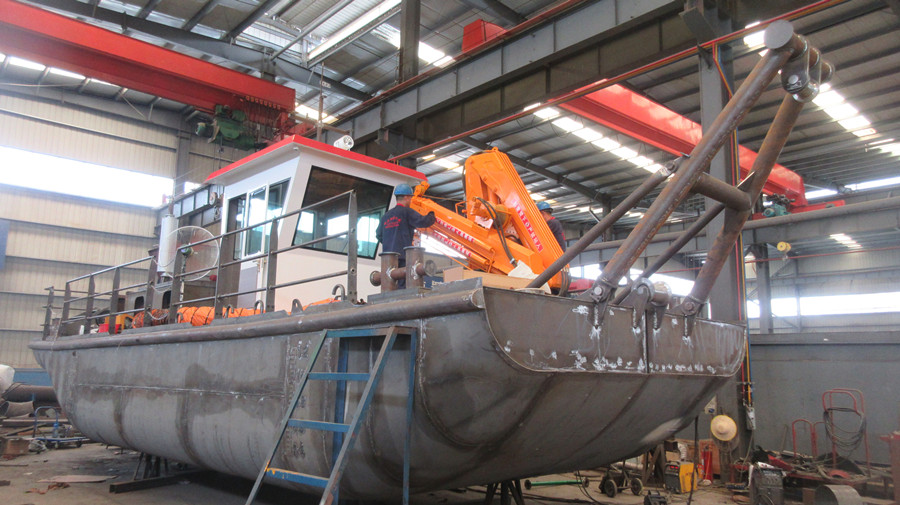
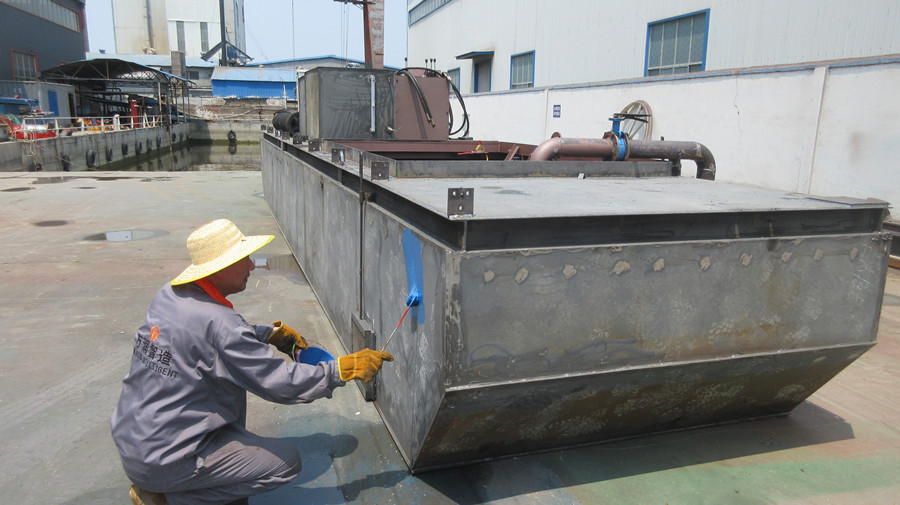
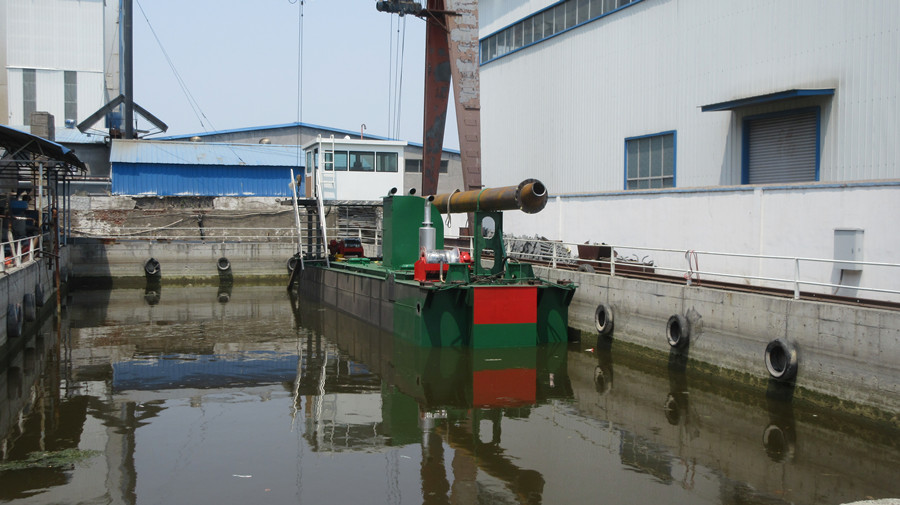
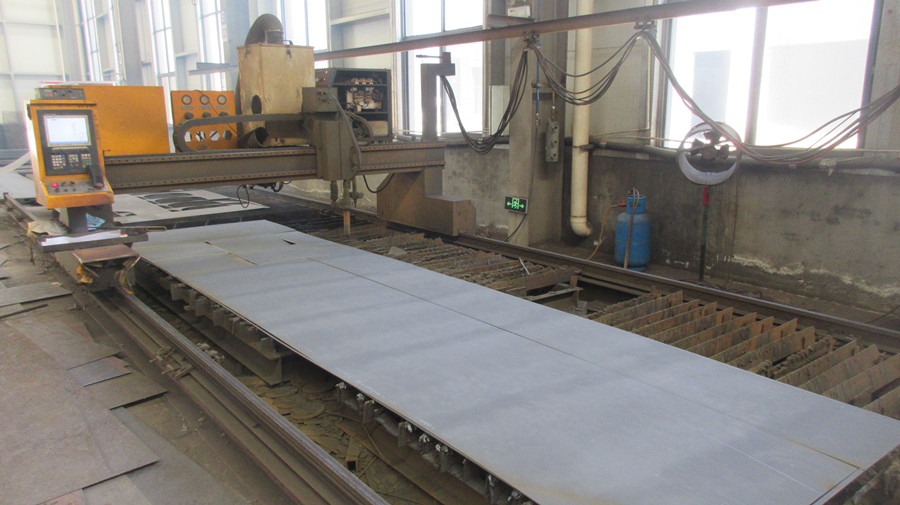
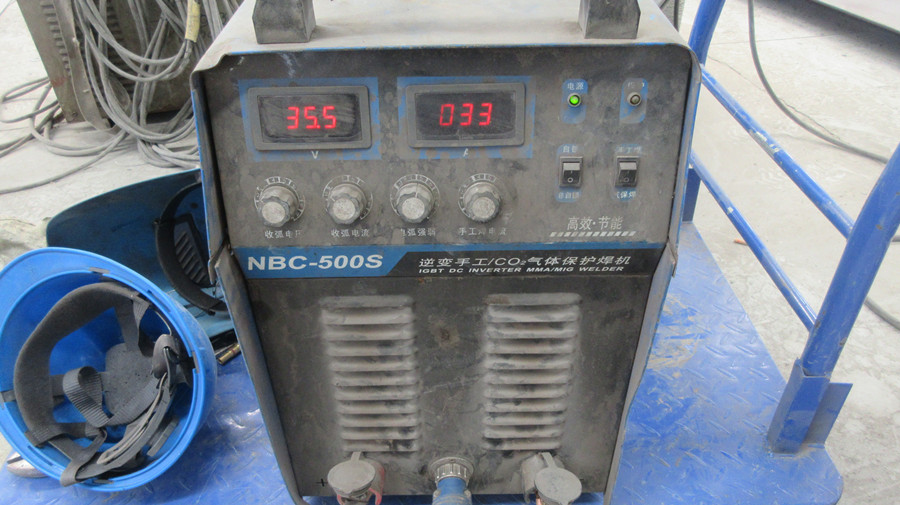
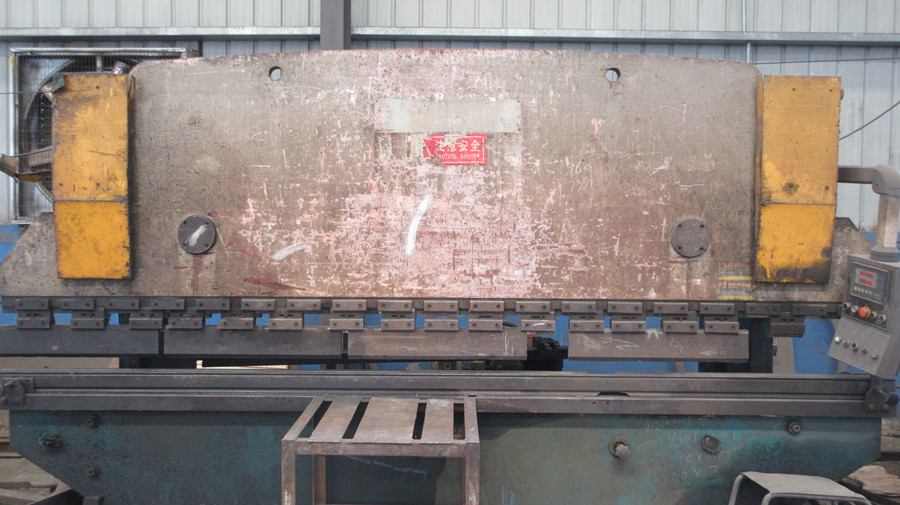
Fully calibrated, multi-ton pressing and bending systems ensuring strict dimensional accuracy for structural steel, intermodal tank frames, and logistics equipment.
Modern global procurement requires more than moving boxes from point A to point B. It requires deep integration with manufacturing cycles and smart port routing. The rise of "China Factory 4.0" has introduced automated manufacturing processes, such as laser cutting, robotic welding, and CNC machining, to produce high-value transport equipment like ISO tank containers and heavy trailer tractors. In this environment, logistics acts as a vital bridge between production lines and final delivery.
Changi Logistics utilizes intelligent planning systems to align factory schedules with shipping schedules. By linking manufacturer ERPs directly to port booking APIs, we minimize storage costs at container yards and reduce delays. This synchronization ensures that specialized fabrications move smoothly through domestic customs to deep-sea container ports.
Shipping temperature-sensitive goods over trans-Pacific or Asia-Europe routes requires advanced cold chain technology. Standard dry containers cannot maintain the precise conditions needed for fresh produce, pharmaceuticals, or chemical compounds. To address this, we deploy specialized Refrigerated Container (Reefer) Sea Freight solutions equipped with active climate and ventilation systems.
By utilizing aluminum-foil insulated boxes and multi-layered thermal carton packaging, we offer added protection against external heat spikes. Throughout the journey, our operations team uses real-time monitoring systems to track temperature, humidity, and atmospheric conditions, ensuring product stability from origin to delivery. This proactive approach helps minimize loss and maintains cargo quality throughout the shipping process.
The growth of cross-border e-commerce has increased the demand for Less than Container Load (LCL) freight and Delivered Duty Paid (DDP) shipping. Managing multiple small shipments requires smart consolidation and experienced customs handling. Changi Logistics optimizes LCL shipments by consolidating cargo from multiple vendors at regional warehouses in major ports like Guangzhou and Shenzhen.
Our dedicated customs brokerage team handles classification, import declarations, and duty payments at key regional hubs. Whether navigating customs rules in Southeast Asia (Thailand, Vietnam, Cambodia), the European Union, or North America, we verify and process documentation to prevent delays at entry points, keeping shipments moving efficiently to their destinations.
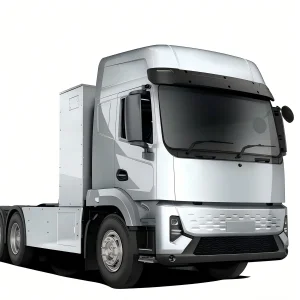
As global trade works to reduce its environmental impact, the logistics sector is adopting new technologies to lower carbon emissions. Transitioning to zero-emission and low-carbon transport options helps companies meet their environmental targets while maintaining supply chain efficiency. Heavy-duty electric trailer tractors are now being introduced for short-haul port drayage and intermodal yard transfers.
By combining rail, sea, and electric road freight, we help clients design greener supply chains. These intermodal systems offer a practical balance of cost and speed, providing a reliable alternative to traditional transport methods and helping companies transition toward more sustainable operations.
As global supply chains face changing trade regulations and shifting consumer demands, Changi Logistics continues to invest in technology to improve transparency and operational resilience. Our technology roadmap outlines the tools and processes we are developing to support modern international trade.
Deploying battery-powered IoT sensors inside reefer units and high-value cargo containers to transmit real-time location, temperature, humidity, and shock data via satellite networks. This ensures continuous status monitoring on all major global routes.
Using machine learning models to analyze weather, port congestion, and carrier space availability. The platform automatically reroutes shipments to avoid bottlenecks, optimize container space, and lower overall transit costs.
Expanding the use of 49-ton electric trailer tractors for port drayage and inland distribution. By combining electric trucking with green intermodal rail routes, we help clients reduce Scope 3 transport emissions.
Global shipping requires strict adherence to customs regulations, product standards, and safety codes. A single documentation error can lead to customs holds, storage fines, or cargo seizures. Our compliance division works to minimize these risks by preparing and verifying necessary paperwork before shipments depart.
We assist with HS code classification, country-of-origin certification, and compliance audits for specialized cargo, including dangerous goods and heavy industrial machinery. By working with recognized third-party inspection firms (such as SGS and TÜV), we verify that all equipment meets local safety and technical standards prior to shipping.
Insights from our logistics experts on managing international trade challenges, customs clearance, and cold chain shipping.
Under LCL (Less than Container Load) DDP, multiple small shipments are consolidated into a single container. The freight forwarder manages the consolidation, ocean transit, customs clearance, and final delivery to individual warehouses. FCL (Full Container Load) DDP reserves the entire container for a single shipper, offering faster transit times and less handling. DDP (Delivered Duty Paid) terms mean the shipper takes responsibility for ocean freight, import clearance, duties, and local delivery, reducing the administrative burden on the buyer.
Reefer shipping relies on refrigerated containers connected to power sources on ships and at port terminals. These units maintain set temperatures throughout transit. To protect cargo during loading, unloading, or brief power cuts, we use specialized thermal liners, aluminum-foil insulated boxes, and temperature logging devices to monitor and record conditions inside the container.
Standard documentation includes the Bill of Lading, Commercial Invoice, Packing List, and Export Customs Declaration from China. Depending on the cargo, countries in Southeast Asia may also require import permits, phytosanitary certificates for agricultural products, and Form E Certificate of Origin under the ASEAN-China Free Trade Area to qualify for lower tariff rates. Our local offices help verify these documents prior to shipment to reduce the risk of border delays.
Buying from platforms like 1688 often involves working with a domestic purchasing agent. The agent consolidates items from different sellers at a central warehouse, performs quality inspections, verifies the packaging, and handles export customs clearance. Using DDP shipping terms through the agent simplifies the process by covering customs duties and delivery to the buyer's destination.
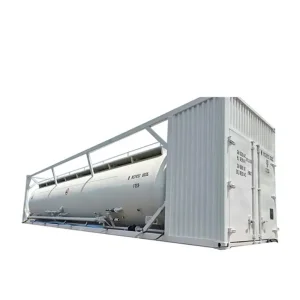
ISO tank containers are designed for intermodal transport, meaning they can move between trucks, trains, and ships without unloading the cargo. They are commonly used for bulk liquids, powders (like gypsum or cement), and chemicals. Made of high-grade stainless steel with protective frames, they offer a durable, leak-resistant solution that is easier to load and unload than standard drums.
Pre-shipment inspections verify that products match ordering specifications, quantity, and safety standards before leaving the factory. Inspectors test structural integrity, weld quality, dimensions, and operational performance. Discovering defects or errors before shipping allows manufacturers to make corrections, helping buyers avoid the costs and delays of returning defective products.
 Changi Logistics