Explore our leading cross-border cargo systems, localized shipping agents, and high-performance intermodal vehicle frameworks engineered for global standard corridors.
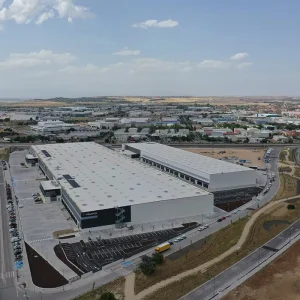
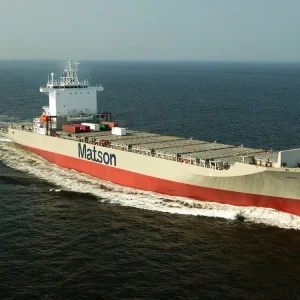
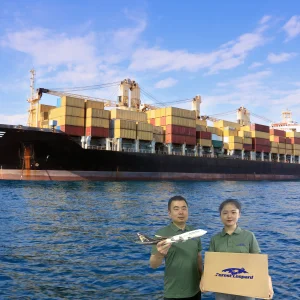
Bridging maritime, rail, road, and aviation corridors to slash delivery overhead and maximize structural efficiency.
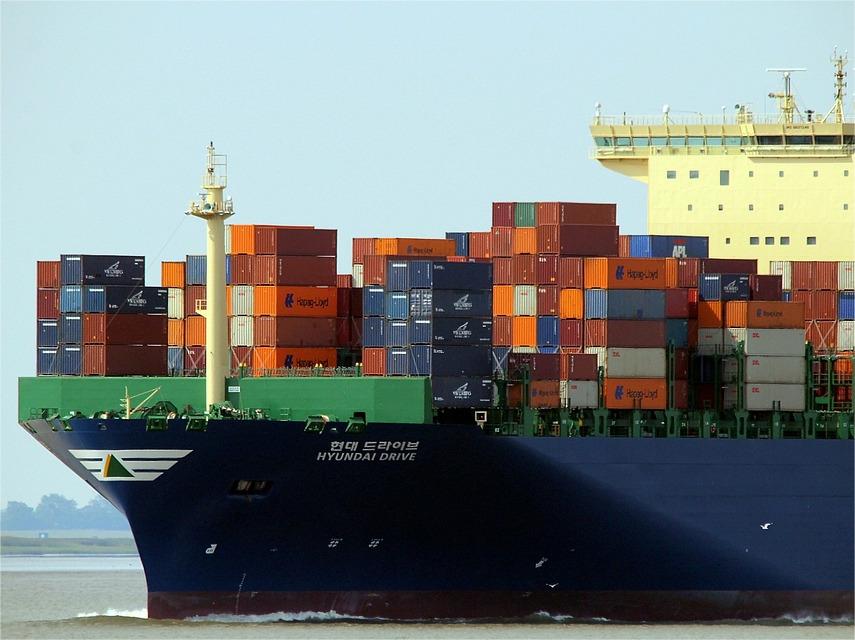
Intermodal transportation integrates multiple logistical modes under a single contractual bill of lading. By coordinating standardized shipping vessels, container frames, and low-bed semitrailers, we minimize transit transfer times and mitigate demurrage fees.
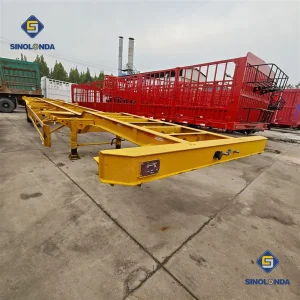
Utilizing high-strength skeleton semitrailers allows seamless terminal-to-terminal transitions. This system cuts overall logistics costs by up to 25% compared to point-to-point unimodal long-haul road haulage, offering a robust hedge against fluctuating oil prices.
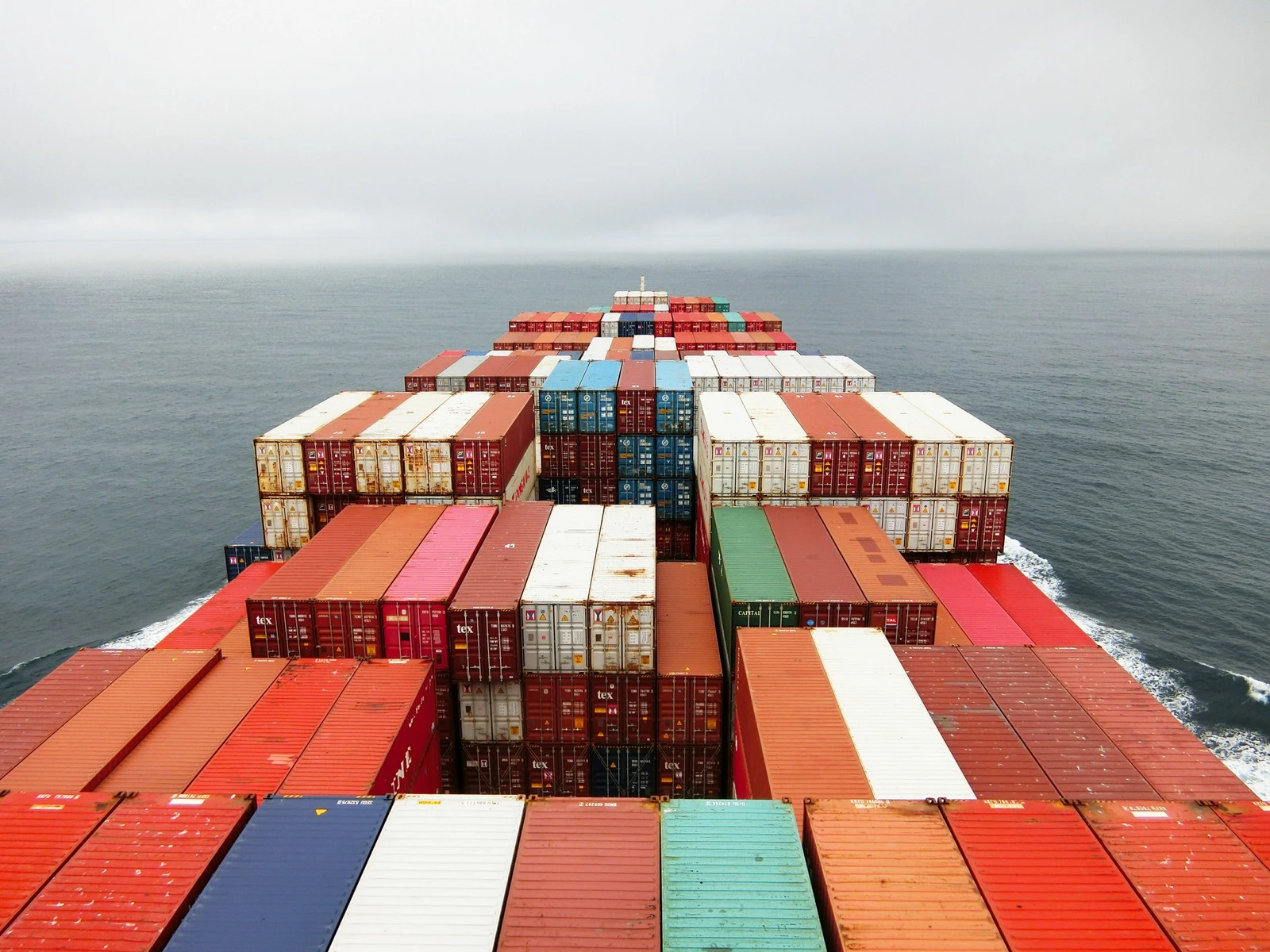
Moving heavy payloads via electrified rail corridors and fuel-efficient ocean carriers reduces scope 3 carbon footprints. Our lightweight corten-steel containers and heavy-duty chassis lower fuel burn rate ratios per metric-ton/mile.
| Transport Mode | Average Transit Cost Index | Carbon Footprint (gCO2/ton-km) | Optimal Distance Range | Consolidation Flexibility |
|---|---|---|---|---|
| Unimodal Road (FCL/LTL) | High (1.0) | 62 - 110 | Short-to-Medium (< 800 km) | High (Door-to-Door) |
| Rail + Road Intermodal | Medium-Low (0.65) | 18 - 35 | Long Range (> 800 km) | Very High (Terminal Hubs) |
| Sea + Rail Multimodal | Lowest (0.35) | 8 - 15 | Continental/Intercontinental | Standardized (CSC Certified) |
| Air + Road Charter Express | Premium (3.2) | 500 - 800 | Global Urgent Delivery | Direct / Customized Brokerage |
Strategic logistics corridors, infrastructure dynamics, and macrotrends shaping the flow of international cargo.
Modern international supply chains demand rapid adaptability. With evolving regulatory frameworks, carbon tax policies, and congestion across primary ocean lanes, specialized manufacturing clusters in China have stepped forward to build robust intermodal solutions.
Chinese factories are no longer just producing standard dry vans. They lead the development of specialized heavy-duty transport equipment like ABS anti-lock braking skeleton trailers, temperature-controlled corten steel reefer units, and optimized LCL consolidation modules. This integration helps global enterprises transition from fragile logistics models to resilient supply networks.
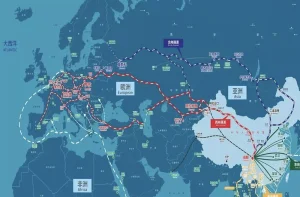
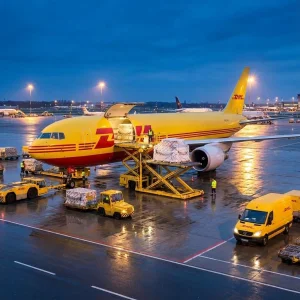
Rail-dominated intermodal routes between East Asian manufacturing zones and Western European networks have reduced sea transit times from 40 days to under 18 days. Utilizing certified ISO containers secures high-value electronics and automotive parts.
The surge in retail e-commerce requires fast, door-to-door delivery. DDP (Delivered Duty Paid) air cargo chartering combined with last-mile localized trucking keeps inventory fluid across key North American hubs.
Guangdong Changi Logistics Co., Ltd. — Your trusted partner in end-to-end global supply chain services.
Guangdong Changi Logistics Co., Ltd. is a comprehensive logistics enterprise established in 2018, specializing in international freight forwarding and integrated supply chain solutions. The company is committed to providing efficient, reliable, and customized logistics services for global trade and cross-border e-commerce clients.
Our core services include international sea freight, air freight, rail transportation, multimodal transport, warehousing, customs clearance, and end-to-end supply chain management. With a strong global agency network and advanced digital logistics systems, we deliver cost-effective and time-efficient solutions to customers across various industries.
Founded in 2018, Guangdong Changi Logistics Co., Ltd. has grown alongside the rapid expansion of global trade and the rise of cross-border e-commerce. Starting as a traditional freight forwarding service provider, the company has evolved into a full-service logistics and supply chain solutions provider.
Over the years, we have continuously enhanced our operational capabilities by integrating intelligent logistics management systems and real-time tracking technologies. These improvements have significantly increased service efficiency, transparency, and customer satisfaction, enabling us to become a competitive independent logistics provider in the industry.
"Our vision is to become a leading global logistics and supply chain partner, driven by innovation and powered by technology. We aim to build a smarter, greener, and more efficient global logistics network that enables seamless international trade and sustainable business growth for our clients."
At Guangdong Changi Logistics Co., Ltd., we are committed to delivering long-term value to our clients through innovative logistics solutions and professional service excellence. Our mission is to:
We believe logistics is more than transportation—it is the foundation that connects global commerce and drives business success.
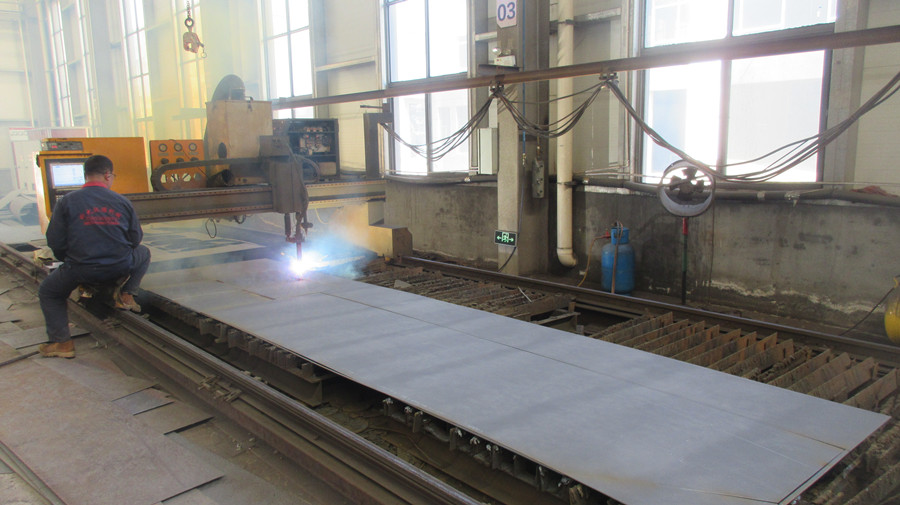
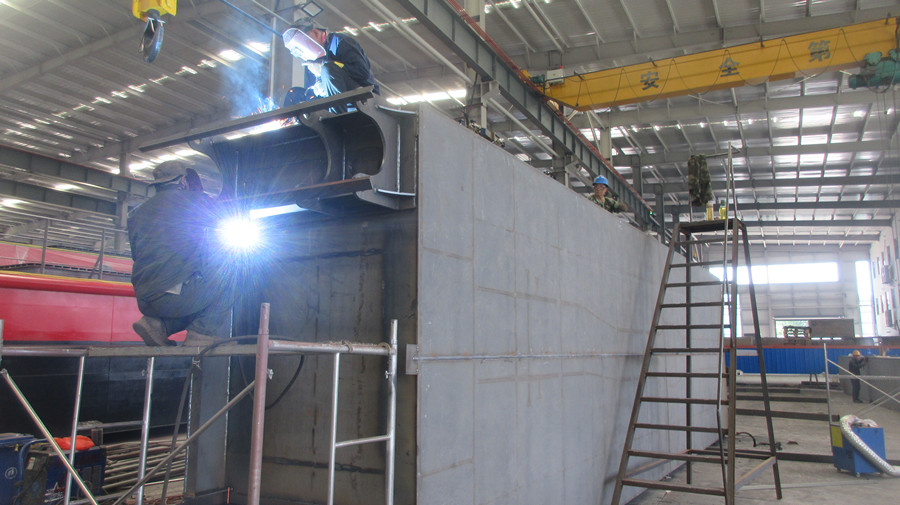
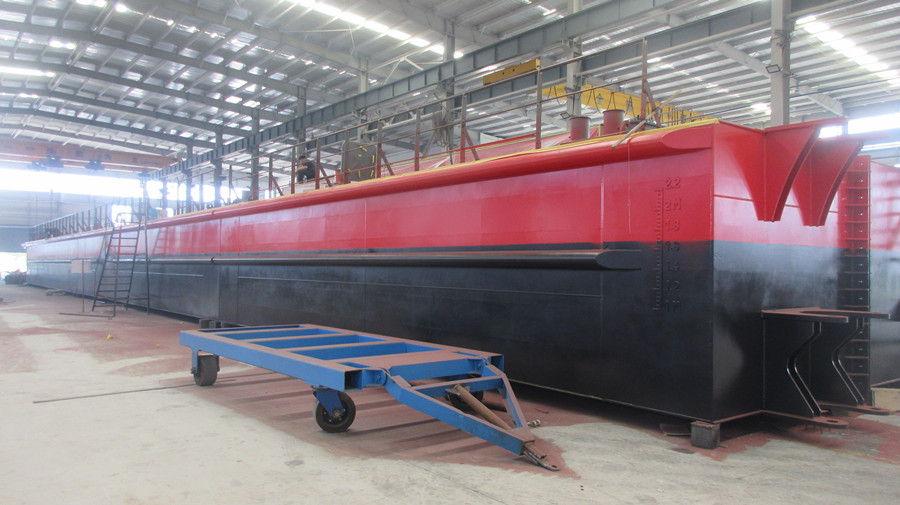
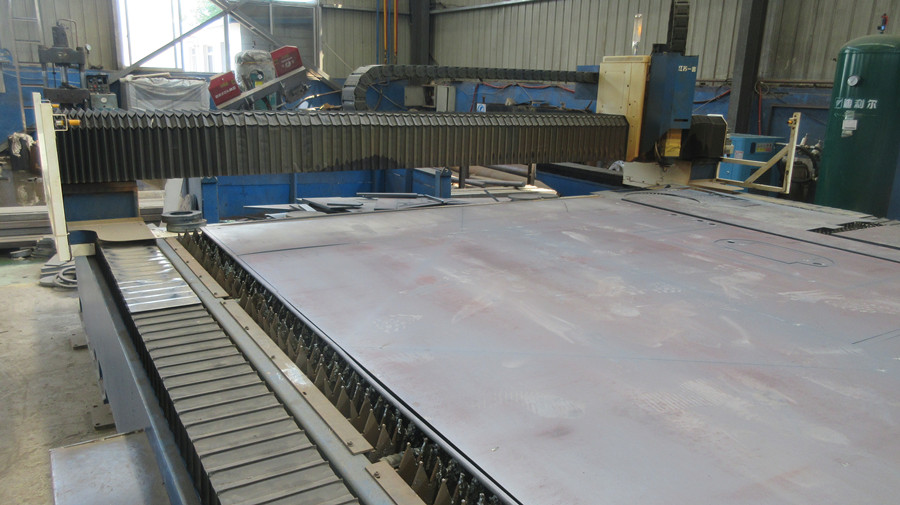
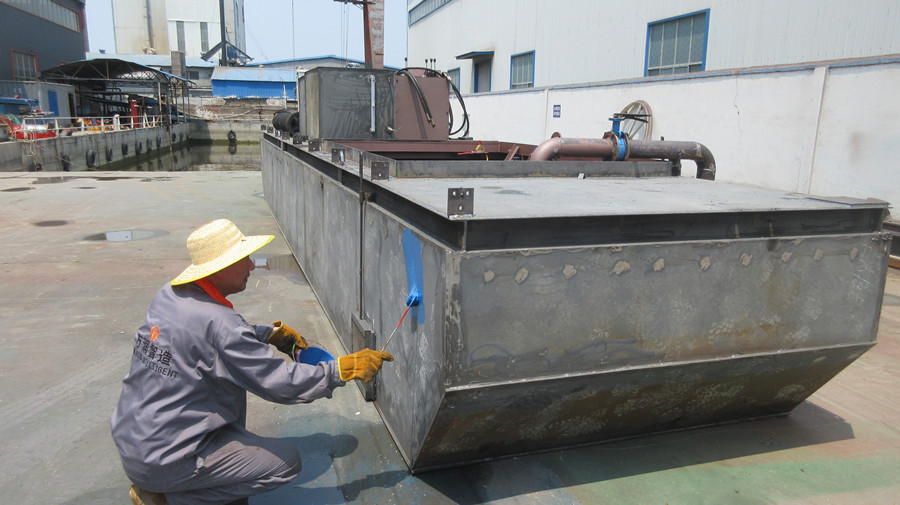
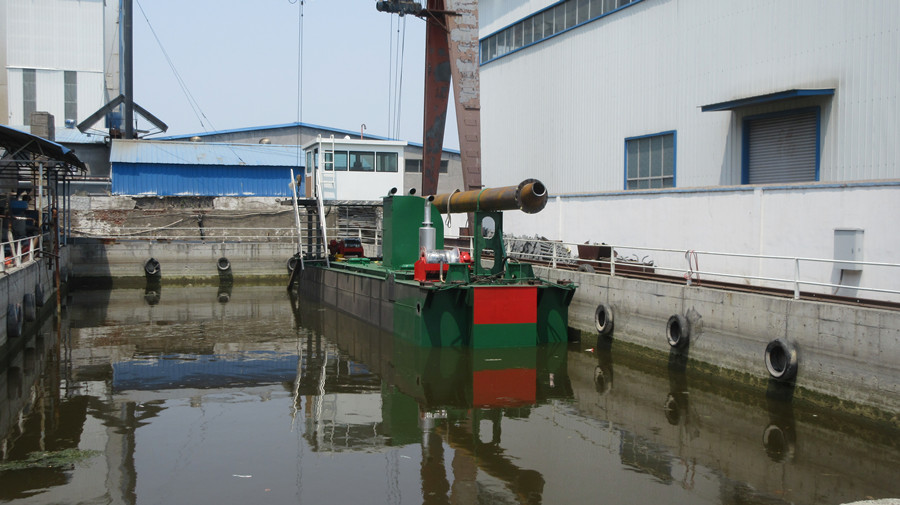
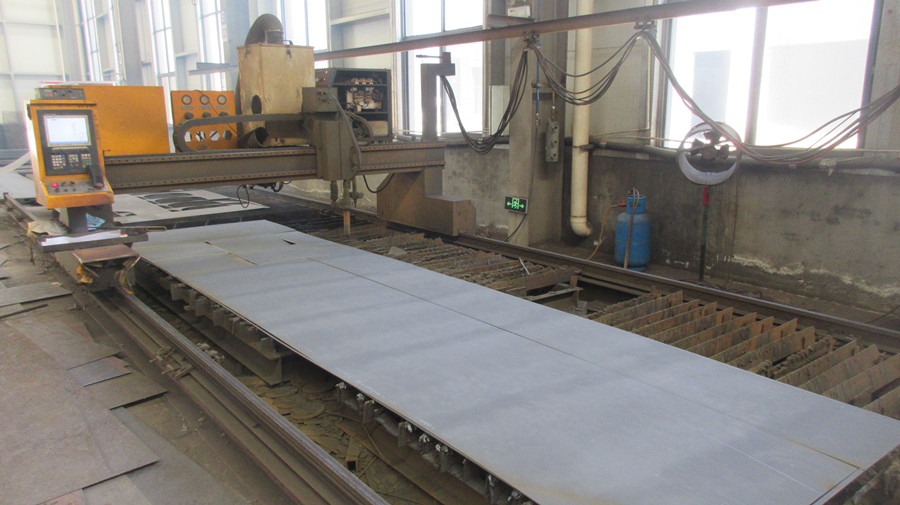
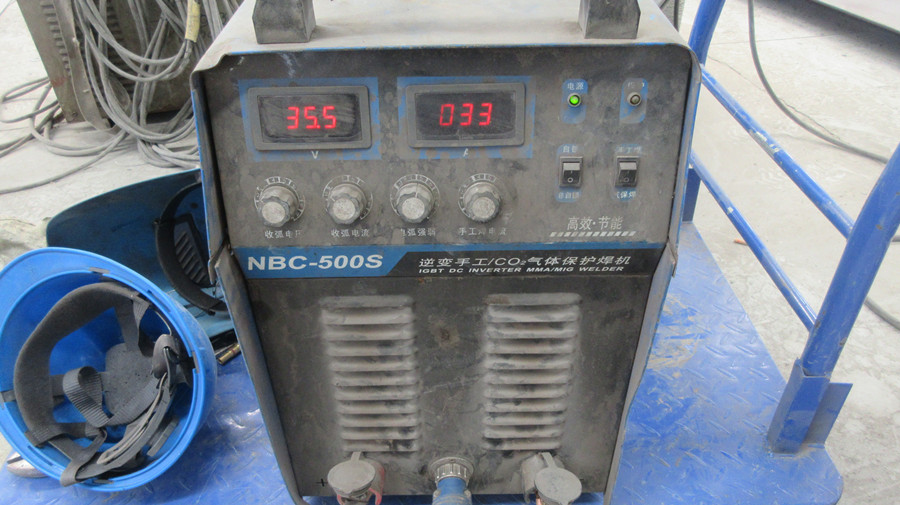
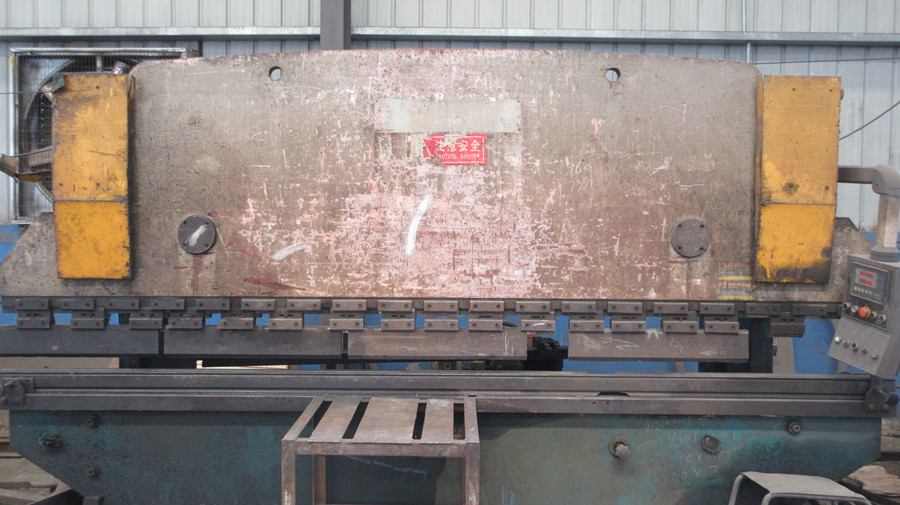
Step inside our advanced container trailer and structural component manufacturing facilities.
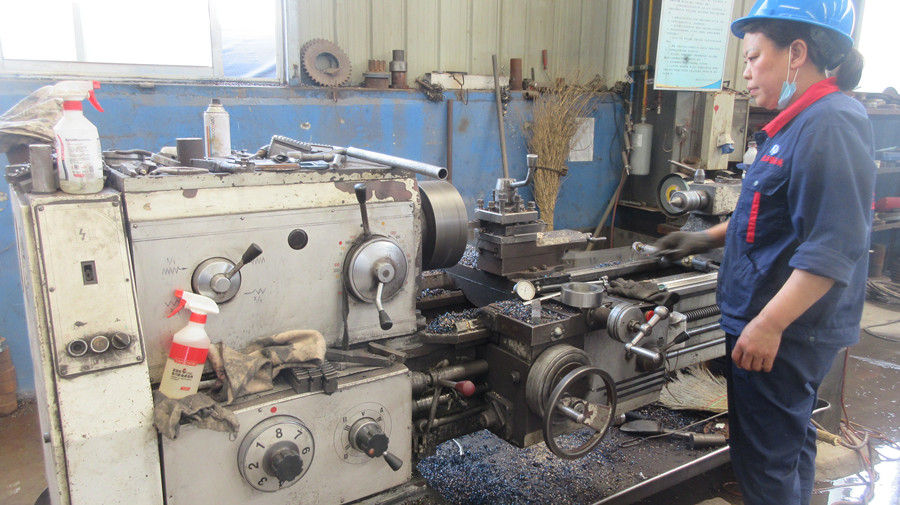
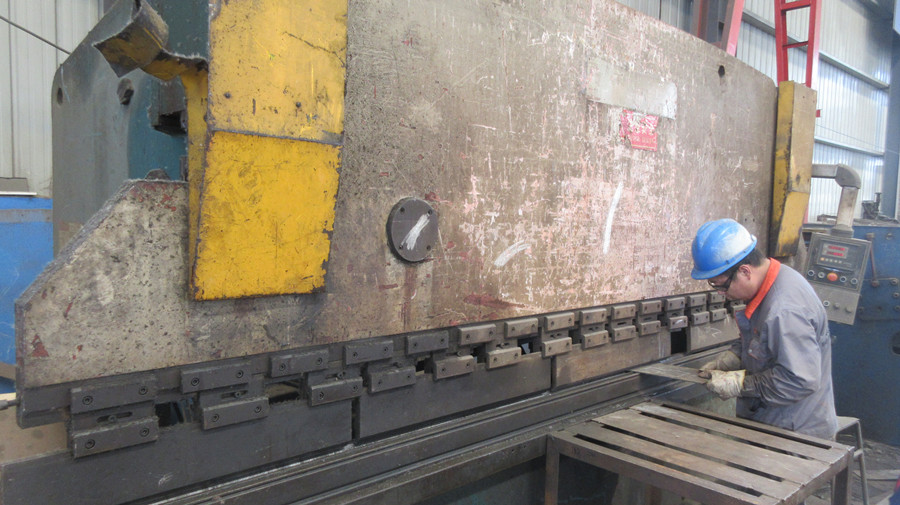
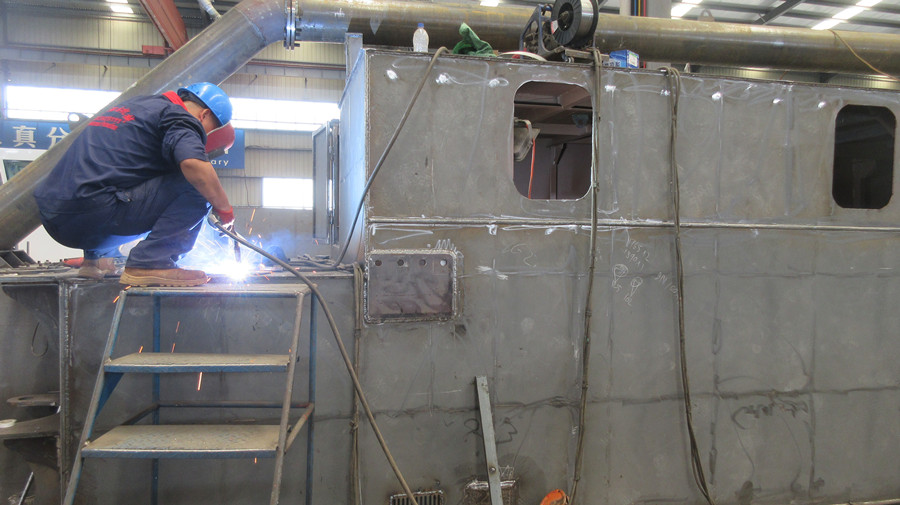
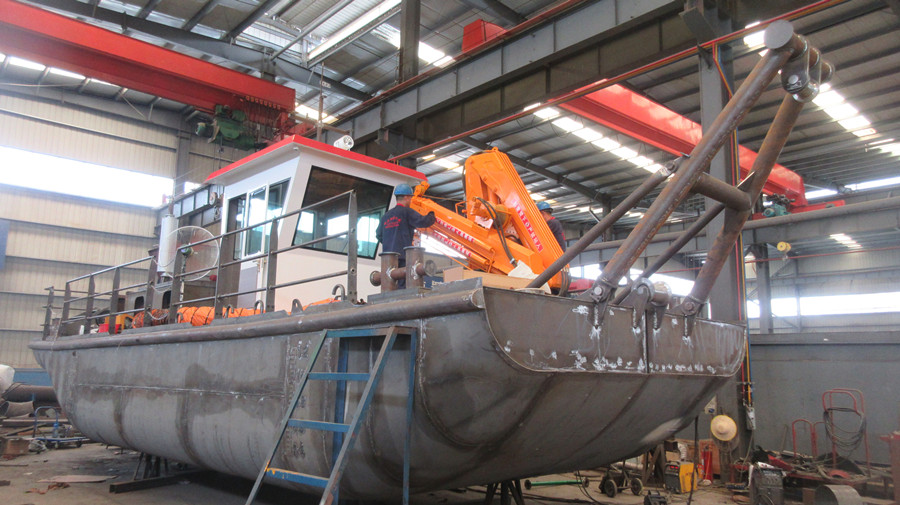
Meeting international quality certifications to guarantee frictionless border crossings and transit operations.
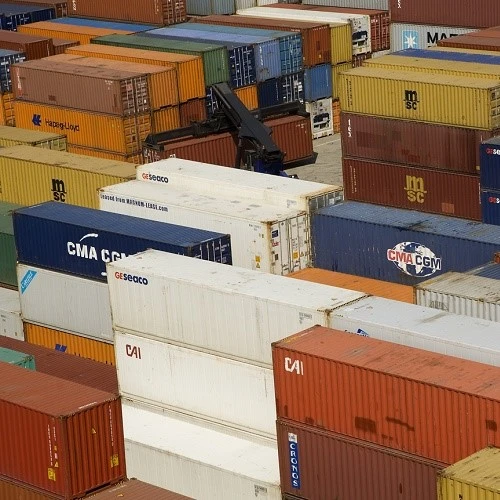
All temperature-controlled reefer units and structural cargo containers are built in compliance with ISO 9001 and certified under the International Convention for Safe Containers (CSC). This guarantees load safety and compatibility with cellular container ships and double-stack rail systems worldwide.
Our skeleton semitrailers are equipped with advanced Anti-Lock Braking Systems (ABS) that meet DOT (United States) and ECE (Europe) safety regulations. These systems improve vehicle control and safety during high-capacity container transport on wet or uneven highway corridors.
Navigating international borders requires absolute compliance. We provide complete DDP, DDU, and LCL consolidation documentation, coordinating with customs brokers at major ocean terminals, dry ports, and airports to eliminate costly clearance delays.
Custom logistics solutions tailored to real-world industrial and commercial operations.
The next generation of smart, connected, and sustainable intermodal transport equipment.
Integrating smart GPS sensors, humidity monitors, and electronic lock seals into standard containers. This provides operators with real-time payload updates across sea, rail, and road terminals.
Using lighter, high-tensile steel alloys in skeleton semitrailers to reduce tare weight by up to 15%. This structural weight reduction lets fleet operators carry larger payloads while meeting road axle weight regulations.
Developing automated terminal tractors and AI-driven slot allocation engines. This technology will optimize container stacking and coordinate drayage routes, reducing port turn times.
Find authoritative answers to common inquiries about intermodal operations, container equipment, and shipping rules.
Intermodal transport uses multiple modes of transportation (such as rail, ocean, and road) with each leg handled by a different carrier under separate contracts. Multimodal transport operates under a single contract or bill of lading, with one carrier taking full responsibility for all legs of the journey. Both systems use standardized containers to move cargo efficiently between vessels, trains, and chassis.
Corten steel (also known as weathering steel or SPA-H alloy) forms a protective, rust-like oxide layer when exposed to the elements. This layer shields the underlying metal from salt water and humidity, preventing deep structural corrosion during long ocean transits and extending container service life.
An Anti-Lock Braking System (ABS) prevents trailer wheels from locking up during hard braking or on slick surfaces. By maintaining traction and prevent skidding, it helps the driver keep control of the vehicle and reduces the risk of jackknifing when carrying heavy 20ft, 40ft, or 45ft containers.
A standard DDP shipment requires a Commercial Invoice, Packing List, Bill of Lading or Air Waybill, Customs Declaration Form, and a Power of Attorney (POA) for the customs broker. Under DDP terms, the seller manages the entire import process, paying all transport costs, duties, and import taxes (such as VAT or GST) before delivering the goods to the buyer's destination.
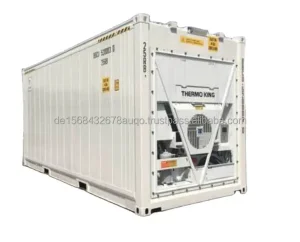
Every compliant container must display a valid CSC safety plate containing manufacturing details, payload capacities, and inspection dates. Reefer containers should also hold ISO 9001 and ISO 14001 certifications, ensuring their machinery, structural insulation, and cooling units (like Thermo King systems) meet global performance standards.
Explore our heavy-duty skeleton trailers, temperature-controlled storage solutions, and global multimodal logistics services.
 Changi Logistics