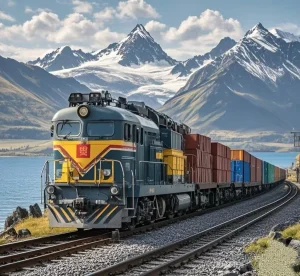
Explore our integrated international freight forwarding services, featuring custom routes and strategic protection mechanisms for global trade lanes.

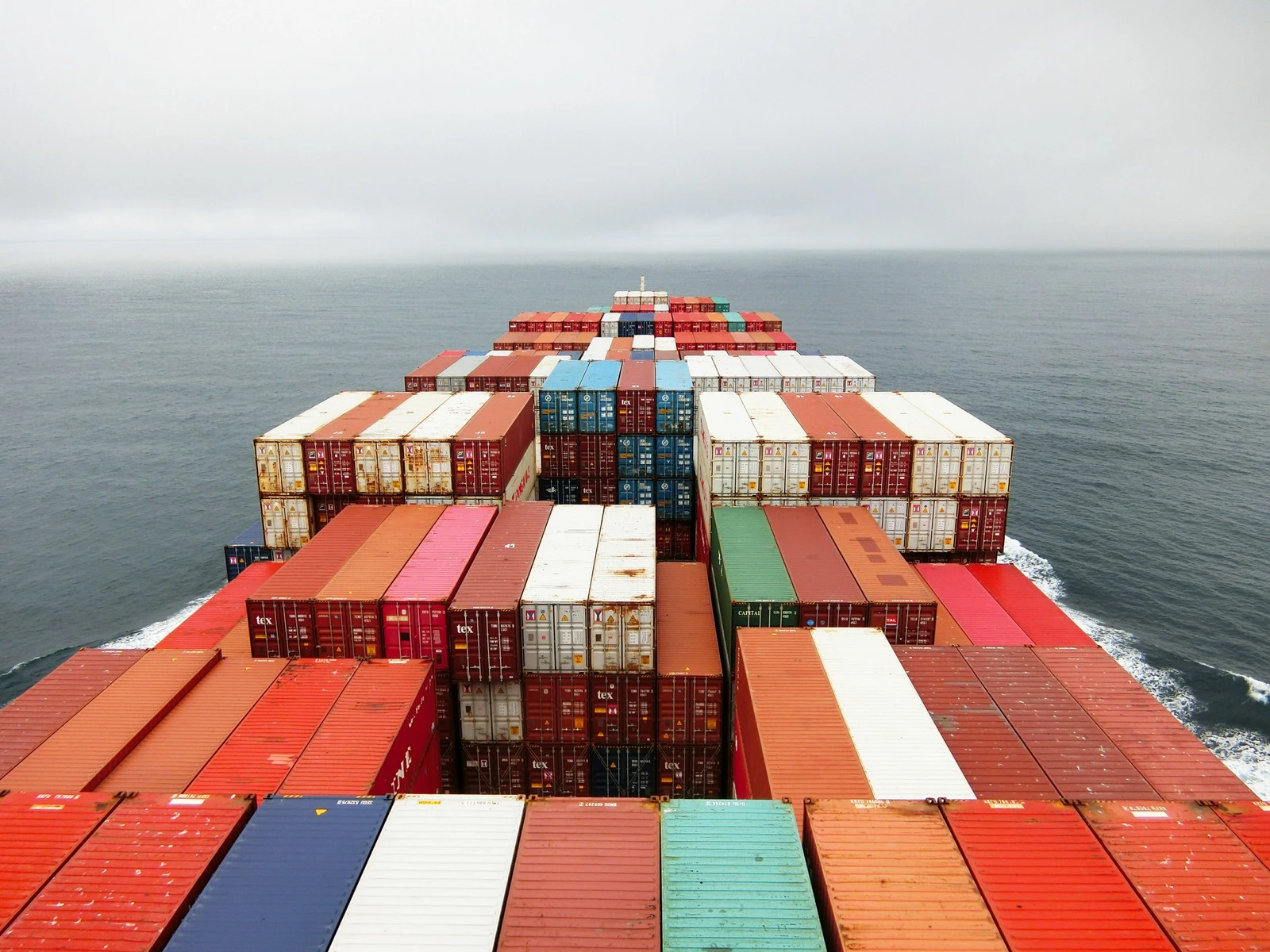
In contemporary global supply chains, freight insurance has evolved from a discretionary operating expense to a core operational safeguard. With international transit exposed to escalating macroeconomic shifts, regional disruptions, and climate-induced port bottlenecks, secure door-to-door underwriting is critical. Standard carrier liability—dictated by traditional conventions such as COGSA, the Hague-Visby Rules, or the Montreal Convention—only offers minimal coverage, frequently calculated by weight or package rather than actual product value. Consequently, cargo owners often face substantial financial exposure during maritime accidents, physical damage events, or General Average declarations.
"General Average is a legal principle of maritime law where all cargo owners share proportionately in the financial loss resulting from a voluntary sacrifice of part of the ship or cargo to save the rest in an emergency. Without All-Risk Wholesale Freight Insurance, your supply chain capital remains dangerously exposed."
Understanding the nuances of the Institute Cargo Clauses (ICC) is fundamental to developing an optimal insurance program:
| Risk Event Coverage Comparison | ICC (A) All-Risk | ICC (B) Named Perils | ICC (C) Basic Coverage |
|---|---|---|---|
| Fire, Explosion, Vessel Grounding | Covered (100%) | Covered (100%) | Covered (100%) |
| General Average Contribution | Covered (100%) | Covered (100%) | Covered (100%) |
| Washing Overboard (Deck Cargo) | Covered (100%) | Covered (100%) | Not Covered |
| Water Ingress (Sea, Lake, River) | Covered (100%) | Covered (100%) | Not Covered |
| Theft, Pilferage, Non-Delivery | Covered (100%) | Rider Required | Not Covered |
| Inherent Vice / Improper Packaging | Excluded | Excluded | Excluded |
How specialized wholesale freight insurance applies across real-world industrial logistics operations, shielding cargo against complex transit hazards.
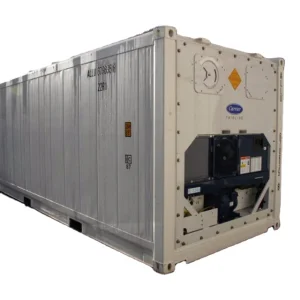
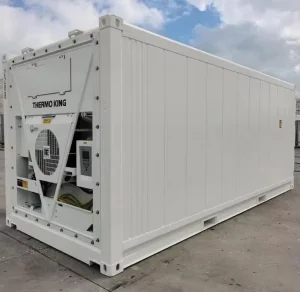
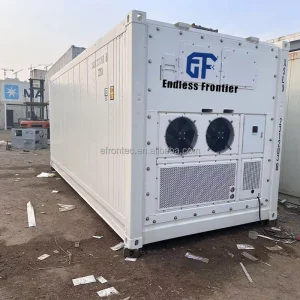
Refrigerated and temperature-sensitive container shipments face risks from power interruptions, compressor failures, and port dwell times. Dedicated cold chain coverage pays for spoilage, condensation damage, and thermal excursions, ensuring business continuity for food, chemical, and pharmaceutical exporters.
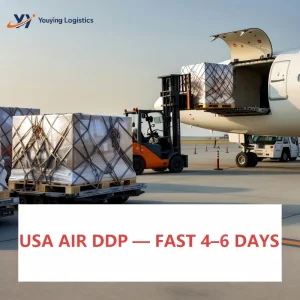
Moving high-tech electronics, mechanical assemblies, or medical devices via air charter requires high-limit transit insurance. Although air cargo is typically subject to low weight-based liability under the Montreal Convention (currently 22 SDR per kilo), wholesale policies secure the full declared commercial value of the asset.
DDP shipping processes transfer customs and tax liabilities to the seller or forwarder. Under wholesale customs bonds and DDP insurance coverage, delays, unexpected seizures, demurrage fees, and tariff compliance risks are systematically underwritten, avoiding severe capital losses.
Relying solely on carriers to cover shipping damages is a risky strategy. When a loss occurs, ocean carriers, air lines, and trucking companies refer to international liability treaties designed to protect them, not the shipper. The differences between carrier liability and a dedicated wholesale cargo insurance policy are significant:
Under the Carriage of Goods by Sea Act (COGSA), an ocean carrier's liability is capped at $500 per shipping package or unit unless a higher value is declared. In practice, this means if a shipping container carrying $250,000 worth of un-insured consumer electronics is lost overboard, the carrier may only be legally required to reimburse $500. Additionally, carriers are completely exonerated from liability if they can prove the damage was caused by "acts of God," perils of the sea, fire, or saving lives at sea.
Wholesale Cargo Insurance covers these gaps, providing a warehouse-to-warehouse policy that covers the full CIF value (Cost, Insurance, and Freight) plus a standard 10% markup to cover additional administrative and operational expenses. In the event of a claim, the cargo owner deals directly with their insurer rather than filing claims against carriers in foreign jurisdictions.
Guangdong Changi Logistics Co., Ltd. is a comprehensive logistics enterprise established in 2018, specializing in international freight forwarding and integrated supply chain solutions. The company is committed to providing efficient, reliable, and customized logistics services for global trade and cross-border e-commerce clients.
Our core services include international sea freight, air freight, rail transportation, multimodal transport, warehousing, customs clearance, and end-to-end supply chain management. With a strong global agency network and advanced digital logistics systems, we deliver cost-effective and time-efficient solutions to customers across various industries.
Founded in 2018, Guangdong Changi Logistics Co., Ltd. has grown alongside the rapid expansion of global trade and the rise of cross-border e-commerce. Starting as a traditional freight forwarding service provider, the company has evolved into a full-service logistics and supply chain solutions provider.
Over the years, we have continuously enhanced our operational capabilities by integrating intelligent logistics management systems and real-time tracking technologies. These improvements have significantly increased service efficiency, transparency, and customer satisfaction, enabling us to become a competitive independent logistics provider in the industry.
Our vision is to become a leading global logistics and supply chain partner, driven by innovation and powered by technology. We aim to build a smarter, greener, and more efficient global logistics network that enables seamless international trade and sustainable business growth for our clients.
At Guangdong Changi Logistics Co., Ltd., we are committed to delivering long-term value to our clients through innovative logistics solutions and professional service excellence. Our mission is to:
We believe logistics is more than transportation—it is the foundation that connects global commerce and drives business success.



The cargo insurance landscape is undergoing a digital transformation. Moving away from manual declaration forms and rigid annual policies, the industry is transitioning toward dynamic, data-driven underwriting models. These innovations improve operational visibility and speed up the claims resolution process:
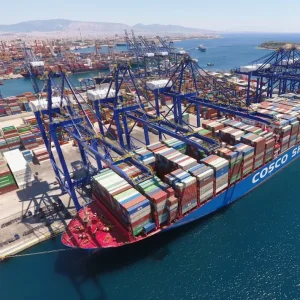
Explore our international distribution, heavy-duty sea transport solutions, and temperature-controlled reefer container options designed for global cargo protection.


 Changi Logistics