Explore our leading freight services, temperature-controlled shipping infrastructure, and global cargo forwarding logistics.
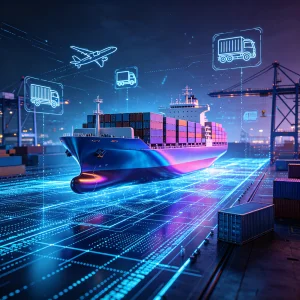

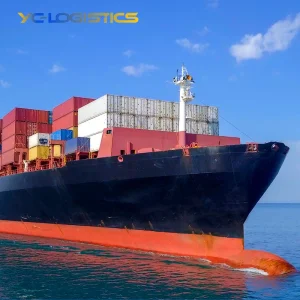

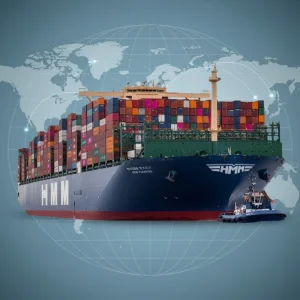
In modern industrial commerce, the Port-to-Port (P2P) shipment model stands as the baseline foundation of transoceanic logistics, orchestrating the motion of over 80% of global trade volume. Historically perceived as a basic terminal-to-terminal transport mechanism, P2P has evolved into a highly strategic operation. Driven by dynamic geopolitical landscapes and fluctuating fuel rates, global logistics operators demand complete control over carrier routing, container availability, and local terminal handling fees.
For custom OEM (Original Equipment Manufacturer) entities, the P2P delivery model offers distinct advantages. By decoupling the ocean transit leg from local customs operations and drayage carriage, importers retain total control over tax liability optimizations, duty drawbacks, and local distribution nodes. This control minimizes risk exposure in complex jurisdictional markets such as the USA, Europe, and Japan.
The contemporary maritime corridor is subject to immense infrastructural pressure. Port congestion, labor availability fluctuations, and variable draft requirements dictate shipping lane choices. Deep-water ports like Rotterdam, Qingdao, and Los Angeles demand high operational precision from shipping agents.
Guangdong Changi Logistics addresses these pain points by integrating high-tier OEM container production directly with primary steamship lines. Our services balance port storage capacities with sea transit lanes, minimizing demurrage charges and container detention costs. This structural integration helps secure cargo space even during peak maritime shipping seasons.
How digital transformation, environmental mandates, and technical routing innovations are reshaping port-to-port OEM logistics.
With the International Maritime Organization (IMO) enforcing stricter carbon intensity indicators (CII), logistics companies must adapt. Future P2P routing favors vessels utilizing biofuel, liquefied natural gas (LNG), or eco-efficient hulls. OEMs choosing green corridors benefit from streamlined customs processing and favorable tax treatments at EU and US terminals.
Modern sea cargo logistics is transitioning away from manual tracking. Containers are increasingly equipped with integrated IoT sensors that monitor interior humidity, temperature changes, and acceleration shocks. This tracking provides OEMs with end-to-end transparency, reducing losses for delicate electronics and chemical cargo.
Digitalizing international shipping documentation through blockchain reduces administrative latency. Transitioning from paper-based Bills of Lading to electronic variants (eBL) secures transoceanic transactions. This shift shortens the cargo-to-liquidity timeline and mitigates document fraud risks at receiving ports.
Analyzing regional logistics networks to match cargo demands with optimal local port-to-port infrastructure.
Shipping oversized or out-of-gauge OEM equipment from manufacturing hubs in Guangdong to USA hubs (such as LA, Long Beach, or Newark) requires dedicated cargo management. This corridor faces severe draft challenges and terminal chassis shortages. Selecting the right carrier and arranging direct port-to-port drop-offs is essential to ensure regional drayage operations run smoothly.
Connecting hubs like Qingdao or Shenzhen directly to Western European gateways (such as Rotterdam, Hamburg, Felixstowe, or Annaba) involves navigating maritime bottleneck channels. For high-volume manufacturing lines and FCL logistics, using dual-port routing strategies helps prevent delays caused by rail gridlock or regional labor strikes.
Learn about the history, vision, and mission guiding Guangdong Changi Logistics Co., Ltd.
Guangdong Changi Logistics Co., Ltd. is a comprehensive logistics enterprise established in 2018, specializing in international freight forwarding and integrated supply chain solutions. The company is committed to providing efficient, reliable, and customized logistics services for global trade and cross-border e-commerce clients.
Our core services include international sea freight, air freight, rail transportation, multimodal transport, warehousing, customs clearance, and end-to-end supply chain management. With a strong global agency network and advanced digital logistics systems, we deliver cost-effective and time-efficient solutions to customers across various industries.
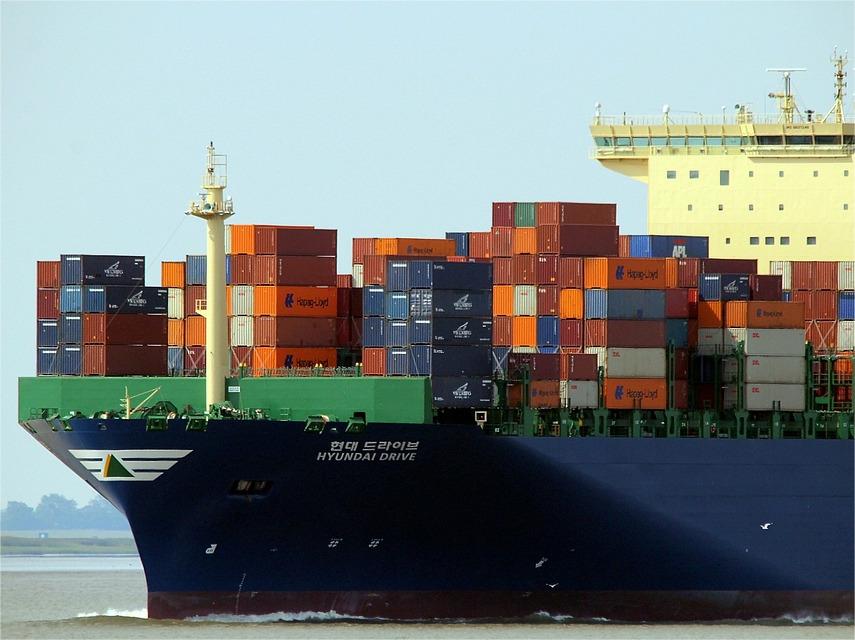
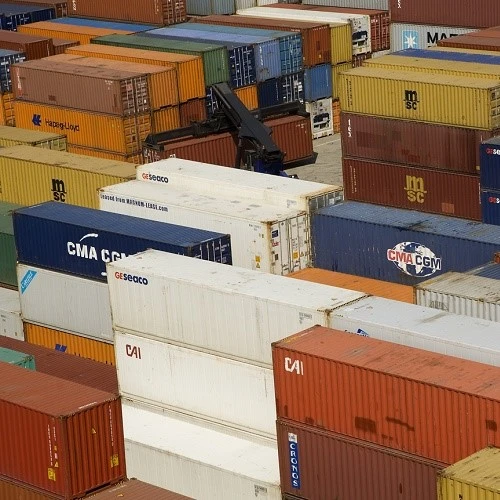
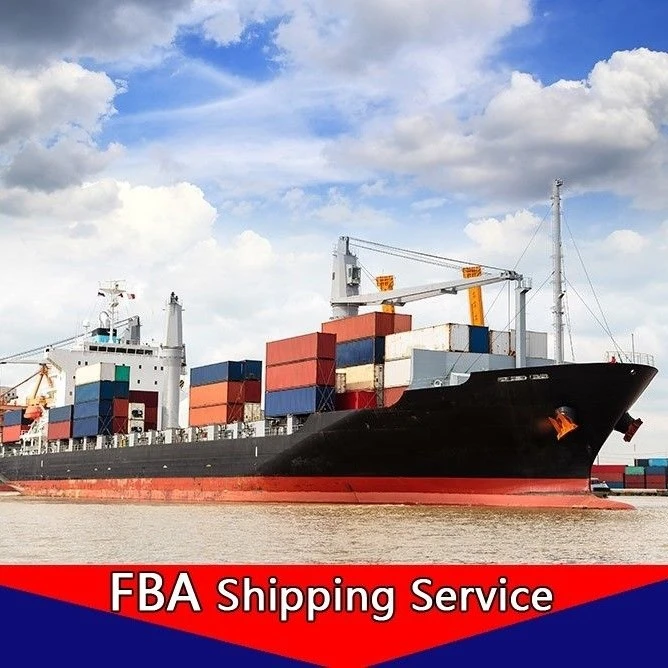
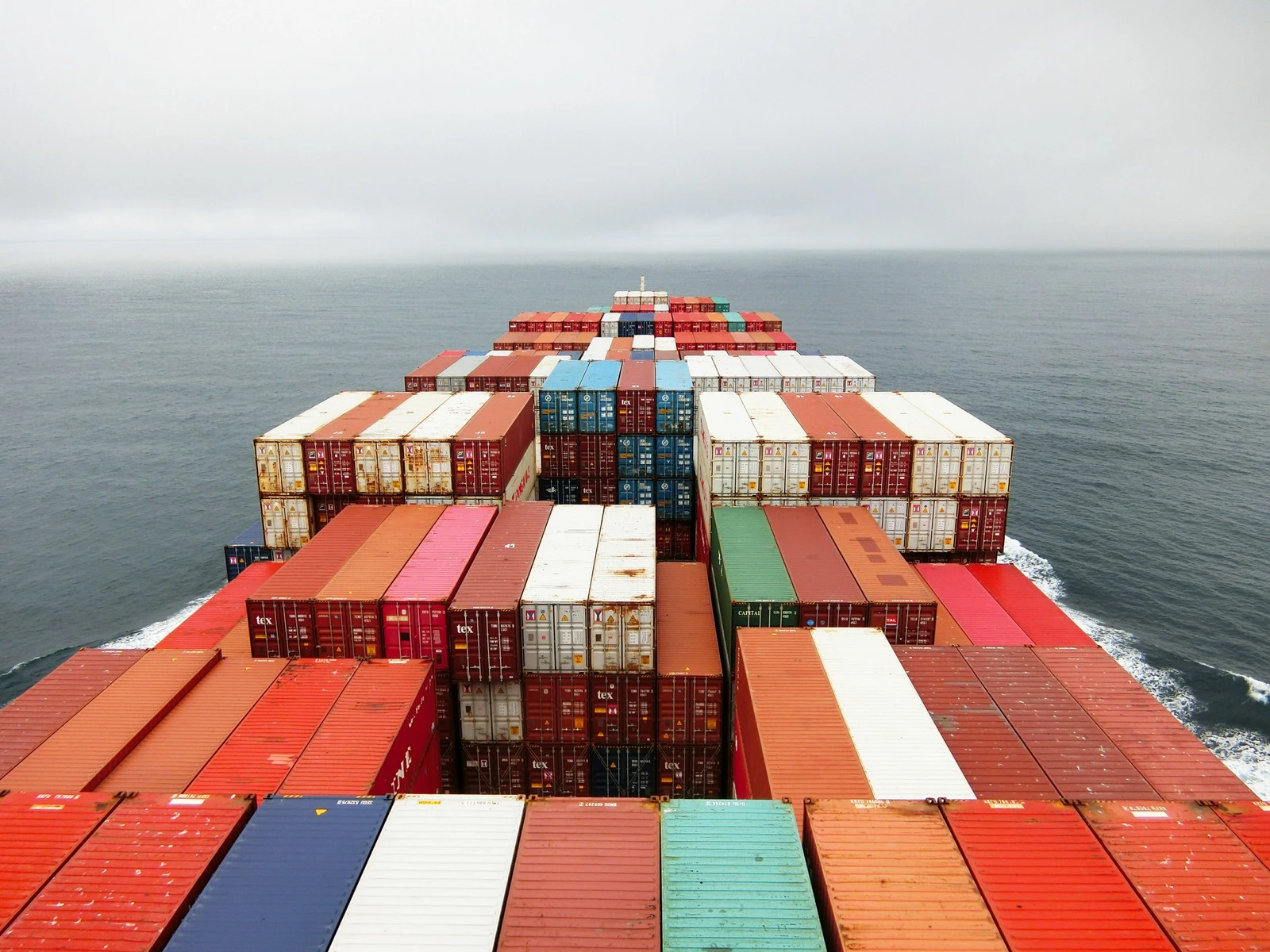
Founded in 2018, Guangdong Changi Logistics Co., Ltd. has grown alongside the rapid expansion of global trade and the rise of cross-border e-commerce. Starting as a traditional freight forwarding service provider, the company has evolved into a full-service logistics and supply chain solutions provider.
Over the years, we have continuously enhanced our operational capabilities by integrating intelligent logistics management systems and real-time tracking technologies. These improvements have significantly increased service efficiency, transparency, and customer satisfaction, enabling us to become a competitive independent logistics provider in the industry.
Our vision is to become a leading global logistics and supply chain partner, driven by innovation and powered by technology. We aim to build a smarter, greener, and more efficient global logistics network that enables seamless international trade and sustainable business growth for our clients.
At Guangdong Changi Logistics Co., Ltd., we are committed to delivering long-term value to our clients through innovative logistics solutions and professional service excellence. Our mission is to:
We believe logistics is more than transportation—it is the foundation that connects global commerce and drives business success.
How our integrated fabrication facility supports containerized OEM infrastructure, temperature-controlled modules, and smart cargo vehicles.
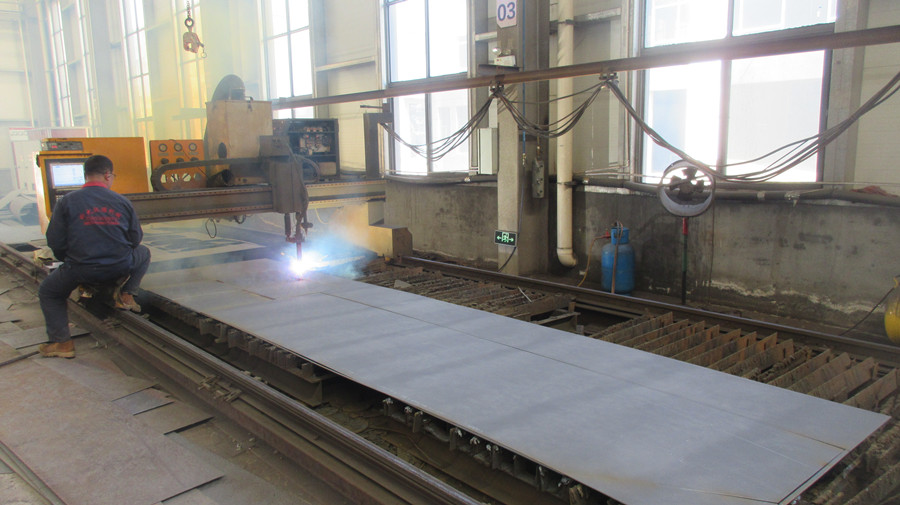
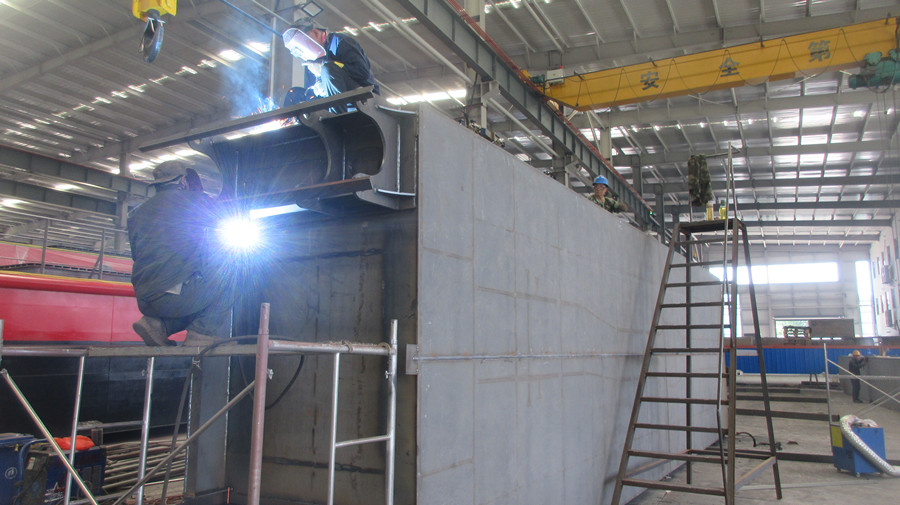
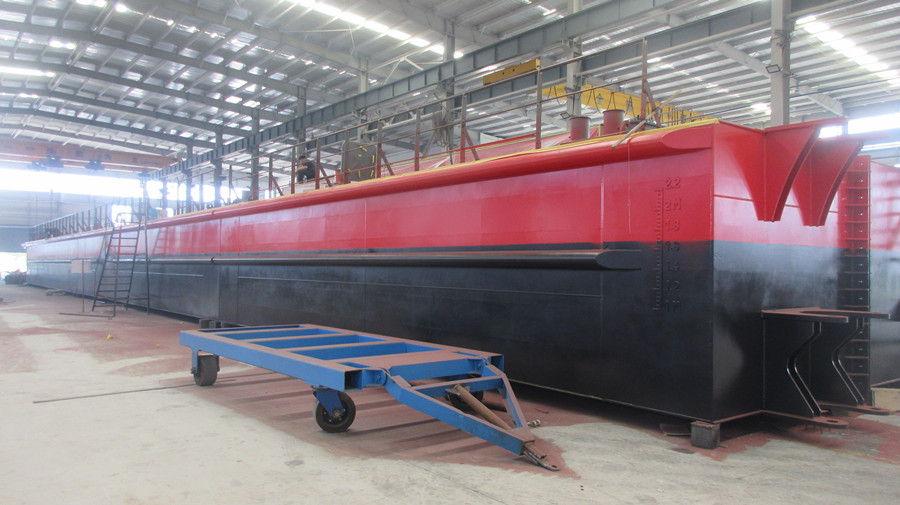
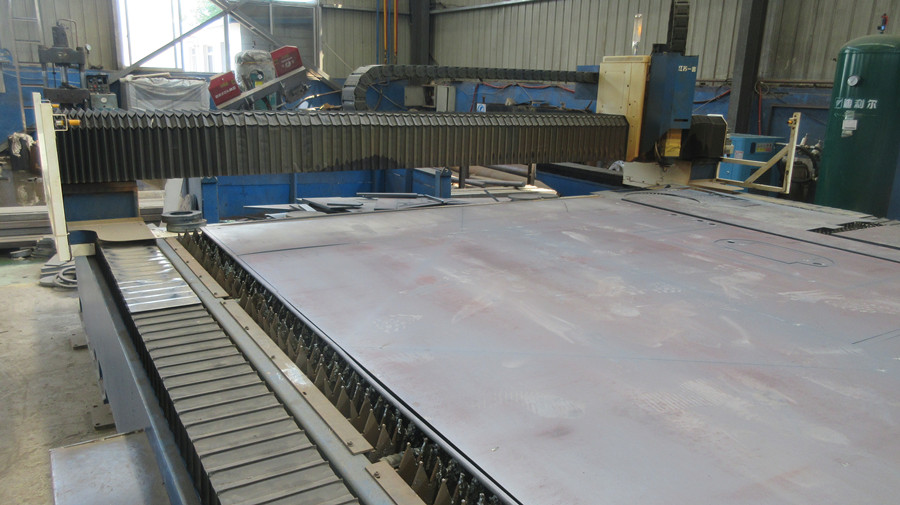
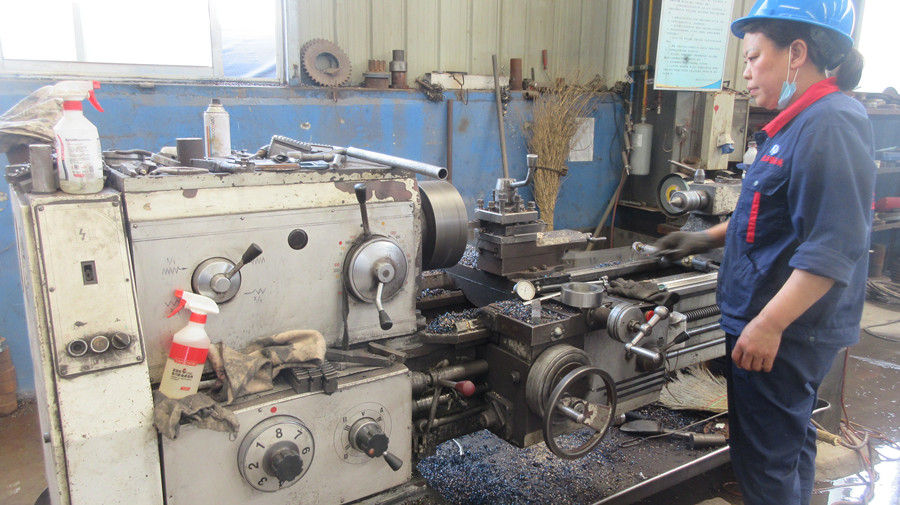
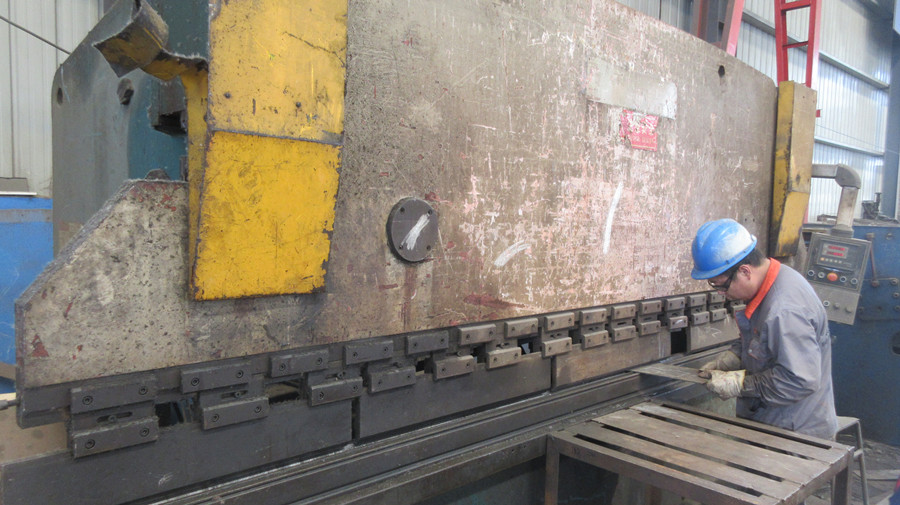
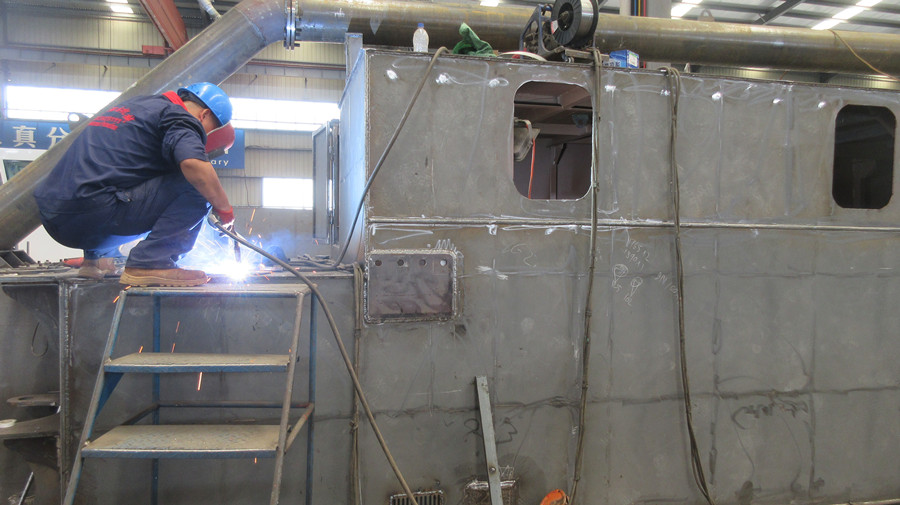
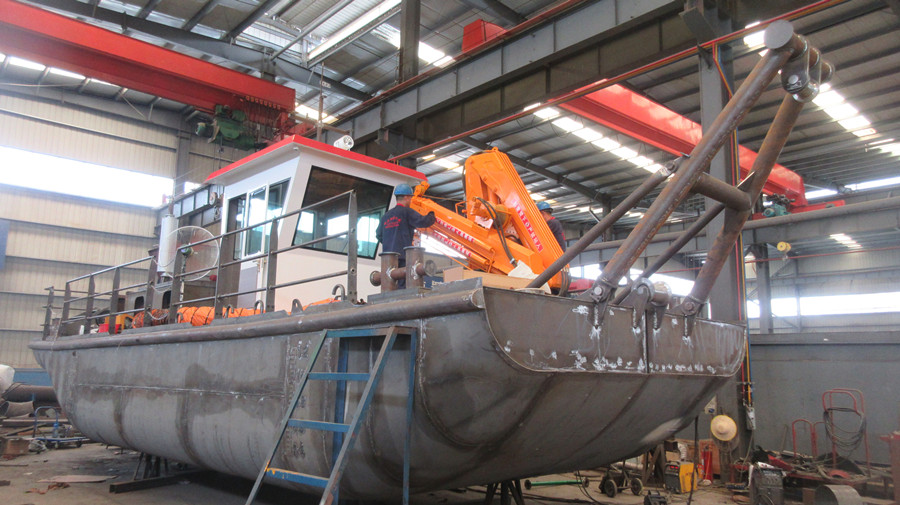
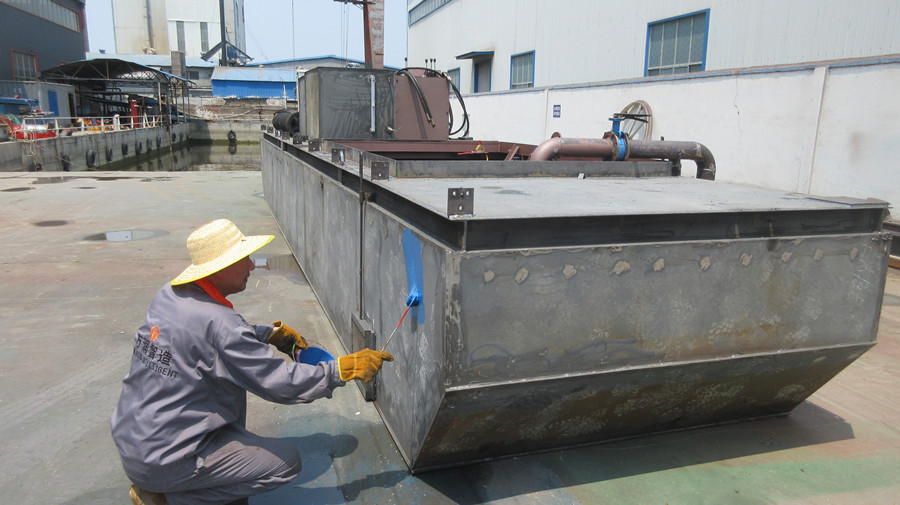
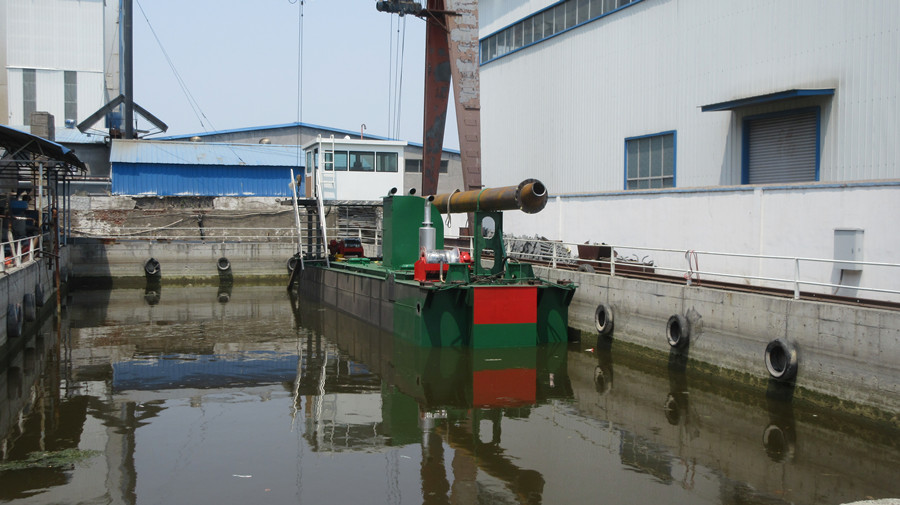
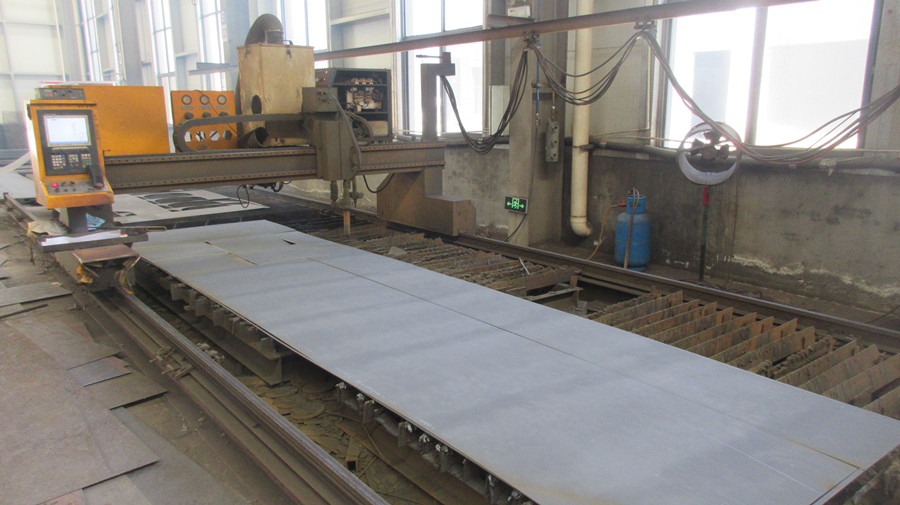
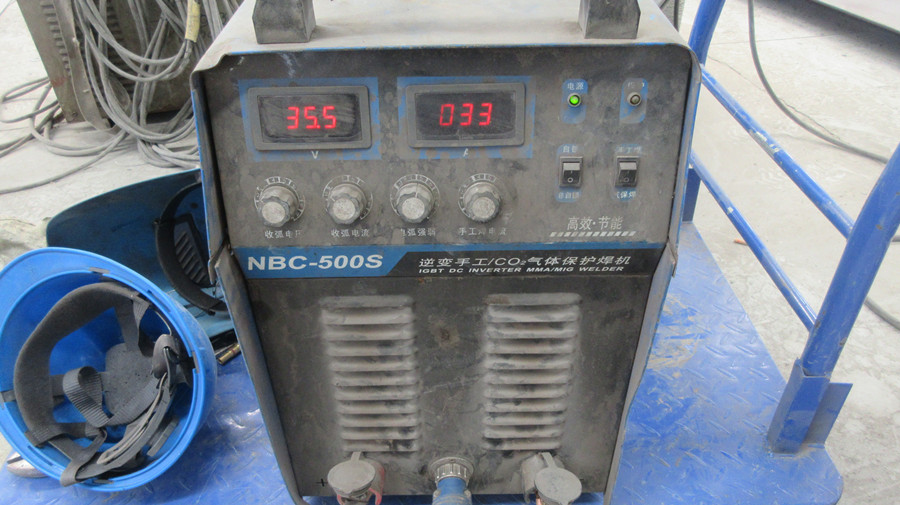
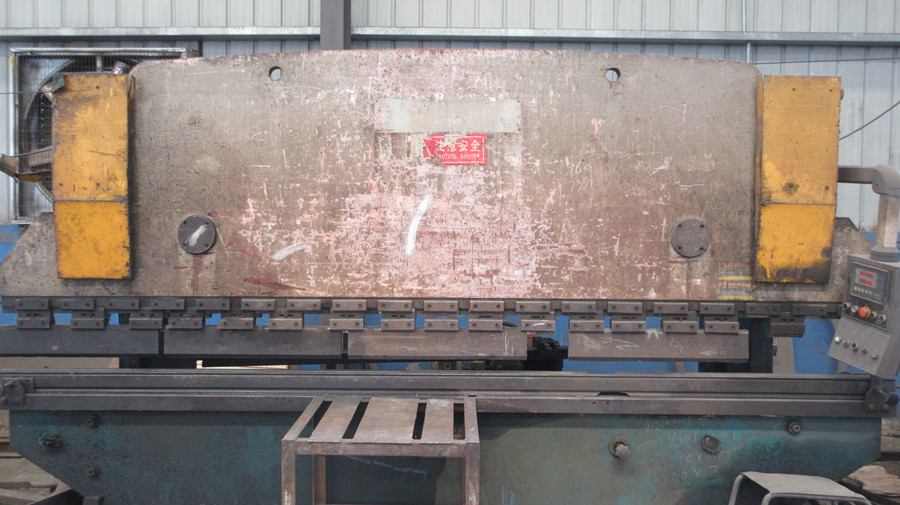
Our engineering division manages full-cycle fabrication. From raw steel cutting to precision bending, structural welding, and automated painting, we construct durable intermodal shipping equipment. This includes specialized ISO containers, heavy machinery open-top flats, and bespoke chassis built to withstand harsh marine environments.
By operating an in-house fabrication plant alongside our logistics network, we offer customized solutions for out-of-gauge (OOG) shipping frames and structural transport modules. This integration reduces cargo damage risk and ensures structural compliance with international ISO and CSC testing standards.
Over the next decade, port-to-port logistics will integrate further with AI-driven maritime navigation. We are developing predictive route optimization engines designed to anticipate congestion at key bottleneck points. These systems evaluate weather patterns, port crane workloads, and local customs labor availability to direct cargo away from delayed ports.
In addition, our hardware team is building integrations for smart cold chain sensors. These sensors connect to regional mobile networks upon arrival at the destination terminal, giving importers immediate access to environmental telemetry history via secure APIs.
Customized logistics frameworks designed for heavy industry, temperature-sensitive materials, and high-frequency international supply chains.
Moving oversized wind turbines, industrial generators, and heavy excavators demands specialized transportation solutions. We coordinate special flat rack and open-top containers, secure structural crane permits, and arrange specialized low-boy transport to ensure smooth delivery across domestic and international highways.
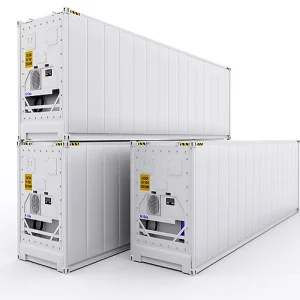
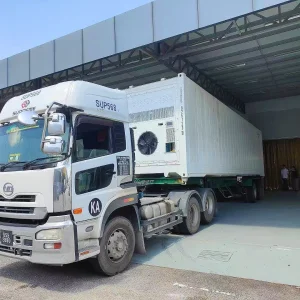
Perishables, fresh produce (such as durians), and sensitive pharmaceuticals require precise atmosphere management to prevent spoilage. We employ active controlled atmosphere technology, managing nitrogen, oxygen, and carbon dioxide concentrations alongside humidity controls to extend product shelf life over long voyages.
When inland factories are far from deep-water ports, utilizing single-mode sea freight can lead to transit delays. We integrate rail freight networks (such as the China-Europe Express) with domestic sea links and road drayage to provide a reliable, multimodal door-to-port transportation alternative.
Answers to complex inquiries regarding port-to-port customs compliance, equipment customization, and supply chain management.
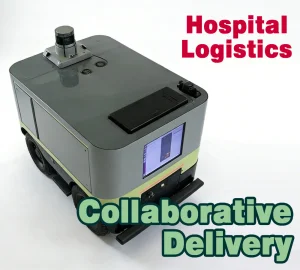
Browse our selection of heavy-duty transport modules, autonomous last-mile vehicles, and temperature-controlled units.
 Changi Logistics