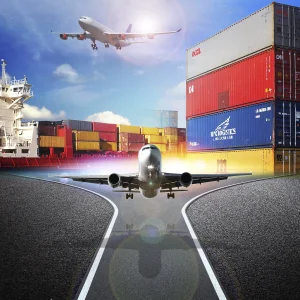
An in-depth perspective on modern aviation logistics as the primary pipeline of the high-value global supply chain.
The global air freight services industry serves as the backbone of modern macroeconomics, enabling rapid connectivity across continents. Although air transport accounts for less than 1% of global trade by physical volume, it constitutes more than 35% of global trade value. High-value, time-sensitive, and perishable goods—such as advanced semiconductors, pharmaceutical products, fresh components, and high-end consumer goods—rely heavily on this network. The industry operates within a volatile ecosystem, highly sensitive to global fuel price fluctuations, changing trade policies, and geopolitical factors.
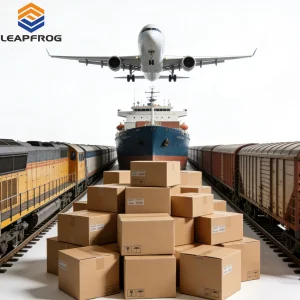
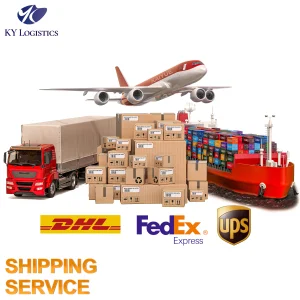
In response to supply chain fragmentation, manufacturers and logistics suppliers are adopting robust multimodal frameworks. Providers must guarantee not only speed but also compliance with IATA and regional civil aviation guidelines. Through critical logistics channels like the Trans-Pacific and Asia-Europe corridors, top-tier freight agents offer structured, scheduled operations combined with flexible Emergency Charter Flights to mitigate sudden delays or capacity constraints.
Unveiling the major developments driving efficiency, environmental stewardship, and adaptability.
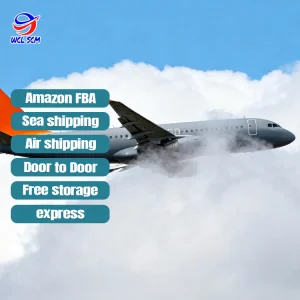
The rise of digital marketplaces has altered distribution strategies. Cross-border e-commerce platforms rely on instant replenishment networks. Consequently, traditional ocean shipments are frequently bypassed in favor of DDP (Delivered Duty Paid) Air Express solutions, which consolidate small parcels at localized hubs and utilize commercial flights or specialized freighters for speedy customs clearance and final-mile delivery.
Environmental policies are driving the global logistics sector toward zero-emission targets. Leading air carriers are committing to SAF, which can lower greenhouse gas emissions by up to 80% compared to traditional jet fuel. For forward-looking logistics providers, presenting carbon-offsetting options and certified green routes is no longer an optional service but an essential component of enterprise-level tenders.
Customers now expect complete transparency. Modern logistics networks use IoT-enabled sensors to monitor temperature, humidity, and location in real time. This ensures that cargo, particularly sensitive materials or high-value electronics, maintains its integrity throughout the journey, providing shippers with actionable alerts before issues escalate.
An architectural view of the technologies redefining physical transport operations.
The transformation of air freight relies on a connected technological foundation. This evolution is structured into three primary phases:
Phase 1: Automated Ground Infrastructure (Present Day)
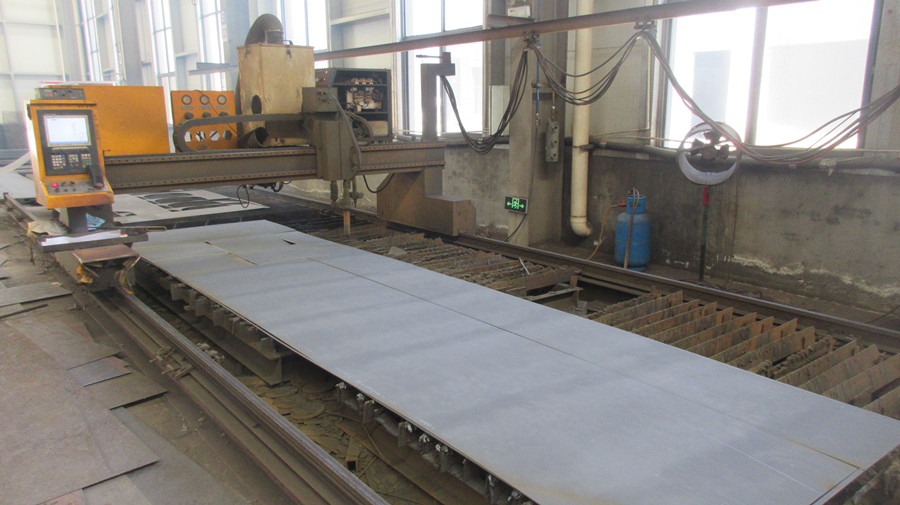
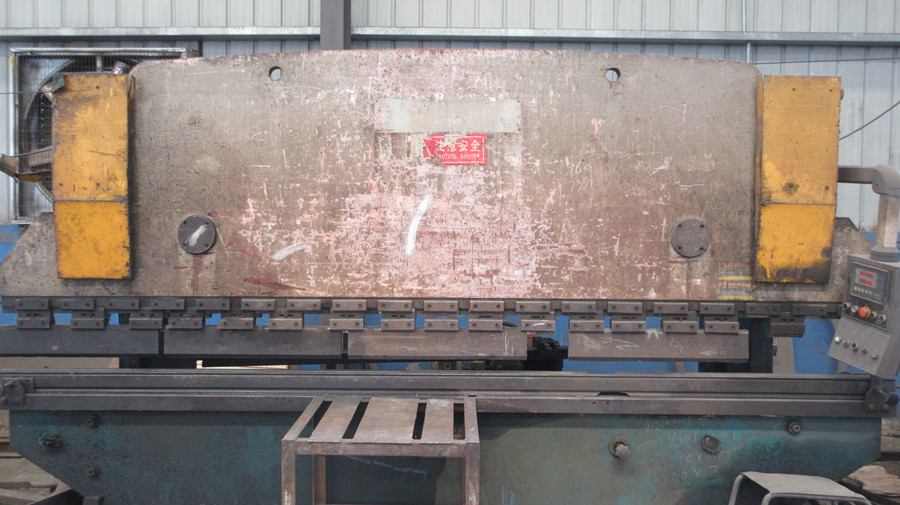
Automated high-capacity sorting centers and smart loading ramps reduce airport turnaround times. Deploying specialized machinery—such as automatic bending and welding systems during ground support equipment assembly—ensures robust, reliable container handlers and ULDs (Unit Load Devices).
Phase 2: Deep Integration of AI & Dynamic Capacity Pricing (2025-2027)
Machine learning algorithms analyze historic routes, weather patterns, and global trade shifts to optimize space allocation on charter flights. By dynamically pairing freight demands with available belly capacity, agents reduce shipping costs while maximizing cargo density.
Phase 3: Autonomous Feeder Drones & Decentralized Ledger Logs (2028 & Beyond)
Unmanned heavy-payload cargo aircraft will handle middle-mile regional distribution. Concurrently, blockchain-based documentation systems will secure trade manifests, expedite customs clearance, and establish a verifiable chain of custody for hazardous materials or sensitive pharmaceutical shipments.
Optimized supply chain architectures designed to overcome global bottlenecks and minimize operational friction.
To support high-volume manufacturing, standard shipping must be augmented by targeted macro solutions. Leading supply chain operators focus on three primary service frameworks:
Pure air freight can sometimes be cost-prohibitive, while ocean freight may be too slow. A hybrid Sea-Air-Rail model offers a balanced solution. For example, moving cargo from Asian ports to Middle Eastern gateways via sea, and then forwarding it to European destinations via air, cuts transit times by 50% compared to ocean shipping alone while saving up to 40% in costs compared to direct air transport.
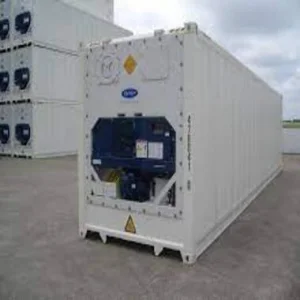
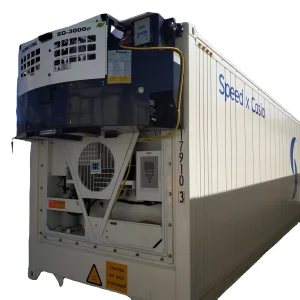
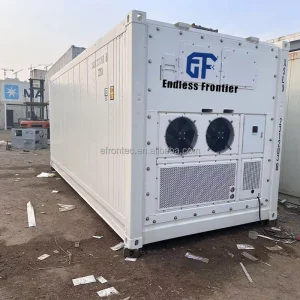
Transporting biological materials, fresh agricultural items, and high-value chemical components requires temperature-controlled solutions. Integrating advanced dual-zone container structures (40ft Reefer Containers with Dual Fresh & Frozen Zones) and self-powered diesel generators ensures that shipments remain stable, preserving product quality from departure through to final delivery.
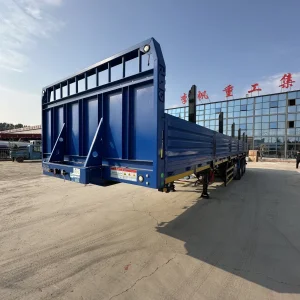
Industrial components, heavy machinery, and factory parts often exceed standard dimensions. This requires tailored solutions, including bespoke charter services, heavy flatbed logistics, and specialized packaging, supported by end-to-end monitoring to navigate complex custom protocols and challenging delivery environments.
How global networks translate into dependable local operations across primary trade corridors.
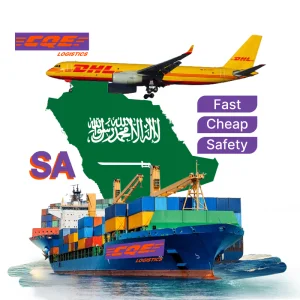
Global shipping routes are only as reliable as their regional connections. Understanding regional nuances ensures smooth door-to-door transit:
A trusted partner in global freight forwarding and comprehensive supply chain solutions.
Guangdong Changi Logistics Co., Ltd. is a comprehensive logistics enterprise established in 2018, specializing in international freight forwarding and integrated supply chain solutions. The company is committed to providing efficient, reliable, and customized logistics services for global trade and cross-border e-commerce clients.
Our core services include international sea freight, air freight, rail transportation, multimodal transport, warehousing, customs clearance, and end-to-end supply chain management. With a strong global agency network and advanced digital logistics systems, we deliver cost-effective and time-efficient solutions to customers across various industries.
Founded in 2018, Guangdong Changi Logistics Co., Ltd. has grown alongside the rapid expansion of global trade and the rise of cross-border e-commerce. Starting as a traditional freight forwarding service provider, the company has evolved into a full-service logistics and supply chain solutions provider.
Over the years, we have continuously enhanced our operational capabilities by integrating intelligent logistics management systems and real-time tracking technologies. These improvements have significantly increased service efficiency, transparency, and customer satisfaction, enabling us to become a competitive independent logistics provider in the industry.
Our vision is to become a leading global logistics and supply chain partner, driven by innovation and powered by technology. We aim to build a smarter, greener, and more efficient global logistics network that enables seamless international trade and sustainable business growth for our clients.
At Guangdong Changi Logistics Co., Ltd., we are committed to delivering long-term value to our clients through innovative logistics solutions and professional service excellence. Our mission is to:
We believe logistics is more than transportation—it is the foundation that connects global commerce and drives business success.
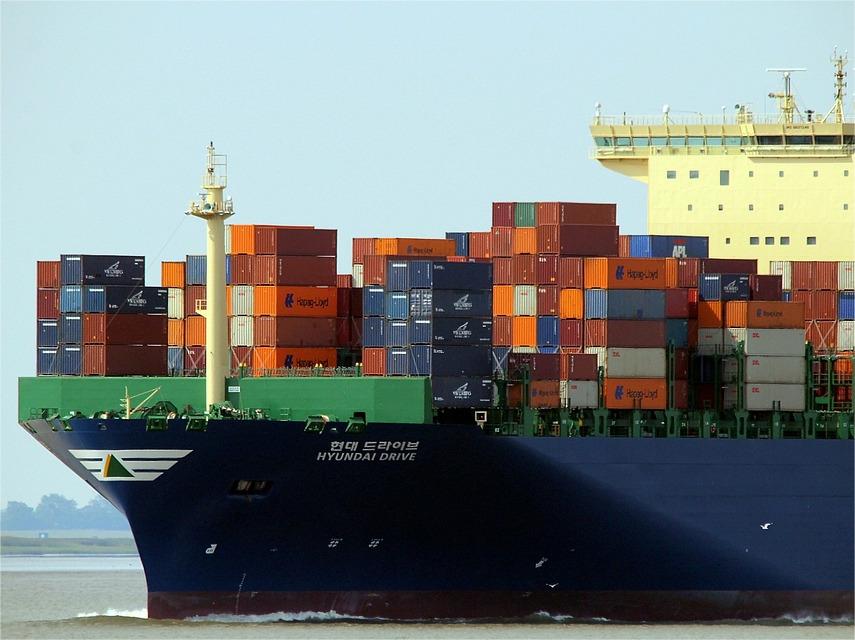
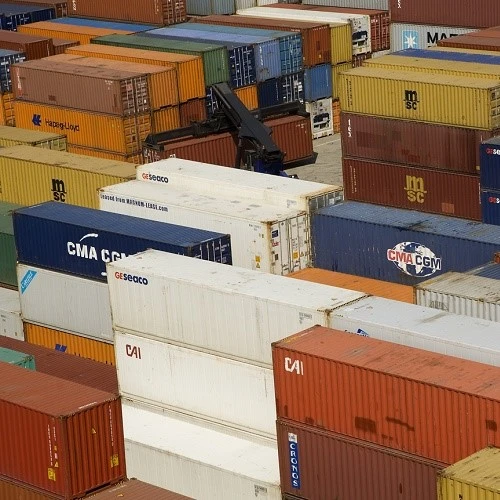
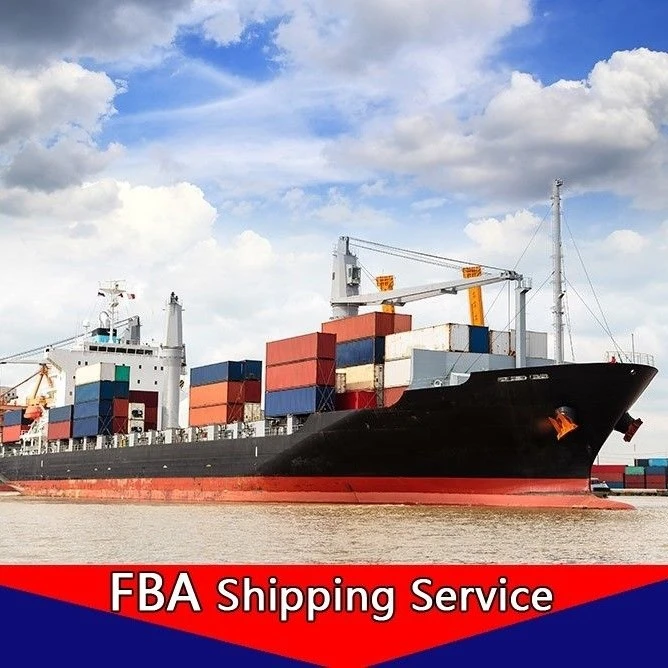
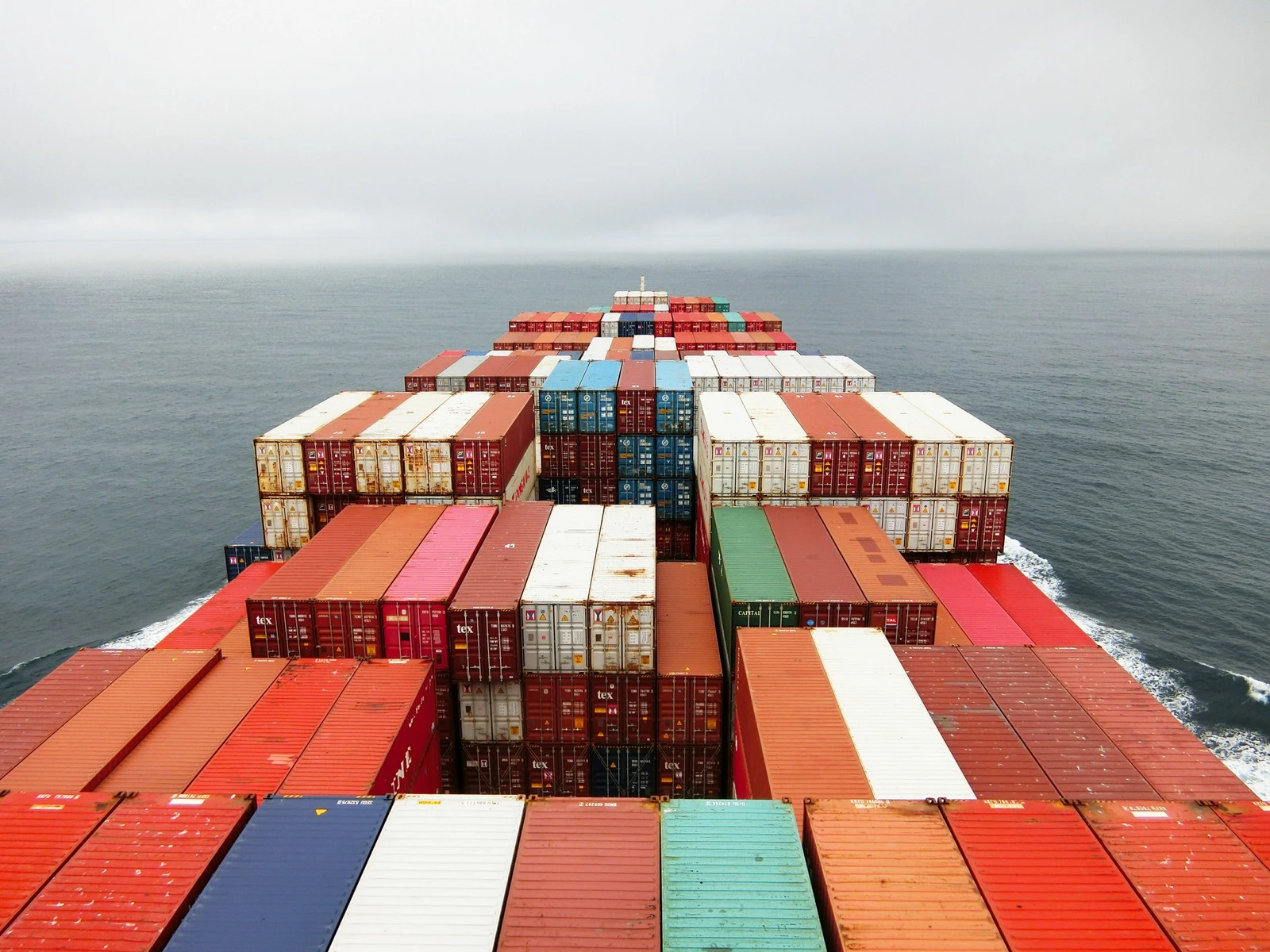
Developing logistics support hardware, reefer containers, and specialized transit equipment to the highest standards.
Building reliable transport equipment—such as specialized containers, generator units, and chassis systems—requires strict adherence to rigorous engineering protocols. We employ state-of-the-art machinery and comprehensive quality control checks to produce heavy-duty systems capable of withstanding the demands of intermodal freight.
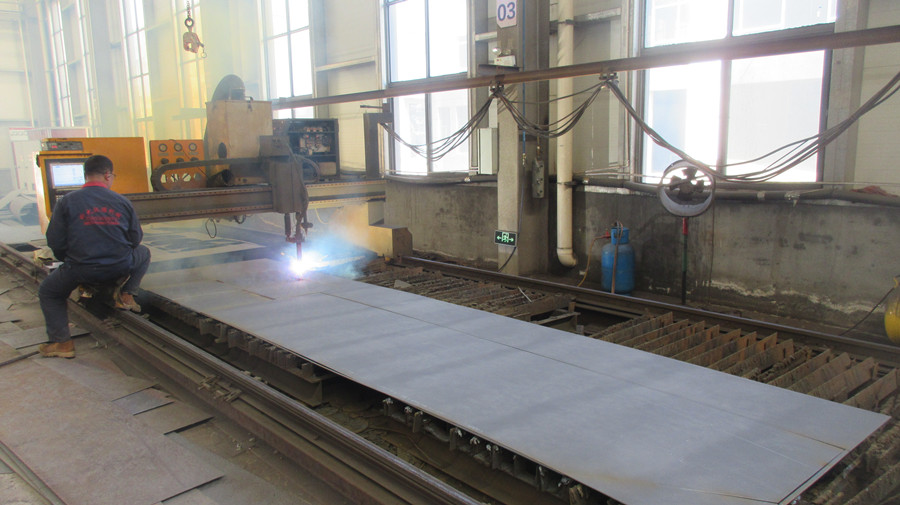
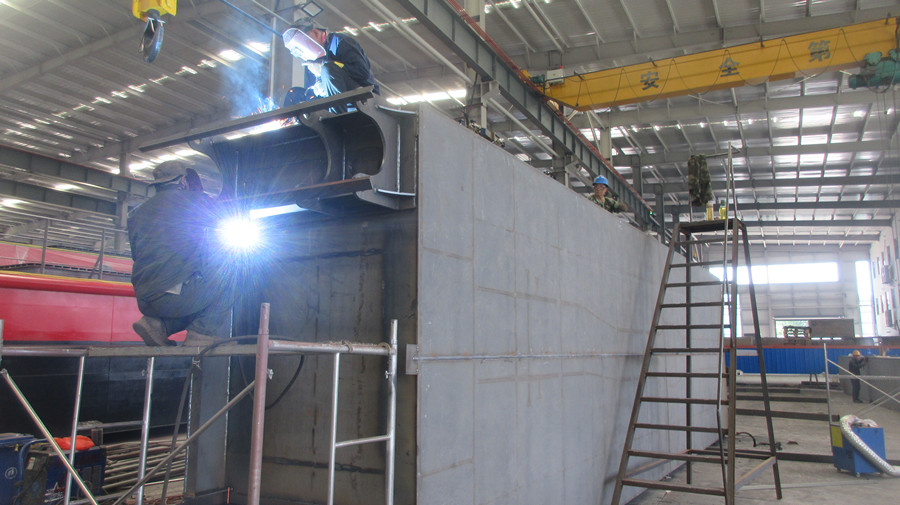
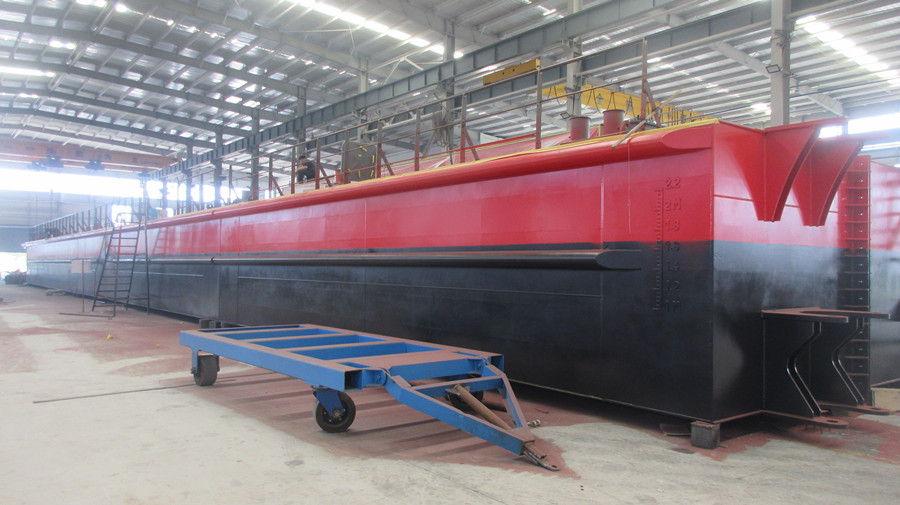
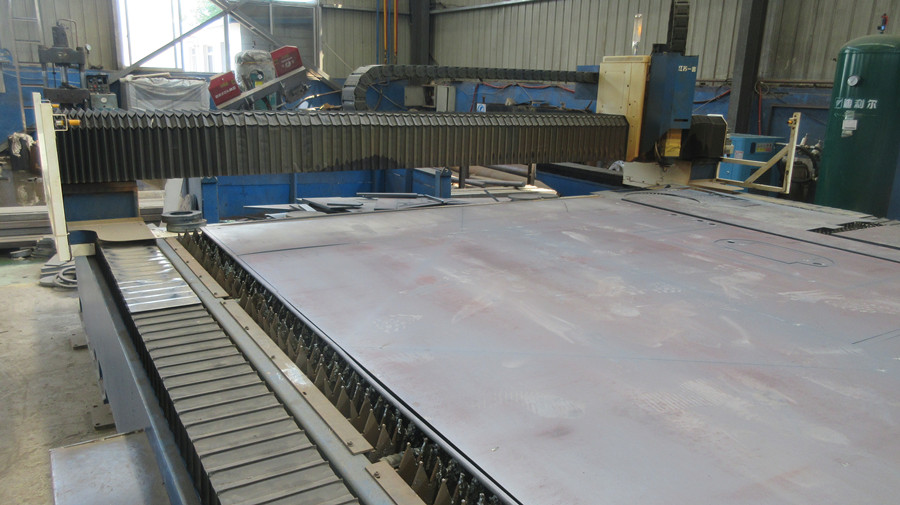
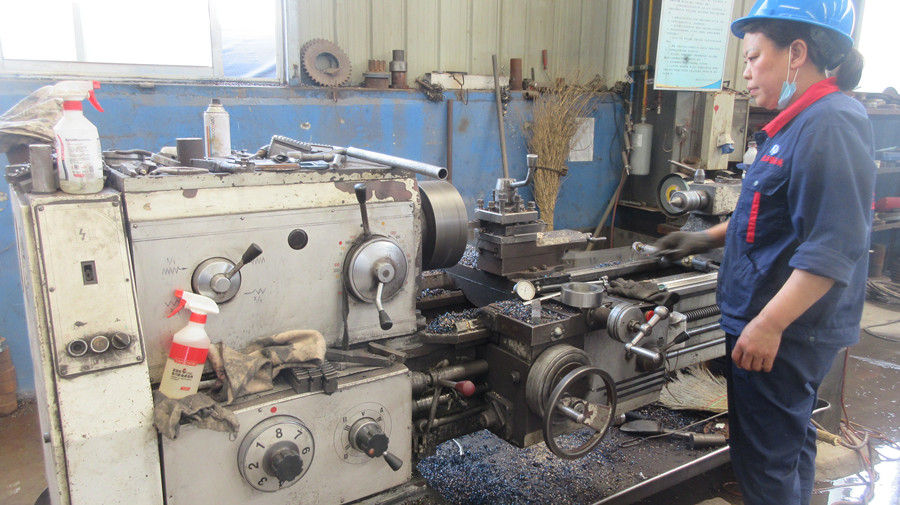
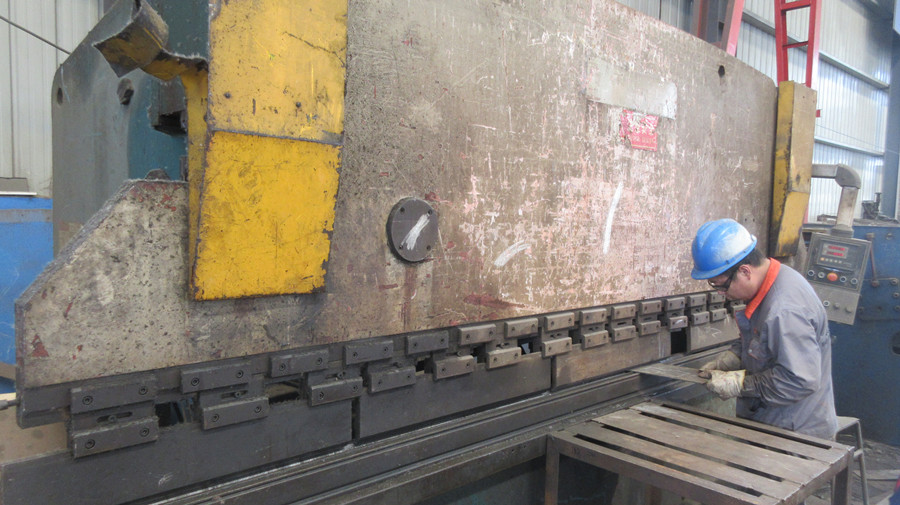
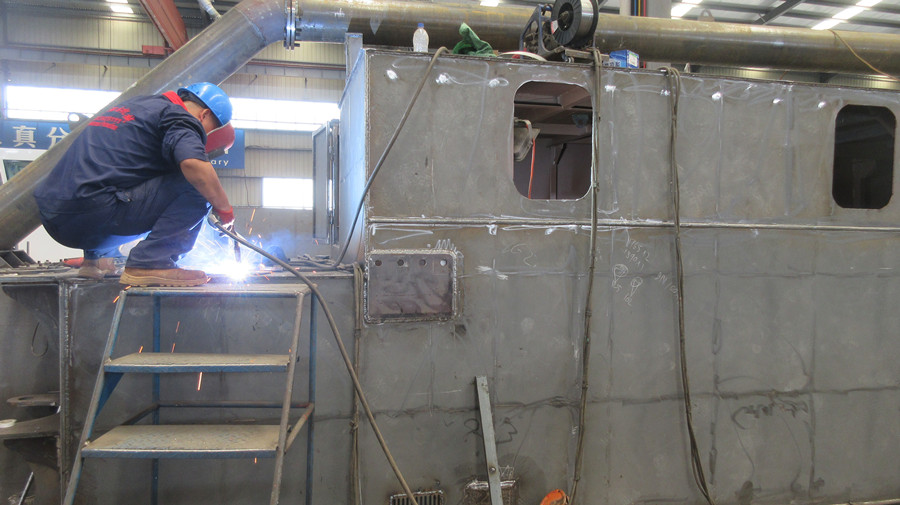
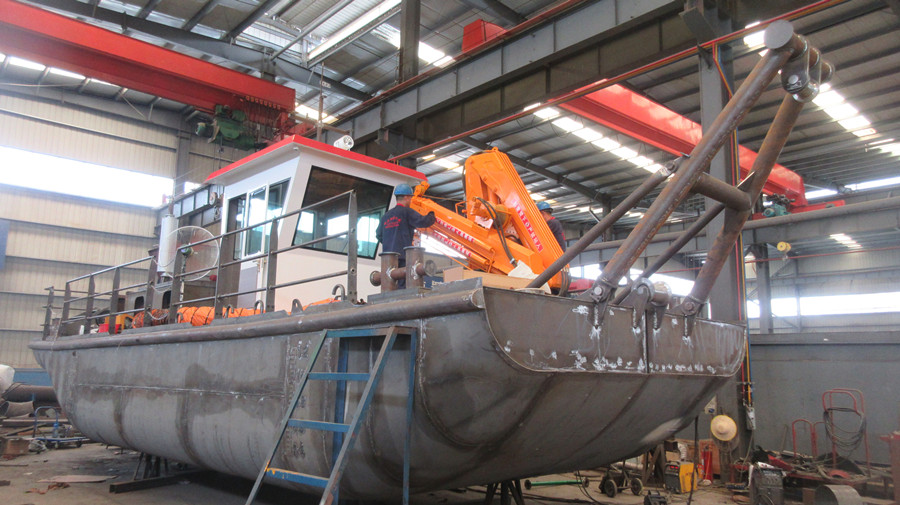
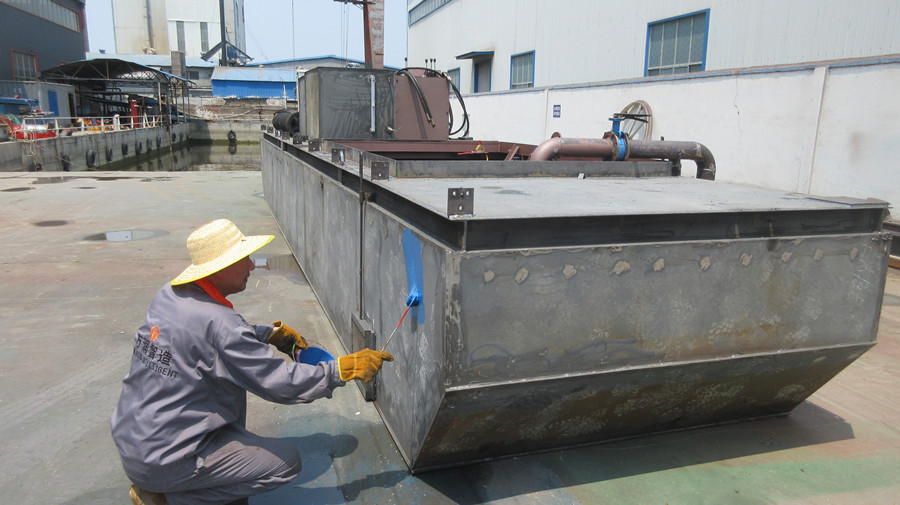
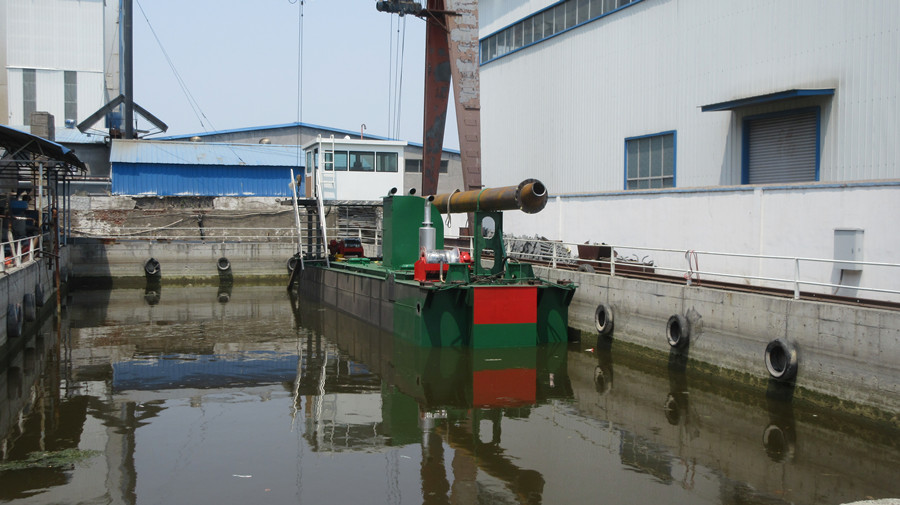
Maintaining dimensional accuracy and structural integrity requires advanced machinery. Our production facilities deploy specialized equipment built to handle rigorous industrial manufacturing tasks:

Expert insights on handling complex logistics requirements, compliance, and international shipping options.
 Changi Logistics