As the global supply chain transitions to a digitised ecosystem, leading suppliers and exporters use IoT diagnostics, telematics, and predictive modeling to eliminate distribution bottlenecks.
In today's highly volatile global trade arena, simple cargo transit from Point A to Point B is no longer sufficient. Enterprise procurement managers, cross-border e-commerce entities, and manufacturing giants require deep visibility into their supply chains. This is where Transport Analytics plays a critical role. By merging physical logistics infrastructure with intelligent analysis software, businesses can convert raw sensor data, global shipping schedules, and customs clearance timelines into predictable cargo arrival metrics.
It represents the integration of telemetry, global navigation satellite systems (GNSS), environmental sensors, and predictive algorithms to monitor, optimize, and secure products across international air, sea, and land networks. This data-driven model ensures transparent warehousing, efficient customs handling, and reduces cargo dwell times.
Explore our top analytical logistics offerings featuring real-time tracking, optimized route planning, and dedicated global supply chain support.


The convergence of IoT, AI routing, and predictive dispatching is shaping modern enterprise shipping strategies.
In the global procurement landscape, supply chain efficiency depends directly on real-time data visibility. Key challenges such as port congestion, changing customs rules, and unpredictable weather require logistics setups to remain flexible. Transport Analytics allows procurement departments to closely monitor and adjust logistics flows, reducing demurrage and shipping delays.
Additionally, modern global commerce requires that data not remain in silos. Large enterprises are shifting toward end-to-end analytics ecosystems. Connecting ERP systems directly with carrier telematics helps logistics managers predict disruptions hours before they happen, allowing for automated shipment rerouting.
Using historical port wait-times and seasonal data to generate highly accurate arrival estimations, helping warehousing networks align resources efficiently.
Tracking internal temperature, vibration, and humidity levels for sensitive e-commerce inventory and industrial shipments, ensuring compliance with transport standards.
Measuring emissions across sea, air, and land routes to support carbon footprint reductions and ESG alignment throughout the supply chain.
Whether managing cross-border e-commerce, heavy industrial machinery, or temperature-sensitive pharmaceutical goods, tailored logistics workflows are essential. A robust logistics framework provides key advantages across these main sectors:
Guangdong Changi Logistics Co., Ltd.: Linking physical logistics capabilities with digital transport analytics.
Guangdong Changi Logistics Co., Ltd. is a comprehensive logistics enterprise established in 2018, specializing in international freight forwarding and integrated supply chain solutions. The company is committed to providing efficient, reliable, and customized logistics services for global trade and cross-border e-commerce clients.
Our core services include international sea freight, air freight, rail transportation, multimodal transport, warehousing, customs clearance, and end-to-end supply chain management. With a strong global agency network and advanced digital logistics systems, we deliver cost-effective and time-efficient solutions to customers across various industries.
Founded in 2018, Guangdong Changi Logistics Co., Ltd. has grown alongside the rapid expansion of global trade and the rise of cross-border e-commerce. Starting as a traditional freight forwarding service provider, the company has evolved into a full-service logistics and supply chain solutions provider.
Over the years, we have continuously enhanced our operational capabilities by integrating intelligent logistics management systems and real-time tracking technologies. These improvements have significantly increased service efficiency, transparency, and customer satisfaction, enabling us to become a competitive independent logistics provider in the industry.
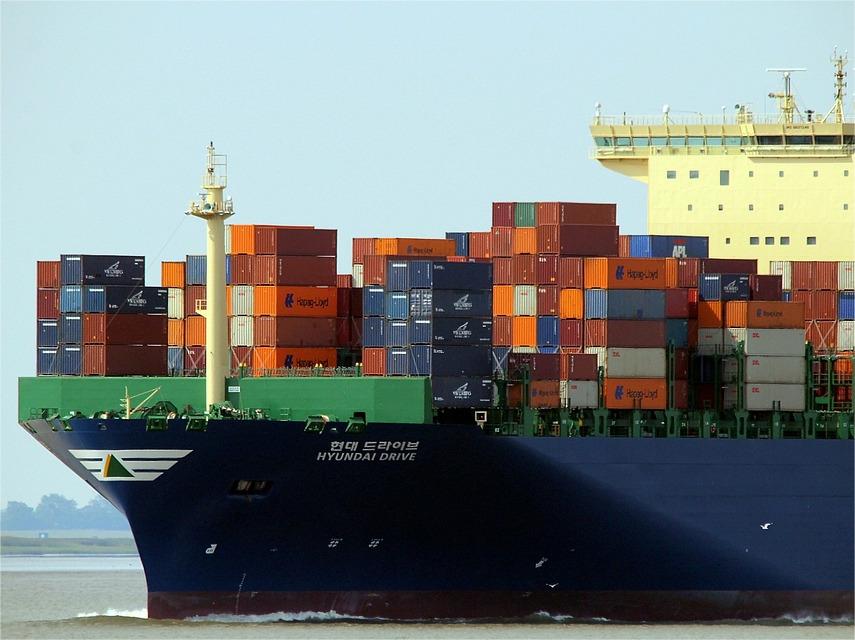
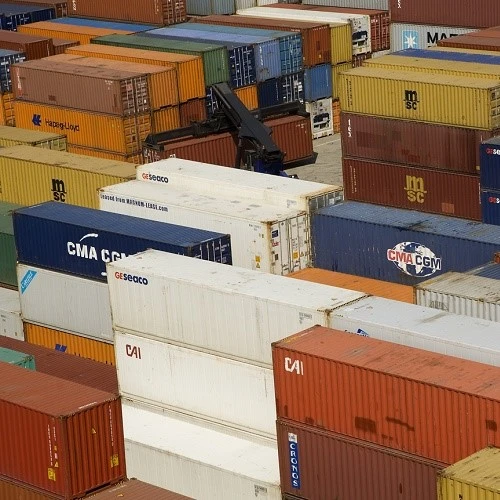

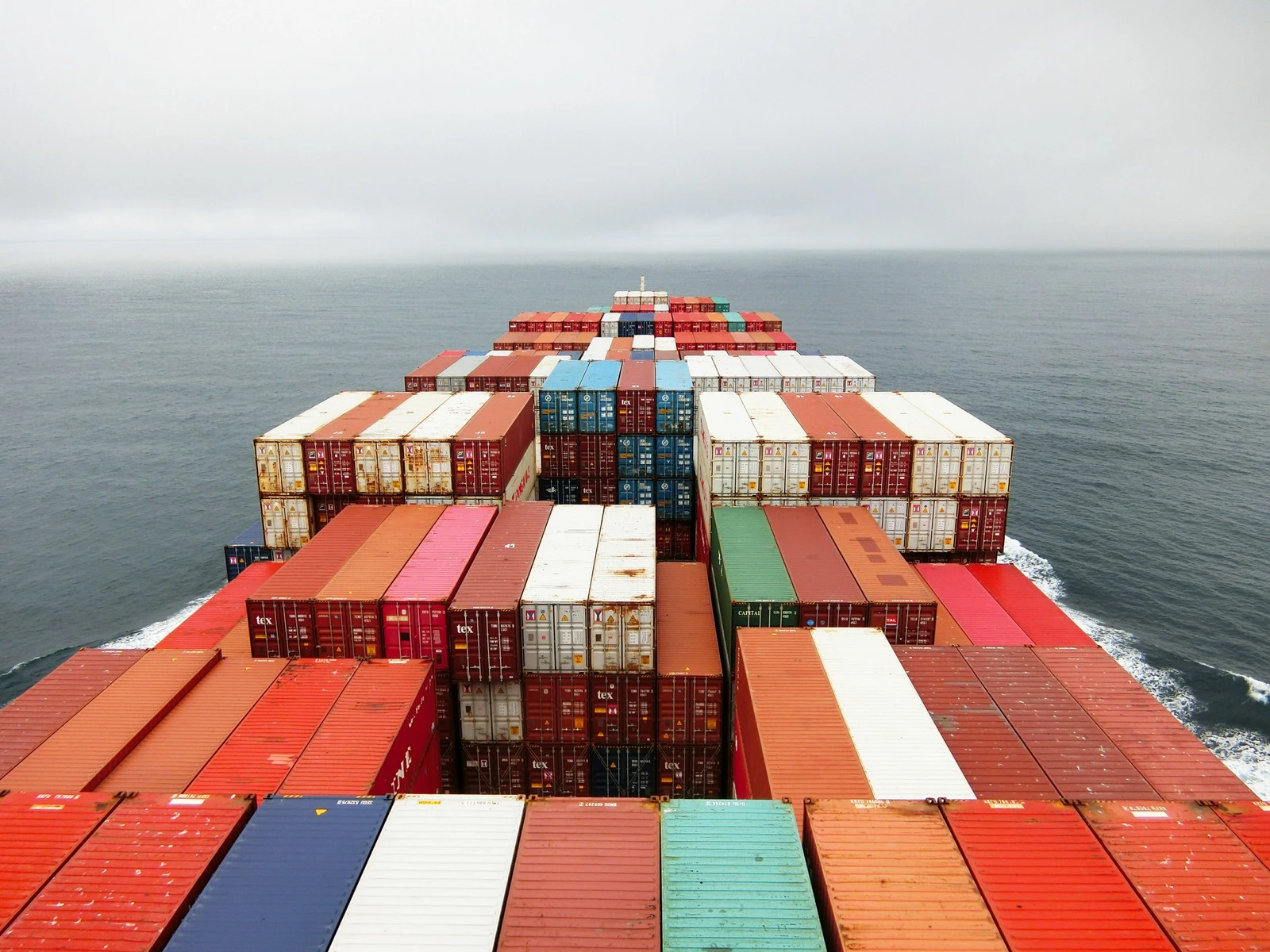
Our vision is to become a leading global logistics and supply chain partner, driven by innovation and powered by technology. We aim to build a smarter, greener, and more efficient global logistics network that enables seamless international trade and sustainable business growth for our clients.
At Guangdong Changi Logistics Co., Ltd., we are committed to delivering long-term value to our clients through innovative logistics solutions and professional service excellence. Our mission is to:
We believe logistics is more than transportation—it is the foundation that connects global commerce and drives business success.
Behind our digital tracking systems lies a robust industrial infrastructure, custom freight containers, and transport equipment manufacturing capabilities.


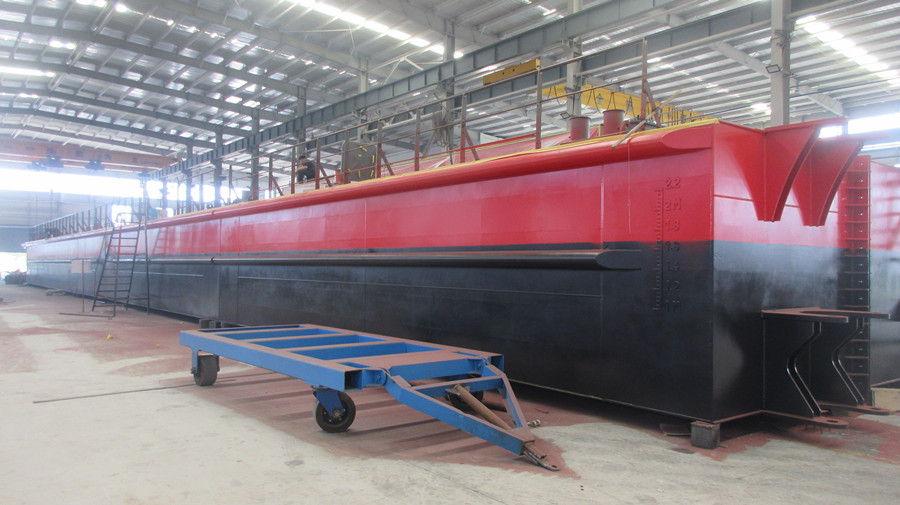




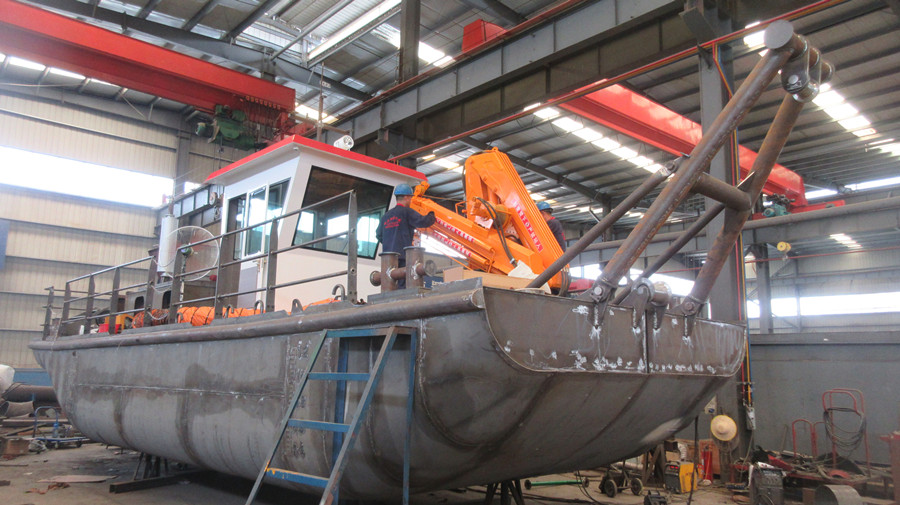





How artificial intelligence and real-time sensor networks are transforming supply chain execution.
The logistics landscape is moving from reactive response to proactive orchestration. The integration of high-frequency data from tracking devices allows shippers to anticipate delays. Machine learning models can analyze shipping routes, weather, and customs queues to recommend optimal delivery adjustments. This helps mitigate delay risks before shipments arrive at transfer hubs.
In addition, smart container technology continues to evolve. Modern sensors track more than location; they monitor temperature, humidity, and physical shock. For industries like electronics and cold-chain foods, this continuous data record supports quality assurance throughout the transportation cycle.
Sustainable logistics is also a growing focus. Multi-modal optimization algorithms analyze emissions alongside cost and speed. By balancing shipping modes—such as rail, road, and ocean—freight networks can reduce environmental impact while maintaining consistent transit schedules.
Managing cross-border regulations through digitised trade systems and professional local agencies.
Cross-border shipping requires navigating complex customs regulations, tariff codes, and safety protocols. Delays often stem from administrative issues rather than physical transport challenges. Digital logistics platforms help simplify this process by matching digital shipping manifests with local import rules, reducing the risk of customs holds.
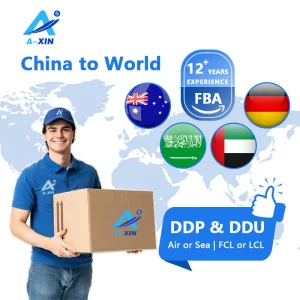
Providing Delivery Duty Paid (DDP) options simplifies global shipping by handling customs clearance, duties, and taxes in advance. This ensures smoother deliveries for e-commerce hubs and business facilities in destinations like the US, EU, and Australia.
Common questions regarding transport analytics, customs clearance, tracking capabilities, and shipping services.
Reliable air, sea, and land cargo transport solutions with comprehensive logistics tracking.

 Changi Logistics