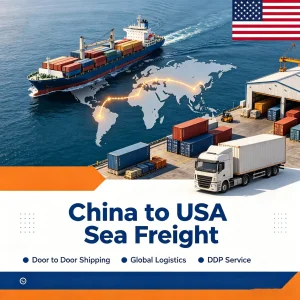
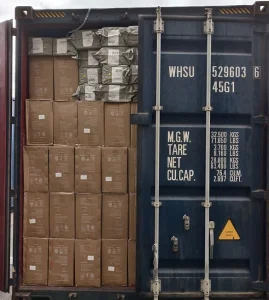
Deploying real-time traceable routes, temperature-controlled transit, and direct-line FBA shipping optimized for global commercial requirements.
Established in 2018, Guangdong Changi Logistics Co., Ltd. has rapidly emerged as a leading, comprehensive logistics provider specializing in end-to-end international freight forwarding and integrated supply chain management solutions. We bridge the gap between complex Chinese manufacturing centers and global industrial and retail hubs by deploying advanced digital logistics networks, custom clearance interfaces, and intelligent cargo tracking methodologies.
Our core services span across international ocean freight, air charter operations, cross-border rail connections, intermodal transshipment, localized warehousing, and complex customs brokering. Driven by the demands of the modern digital economy, we design agile solutions tailored to high-velocity e-commerce logistics, dangerous goods (LCL/FCL) management, and temperature-sensitive cold chain distribution.
Since our inception in 2018, Guangdong Changi Logistics has grown alongside the exponential expansion of global cross-border e-commerce and regional trade pacts. Originating as a localized freight forwarding agency in Guangdong, we systematically scaled our assets, forged partnerships with major ocean liners and air carriers, and integrated cutting-edge digital tracking technologies to transform into an asset-light, tech-driven supply chain integrator.
Through continuous investments in digital architecture and warehousing networks, we have drastically reduced container transit times and solved last-mile bottlenecks. Today, the integration of real-time telematic data, automated customs compliance checking, and cloud-based freight monitoring positions us as a premier logistics operator supporting multinational importers and global brands.
Our Vision: To construct a fully transparent, highly resilient, and digitally integrated global logistics ecosystem. We aim to leverage predictive intelligence and smart supply chain hardware to minimize friction, lower carbon footprints, and maximize efficiency in international commerce.
Our Mission: We are committed to engineering long-term value for our clients by:
The global logistics landscape is undergoing a paradigm shift from passive milestone tracking to proactive, real-time cargo telematics. Large-scale procurement teams in the automotive, electronics, pharmaceutical, and high-volume retail sectors no longer accept simple "port-of-departure" and "port-of-arrival" notifications. Instead, they demand continuous telemetry data to safeguard cargo integrity, optimize inventory forecasting, and prevent supply chain disruptions.
Advanced cargo tracking procurement focuses heavily on multi-sensor hardware and software integration. Key buying criteria include battery longevity of tracking beacons, robust global cellular connectivity (incorporating eSIM technologies that transition seamlessly across international carriers), and sensor capabilities measuring ambient temperature, humidity, shock, tilt, and light exposure. For instance, in cold-chain logistics, temperature fluctuation of even one degree can compromise entire pharmaceutical batches or perishable food imports, demanding real-time alerts and rapid intervention protocols.
Operating across air, sea, rail, and road transport requires cohesive, high-performance tracking systems that unify fragmented data streams. Our macro solutions resolve these tracking challenges by layering multiple tracking methodologies:
The trajectory of cargo tracking is defined by predictive analytics, artificial intelligence, and edge computing. Over the next three to five years, standard passive RFID technology will be completely overshadowed by active Bluetooth Low Energy (BLE) arrays, ultra-wideband (UWB) indoor positioning, and satellite-direct IoT devices.
Artificial intelligence is now being deployed to analyze historical shipping patterns, weather disruptions, customs clearance velocities, and port labor strikes to calculate highly accurate "Predictive ETAs." Instead of reacting to delays after they occur, logistics software can automatically re-route cargo, notify inland warehouses to adjust shift scheduling, and trigger inventory replenishment orders dynamically. Additionally, blockchain-based smart contracts are being integrated into tracking platforms, automatically initiating customs duties payments or carrier disbursements the moment a container is verified at a designated latitude/longitude coordinate.
Real-time location, temperature, and shock monitoring minimize cargo shrink and transit uncertainty.
Certified customs clearances and pre-calculated duty systems ensure friction-free delivery to global fulfillment networks.
Low-power WAN and dual-active SIM technologies provide continuous tracking across deep-sea and cross-border rail routes.
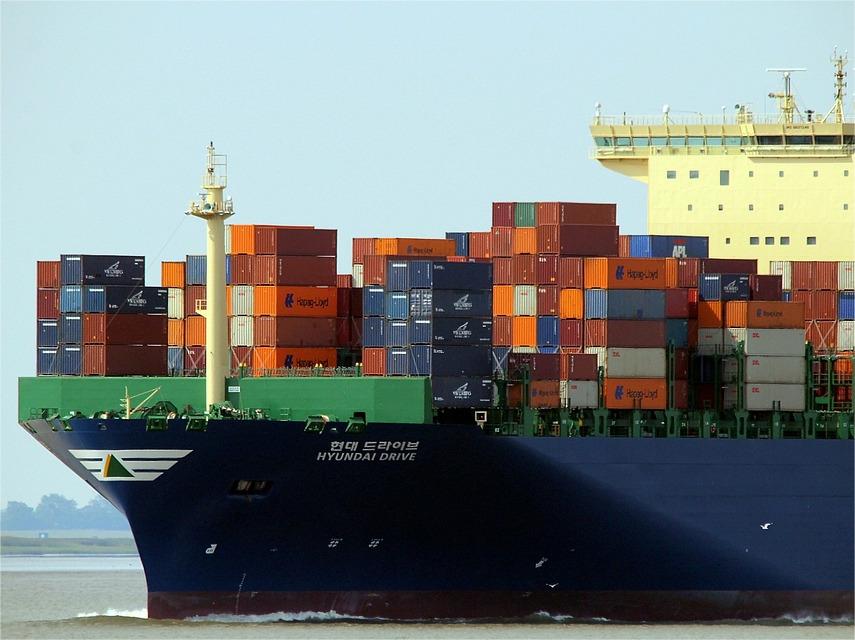
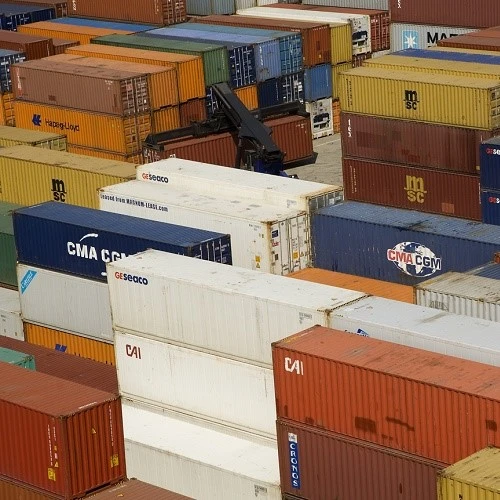


Underpinning our supply chain assets with rigorously engineered logistics equipment, specialized container assembly, and certified stress testing.

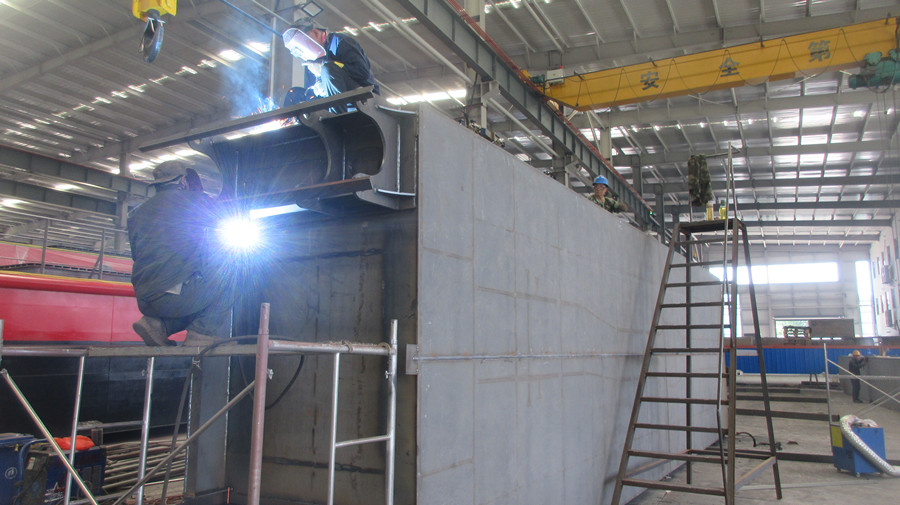
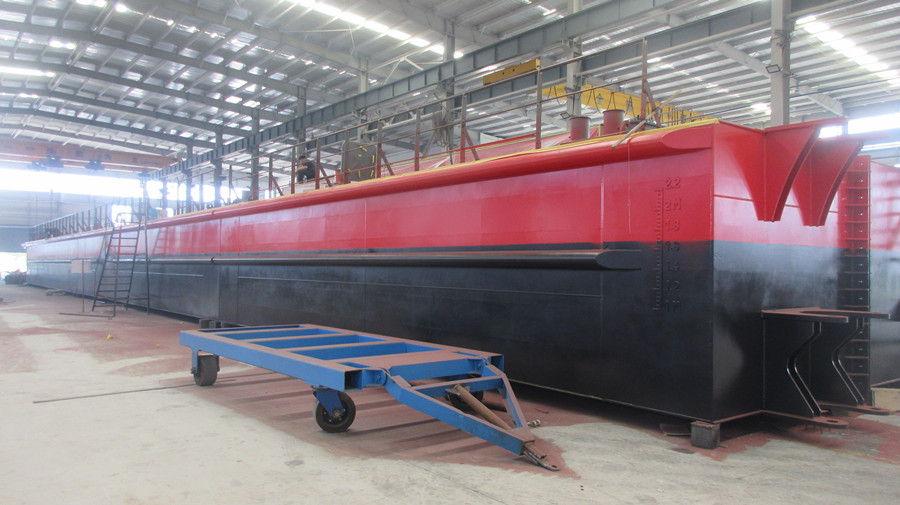




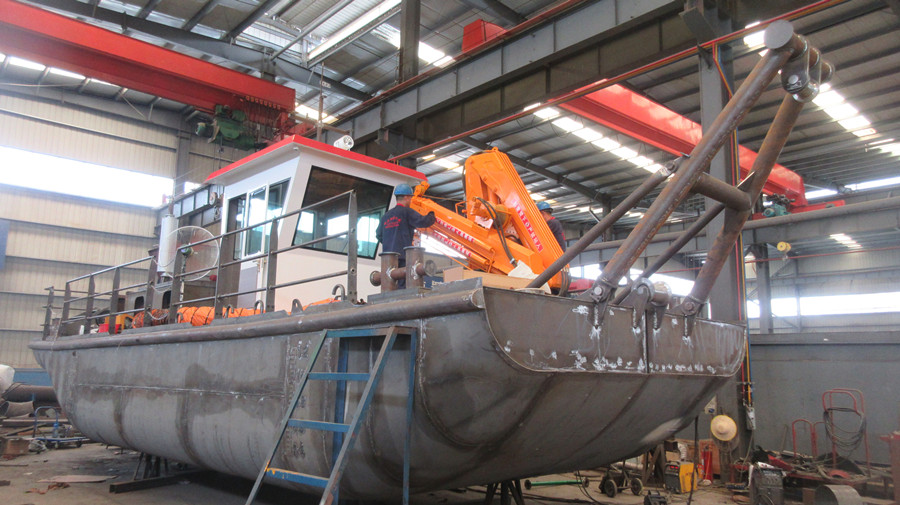

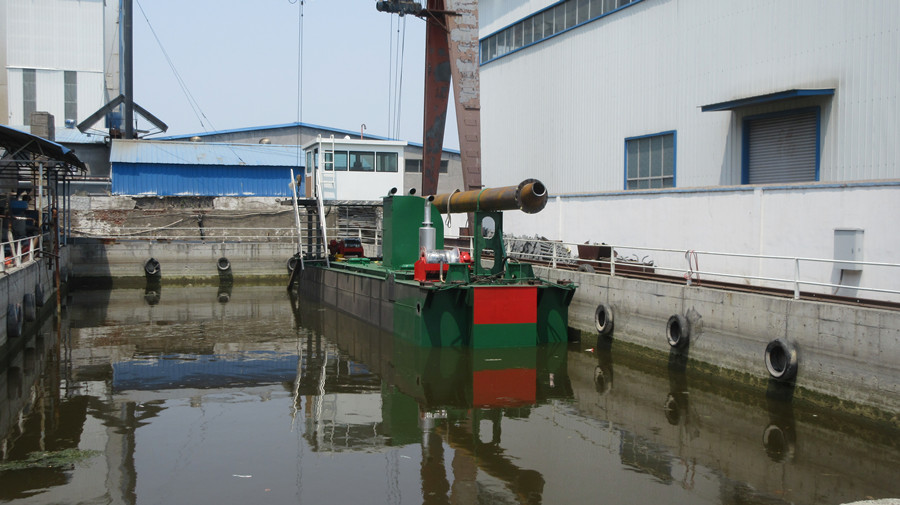



All manufactured logistics frames, containers, and terminal equipment undergo ISO-certified structural, environmental stress, and load testing.
Shipping across regional customs borders necessitates strict adherence to shifting trade frameworks, maritime laws, and transport protocols. Guangdong Changi Logistics maintains deep alignment with major international security standards, including FMC (Federal Maritime Commission) guidelines, NVOCC (Non-Vessel Operating Common Carrier) licensing, and local customs authorities (such as the US CBP, European Union Union Customs Code, and China's General Administration of Customs).
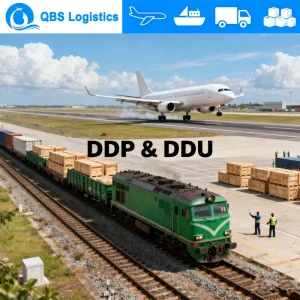
Our DDP (Delivered Duty Paid) shipping solutions offer complete compliance coverage, ensuring that customs duties, terminal fees, and import documentation are handled prior to cargo touchdown. This eliminates unexpected import delays at ports such as Los Angeles, Rotterdam, or Tokyo. By combining automated compliance engines with physical warehouse and customs presence in key commercial corridors, we provide global importers with complete regulatory peace of mind.
Addressing technical implementation questions, compliance metrics, and operational procedures for international freight buyers.
Secure door-to-door transit channels, heavy-duty cargo handling machinery, and localized distribution networks.
 Changi Logistics