In the era of the circular economy and stringent ESG (Environmental, Social, and Governance) mandates, global supply chain structures are undergoing a radical transformation. Historically, logistics was treated as a unidirectional flow—moving raw materials to factories, and finished goods to consumers. Today, reverse logistics—the process of planning, implementing, and controlling the efficient, cost-effective flow of raw materials, in-process inventory, finished goods, and related information from the point of consumption to the point of origin for the purpose of recapturing value or proper disposal—has become a pivotal boardroom priority.
Global brands, e-commerce giants, and heavy manufacturers are discovering that optimization of the reverse supply loop directly affects their bottom lines and brand reputations. With product returns costing retailers up to 66% of the original item's price, establishing robust, high-efficiency channels to receive, inspect, refurbish, repackage, or responsibly recycle products is no longer optional. Navigating cross-border customs regulations, hazardous materials certification, and global return-to-origin procedures requires specialized expertise and localized infrastructure.
Maximize the value recovery lifecycle of end-of-life electronics, automotive components, and medical instruments via serialized return paths and regional screening hubs.
Navigate strict international environmental standards including the EU WEEE Directive, RoHS, EPA regulations, and cross-border customs clearance audits seamlessly.
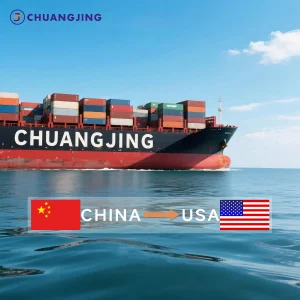
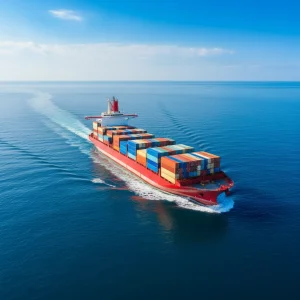
Mitigate heavy return-shipping fees through smart localized consolidation, intelligent routing, and optimized multi-modal container transport.
Established in 2018, Guangdong Changi Logistics Co., Ltd. has rapidly emerged as a leading comprehensive logistics enterprise, offering specialized expertise in international freight forwarding and integrated supply chain management. Operating at the intersection of traditional freight management and advanced digital reverse supply chains, we provide highly customized, efficient, and reliable solutions tailored to cross-border e-commerce networks, industrial brands, and global manufacturing conglomerates.
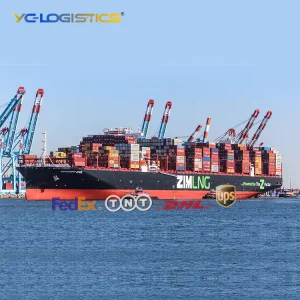
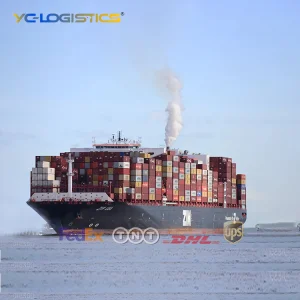
Our services cover the complete logistics spectrum, including international ocean freight, air freight forwarding, cross-border rail links, multimodal transshipment, bonded warehousing, customs brokerage, and door-to-door (DDP/DDU) delivery. By utilizing an advanced digital infrastructure that features real-time tracking, AI-driven cargo routing, and dynamic risk management, we help our clients maintain total transparency over both forward and backward logistics flows.
To become a leading global logistics and supply chain partner, driven by innovation and powered by technology. We aim to build a smarter, greener, and more efficient global logistics network that enables seamless international trade and sustainable business growth for our clients.
Founded in 2018 amid the rise of global e-commerce and changing supply patterns, Changi has grown from a regional freight forwarder into a full-scale multinational logistics solutions provider. By investing in heavy transport logistics and sorting technologies, we serve as an essential link in the circular supply loop.
As the world's primary manufacturing hub, China offers unmatched advantages in supply chain clusters. However, the true strength of a modern exporter lies not just in sending products out, but in managing the full product lifecycle. Top China reverse logistics providers use the country's manufacturing density to create highly efficient return and recovery networks.
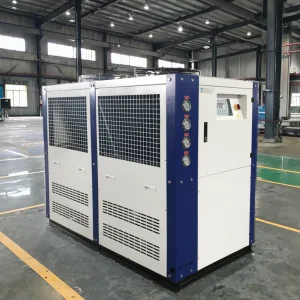
Proximity to raw materials, sub-assembly plants, and specialist manufacturing equipment makes China the ideal destination for component diagnostics, repair, and refurbishment (Return Material Authorization - RMA processes). When a complex device—whether it's a medical refrigeration unit, a high-tech cooling glycol chiller, or heavy-duty machinery—needs refurbishment, shipping the components back to Chinese manufacturing clusters allows businesses to leverage local engineering expertise, low-cost component sourcing, and rapid turnaround times.
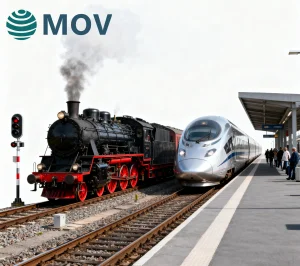
Furthermore, integrated free trade zones (FTZs) and bonded warehouses in ports like Shenzhen, Ningbo, and Shanghai allow global companies to return products for repair without incurring heavy import duties. This regulatory setup, combined with efficient multi-modal shipping options like China-Europe rail links and direct sea routes, forms the foundation of modern, cost-effective global asset recovery.
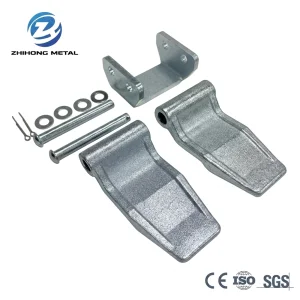
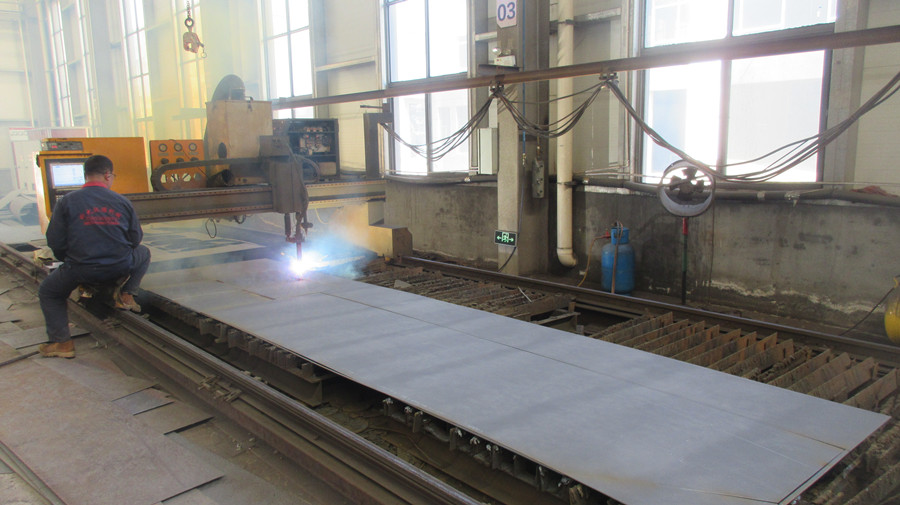
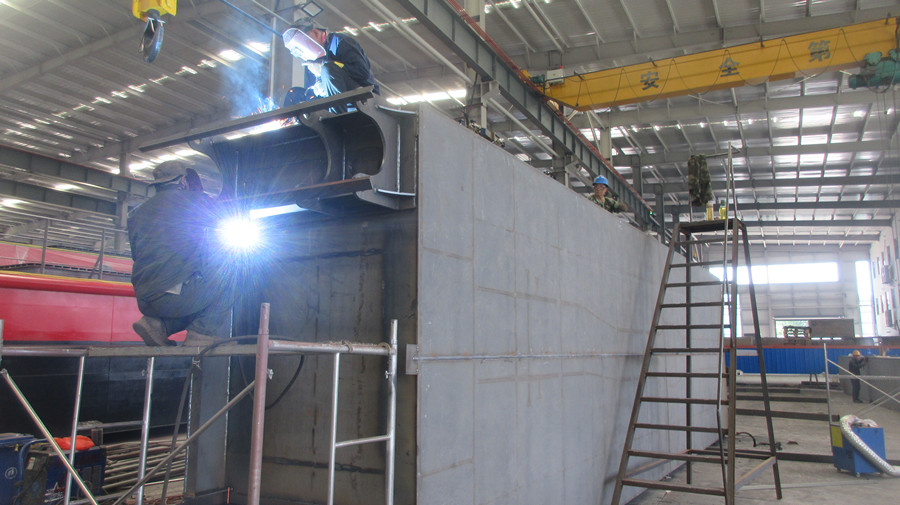
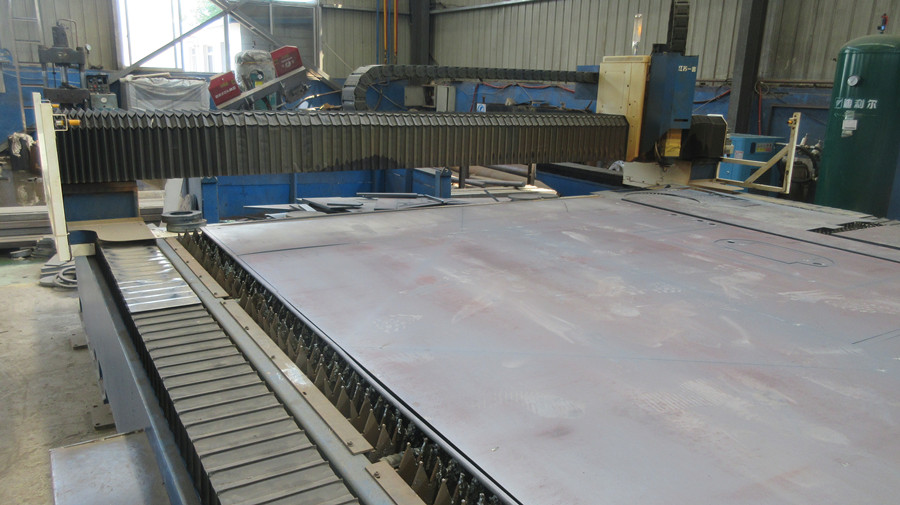
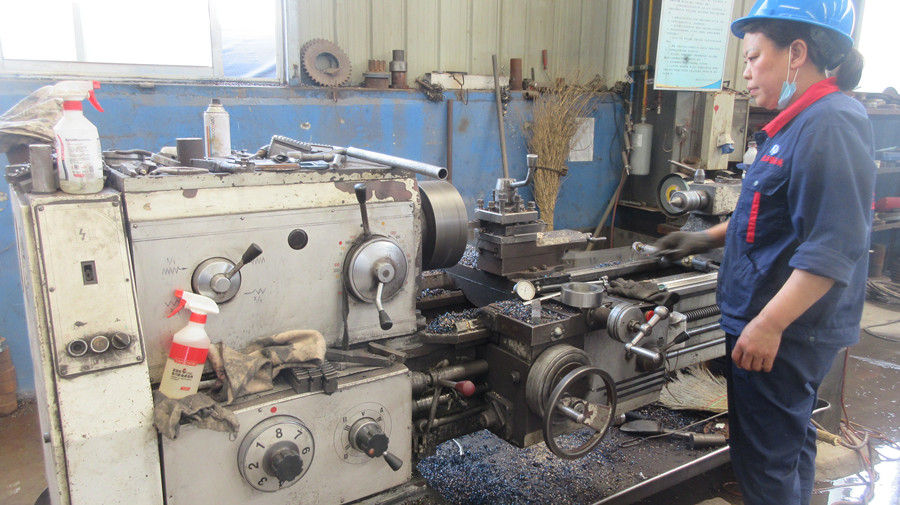
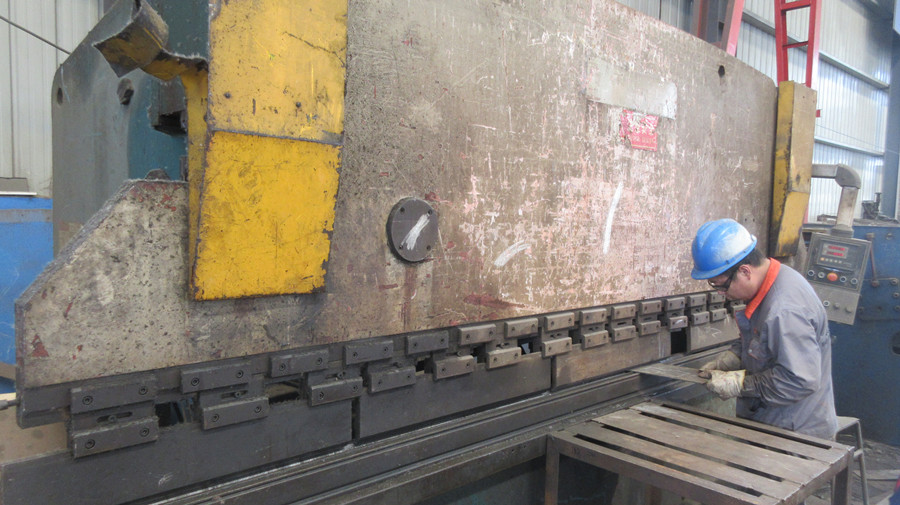
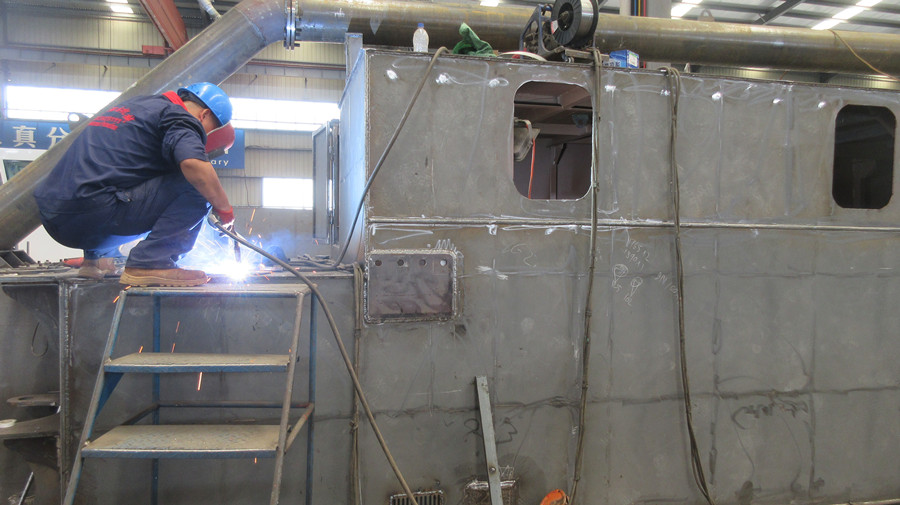
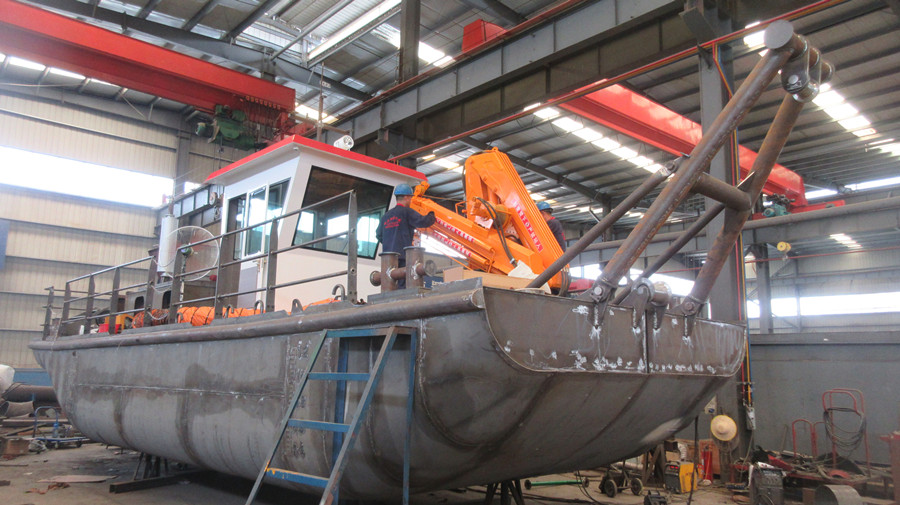
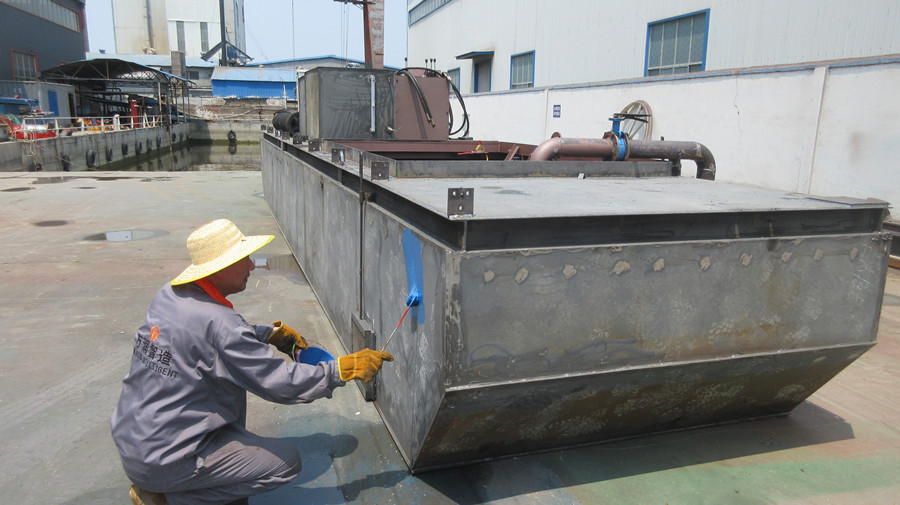
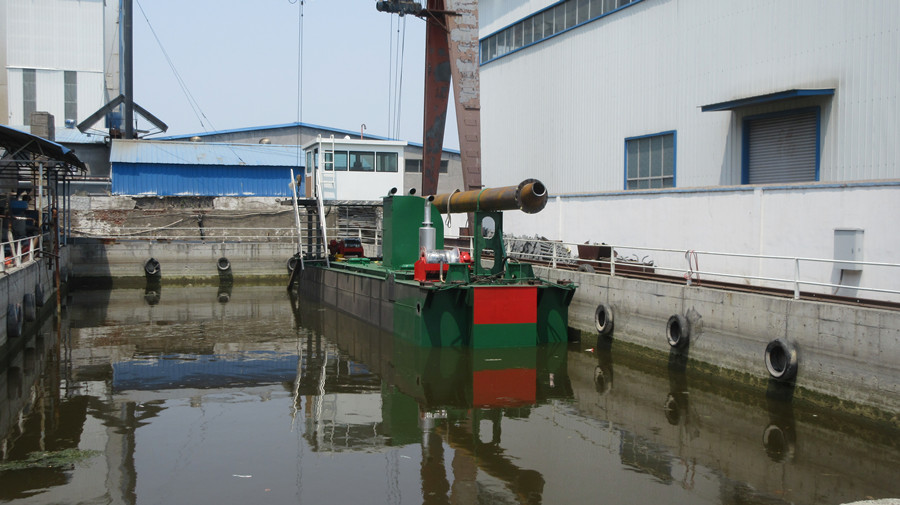
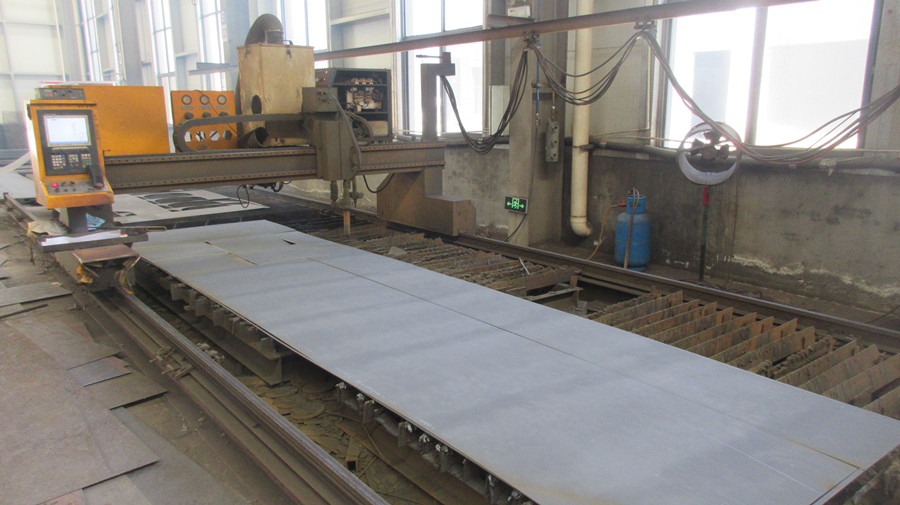
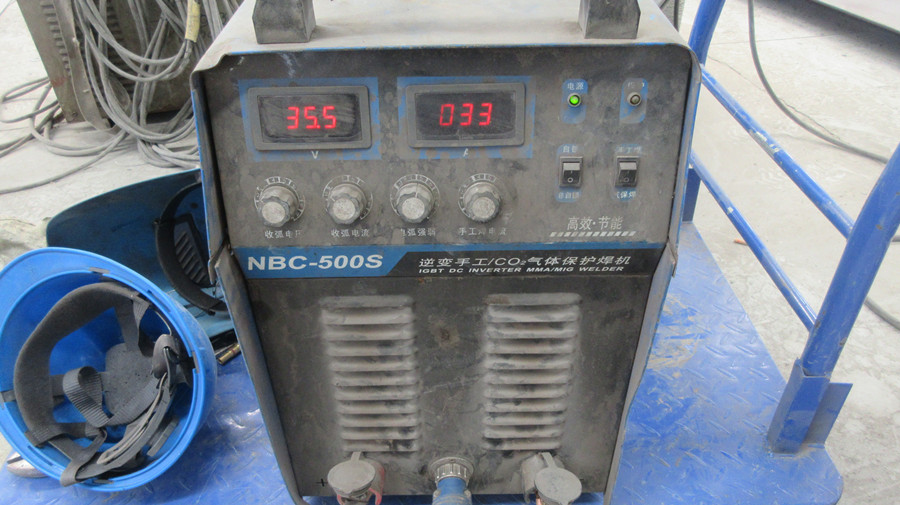
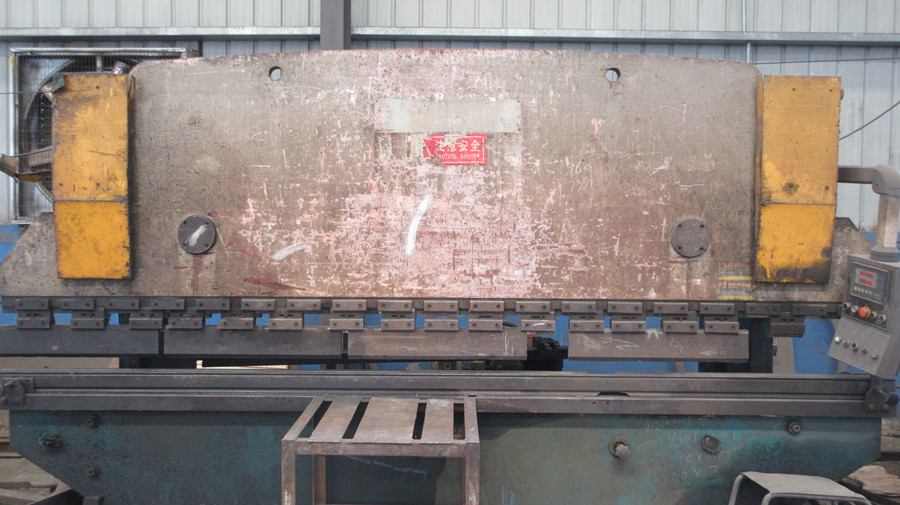
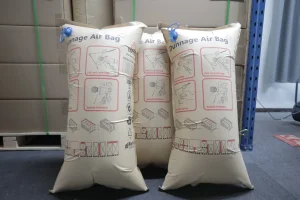
A resilient reverse logistics system relies on high-quality transport equipment, durable packaging, and precise metal fabrication. We maintain dedicated workshop facilities equipped with advanced machinery to manufacture and maintain customized transport containers, support structures, and key logistics hardware. This integrated manufacturing capability ensures that cargo containment meets the highest international safety standards.

One of the biggest obstacles in international reverse logistics is navigating different country-specific regulations. When cargo transitions from a consumer back to a factory, it often falls under specific classification codes, environmental laws, or waste management directives. For instance, returning lithium-ion battery packs or electronic devices to Asia requires compliance with strict hazardous materials transport regulations (like ADR or IMDG codes).
To address these complexities, we offer a comprehensive compliance and regulatory framework:
Additionally, our localized support hubs in key economic zones like Shenzhen and various overseas warehouses provide local screening services. This allows us to inspect, clean, and grade returned items locally, avoiding the high carbon footprint and cost of shipping non-functional scrap across oceans.
Global procurement and logistics directors face several challenges when setting up international return channels. The primary concern is visibility: without end-to-end serialized tracking, returned assets can get lost in transit, resulting in balance sheet write-offs. Secondary concerns include turnaround times (TAT) and unpredictable customs delays.
To meet these enterprise requirements, our services focus on:
The reverse logistics sector is shifting from a standard service model to a highly automated, technology-driven ecosystem. Key trends shaping the next decade include:
AI-driven optical scanning and diagnostic software can immediately assess returned products at the warehouse, determining their grade and value recovery path without manual testing.
To reduce international shipping emissions, companies are using local micro-fulfillment centers to clean, repackage, and resell returned goods within the same continent.
Blockchain tracking ensures that recycled raw materials or refurbished components can be traced back to their origin, providing audited proof of circular practices.
Our reverse logistics solutions support a wide range of real-world scenarios:
Consolidating returns from European e-commerce markets at key regional hubs, handling customs documentation, and shipping bulk consolidated cargo back to China for refurbishment.
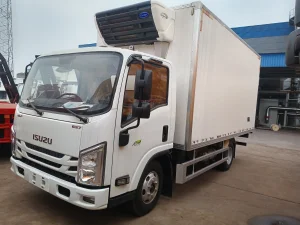
Using temperature-controlled vans and specialized containers to return sensitive medical equipment or vaccines to production centers under strict temperature monitoring.
Moving heavy machinery, industrial chillers, and large-scale components back to Chinese fabrication facilities for overhaul, maintenance, and testing using heavy-duty flat racks.
 Changi Logistics