Explore our top intermodal and multimodal solutions tailored specifically for direct factory integration and international gateway connectivity in the Indochina region.
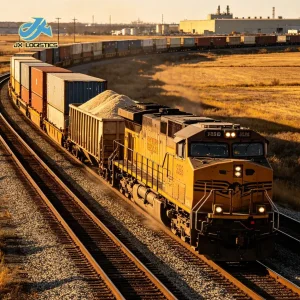
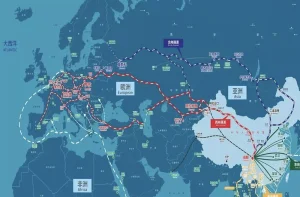
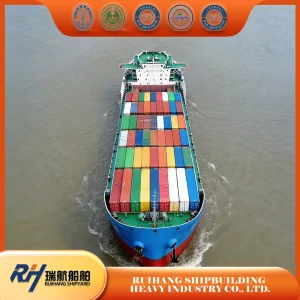
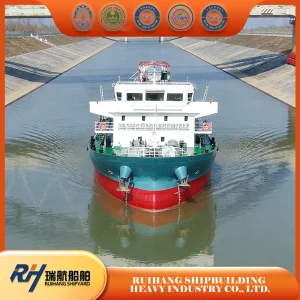
As the primary economic gateway of Thailand and the broader Greater Mekong Subregion (GMS), Bangkok stands at a critical geographical intersection. With the ongoing expansion of the Eastern Economic Corridor (EEC), the deployment of Phase 3 at Laem Chabang Port, and the development of the Krung Thep Aphiwat Central Terminal (Bang Sue Grand Station) as a rail-freight nexus, the demands on transportation efficiency have shifted dramatically. Traditional single-mode transport is no longer sufficient to sustain regional industrial volumes.
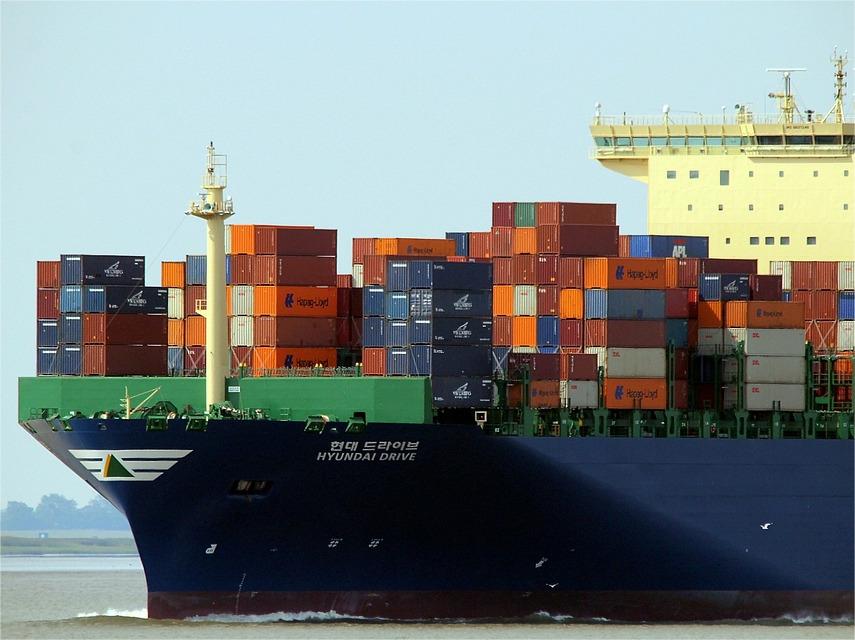
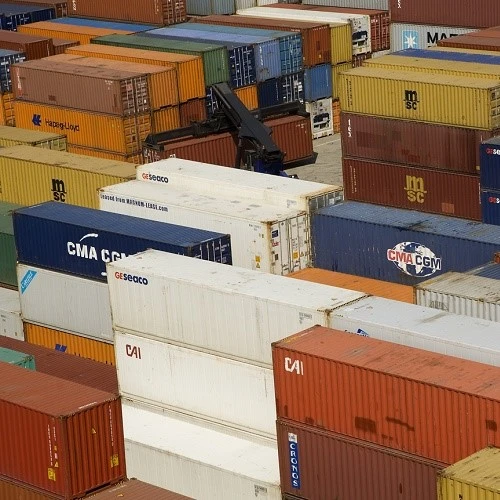
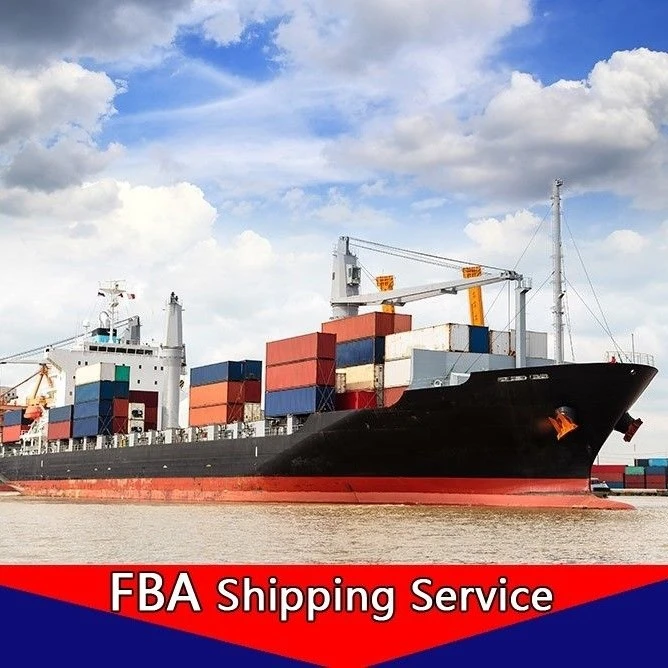
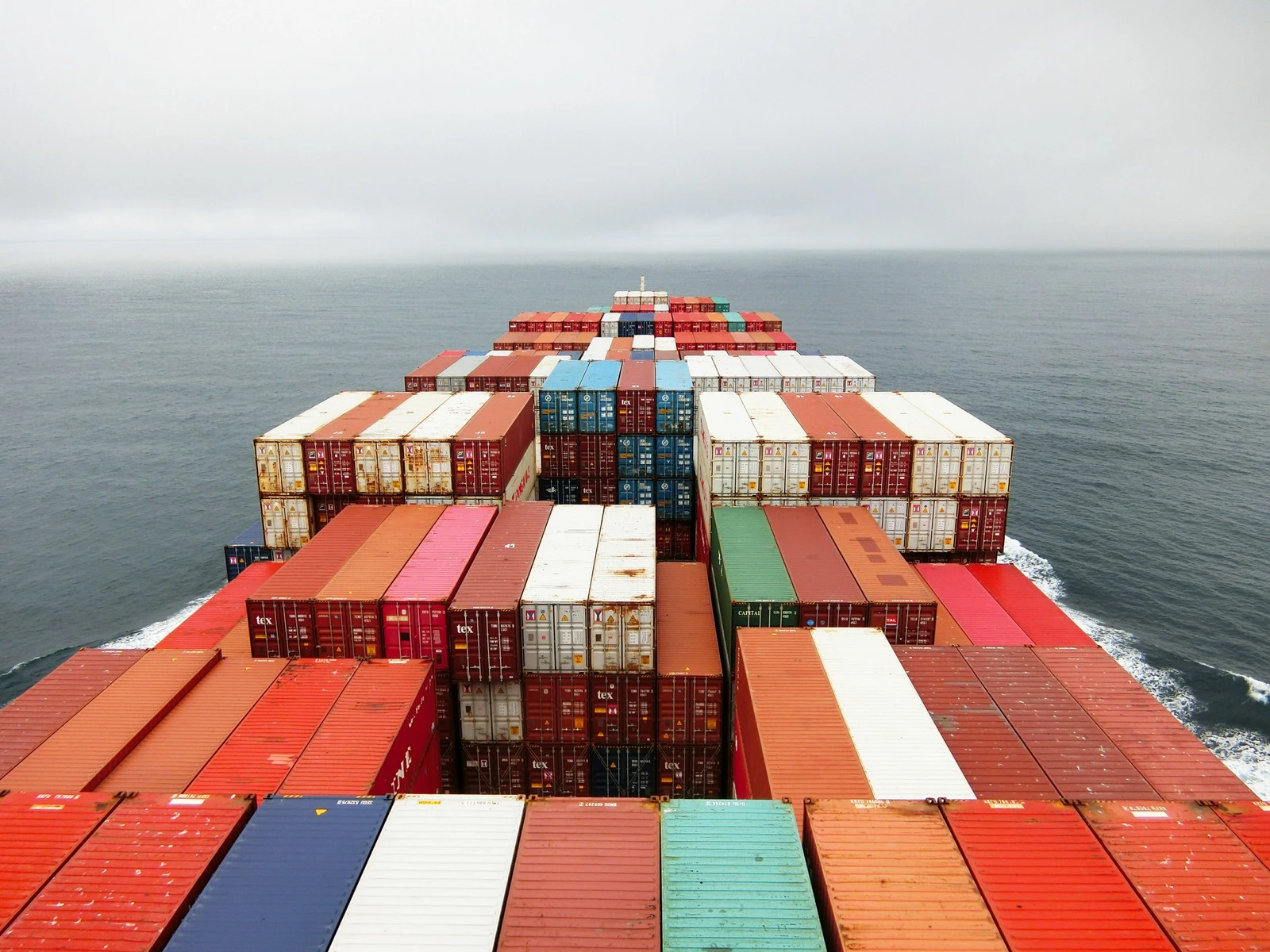
Intermodal and multimodal shipping systems are the key structural components solving these logistical complexities. By seamlessly combining deep-sea maritime transit from the Gulf of Thailand, rail corridors linking Kunming through Laos directly into the heart of Thailand, and inland container barge networks along the Chao Phraya River, enterprises can drastically optimize transit times and mitigate fluctuating maritime freight rates.
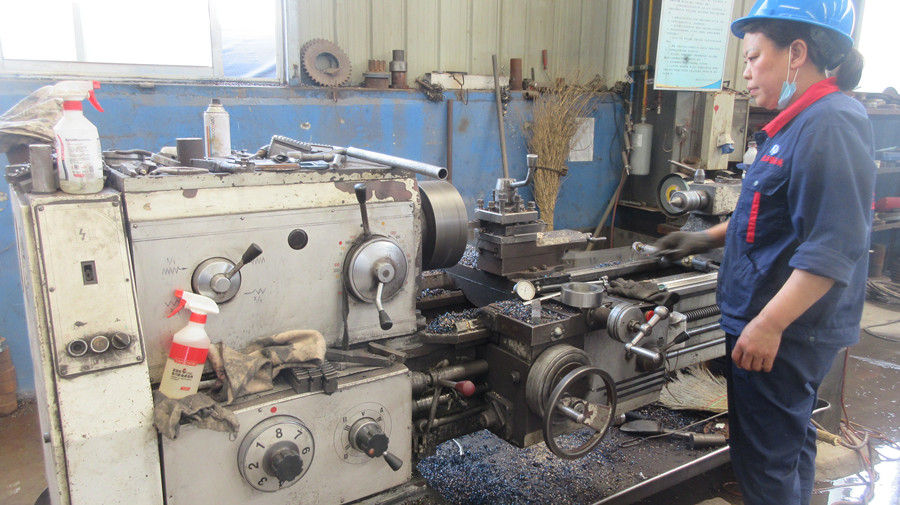
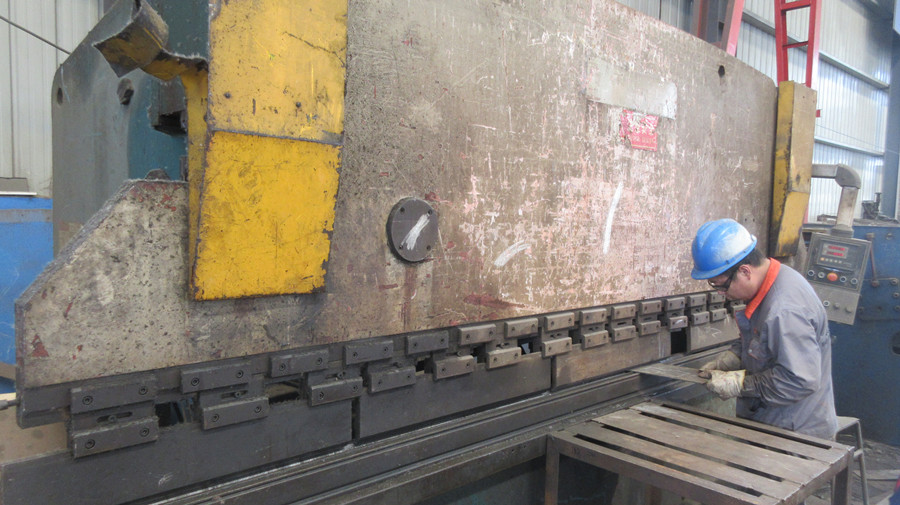
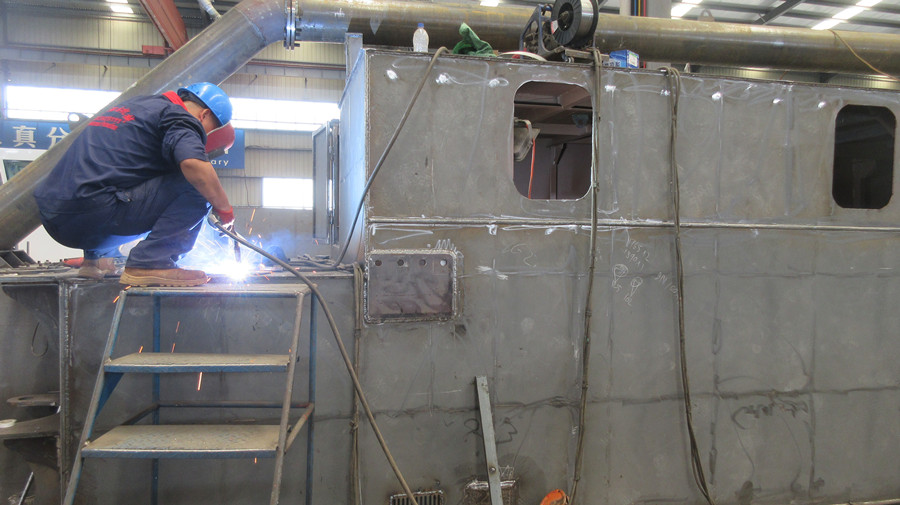
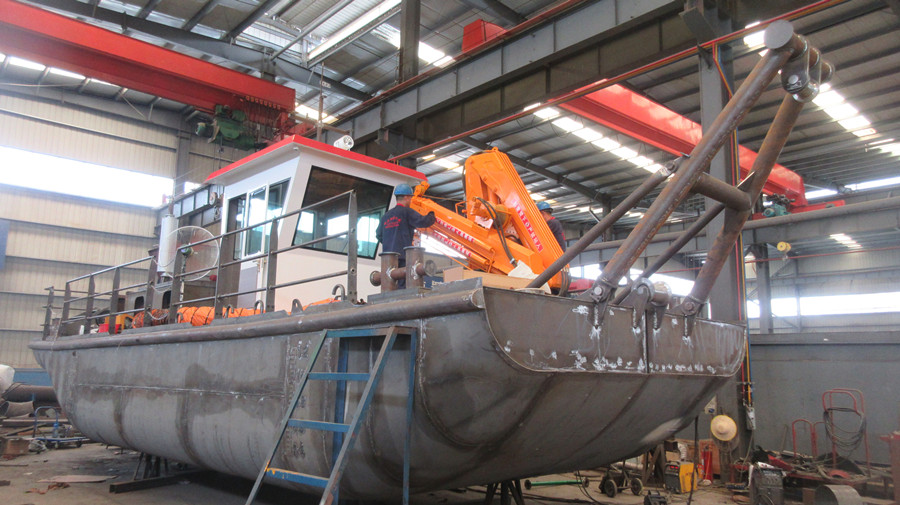
Guangdong Changi Logistics Co., Ltd. is not merely a freight broker; we are direct equipment manufacturers and supply chain managers. By designing and engineering critical transit equipment, we achieve complete quality control and cost mitigation.
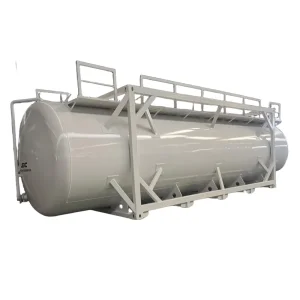
Established in 2018, Guangdong Changi Logistics Co., Ltd. has evolved from a traditional freight forwarding provider into a full-scale, technology-powered international supply chain builder. We design, manufacture, and orchestrate complex logistics solutions connecting East Asia, Southeast Asia, and Europe. By integrating intelligent logistics management software, real-time IoT tracking, and manufacturing heavy-duty intermodal equipment (such as swap tanks, double semi-trailers, and cargo-securing systems), we ensure our global partners face minimal transit friction.
Our core services encompass comprehensive international sea freight, air freight, rail transport, warehousing, customs brokerage, and door-to-door (DDU/DDP) project cargo management. Our vision is to pioneer a smarter, greener, and more resilient global logistics network, optimizing international trade lanes for sustainable corporate growth.
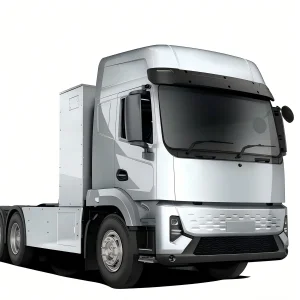
Governments across Southeast Asia are enforcing strict carbon limits on commercial transport. In Bangkok, the transition to green cargo logistics is highly evident with the deployment of electric fleets. Implementing 49-ton pure electric trailer tractors at dry ports reduces operations emissions while insulating manufacturers from localized fuel tax fluctuations.
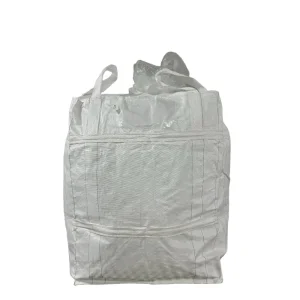
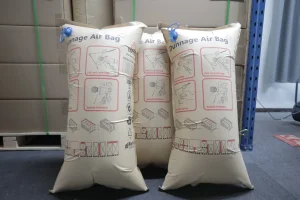
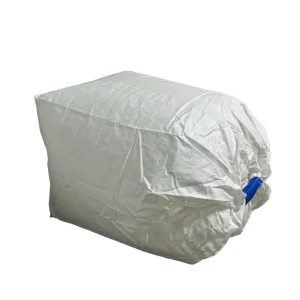
Additionally, modern supply chains require certified dunnage protection systems and robust packaging containers to minimize physical damage. Our high-durability inflatable shockproof dunnage bags and specialized double-stitched bulk bags guarantee heavy payloads survive high-acceleration railway movements and rapid ocean freight transshipments without loss of integrity.
The practical applications of our intermodal machinery and freight services span across several major industrial clusters in Thailand:
Select from our specialized hardware and international cross-border cargo services to streamline your operations between China, Thailand, and global destinations.
Find answers to technical queries regarding intermodal transit capacities, routes, custom equipment, and import-export protocols for the Bangkok regional sector.
Intermodal transportation refers to shipping cargo using multiple modes of transport (e.g., rail, barge, and road truck) where each leg of the journey operates under a separate contract and carrier bill of lading. Multimodal transportation, conversely, utilizes multiple modes of transport but functions under a single unified contract and a single Multimodal Bill of Lading (MBL) managed by a sole logistics partner like Guangdong Changi Logistics. The latter minimizes administrative friction for importers located in Bangkok and the surrounding industrial zones.
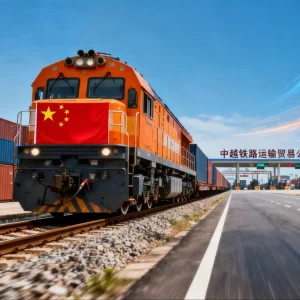
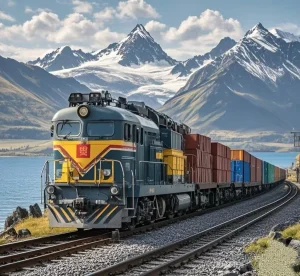
The China-Laos-Thailand rail route offers a significant transit speed advantage over ocean freight. Shipping from factories in inland South China to the Lat Krabang ICD terminal in Bangkok via rail takes approximately 5 to 7 days, whereas ocean transit can take between 12 to 18 days depending on port congestion at Shanghai, Shenzhen, and Laem Chabang. Rail intermodal transit provides a predictable schedule and acts as a buffer against marine shipping line capacity constraints.
Yes. As equipment manufacturers, we fabricate custom 20FT ISO swap tank containers and UN-certified FIBC bulk bags designed specifically for dangerous goods, hazardous chemicals, and high-density powder materials. We employ double-stitching, conductive materials (Type C/D bulk bags), and specialized lining systems to comply with hazardous shipping regulations at both departure and destination ports.
We operate dedicated customs brokerage divisions at Laem Chabang Port, Bangkok Port (Klong Toey), and the Lat Krabang Inland Container Depot (ICD). We handle import declarations, duty calculations under regional trade agreements (like the ASEAN-China Free Trade Agreement - Form E), and local clearance formalities to guarantee rapid transshipment of your goods without storage penalties.
 Changi Logistics