Optimized transit networks and heavy-duty assets designed to connect Kansai industrial hubs with global maritime and overland trade lanes.
As the economic powerhouse of Western Japan, the Kansai region—with Osaka at its core—represents a critical hub for heavy machinery, chemical processing, electronic components, and automotive manufacturing. The Port of Osaka, integrated seamlessly with the Port of Kobe under the Hanshin Port super-hub structure, serves as the primary maritime gateway. However, local supply chains face a pivotal historical transition: the "2024 Logistics Problem". With new regulatory caps on truck driver overtime hours taking effect in Japan, traditional long-haul road haulage is facing severe capacity constraints and rising costs.
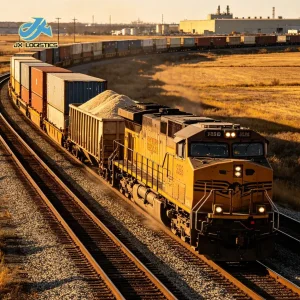
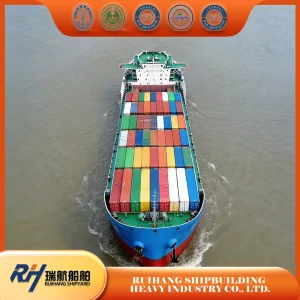
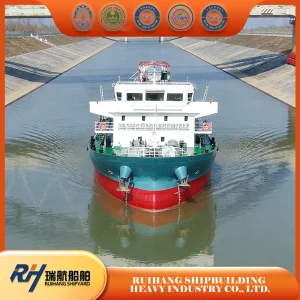
To sustain manufacturing throughput, industrial enterprises in Osaka are rapidly shifting toward intermodal and multimodal freight architectures. The transition from pure road transit to a coordinated mix of coastal shipping (using inland container ships along the Yodo River and Seto Inland Sea) and railway transportation (utilizing the JR Freight network) has evolved from a sustainability option into a core operational necessity. This structural change demands robust packaging solutions, reliable transshipment equipment, and standardized intermodal assets that meet rigorous Japanese Industrial Standards (JIS) while ensuring minimal environmental impact.
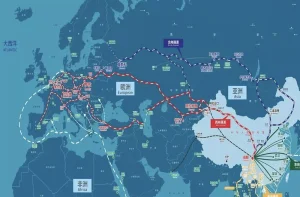
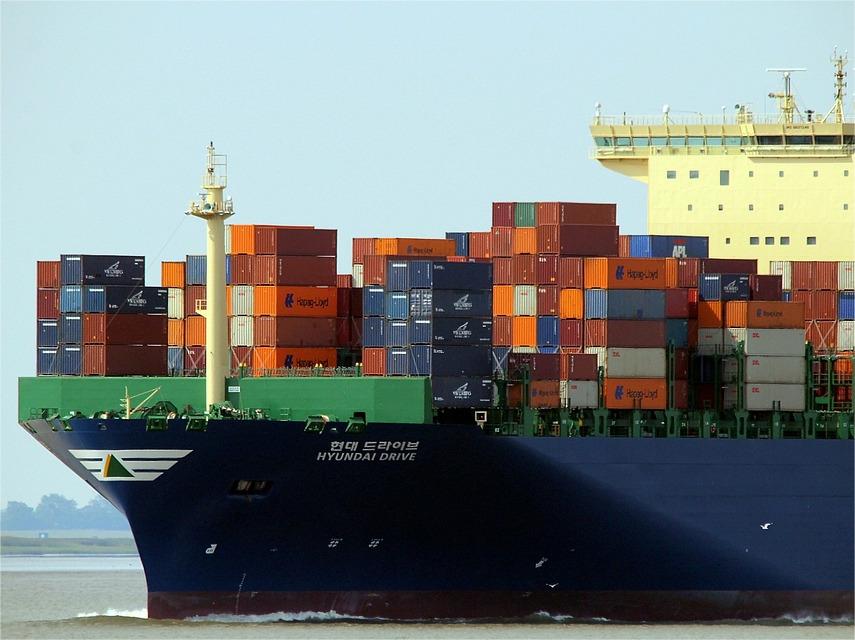
Furthermore, Osaka’s geographical proximity to other East Asian manufacturing hubs makes it a strategic terminus for sea-rail corridors originating from Shenzhen, Shanghai, and Shantou. By utilizing specialized heavy-load shipping equipment, bulk bags, swap tanks, and green tractor units, multinational enterprises operating in Osaka can streamline transshipment times at container terminals such as Sakishima and Yumeshima, avoiding demurrage penalties and localized bottlenecking.
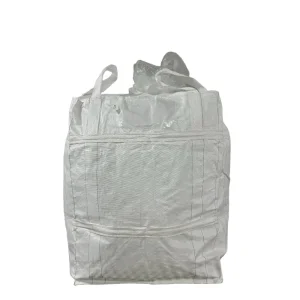
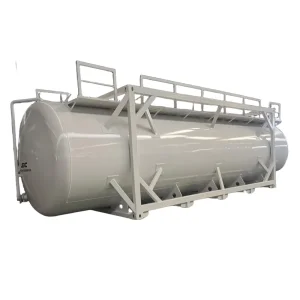
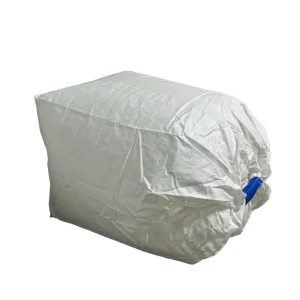
Procurement teams representing global manufacturers in Osaka require more than standard logistics capacity; they require high-durability transit hardware and high-efficiency logistics orchestration. For projects involving bulk chemical transport, infrastructure materials, or precision electronics, procurement demands center on structural reliability, shock mitigation, and specialized container systems. Standardized dry-bulk shipping requires UN-certified, heavy-duty FIBC (Flexible Intermediate Bulk Container) bags capable of handling high-abrasion raw materials, while specialized powder logistics demands swap tank containers engineered to withstand multiple intermodal lifting operations without pressure loss or structure fatigue.
To address these multi-layered needs, we deliver macro-logistics solutions that couple equipment manufacturing with freight forwarding services:
Direct alignment with Japanese Import Customs procedures (NACCS system), ensuring that all sea-rail imports from China-Europe corridors pass strict terminal inspections without delays.
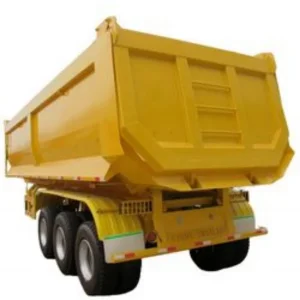
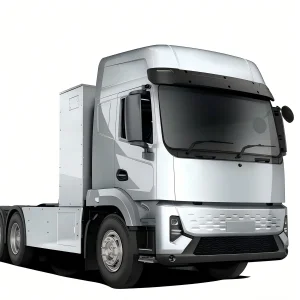
Supply of high-strength double semi-trailers and pure electric 49-ton tractor units, designed specifically to operate within the strict axle-load guidelines of Osaka's urban highways.
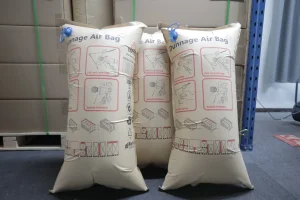
Integrating certified shockproof inflatable dunnage bags into containerized rail cargoes, neutralizing the dynamic forces experienced during shunting and marine transit.
A comprehensive logistics and equipment integration leader delivering advanced global supply chain answers since 2018.
Guangdong Changi Logistics Co., Ltd. is a comprehensive logistics enterprise established in 2018, specializing in international freight forwarding and integrated supply chain solutions. The company is committed to providing efficient, reliable, and customized logistics services for global trade and cross-border e-commerce clients.
Our core services include international sea freight, air freight, rail transportation, multimodal transport, warehousing, customs clearance, and end-to-end supply chain management. With a strong global agency network and advanced digital logistics systems, we deliver cost-effective and time-efficient solutions to customers across various industries.
Guangdong Changi Logistics Co., Ltd. was founded in response to rapid global trade expansion and the surge of cross-border e-commerce, offering core regional freight forwarding.
Expanded into intelligent multimodal routing systems, integrating real-time GPS/IoT container tracking to increase shipment transparency and end-route reliability.
Established custom transit asset pipelines, integrating production solutions like heavy-duty FIBCs, dunnage bags, and electric transit vehicles to serve heavy manufacturing sectors.
Evolved into a leading global supply chain partner, developing tailored green freight options targeting emission-conscious Japanese industrial hubs like Osaka.
Our Vision: To become a leading global logistics and supply chain partner, driven by innovation and powered by technology. We aim to build a smarter, greener, and more efficient global logistics network that enables seamless international trade and sustainable business growth for our clients.
Our Mission: At Guangdong Changi Logistics Co., Ltd., we are committed to delivering long-term value to our clients through innovative logistics solutions and professional service excellence. Our mission is to:
We believe logistics is more than transportation—it is the foundation that connects global commerce and drives business success.
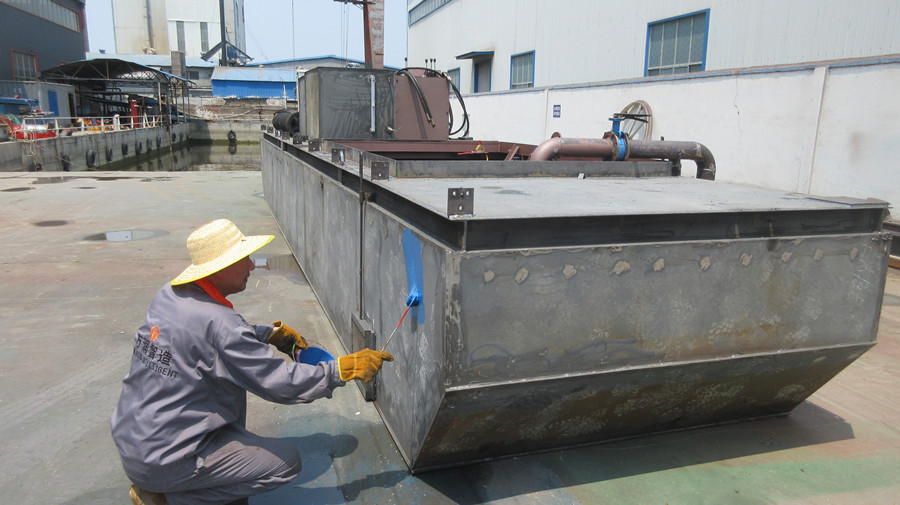
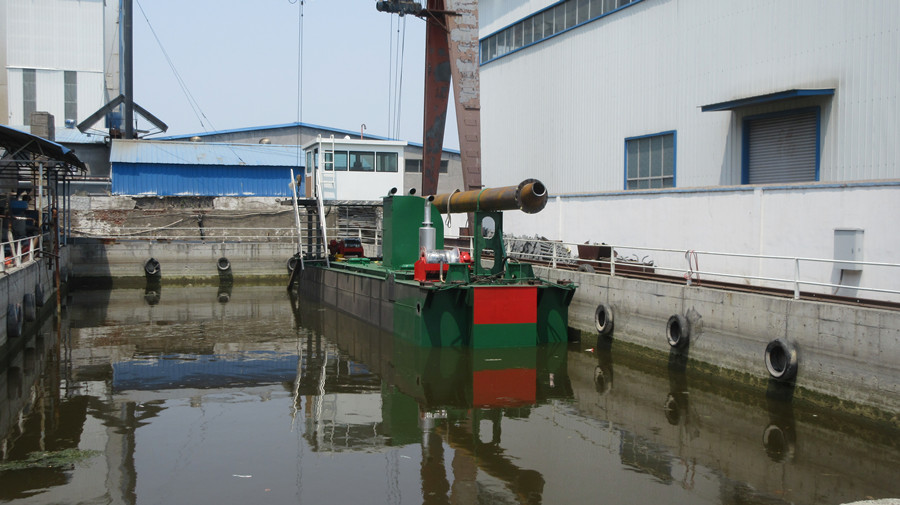
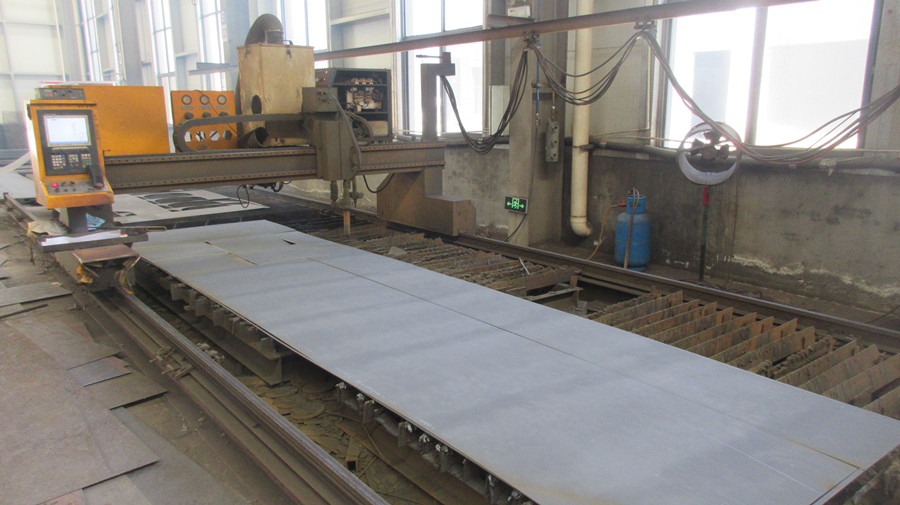
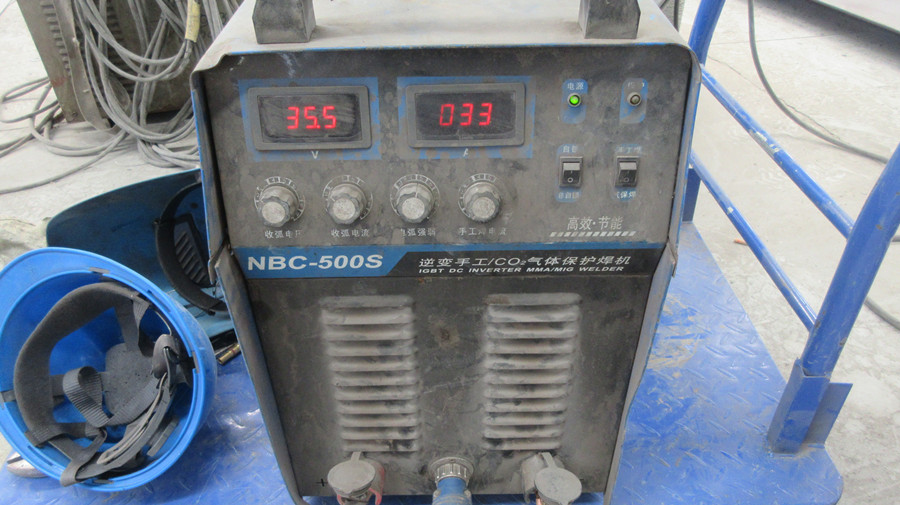
Underpinning our hardware reliability through high-precision machining, systematic structural checking, and performance testing.
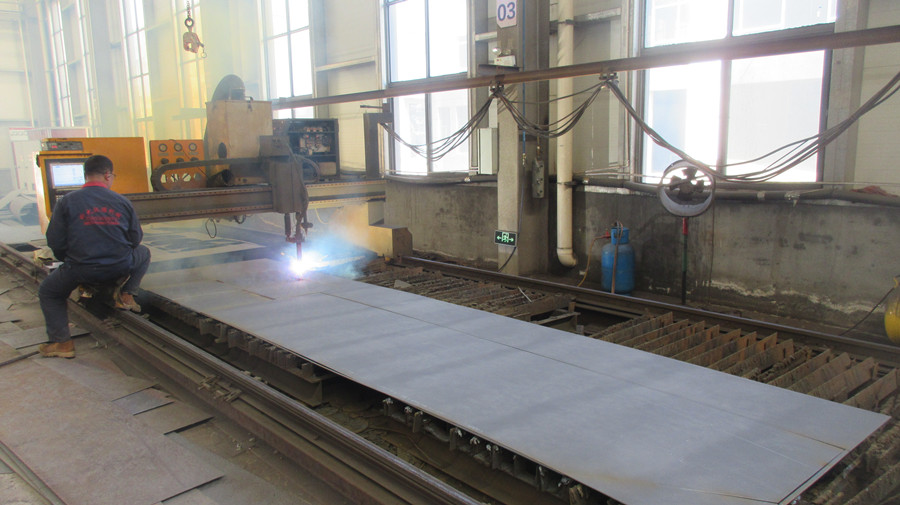
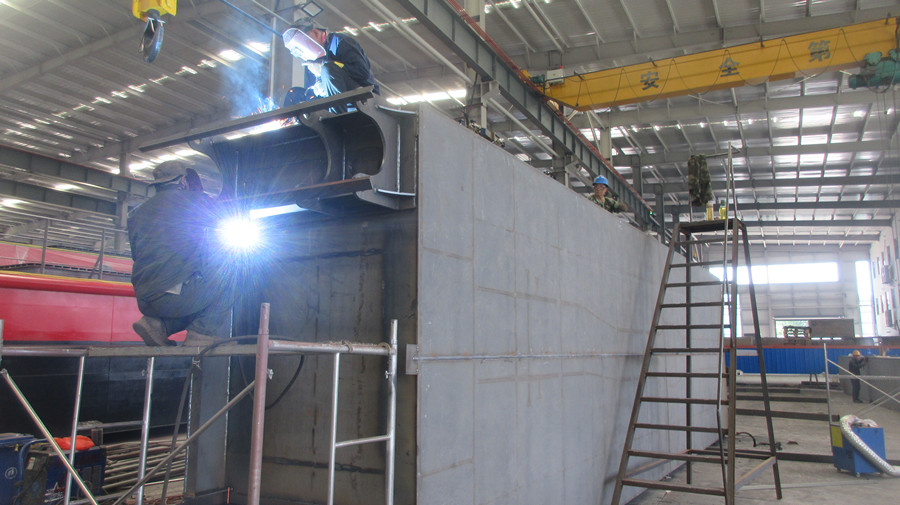
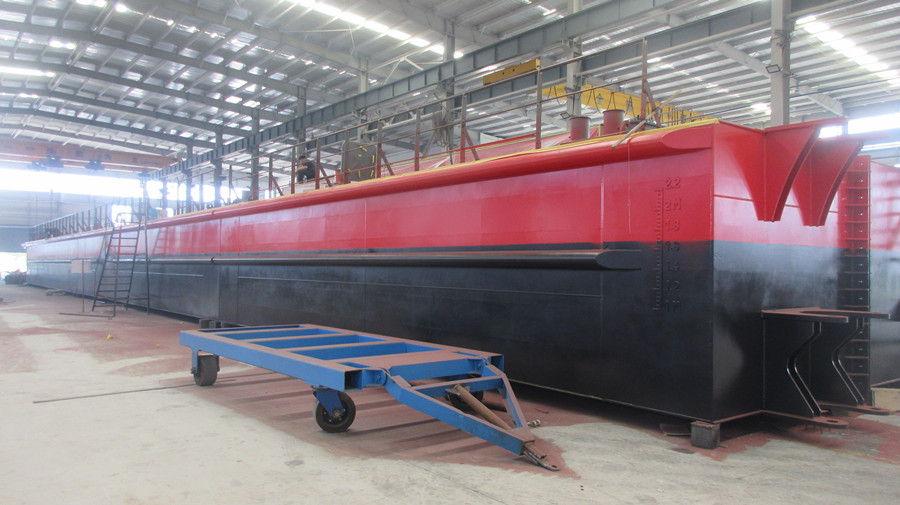
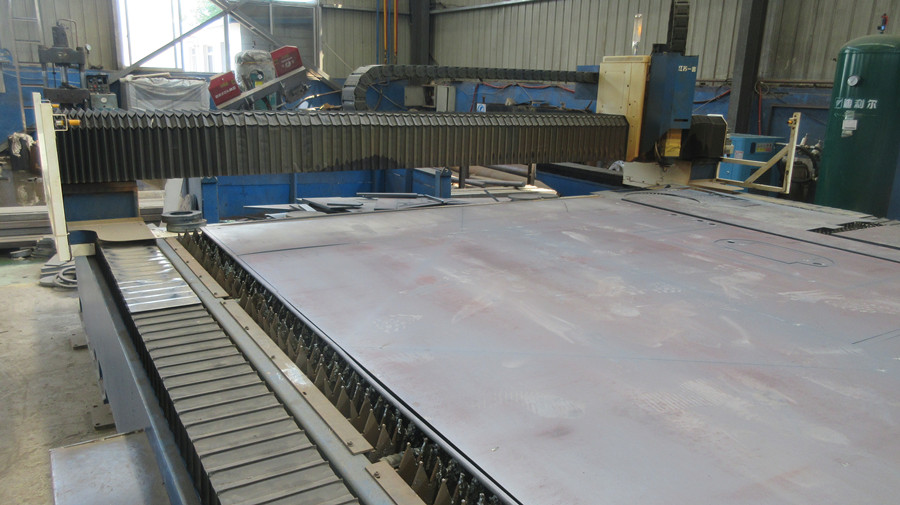
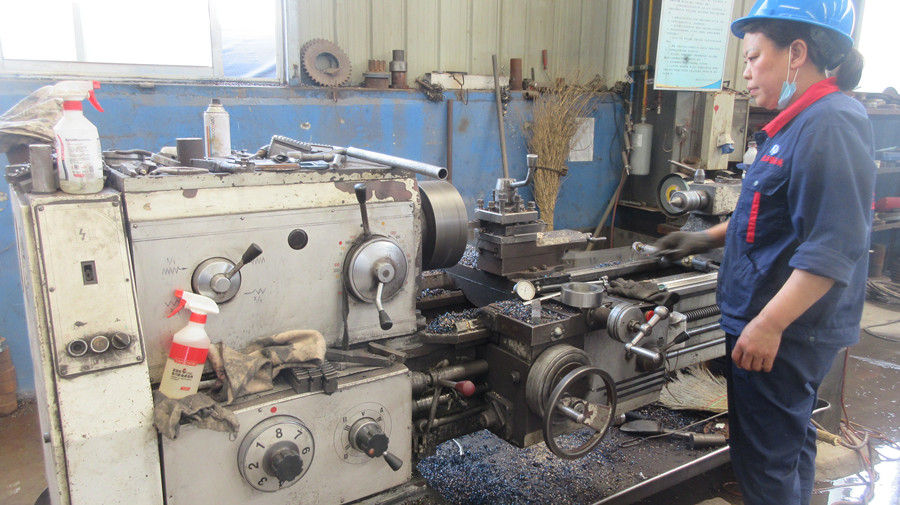
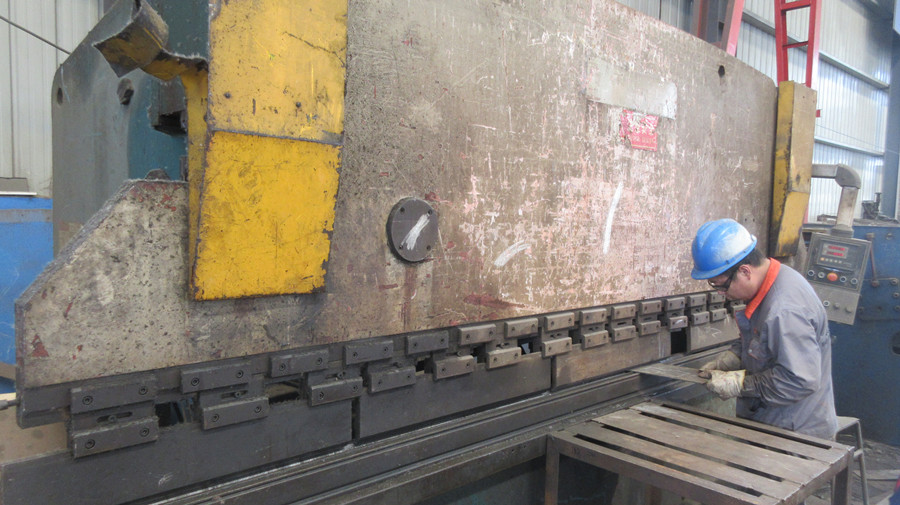
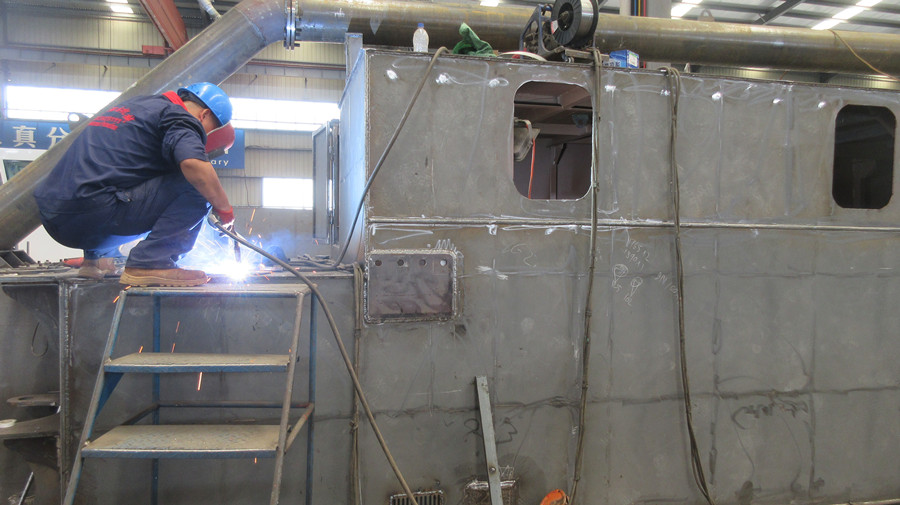
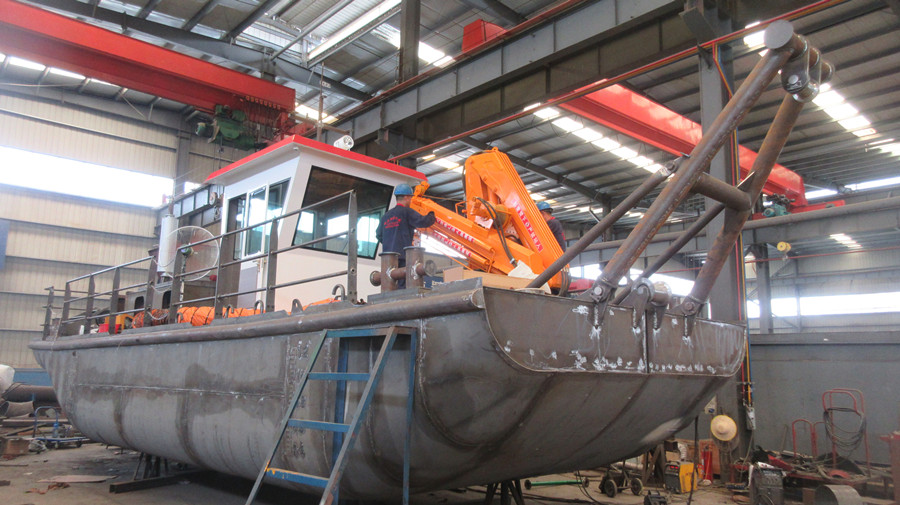
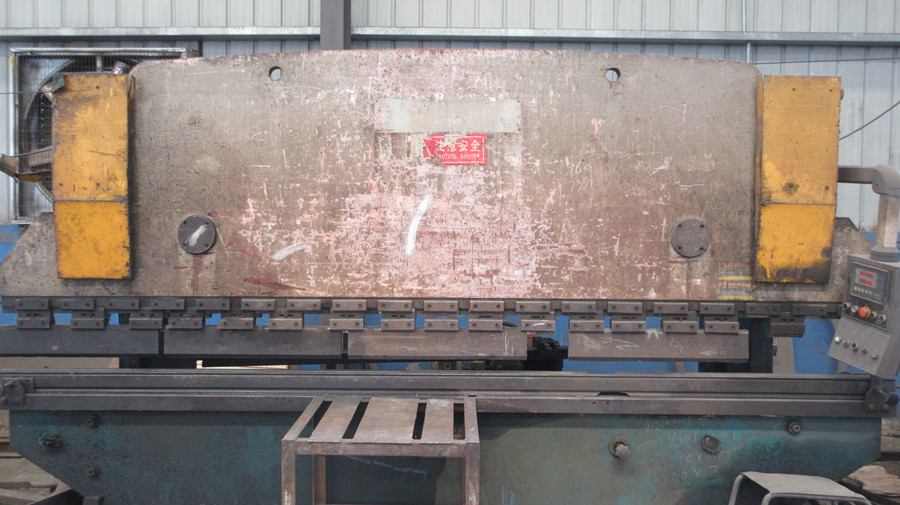
Operating within the regulatory boundaries of Japan's Ministry of Land, Infrastructure, Transport and Tourism (MLIT) requires rigorous validation of all transport equipment. To support the modern modal shift without risk, we design our heavy shipping components according to specific Japanese environmental and safety paradigms:
1. Decarbonized Port Drayage: The adoption of 49-ton pure electric trailer tractors addresses local emissions regulations at Osaka Bay port zones. Integrated battery thermal management systems allow these tractors to handle high-frequency transshipment shifts even during high summer temperatures, reducing regional air pollution.
2. Structural Integrity & Multi-axis Safety: The double semi-trailers used for port operations are engineered to prevent lateral tipping and minimize turning radii in tight container yards. High-tensile steel construction limits empty weight while maximizing load carrying efficiency.
3. Dangerous Goods & Powder Logistics: Cement powder swap containers and FIBC bags designed for hazardous materials comply with UN and IMDG maritime safety requirements. The double-stitch structure on all heavy-duty bags prevents powder dispersion, protecting ground crews and the natural ecosystem of coastal Japan.
Highly durable containers, transport trucks, and safety materials supporting high-frequency transshipments.
Detailed answers explaining regulatory guidelines, shipping routes, and equipment parameters.
 Changi Logistics