High-performance logistics equipment and end-to-end transport systems tailored for transloading routing worldwide.
Driving logistics agility, modal shift economies, and global manufacturing supply chain resilience.
Transloading is the process of transferring a shipment from one mode of transportation to another (e.g., from ocean container to railcar, or railcar to flatbed truck). In the international supply chain, transloading acts as the vital linkage point that enables shippers to consolidate cargo near major marine terminals, optimize inland routing, and bypass costly demurrage and detention charges. Unlike direct ocean shipping, transloading allows shippers to empty ocean containers immediately upon port arrival, avoiding per-diem fees and returning high-value shipping equipment back to marine carriers without delay.
By leveraging customized cargo locking mechanisms, heavy-duty trailers, and specialized terminal machinery, modern transloading factories inside China ensure that heavy machinery, consumer packaged goods (CPG), and industrial equipment are transloaded safely. The process minimizes transit damage while reducing overall container usage through spatial optimization—such as consolidating three 40-foot ocean containers into two 53-foot domestic trailers once they reach key port hubs.
Guangdong Changi Logistics Co., Ltd. brings years of hands-on expertise to the table. Our insights are built upon managing hundreds of thousands of TEUs across critical global shipping routes. Through close collaboration with global ports, inland rail terminals, and heavy-duty chassis fabricators, we continuously push the boundaries of transloading safety and performance.
This comprehensive guide details the technical routes, localized applications, and supply chain frameworks necessary to maximize cost efficiency. Through intelligent layout designs, heavy-duty machinery utilization, and precise terminal management, we help global buyers, engineering managers, and procurement officers integrate robust transloading schemes into their international distribution workflows.
Explore the heritage, operational philosophy, and core objectives of Guangdong Changi Logistics Co., Ltd.
Guangdong Changi Logistics Co., Ltd. is a comprehensive logistics enterprise established in 2018, specializing in international freight forwarding and integrated supply chain solutions. The company is committed to providing efficient, reliable, and customized logistics services for global trade and cross-border e-commerce clients.
Our core services include international sea freight, air freight, rail transportation, multimodal transport, warehousing, customs clearance, and end-to-end supply chain management. With a strong global agency network and advanced digital logistics systems, we deliver cost-effective and time-efficient solutions to customers across various industries.
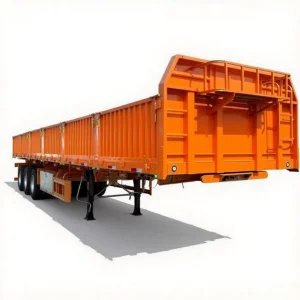
By connecting advanced heavy-duty trailer fleets, custom container locking systems, and cross-docking facilities, we bridge the gap between factory floors in China and global consumption centers.
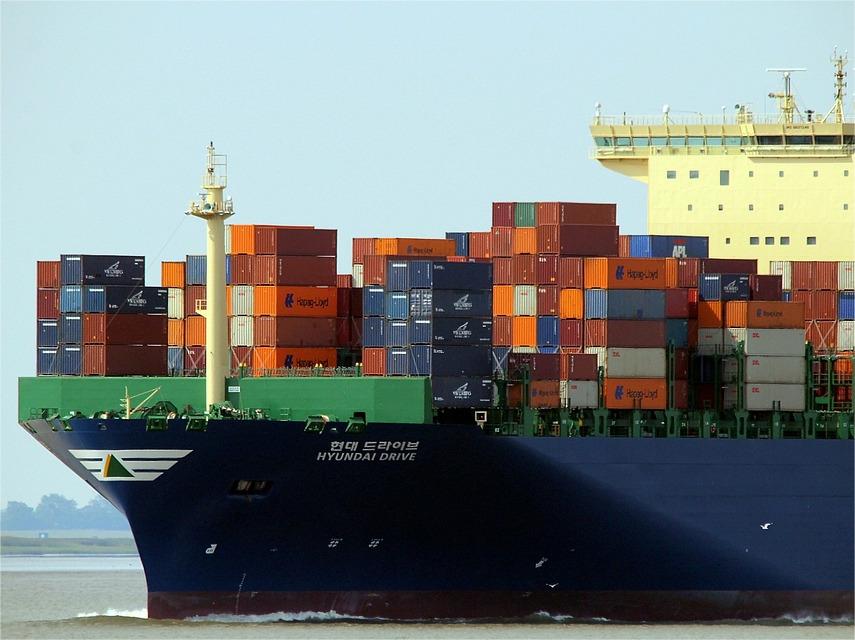
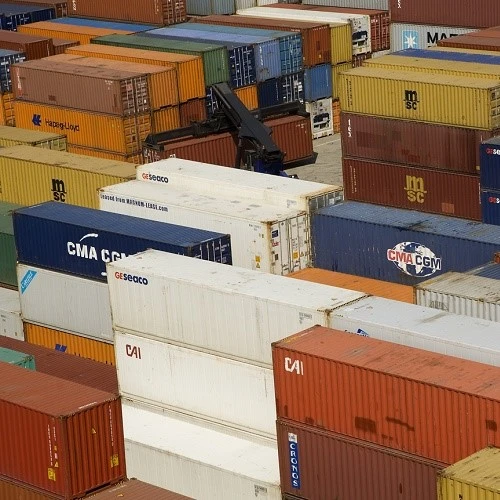
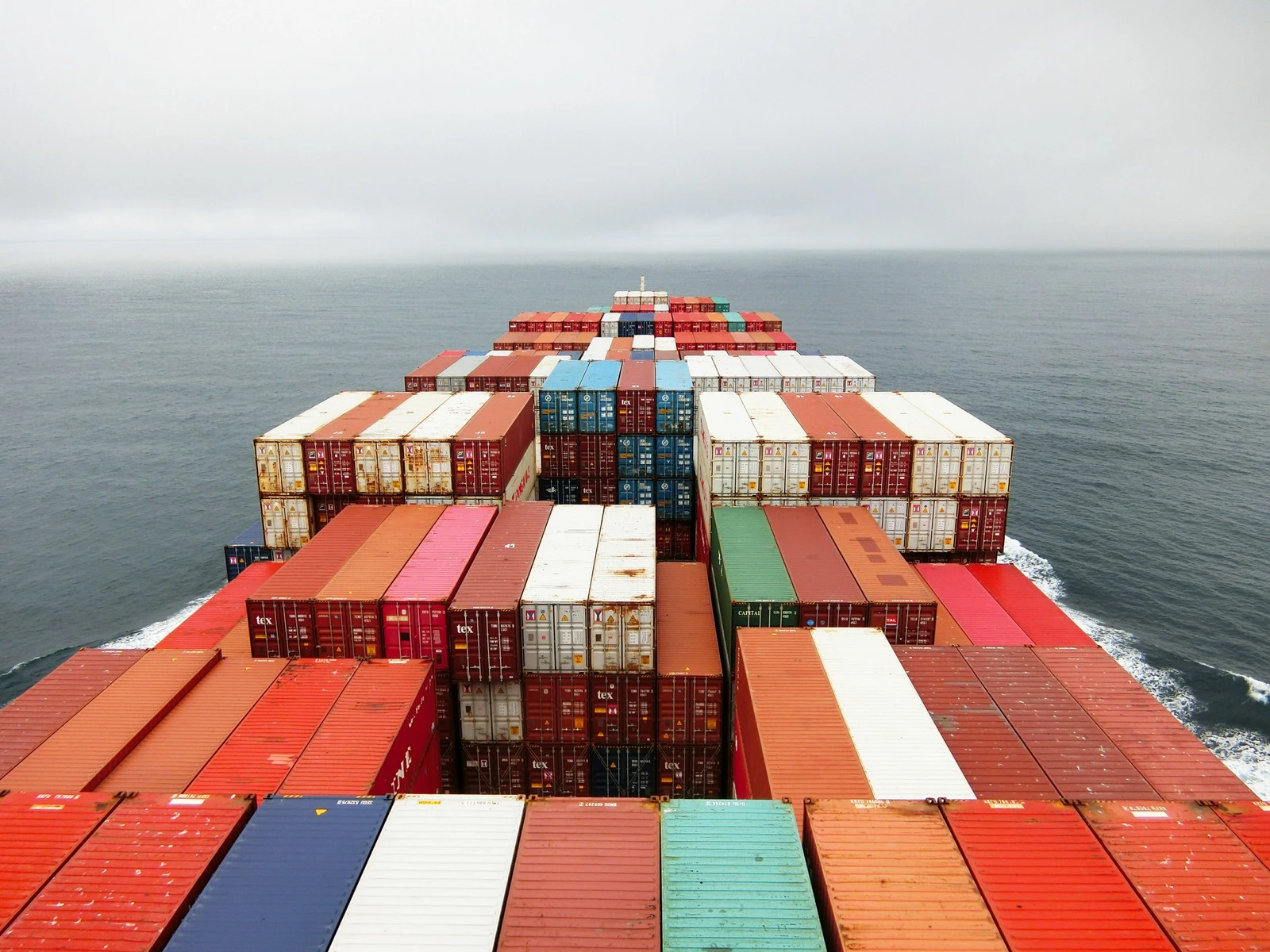
Our vision is to become a leading global logistics and supply chain partner, driven by innovation and powered by technology. We aim to build a smarter, greener, and more efficient global logistics network that enables seamless international trade and sustainable business growth for our clients.
How structural shifts in macro-logistics drive the global demand for specialized transloading operations.
In the wake of shifting global trade lanes and the concentration of high-volume manufacturing inside East Asia, logistics managers face a complex array of challenges: container availability imbalances, port dwell times, and soaring inland intermodal rates. Transloading has emerged as the premier strategy to counter these bottlenecks. By immediately unloading ocean shipments at coastal gateways into domestic distribution equipment (like 53ft dry vans, flatbed trailers, or regional rail networks), corporations can reduce container cycle times and return leased empty containers to carriers before costly demurrage penalties kick in.
Furthermore, transloading supports a "postponement strategy." Shipments arriving from factories in China can be held in customs-bonded transloading warehouses, sorted, and routed to specific regional fulfillment centers based on real-time sales demands. This approach eliminates the need to ship fixed containers deep inland to regions where demand may have shifted, providing significant cost savings and agility.
| Logistics Category | Direct Intermodal Shipping | Optimized Transloading Services | Efficiency Delta |
|---|---|---|---|
| Ocean Container Return | Shipped deep inland; subject to 15-30 days per-diem fees. | Returned at port limits within 48 hours. | 90% Reduction in Demurrage Risk |
| Spatial Optimization | Fixed volume inside 40ft international standard containers. | Consolidation (e.g., three 40ft containers into two 53ft vans). | Up to 33% Line-Haul Cost Savings |
| Inventory Postponement | Fixed routing directly to designated warehouse destination. | Dynamic distribution from port-proximate transload yards. | Highly Responsive Last-Mile Routing |
| Equipment Customization | Standard ISO chassis limits heavy and oversized cargoes. | Specialized trailers (custom lock transfer systems, heavy duty rigs). | Allows Overweight/Special Cargo Transloads |
The engineering and manufacturing foundation behind modern transloading trailers, lock mechanisms, and logistics equipment.
China's logistics equipment manufacturing sector leads the industry, utilizing advanced automation, robotics, and metallurgy to produce high-durability intermodal tools. Our factory operations leverage precision robotic welding, automated laser cutting, and stress-testing equipment to ensure that semi-trailers, cargo container lock transfer systems, and heavy-duty chassis withstand years of high-stress transloading cycles.
Key strengths of our manufacturing infrastructure include:
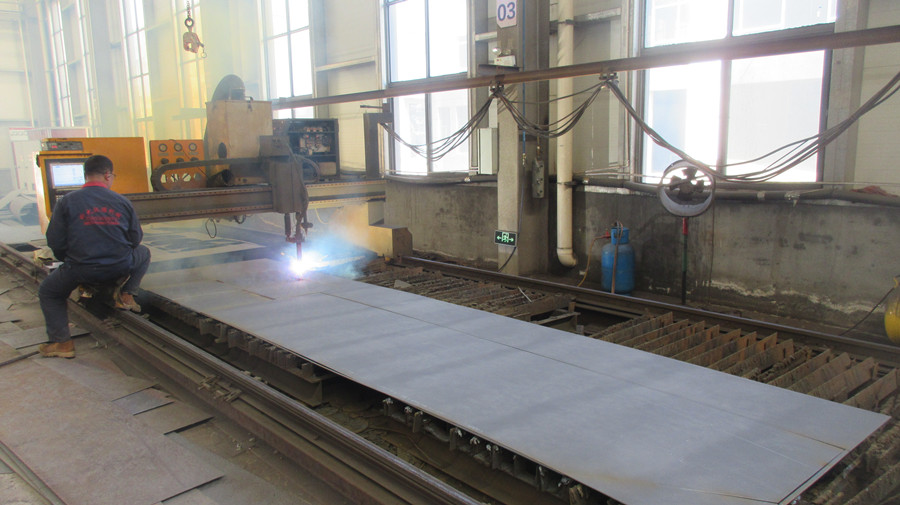
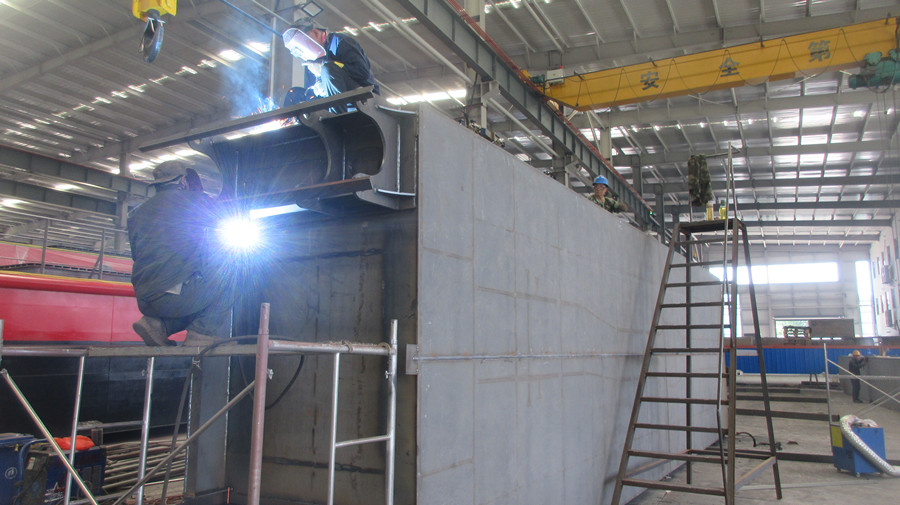
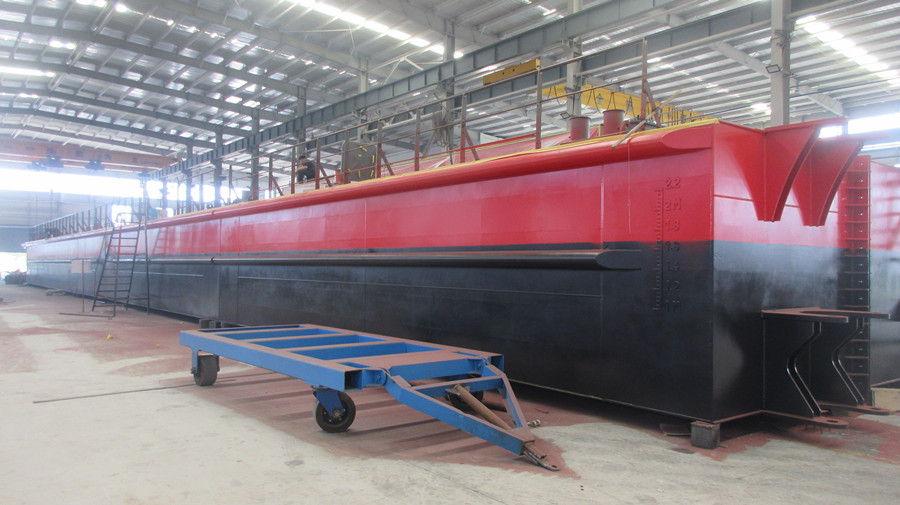
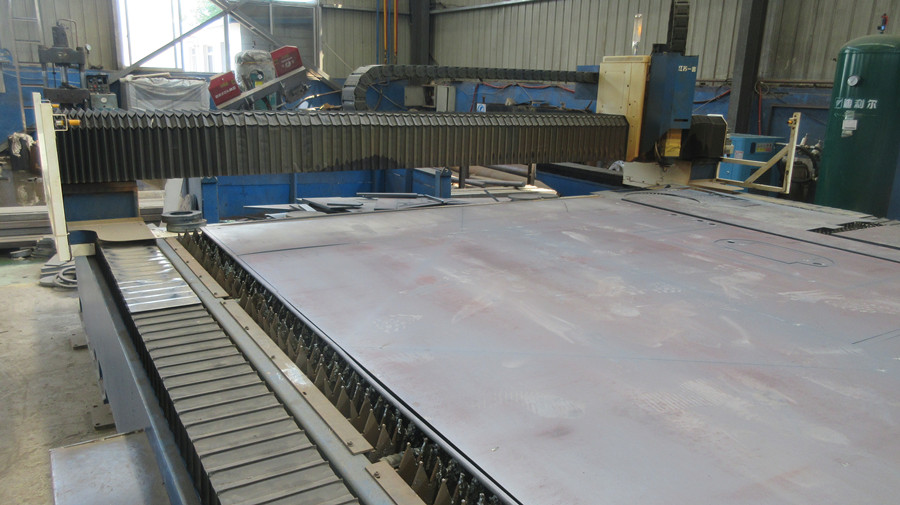
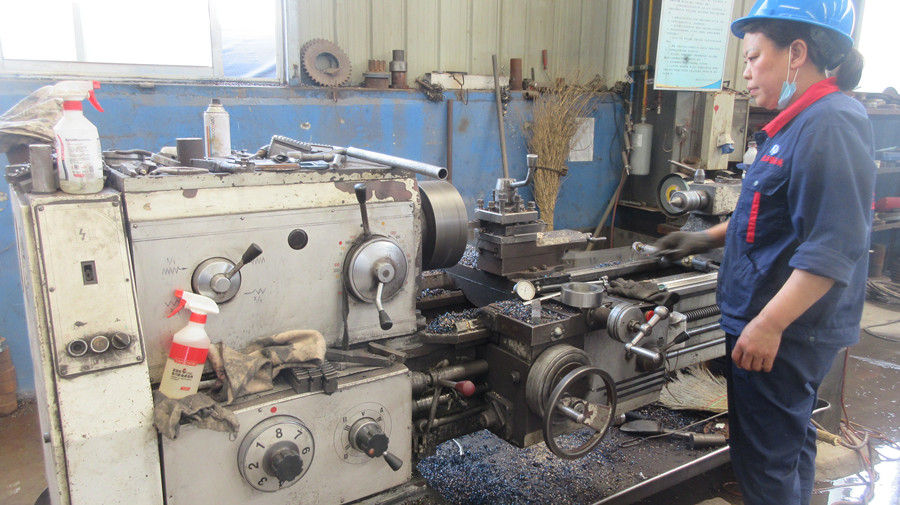
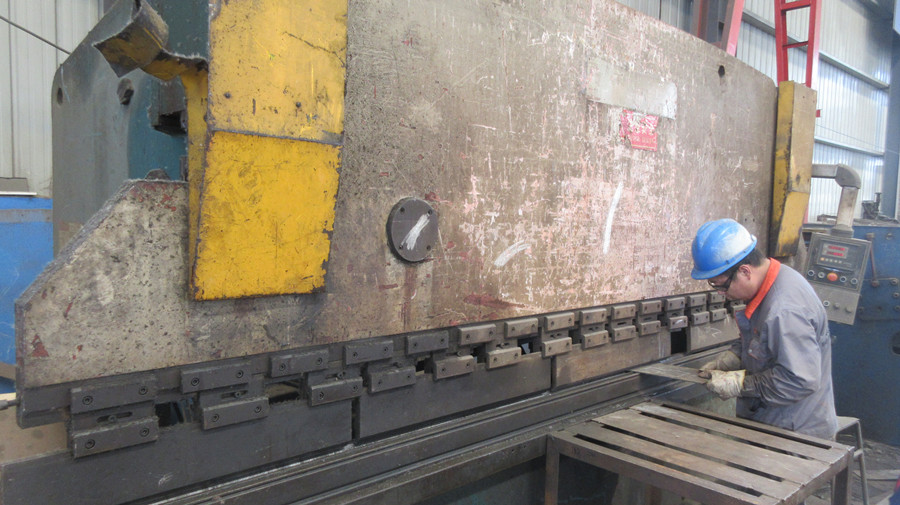
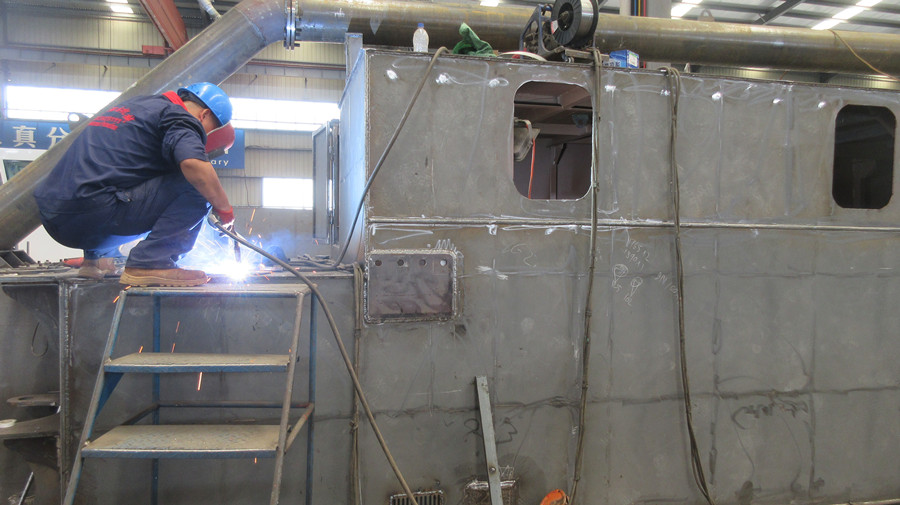
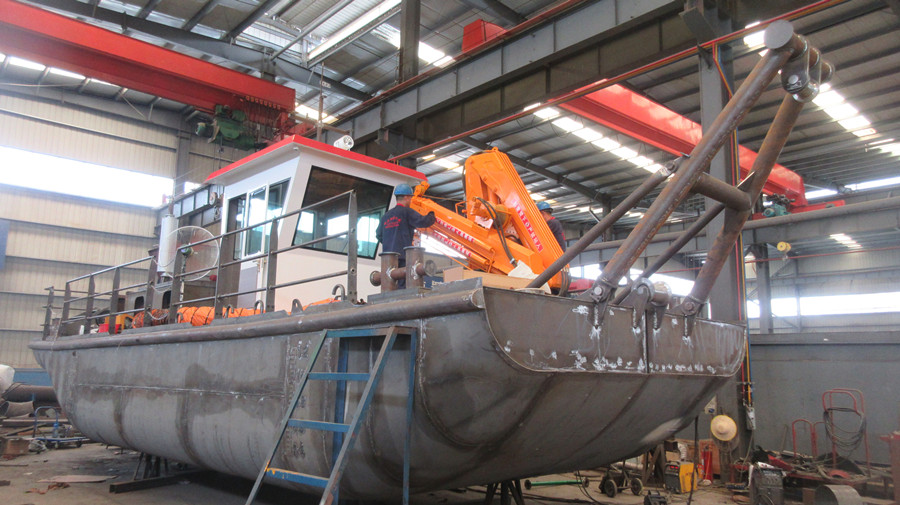
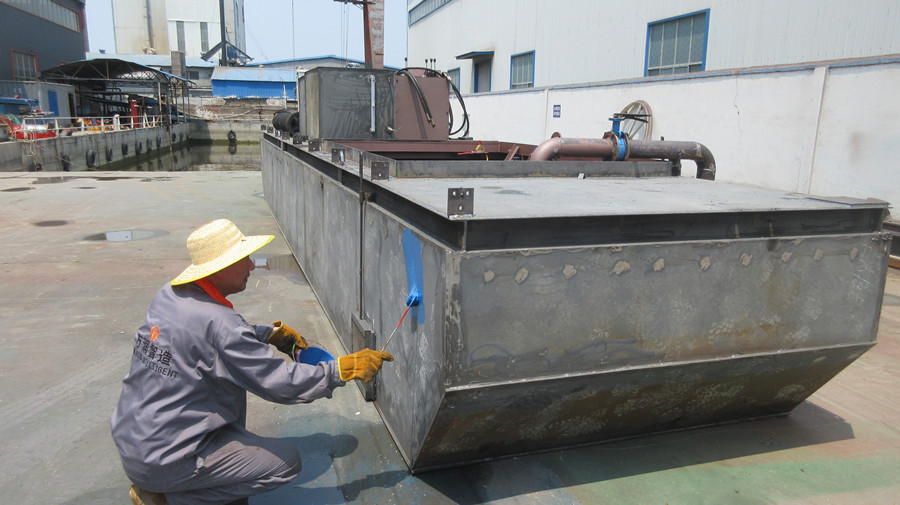
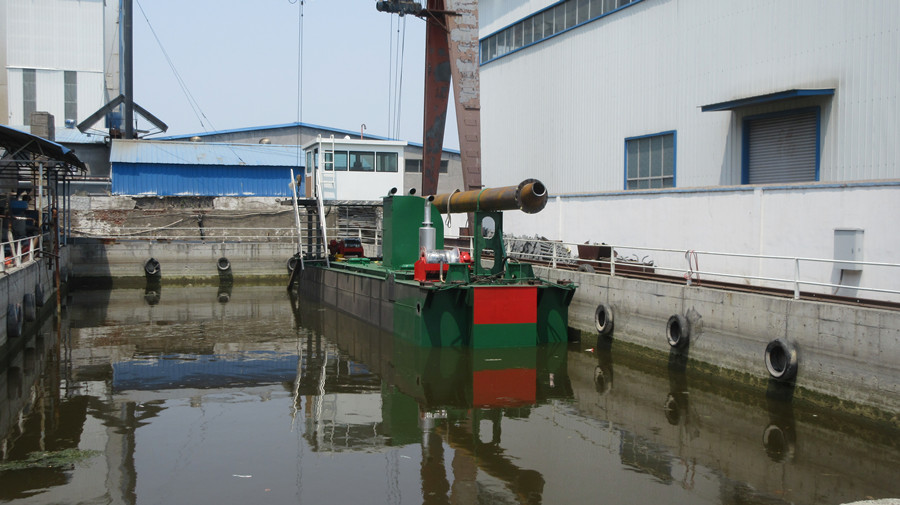
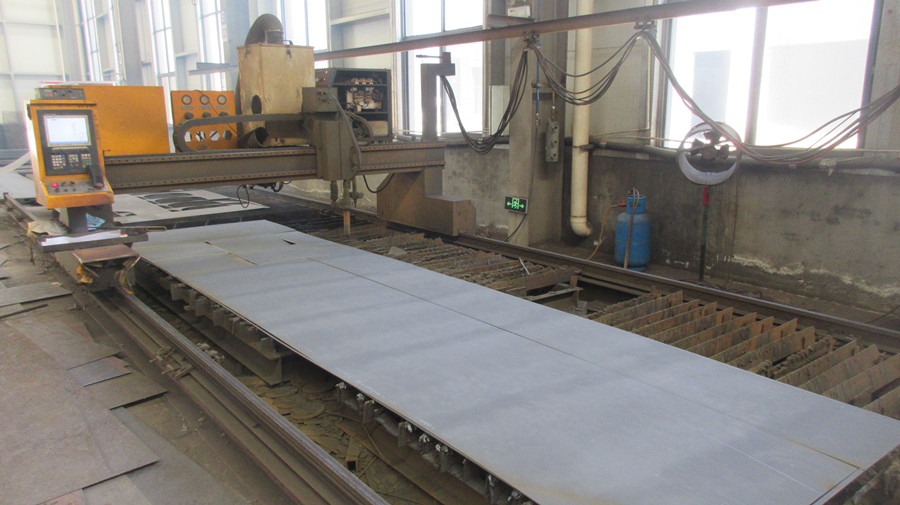
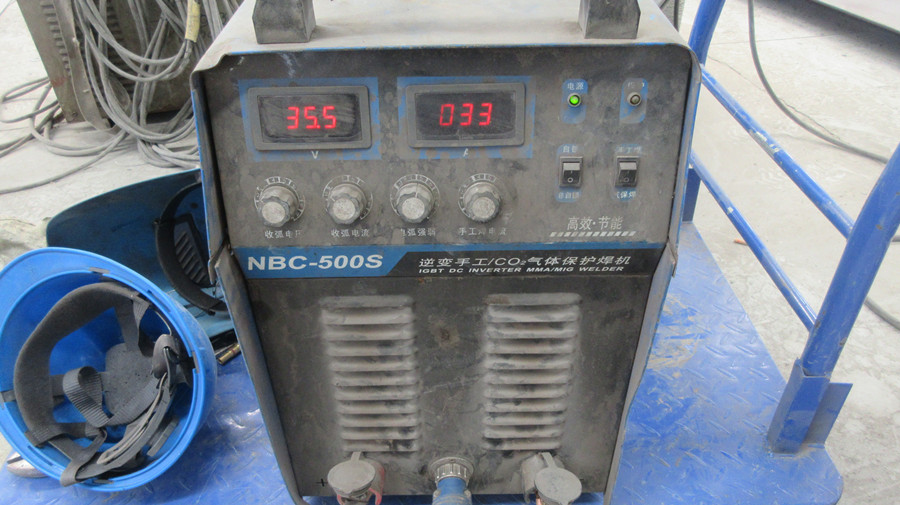
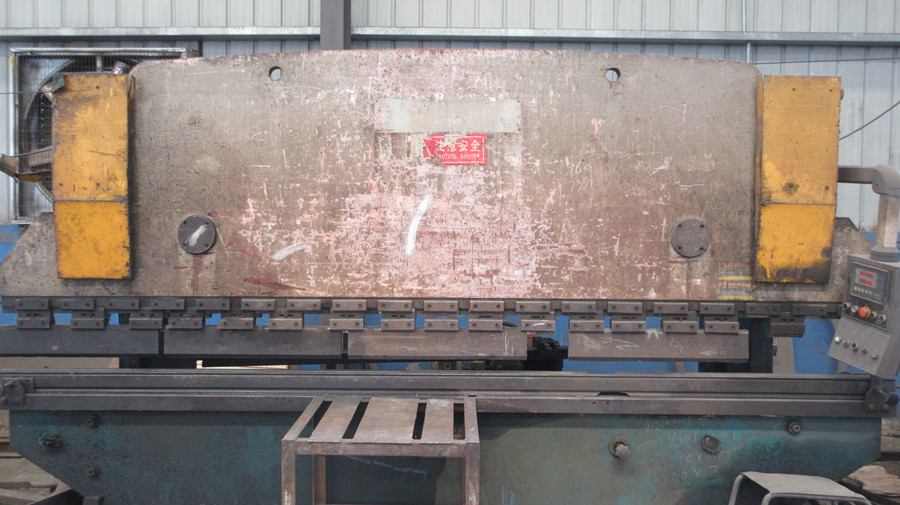
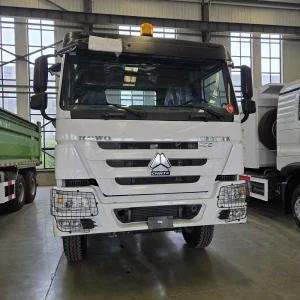
Every piece of freight machinery we manufacture undergoes structural static load tests, weld ultrasonic flaw detection, and anti-corrosion spray evaluations. This guarantees that whether you are operating a fleet of heavy-duty diesel tractors or managing cold chain reefers, the equipment will perform reliably under demanding global transport conditions.
A look at the smart technologies, material sciences, and future systems driving next-generation transloading terminals.
Modern transloading requires real-time cargo tracking. By installing GPS sensors and Bluetooth-enabled smart locks on container door seals and chassis locks, logistics managers monitor real-time location, door status, and shock alerts during intermodal transfers.
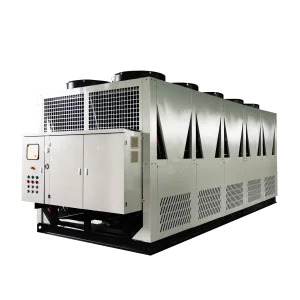
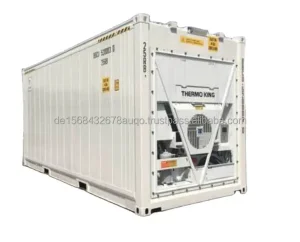
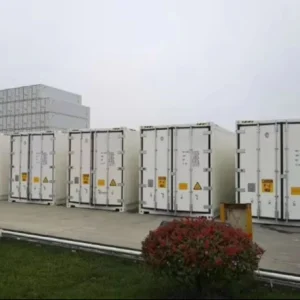
Temperature-controlled transloading demands seamless workflows. Using advanced glycol chiller systems and 40ft/20ft Reefer containers with built-in remote temperature monitoring, fresh and frozen foods are protected from spoilage during trailer transfers.
To comply with strict road weight regulations in Europe and North America, trailer manufacturers are redesigning frames. By using high-yield alloys and optimizing load master chassis structural geometry, dead weight is reduced while payload capacity is increased.
Over the next decade, the transloading industry is expected to transition toward zero-emission yard tractors and automated guided vehicles (AGVs) for container movement within ports. By integrating automated optical character recognition (OCR) and machine learning algorithms, terminal gates can scan arriving containers, verify lock status, and allocate optimized transload bays with minimal human intervention. This shift will reduce container processing times from hours to minutes, establishing a highly integrated, green supply chain network.
Real-world case studies demonstrating transloading efficiency across major global trade lanes.
To avoid severe port congestion and heavy demurrage at LA/Long Beach, imports are moved to near-dock transloading facilities. Cargo from three 40ft ocean containers is consolidated into two 53ft domestic trailers, then routed via rail to Midwestern logistics hubs, reducing line-haul costs by 28%.
Consignments arriving at Dammam or Jeddah are decanted at local cross-docks, processed through express customs pipelines, and dispatched via regional tractor fleets (utilizing DHL/UPS networks) directly to residential and commercial sectors across Riyadh, cutting transit time by 4 days.
For cargo destined for landlocked Bolivia, shipments are received at Chile's ports (Arica or Iquique). Cargo is transloaded onto specialized road trailers designed for steep Andean topography, ensuring secure last-mile delivery under strict bonded transit protocols.
Navigating complex international regulations and environmental parameters with confidence.
Transloading requires strict compliance with international customs frameworks. For shipments to the US, operations must follow FMC regulations, utilize customs bonds, and file accurate Importer Security Filings (ISF). In Europe, adherence to Union Customs Code (UCC) rules is necessary. Choosing a logistics partner like Changi Logistics, which operates fully certified warehouses and uses automated electronic data interchange (EDI) systems, ensures customs declarations are filed accurately, preventing costly delays and penalties.
Moving heavy machinery, large paper mill rolls, or oversized steel cargo between different transport modes requires careful planning. We manage these risks by using certified spreader bars, heavy-duty container lock transfer systems, and experienced riggers. Our teams conduct safety checks before each lift, verify load distributions, and use high-strength lashing equipment to secure cargo, minimizing the risk of damage during transit.
Technical answers to key transloading and intermodal logistics queries.
Premium third-party logistics services, industrial shipping projects, and heavy-duty logistics equipment.
 Changi Logistics