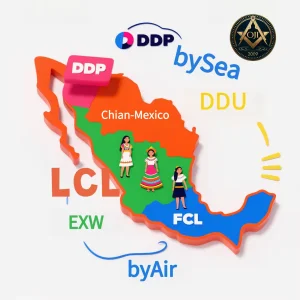
Optimized freight packages specifically engineered for Malaysia trade corridors, offering flexible volume consolidations, direct route clearances, and custom-bonded hub facilities.

Analyzing global trade architecture, Strait of Malacca bottlenecks, and how agile consolidated freight powers the Southeast Asian supply chain.
Strategically positioned at the crossroads of major international shipping routes, Malaysia handles a substantial volume of global trade via key gateways like Port Klang, Penang Port, and the Port of Tanjung Pelepas. For local small and medium enterprises (SMEs) as well as global multinationals running manufacturing operations in the Klang Valley, Penang (the Silicon Valley of the East), and the Johor-Singapore Special Economic Zone, logistics represents the backbone of market agility.
LCL (Less than Container Load) shipping has evolved from a simple transport fallback to a fundamental logistics strategy. By pooling cargo space, shippers can maintain weekly manufacturing operations without waiting to compile full container loads (FCL), preventing warehouse backlogs and maintaining vital capital flow.
Malaysia's industrial economy is shifting rapidly toward high-value manufacturing, electrical & electronic (E&E) components, solar PV systems, automotive components, and medical devices. These sectors demand just-in-time (JIT) production methodologies. High-frequency LCL ocean shipping, supported by state-of-the-art CFS (Container Freight Station) networks in China and Southeast Asia, ensures that materials are delivered in sync with manufacturing timetables, avoiding expensive air freight overheads.
Understanding the engineering behind container optimization, port of loading CFS networks, and regional deconsolidation procedures.
We receive disparate shipments from various manufacturers at our secure CFS hubs in Shenzhen, Ningbo, and Shanghai, validating dimensions and weight with precise laser scans.
Using advanced loading algorithms, our system calculates spatial compatibility, balancing heavy machinery components with lighter cargo to maximize physical slot efficiency.
Containers are sealed under strict customs control and moved directly to mainliners. At Destination Ports (e.g., Port Klang), we oversee rapid stripping and immediate customs presentation.
Guangdong Changi Logistics Co., Ltd. - A comprehensive international freight forwarder driving digital supply chain systems.
Guangdong Changi Logistics Co., Ltd. is a comprehensive logistics enterprise established in 2018, specializing in international freight forwarding and integrated supply chain solutions. The company is committed to providing efficient, reliable, and customized logistics services for global trade and cross-border e-commerce clients.
Our core services include international sea freight, air freight, rail transportation, multimodal transport, warehousing, customs clearance, and end-to-end supply chain management. With a strong global agency network and advanced digital logistics systems, we deliver cost-effective and time-efficient solutions to customers across various industries.
At Guangdong Changi Logistics Co., Ltd., we are committed to delivering long-term value to our clients through innovative logistics solutions and professional service excellence. Our mission is to:
We believe logistics is more than transportation—it is the foundation that connects global commerce and drives business success.
Founded in 2018, Guangdong Changi Logistics Co., Ltd. has grown alongside the rapid expansion of global trade and the rise of cross-border e-commerce. Starting as a traditional freight forwarding service provider, the company has evolved into a full-service logistics and supply chain solutions provider.
Over the years, we have continuously enhanced our operational capabilities by integrating intelligent logistics management systems and real-time tracking technologies. These improvements have significantly increased service efficiency, transparency, and customer satisfaction, enabling us to become a competitive independent logistics provider in the industry.
Our vision is to become a leading global logistics and supply chain partner, driven by innovation and powered by technology. We aim to build a smarter, greener, and more efficient global logistics network that enables seamless international trade and sustainable business growth for our clients.
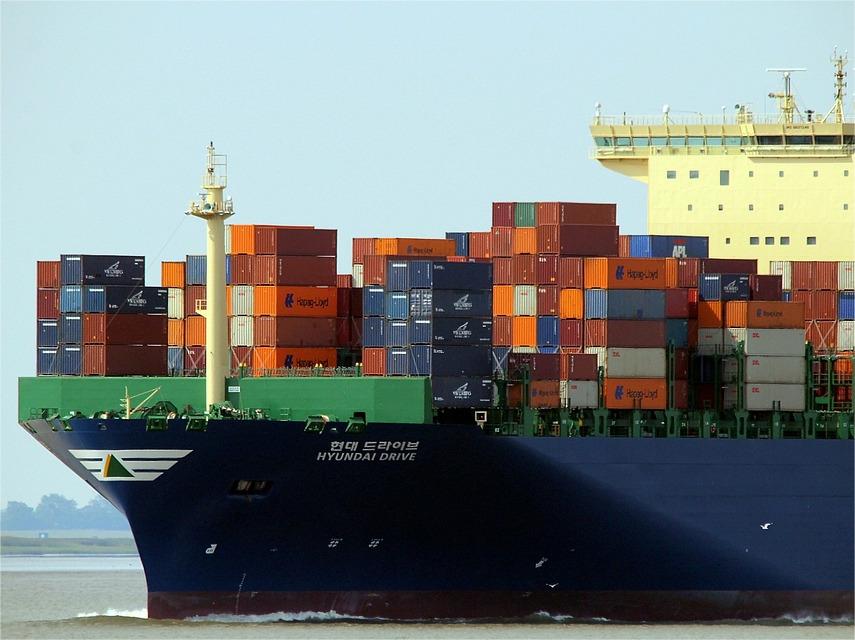
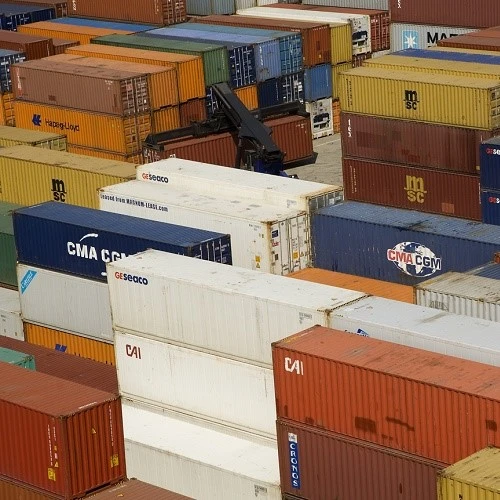

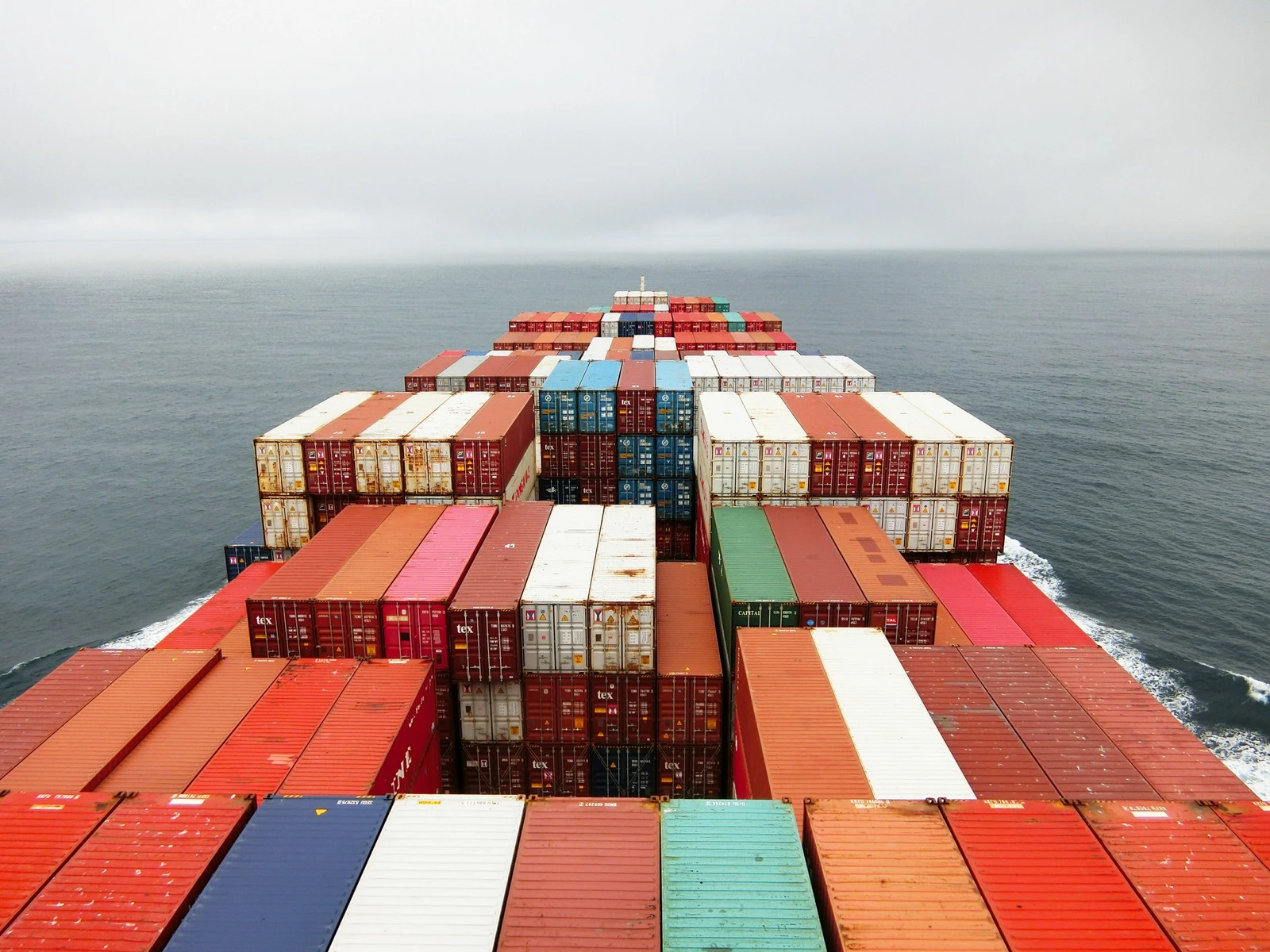
Navigating Royal Malaysian Customs (JKDM) regulations, Strategic Trade Act (STA 2010), and Halal supply chains.
Imports into Malaysia require comprehensive documentation matching strict HS Code guidelines. At Guangdong Changi Logistics, our in-house customs brokers manage the processing of crucial regulatory filings:
For Malaysia's robust food, cosmetic, and pharmaceutical manufacturing sectors, logistics must maintain rigid chemical segregation. We supply dedicated, certified clean containers that protect cargo from cross-contamination, aligning with MS 2400 guidelines.
Furthermore, under the Strategic Trade Act 2010 (STA), we actively screen technology components, dual-use products, and specialized equipment to ensure all necessary import and export transit permits are verified before consolidation at the port of origin.
Get a direct consultation on HS classification, import licenses, and duty structures for your LCL cargo.
How local industries apply LCL services to reduce footprint, balance supply chains, and build agile inventory loops.
Serving online sellers on platforms like Shopee and Lazada. We consolidate shipments from multiple wholesale suppliers in Guangdong directly to local fulfillment warehouses in Selangor and Johor.
Delivering high-frequency, smaller shipments of passive components, printed circuit boards (PCBs), and silicon wafers from Asian fabrication facilities directly to manufacturing plants in Penang and Bayan Lepas.
Providing heavy industry operators, palm oil refinery complexes, and manufacturing plants with urgent replacement machinery components without paying premium air cargo prices.
Pioneering digital integrations, real-time spatial containerization algorithms, and eco-friendly freight operations.
We believe in packing containers efficiently. By utilizing custom visual planning algorithms, we model loading configurations inside the container digitally before loading cargo. This reduces empty space and ensures the safety of delicate shipments during transport.
Additionally, our customers benefit from IoT tracking systems that monitor temperature, humidity levels, and movement. This real-time visibility is vital for moisture-sensitive products like electronic sub-assemblies or pharmaceutical goods destined for tropical Southeast Asian climates.
To support sustainable trade, we calculate and optimize sea freight routes to lower carbon emissions per cubic meter. By choosing efficient sea carriers, we help our clients meet their corporate environmental goals.
Expert technical insights regarding volumetric weight, transit timelines, custom duties, and service delivery modes.
Global multi-port connectivity, specialized DDP delivery structures, and e-commerce-focused LCL routes.
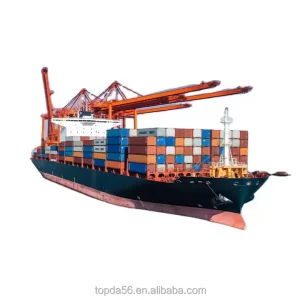
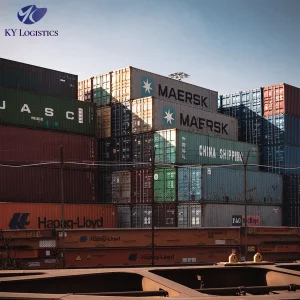

Get a detailed, customized LCL quotation for your business, complete with warehouse storage options, handling configurations, and customs support.
 Changi Logistics